Welcoming a new baby brings a flurry of milestones: the first smile, the first giggle, and eventually, the first tooth. As that tiny pearly white breaks through the gums, it usually triggers a common question for new parents: when to start brushing baby teeth?
Many parents think dental care can wait until a child has all their teeth. However, establishing a solid oral hygiene routine early on is crucial for their long-term health.

When to Start Brushing Baby Teeth: The Timeline
The short answer is: immediately.
You should actually begin caring for your baby’s mouth before their first tooth even appears. Wiping your infant’s gums with a clean, damp washcloth or gauze pad after feedings helps eliminate bacteria and gets them used to oral care.
However, the real brushing routine begins when that first tooth appears. This usually happens around six months of age. The American Dental Association recommends brushing your child’s teeth as soon as the first tooth appears. Baby teeth are vulnerable to decay from the moment they erupt, making early intervention essential.
Why Early Dental Care Matters for Baby Teeth
Since baby teeth eventually fall out, many parents wonder why early brushing is so important.
Primary teeth serve several critical functions:
- They act as placeholders for permanent teeth.
- They play a vital role in helping your child learn to chew properly.
- They are essential for speech development.
Neglecting baby teeth causes “baby bottle tooth decay,” leading to pain, infections, and early tooth loss.
How to Brush Baby Teeth: A Step-by-Step Guide
Knowing when to start brushing baby teeth is only half the battle; knowing how to do it safely is just as important.
1. Choose the Right Toothbrush for Your Child
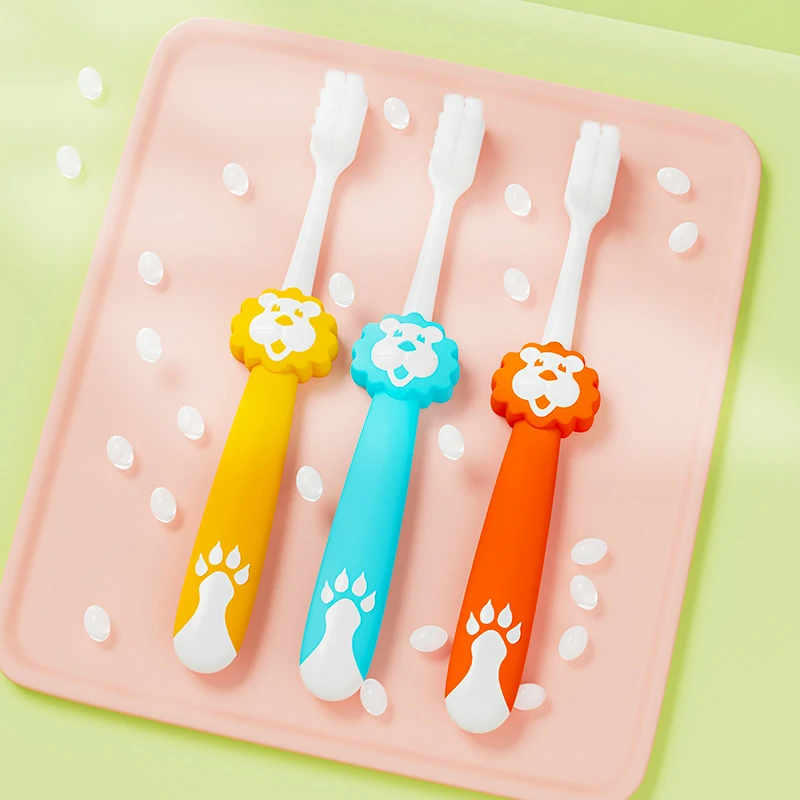
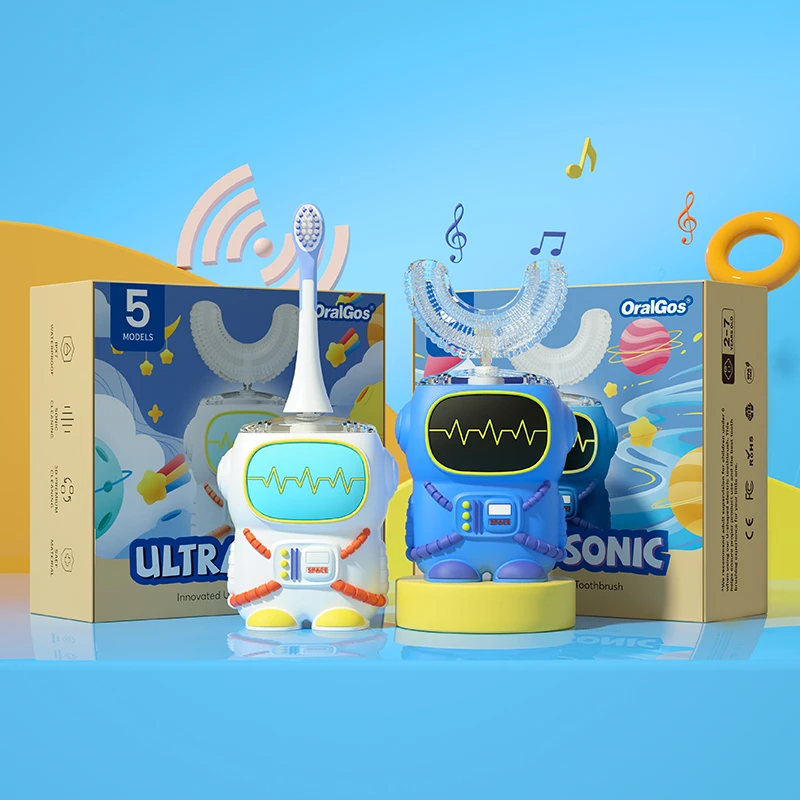
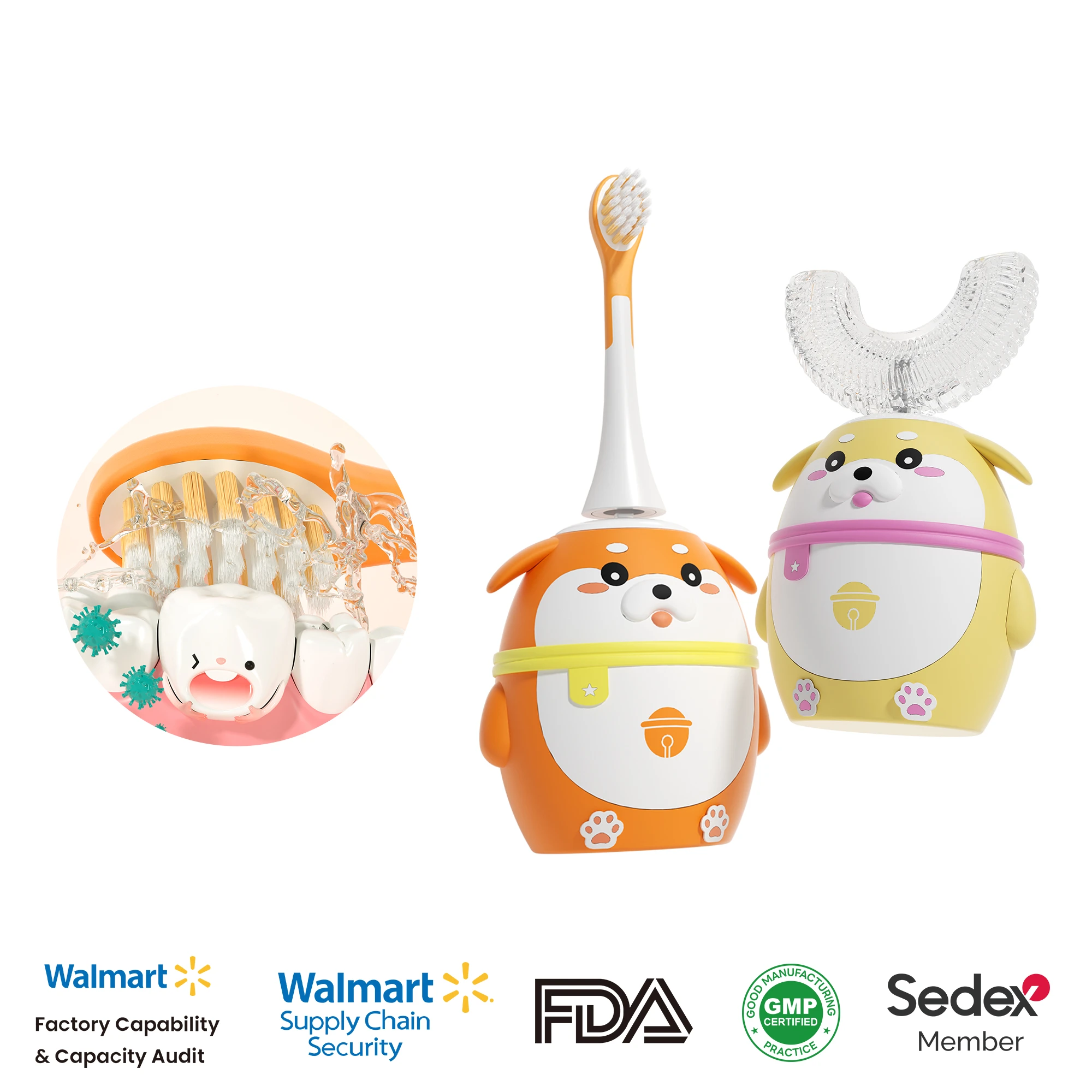
For infants and toddlers, you need a brush specifically designed for small mouths with ultra-soft bristles. A manual toothbrush with a small head gives you the control needed to gently clean tiny teeth. You can explore a wide range of safe, gentle options from this collection of kids manual toothbrushes.
2. Use the Correct Amount of Fluoride Toothpaste
The American Dental Association recommends a rice-sized smear of fluoride toothpaste for children under three. Once your child turns three, you can upgrade to a pea-sized amount.
3. Perfect the Brushing Technique
Gently brush all surfaces of the teeth twice a day—once in the morning and once right before bed. Use small, circular motions and ensure you brush along the gumline where plaque tends to accumulate.
Transitioning to an Electric Brush as Your Child Grows
As your baby grows into a toddler, their dental needs and preferences will evolve. Around the age of two or three, independence kicks in, and they may want to try brushing by themselves. While you should encourage this, you will still need to do a thorough follow-up brush until they are about 7 or 8 years old.
Many parents switch from a manual toothbrush to an electric one for older toddlers. This makes brushing more engaging and effective. Electric toothbrushes can make the process feel like a game while providing a superior clean. Consider checking out these kids electric toothbrushes to make oral care fun for your toddler.
Key Tips for a Cavity-Free Smile in Toddlers
Beyond knowing when to start brushing baby teeth, adding these healthy habits will protect your child’s smile:
- Avoid Bedtime Bottles: Never put your baby to bed with a bottle of milk, formula, or juice. The sugars pooling around their teeth overnight create a breeding ground for bacteria.
- Schedule the First Dentist Visit: Schedule your baby’s first dental visit when their first tooth appears. Ideally, schedule this inaugural visit before their first birthday.
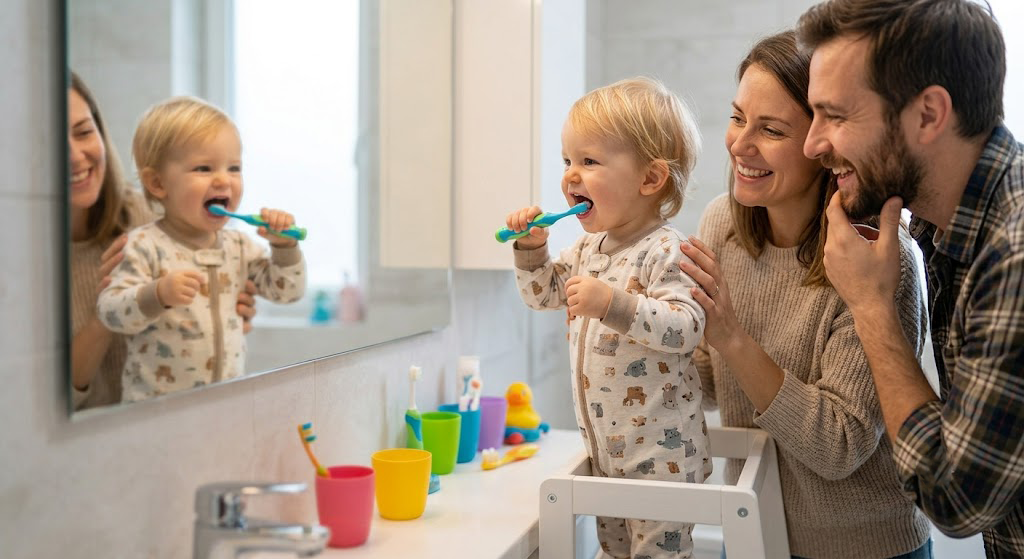
- Lead by Example: Demonstrate healthy habits by letting your child watch you brush and floss. Children love to mimic their parents, and seeing you prioritize your oral health will inspire them to do the same.
By taking control of your child’s dental hygiene right from the start, you set them up for a lifetime of healthy, confident smiles. Early dental care should not wait for full tooth eruption. Introduce a gentle toothbrush now to ensure optimal oral development for your infant.