Winter brings the joy of cozying up with hot cocoa and watching the snowfall. However, for a significant number of people, the drop in temperature brings an unwelcome guest: sharp, sudden dental pain. If you find yourself holding your jaw when stepping out into the brisk winter air, you are not alone. Understanding why your teeth hurt in cold weather is the first step toward reclaiming your comfort. You can protect your smile from the harsh elements all winter long. Just take a few proactive steps and adjust your daily oral hygiene routine.

The Science Behind Why Teeth Hurt in Cold Weather
Our teeth might seem like solid, unbreakable structures, but they are actually quite dynamic and sensitive to temperature fluctuations. To understand why your teeth hurt in cold weather, it helps to look at the anatomy of a tooth.
Beneath the hard outer layer of enamel lies a porous layer called dentin. Dentin contains thousands of microscopic pathways known as tubules that lead directly to the tooth’s nerve center (the pulp).
[Structure of a Tooth]
Enamel (Outer protection)
Dentin (Porous layer with microscopic tubules)
Pulp (Nerve center sensitive to cold)
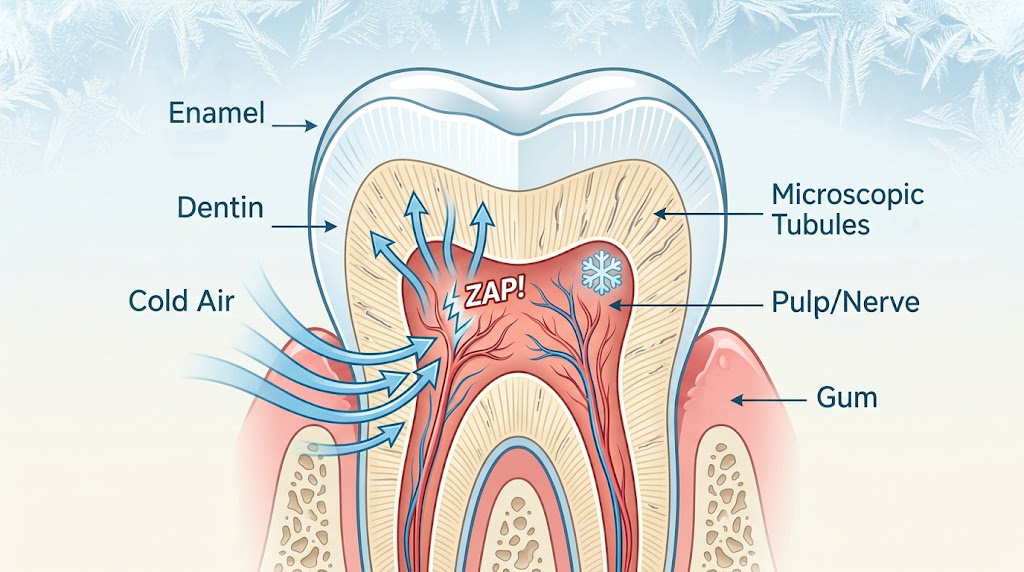
Inhaling freezing air through your mouth causes a sudden temperature drop. This flash of cold makes your tooth enamel contract faster than the dentin underneath.
This tiny movement puts stress on the tooth structure. At the same time, cold air travels through exposed tubules to directly shock the nerves. The ultimate result is a sharp, localized ache that can significantly disrupt your winter comfort.
Common Causes of Winter Tooth Sensitivity
While cold air is the trigger, the underlying weakness often stems from pre-existing dental conditions. Here are the most frequent culprits behind winter oral discomfort:
- Enamel Erosion: Acidic foods, aggressive brushing, and teeth grinding can all wear down your enamel. Over time, this erosion leaves the sensitive dentin underneath completely exposed.
- Gum Recession: Periodontal disease or hard brushing can cause gums to pull away from the teeth. This gum recession leaves sensitive tooth roots exposed to the cold air.
- Cracked Teeth or Fillings: Tiny cracks in teeth or old fillings can expand and contract in extreme temperatures. This movement often triggers sharp, localized pain.
How to Prevent Tooth Pain When It’s Cold Outside
You do not have to trap yourself indoors until spring just to avoid dental discomfort. Implementing a few smart, protective habits can shield your teeth from the biting winter air.
1. Breathe Through Your Nose to Prevent Cold Teeth Pain
The simplest way to stop the cold air from hitting your teeth is to alter the way you breathe when outdoors. Practicing nasal breathing while outside effectively minimizes the volume of cold air directly impacting your teeth. Your nose acts as a natural warming chamber to temper the cold air. This process keeps your teeth safely insulated behind your lips and out of harm’s way.
2. Wrap Up Comfortably to Shield Against Winter Tooth Sensitivity
If you are exercising outdoors or walking in sub-zero temperatures, utilize winter accessories to your advantage. Wearing a thick scarf, neck gaiter, or face mask helps trap warm moisture from your breath. This simple habit creates a comfortable microclimate for sensitive teeth.
Essential Winter Dental Care Habits
Upgrading your home oral hygiene routine is crucial for long-term relief. When your teeth hurt in cold weather, the right tools can make all the difference in rebuilding your oral defenses.

Choose the Right Toothbrush and Technique for Sensitive Teeth
Aggressive brushing with hard bristles strips away protective enamel and accelerates gum recession. To prevent this, switch to a high-quality manual toothbrush. Look for ultra-soft bristles that clean effectively without damaging your enamel.
For a more controlled and thorough clean, we highly recommend an electric toothbrush equipped with a pressure sensor. These advanced brushes ensure you apply the perfect amount of pressure. This safely cleans along the gum line, right where sensitivity usually begins.
Switch to Anti-Sensitivity Products for Cold Weather Relief
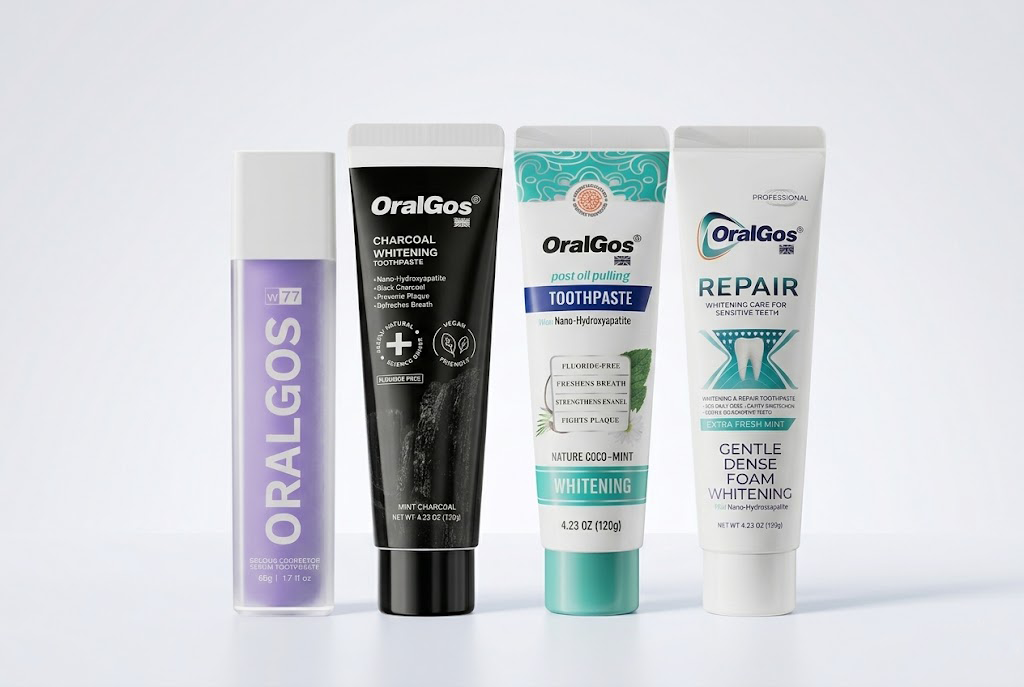
Pair your gentle brushing technique with a specialized toothpaste formulated for sensitive teeth. These formulas contain compounds like potassium nitrate or nano-hydroxyapatite. They work by blocking the tiny tubules in your dentin, preventing cold signals from reaching the nerves.
Furthermore, do not skip flossing just because your teeth feel tender. Traditional flossing can sometimes be uncomfortable on sensitive gums. That is why a gentle water flosser is an excellent alternative.
It uses a pulsating stream of warm water to clear away plaque between teeth. This process keeps your mouth healthy without irritating raw, sensitive nerves.
When Should You See a Dentist for Persistent Winter Tooth Pain?
You can often manage minor winter sensitivity at home with the right oral care. But if the pain persists or worsens, it is time to see a dentist.
According to the American Dental Association, you should watch out for lingering tooth pain. If your ache lasts for days or persists long after coming indoors, it could indicate a serious issue. This includes deep cavities, infections, or a fractured tooth.
Routine dental visits catch and fix structural issues before they get worse. As a result, your smile stays strong, healthy, and pain-free through every season.