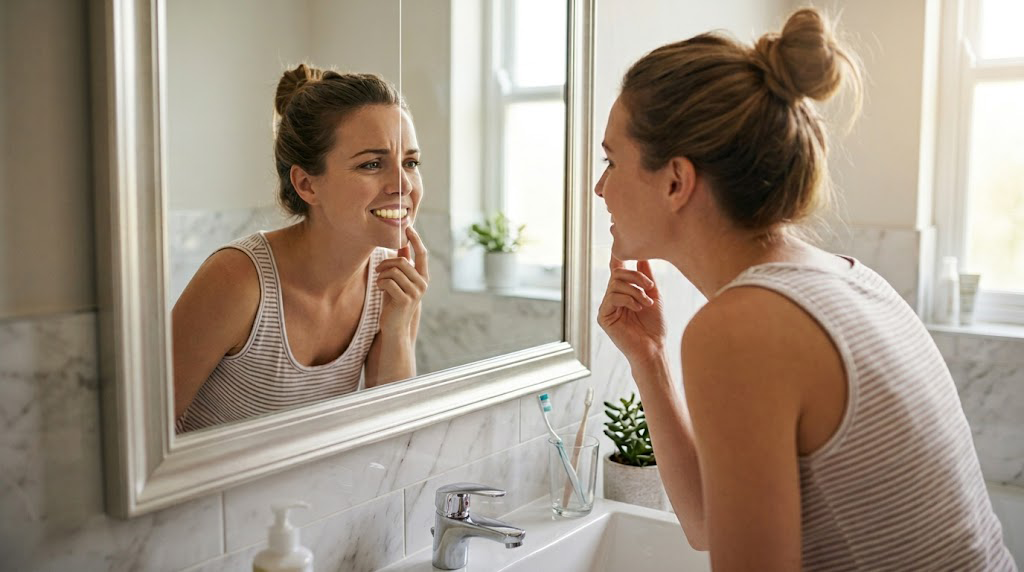
A bright, white smile is often associated with health, youth, and confidence. However, over time, you might notice your pearly whites losing their luster. If you find yourself staring in the mirror asking, “why are my teeth yellowing?” you are far from alone.
While aging and smoking are well-known culprits, tooth discoloration can happen for a variety of unexpected reasons. Understanding the root cause is the first step toward reclaiming your bright smile. Let’s dive into the top 10 surprising causes of yellow teeth and what you can do about them.
Understanding the Root: Why Are My Teeth Yellowing?
Before exploring the hidden causes, it helps to understand the anatomy of a tooth. Enamel forms the outer layer of your teeth, and it appears naturally white. Beneath the enamel lies dentin, a dense, yellowish tissue. As enamel thins or absorbs stains, it exposes the underlying yellow dentin, leading to that dreaded discoloration.
1. Healthy Morning Smoothies That Cause Stained Teeth
You might drink a daily berry smoothie for your health, but your teeth might pay the price. Dark fruits like blueberries, blackberries, and pomegranates contain powerful pigments called chromogens. These pigments stick to tooth enamel, causing surface stains over time.
Acidic Foods and Beverages That Erode Enamel
Citrus fruits, tomatoes, and even sports drinks are highly acidic. While they might not have deep color themselves, the acid erodes your tooth enamel. As the enamel thins, it exposes the yellowish dentin underneath, making your teeth appear darker.
3. Frequent Use of Mouthwash Leading to Tooth Discoloration
It sounds backwards, but some over-the-counter mouthwashes can cause discoloration. Certain active ingredients—like chlorhexidine or cetylpyridinium chloride—react with substances in your mouth. This chemical reaction can leave stubborn brown or yellow stains on your teeth.
Hidden Lifestyle Factors That Cause Yellow Teeth
While diet is important, daily habits and internal factors also play a massive role in tooth discoloration. If you are still questioning why are my teeth yellowing, consider these hidden lifestyle triggers.
4. Overusing Whitening Products and Getting Yellow Teeth
Ironically, over-bleaching your teeth can lead to yellowing. Excessive use of harsh whitening strips or trays can wear down your protective enamel. Once enamel depletes, it permanently exposes the naturally yellow dentin underneath.
5. Hidden Ingredients in Daily Supplements
Liquid iron supplements and chewable vitamins are common, yet unsuspected, sources of teeth staining. Liquid iron is notorious for creating dark, vertical stains on teeth. Chewable vitamins often contain citric acid and sugars that erode enamel unless you rinse your mouth immediately.
6. Grinding Your Teeth (How Bruxism Triggers Yellowing)
Bruxism often manifests as an unconscious nightly response to psychological stress. According to the American Dental Association, bruxism can cause micro-fractures in the tooth enamel. These tiny cracks not only weaken the teeth but also provide a perfect hiding place for food stains to settle and darken.
7. Certain Medications and Internal Tooth Stains
If you took some antibiotics, like tetracycline or doxycycline, as a child, it can stain developing teeth. Antihistamines, high blood pressure medications, and antipsychotic drugs can also contribute to surface yellowing in adults.
How Dental Hygiene Habits Impact Tooth Discoloration
Your daily routine dictates the shade of your smile. Poor alignment of tools and techniques can quietly accelerate staining.
8. Aggressive Brushing Techniques That Darken Your Smile
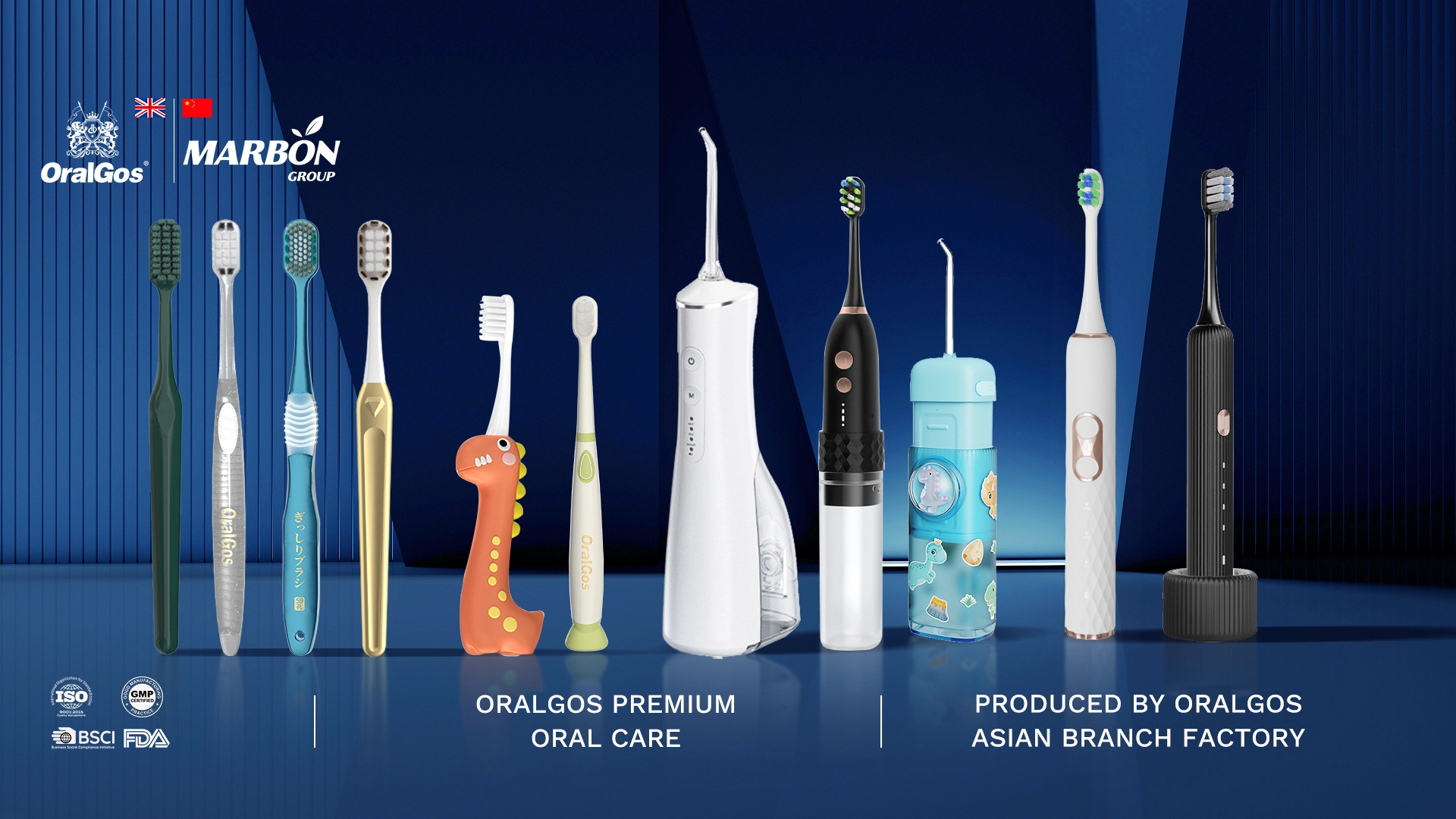
Aggressive brushing fails to improve cleanliness; instead, it gradually wears down protective tooth enamel. To protect your smile, swap out hard-bristled brushes for a high-quality manual toothbrush with soft bristles. An electric toothbrush with a built-in pressure sensor helps regulate your brushing force. This technology safely polishes away surface stains while fully protecting your enamel.
9. Skipping the Floss (Plaque and Yellow Teeth)
When plaque builds up between your teeth, it attracts stains and turns into a hard, yellowish substance called tartar. Standard brushing misses these tight spaces. To remove plaque before it hardens, use a water flosser each night. It helps flush debris from between your teeth.
10. Using the Wrong Toothpaste for Stained Teeth
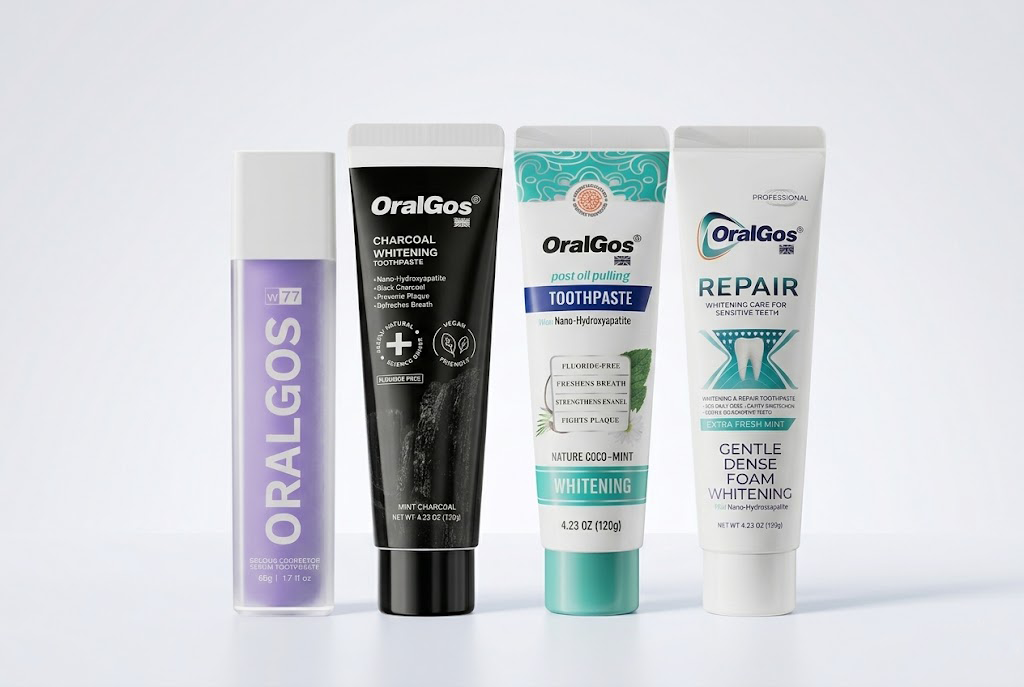
Not all toothpastes are created equal. Highly abrasive whitening toothpastes can scratch your enamel over time. Instead, opt for a specialized, enamel-safe toothpaste that strengthens your teeth while gently lifting daily surface stains.
Professional Tips: How to Reverse and Prevent Yellowing Teeth
Now that you know the surprising answers to “why are my teeth yellowing?”, you can take active steps to protect your smile.
- Rinse After Eating: Drink water or rinse your mouth immediately after consuming acidic foods, berries, or coffee.
- Use a Straw: Using a straw to drink iced coffee, tea, or smoothies minimizes direct fluid contact with your front teeth. This simple habit significantly reduces the risk of surface staining.
- Maintain Consistent Hygiene: Brush twice a day and floss daily. Additionally, schedule regular dental cleanings to remove stubborn tartar that home tools cannot reach.
Small tweaks to your routine and better oral care tools will easily protect your enamel. With consistency, you can maintain a brighter, healthier smile for years to come.