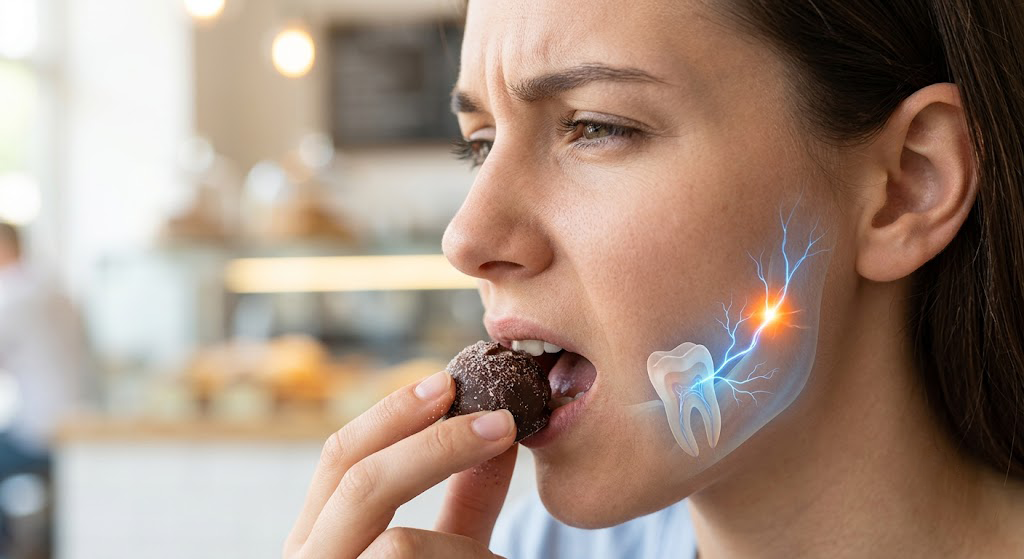
We have all been there. You bite into a chocolate bar or sip a sugary soda, and a sharp flash of pain hits your teeth. If you frequently find yourself asking, “Why do my teeth hurt when eating sweets?” you are certainly not alone. Sugar sensitivity is a incredibly common dental complaint, but it is rarely something you should just ignore.
Why do sweet treats cause this pain? Learning how your teeth react to sugar gives you the answer. Even better, it helps you find a way to prevent it.
The Science Behind Sugar Sensitivity (Why Sweets Cause Tooth Pain)
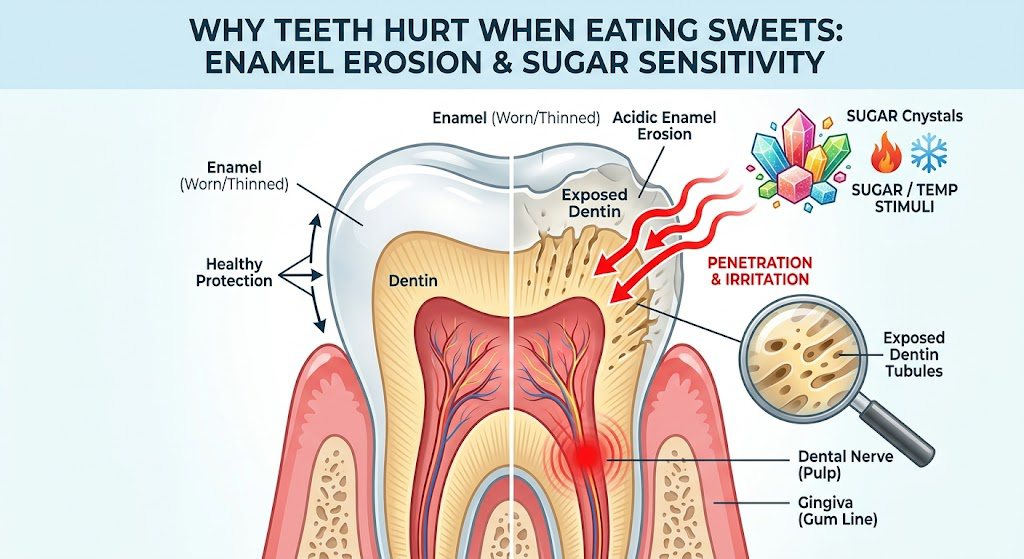
To understand why your teeth hurt when eating sweets, it helps to look at the anatomy of a tooth. The outermost layer of your tooth is the enamel, which is the hardest substance in the human body. Beneath the enamel lies a softer, more porous layer called dentin.
Dentin contains thousands of microscopic pathways called dentinal tubules. These tiny tubes lead directly to the pulp, which is the tooth’s nerve center.
When your enamel is strong and healthy, it acts as a solid shield. However, sugar is highly osmotic. When you eat sugary foods, the high sugar level draws fluid out of these tiny tubes. This sudden movement of fluid stimulates the nerves inside the pulp, resulting in that sharp, stinging jolt of pain.
Common Reasons Your Teeth Hurt When Eating Sweets
Frequent pain from sweets is a clear warning sign. It usually means your protective enamel has worn thin. Here are the most frequent culprits behind sugar-induced dental pain:
1. Tooth Decay and Cavities: The Leading Cause of Sugar Sensitivity
According to the American Dental Association, cavities are permanently damaged areas on your teeth. These areas slowly develop into tiny holes.
When bacteria in your mouth feast on the sugars you eat, they produce an acidic byproduct. This acid slowly eats away at your enamel. Once a cavity reaches the dentin, sugary foods touch your nerves directly. This contact triggers instant sensitivity.
2. Acidic Enamel Erosion: Why Sugar Triggers Sharp Tooth Pain
Sugar isn’t the only enemy of enamel; acid is equally destructive. Consuming high volumes of citrus fruits, sodas, sports drinks, and wine can chemically wear down your enamel over time. When this protective layer thins, it exposes the sensitive dentin underneath. This exposure is why your teeth hurt when eating sweets or drinking cold liquids.
3. Receding Gums and Exposed Roots: Why Teeth Hurt After Eating Sugar
Your tooth roots do not have a protective layer of enamel; instead, they are covered by a softer substance called cementum. Aggressive brushing or gum disease can make your gums pull away from your teeth. Exposed roots are highly vulnerable to temperature changes and sugar shocks.
How to Prevent Pain When Consuming Sugary Treats
You do not necessarily have to banish sugar from your diet forever to find relief. By adjusting your daily oral hygiene routine, you can significantly rebuild your defense system and protect your smile.
Upgrade Your Oral Hygiene Arsenal to Stop Sugar-Induced Pain
The tools you use daily play a massive role in maintaining enamel density and keeping your gums firmly in place.
- Gentle Mechanical Cleaning: Aggressive scrubbing with a hard-bristled brush tears away enamel and destroys gum tissue. Use a high-quality manual toothbrush with ultra-soft bristles. This tools clears away plaque without scratching your enamel.
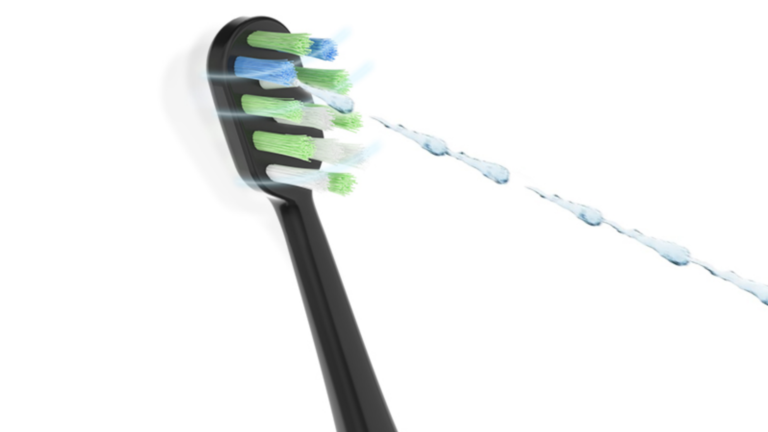
- Consistency with Technology: Do you struggle to brush for two minutes or use the right pressure? An advanced electric toothbrush takes the guesswork out of your routine. It ensures a thorough clean that protects sensitive areas.
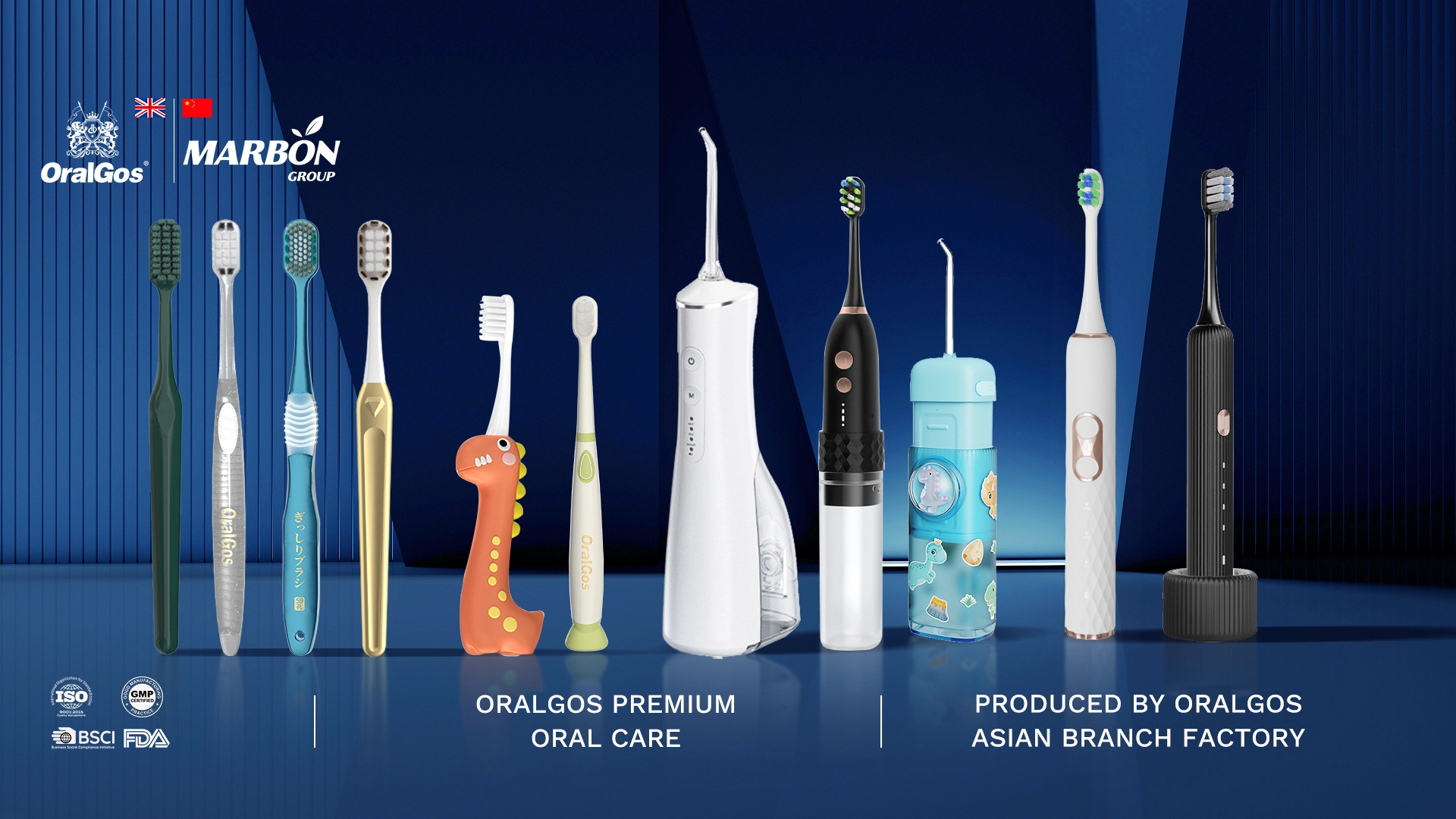
- Interdental Cleaning: Plaque and sugar residues love to hide between teeth where brush bristles cannot reach. A powerful water flosser easily clears trapped sugars and bacteria from your gumline. Using it every night prevents the localized decay that triggers sugar shocks.
Dietary Tweaks and Habits to Protect Sensitive Teeth From Sweets
In addition to upgrading your tools, try to rinse your mouth with plain water immediately after eating sweet foods. This helps neutralize acids and wash away lingering sugars before they can interact with the bacteria on your teeth. Avoid snacking on sugary foods throughout the day. Eating sweets in one sitting is much safer, as grazing subjects your teeth to constant acid attacks.
When to See a Dentist for Persistent Tooth Pain From Sweets
While switching up your home care routine can manage mild sensitivity, persistent pain should never be ignored. Constant pain from sweets is a warning sign. If the pain lingers for more than a few minutes, schedule a dental checkup today.
A dentist can pinpoint the exact source of your pain, such as a hidden cavity, fractured tooth, or loose filling. Once found, they can provide targeted treatments like fluoride or sealants to restore your smile.