The wellness world has long embraced natural alternatives to daily essentials, and oral care is no exception. From charcoal powders to oil pulling, DIY dental trends frequently take social media by storm. One of the most popular ingredients dominating the natural dental aisle today is coconut oil. Promoted as a gentle, holistic alternative to traditional formulations, many brands claim it can naturally brighten your smile. But does coconut oil toothpaste actually whiten teeth, or is it just another marketing gimmick? To determine the facts, we must distinguish online trends from clinical dental science.
The Rise of Coconut Oil in Oral Care
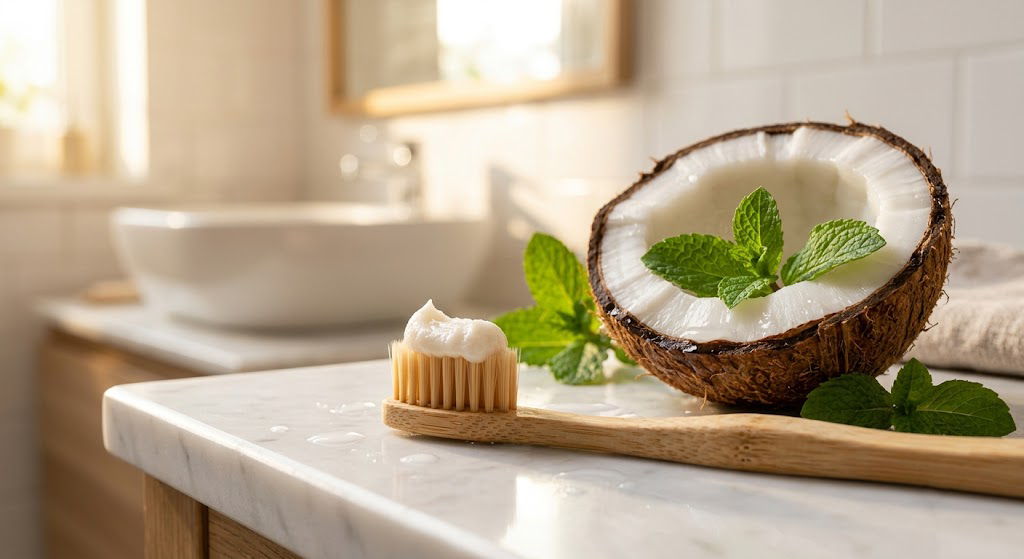
The use of coconut oil for oral health isn’t entirely new. This practice stems from Ayurveda, an ancient Indian system of medicine. It relies on “oil pulling”—swishing a tablespoon of oil in the mouth to help clear impurities.
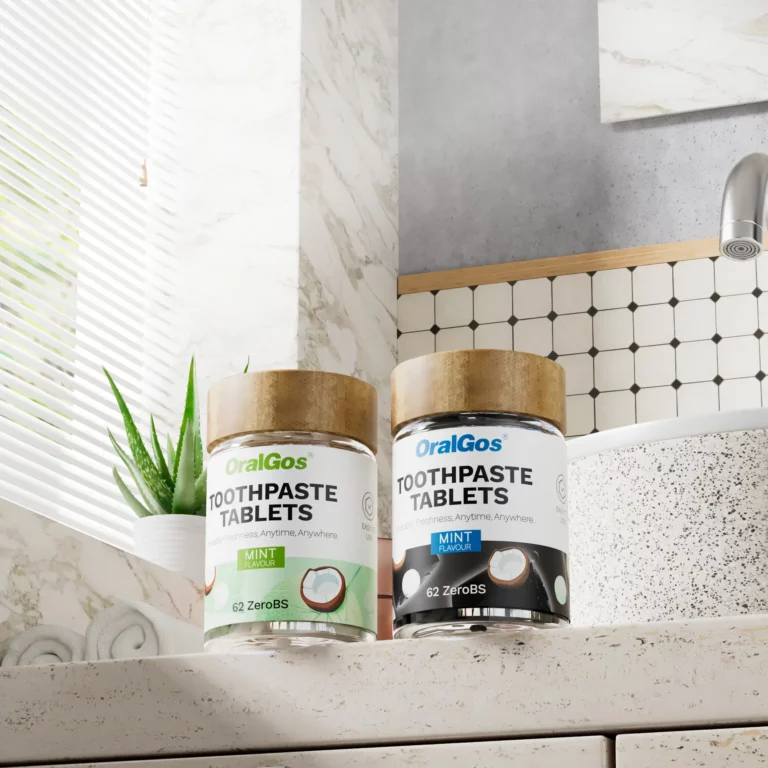
Modern brands now frequently incorporate this ingredient into daily dental care. As a result, coconut oil toothpaste has become a top choice for consumers seeking plant-based or fluoride-free options. Proponents claim that it fights bacteria, freshens breath, and lifts stubborn stains. However, understanding how teeth stain is crucial to determining if these whitening claims hold water.
Understanding Tooth Stains: Extrinsic vs. Intrinsic
To evaluate the efficacy of any whitening product, you must look at the two types of discoloration:
- Extrinsic Stains: These occur on the outer surface of the tooth (the enamel). Deeply pigmented foods and beverages—like coffee, red wine, tea, and tobacco—typically cause these surface stains.
- Intrinsic Stains: These occur within the inner structure of the tooth (the dentin). Intrinsic discoloration happens due to aging, trauma, or exposure to certain medications during tooth development.
Traditional whitening treatments use chemical bleaching agents like hydrogen peroxide or carbamide peroxide. These agents penetrate the enamel to break down deep intrinsic stains. A standard coconut oil toothpaste, on the other hand, does not contain chemical bleaching agents. Therefore, it cannot alter the natural, genetic shade of your teeth.
The Science: How Coconut Oil Affects Oral Health
Coconut oil won’t bleach your teeth. However, it offers verified oral health benefits that can indirectly brighten your smile.
Antimicrobial Properties of Lauric Acid
Coconut oil is rich in lauric acid, a fatty acid known for its strong antimicrobial and anti-inflammatory properties. Research shows that lauric acid effectively fights Streptococcus mutans. This is the primary bacteria responsible for plaque, cavities, and gum disease. By reducing plaque, you naturally prevent the yellowish film that can make teeth look dull.
Plaque Removal and Surface Cleansing
When formulated into a toothpaste, coconut oil acts as a mild lubricant and cleanser. It helps scrub away surface-level extrinsic stains when combined with gentle abrasives like calcium carbonate or hydrated silica.
According to the American Dental Association (ADA), oil pulling may reduce oral bacteria. However, there is no rigorous scientific evidence that coconut oil whitens teeth or replaces standard dental care.
Does Coconut Oil Toothpaste Actually Whiten Teeth?
The short answer is no, not in the way chemical bleaching does.
Natural oil-based pastes will not deliver dramatic results for deep, intrinsic yellowing or changing your dentin’s natural shade. However, a high-quality coconut oil toothpaste can help if your teeth look dull from coffee stains or plaque buildup. It gently lifts surface impurities, making your teeth appear cleaner, brighter, and beautifully polished. It maintains your natural brightness rather than chemically altering it.
How to Choose the Right Paste for Your Smile
You can enjoy the gentle, soothing feel of natural ingredients while still protecting your teeth from cavities. Simply look for a formulation that perfectly bridges the gap between nature and science. Many modern natural toothpastes combine organic oils with enamel-strengthening ingredients. Formulas featuring hydroxyapatite or fluoride help fight plaque while protecting your enamel.
Ready to upgrade your daily oral care routine? Explore our full collection of scientifically backed toothpastes. Find your perfect match today for a healthy, radiant smile.
Final Verdict: A Supportive Tool, Not a Miracle Bleach
Coconut oil fights harmful bacteria and supports healthy gums, making it an excellent addition to any holistic oral routine. It won’t give you the dramatic results of a professional whitening treatment. However, it plays a valuable role in maintaining a clean, plaque-free smile. For a naturally bright smile, focus on consistent brushing, regular flossing, and choosing products that protect your enamel.