The search for a brighter, whiter smile is a primary driver behind modern oral care choices. Millions of people search for ways to remove stubborn tooth stains every day. These stains usually come from coffee, tea, red wine, and aging.
Many store-bought whitening toothpastes rely on harsh physical abrasives. While they offer quick cosmetic results, they can gradually damage your enamel and dentin over time.
To protect your teeth while achieving a radiant smile, understanding the Relative Dentin Abrasivity (RDA) index is essential. By selecting a high-performance low abrasive whitening toothpaste, you can achieve noticeable stain removal without compromising structural dental integrity.
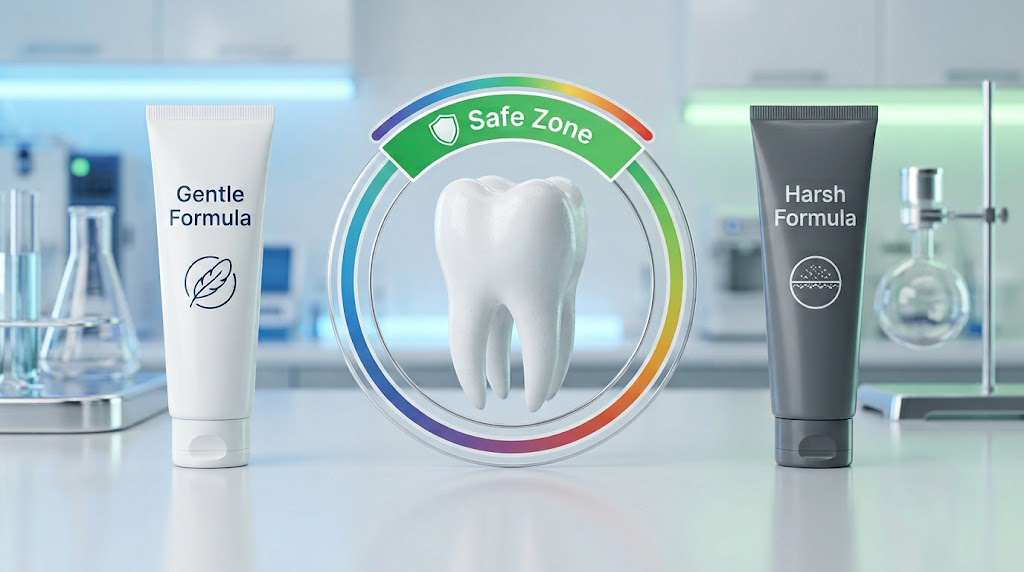
Understanding the Relative Dentin Abrasivity (RDA) Scale
The Relative Dentin Abrasivity (RDA) index measures how aggressively a toothpaste wears down tooth tissue. Developed by dental researchers, this scoring system is widely recognized by global health authorities. To measure RDA, lab technicians test tooth samples by brushing them with a standard mixture of toothpaste and water. Researchers then measure the tissue wear and assign it a score, typically from 0 to 250.
Dental standards categorized by safety levels include:
- 0 to 70: Low abrasive. Extra gentle on enamel, exposed dentin, and delicate soft tissue.
- 71 to 100: Medium abrasive. Safe for daily long-term use in healthy individuals.
- 101 to 150: High abrasive. Potentially harsh with extended daily application.
- 151 to 250: Harshly Abrasive. Approaching or meeting maximum regulatory thresholds; risky for sensitive teeth.
The American Dental Association considers any toothpaste with an RDA score under 250 safe for daily, long-term use. However, clinical practitioners increasingly advocate for formulas operating well below 80, particularly for users seeking daily cosmetic enhancement.
The Hidden Risks of Highly Abrasive Formulations
To understand why an elevated RDA score is problematic, one must examine the anatomy of the tooth. Beneath your hard enamel lies dentin—a softer, more porous layer. It contains thousands of tiny, fluid-filled channels that connect straight to the tooth’s living nerve.
When consumers use overly aggressive whitening formulas, the mechanical scrubbers scrape away surface stains alongside vital microscopic layers of enamel. Over time, as enamel thinned out, two distinct problems emerge:
- Tooth Sensitivity: Thinning enamel exposes the underlying dentin tubules. Temperature changes from hot coffee or ice water shift the fluid inside these channels. This rapid movement triggers sharp, sudden tooth pain.
- Rebound Yellowing: Surprisingly, wearing away too much enamel makes teeth look darker over time. As translucent enamel becomes thinner, the naturally yellowish dentin layer underneath shows through more prominently.
Furthermore, aggressive mechanical brushing damages delicate gingival margins, leading to permanent gum recession and exposing vulnerable root dentin that lacks protective enamel altogether.
Science Behind Effective Low Abrasive Whitening Toothpaste
You do not need harsh, gritty ingredients like calcium carbonate to remove tooth stains effectively. Modern dental chemistry proves otherwise. A properly formulated low abrasive whitening toothpaste replaces severe physical friction with advanced chemical and enzymatic mechanisms that gently lift discoloration.
Key active ingredients in advanced low-abrasive formulas include:
- Enzymatic Systems: Natural enzymes like papain and bromelain break down the tooth’s sticky surface film. This film traps stain pigments, so dissolving it easily lifts discoloration.
- Dissolving Polyphosphates: Compounds like sodium tripolyphosphate bind to mineral stain complexes, softening surface discoloration so it rinses away effortlessly.
- Gentle Hydrated Silica: High-cleaning, low-abrasive silica particles designed with rounded spherical geometry polish surfaces smooth without scratching enamel structure.
- Remineralizing Fluoride & Hydroxyapatite: These essential agents rebuild weakened enamel crystalline structures while simultaneously filling microscopic dentinal tubules to seal out sensitivity.
By combining active stain-dissolving science with gentle surface polishing, these sophisticated formulas deliver progressive aesthetic brightening alongside comprehensive prophylactic protection.
How to Select a Superior Low Abrasive Whitening Toothpaste
Choosing the right daily oral care products requires evaluating key ingredient lists and manufacturing transparency rather than relying solely on flashy marketing claims. When looking for a daily formula, consider the following practical guidelines:
- Verify RDA Values: Premium oral care brands transparently disclose their RDA rating on packaging or official product documentations. Look for options with an RDA under 70 or 80. You can explore a curated range of gentle, effective oral care solutions in our dedicated toothpaste collection.
- Avoid Harsh Additives: Avoid raw, gritty charcoal powders and harsh scrubbers that lack clinical testing. For charcoal users, always ensure your formula is ultra-fine and certified safe for daily enamel care.
- Prioritize Enamel Defense: Look for active ingredients like sodium fluoride, potassium nitrate, or nano-hydroxyapatite. These ingredients strengthen your enamel against acidic food while calming sensitive nerves.
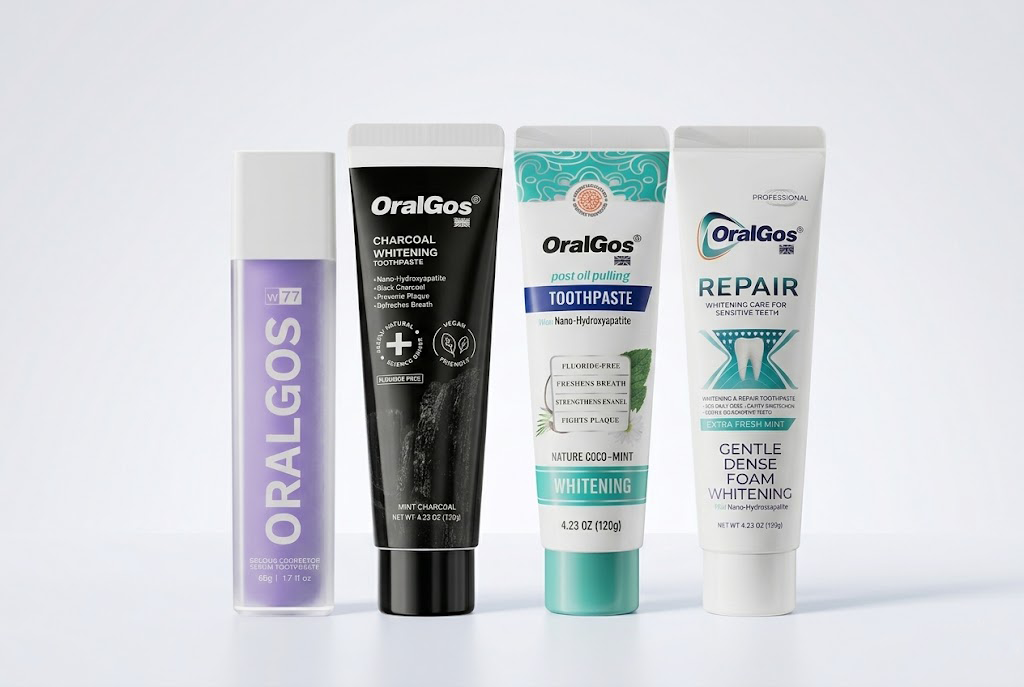
- Consistency Over Intensity: Sustainable aesthetic improvement relies on consistent daily compliance rather than harsh, immediate abrasion. Using a gentle formula consistently yields lasting brightness without risking structural damage.
Preserving Your Radiance Safely
Achieving a brilliant smile should never require sacrificing your long-term oral health. Highly abrasive physical scrubbers offer rapid superficial results at the ultimate cost of permanent enamel wear, sensitivity, and dentin exposure. Choosing a high-quality, low-abrasive whitening toothpaste helps you safely remove stains and protect your enamel. Understanding the RDA index ensures your smile stays bright and healthy for years.