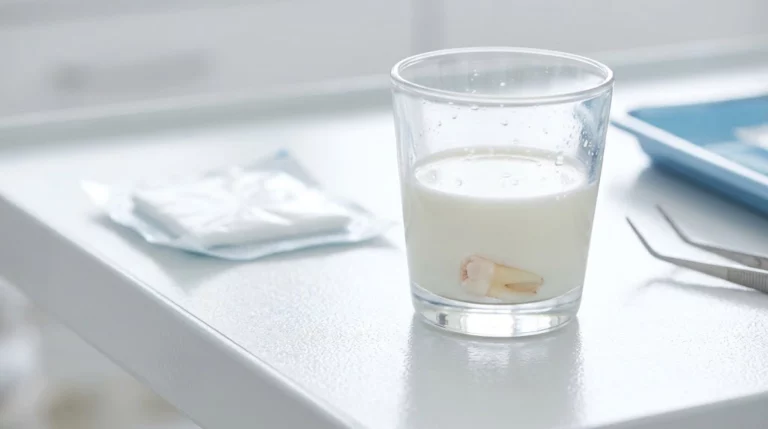
Many people grow up believing that losing teeth is a natural, inevitable part of getting older. Years ago, many seniors relied on complete dentures. This made people believe that tooth loss and aging always go hand in hand. But is tooth loss inevitable with age, or is it simply a persistent myth passed down through decades?
Modern dentistry provides a clear answer: tooth loss is not an inevitable outcome of aging. Your body changes as you get older, but your natural teeth can still last a lifetime with the right prevention and care. Let’s bust the most common senior dental myths and look at how you can protect your smile well into your golden years.

Myth 1: Is Tooth Loss Inevitable with Age?
The truth is, losing teeth is not a guaranteed part of growing older. Tooth loss comes from preventable issues like severe gum disease and tooth decay, not from aging itself. While older adults face unique oral health challenges, age alone does not destroy healthy teeth.
Understanding Why Is Tooth Loss Inevitable with Age Myth Persists
Several historical factors explain why this misconception remains so common. In the past, dental care was far less advanced, and fewer communities had fluoridated water. As a result, previous generations were much more likely to lose teeth as they aged.
Today, dental health among seniors has improved dramatically. Modern tools, better prevention, and higher awareness now help older adults keep their natural teeth longer.
However, age-related factors can indirectly increase the risk of oral health issues:
- Dry Mouth (Xerostomia): Many prescription medications taken by seniors reduce saliva flow. Saliva plays a vital role in neutralizing acids and washing away plaque bacteria.
- Receding Gums: Over time, gums can recede, exposing vulnerable root surfaces that are more susceptible to decay.
- Physical Limitations: Conditions like arthritis or reduced dexterity can make manual brushing and traditional flossing challenging.
Despite these factors, proactive oral care ensures that age does not dictate the survival of your teeth.
Myth 2: Bleeding Gums and Gum Disease Are Normal for Seniors
Another widespread misconception is that soft, bleeding, or receding gums are just normal signs of aging. In reality, bleeding or inflamed gums indicate periodontitis, an active bacterial infection.
Gum disease damages the soft tissue and destroys the supporting bone structure around your teeth. As gum disease destroys this supporting bone, teeth loosen and may eventually fall out or need extraction. Fortunately, gum disease is both preventable and manageable.
Cleaning between your teeth daily is key to stopping gum disease. Using a high-quality water flosser easily flushes out plaque and debris from below the gumline.
Myth 3: You Don’t Need Special Oral Care Tools as You Age
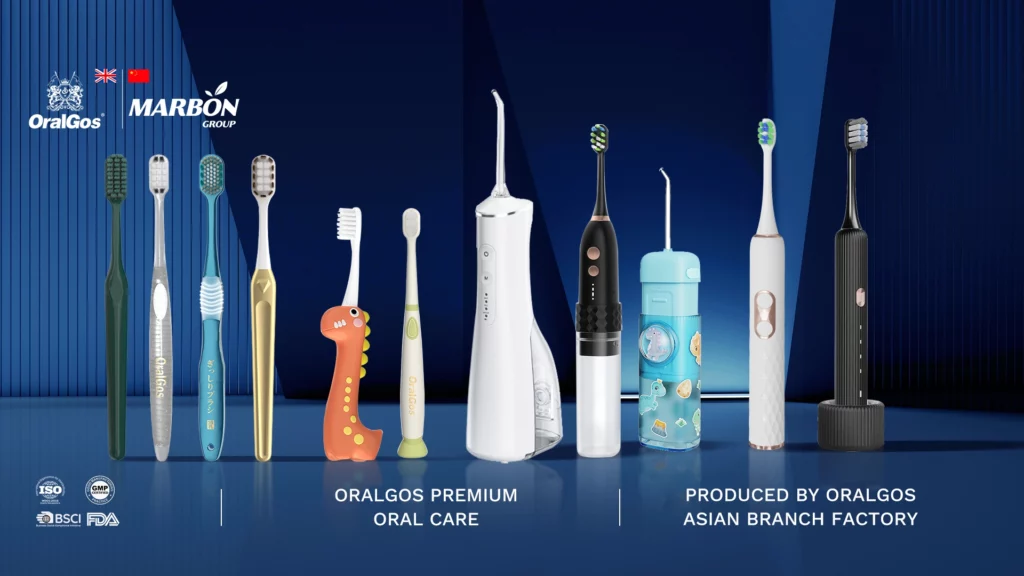
Some seniors assume that continuing their lifelong brushing routine with a basic toothbrush is sufficient. As we age, reduced hand flexibility and receding gums make cleaning harder. Updating your dental toolkit ensures you continue removing plaque effectively.
- Electric Toothbrushes: According to clinical research highlighted by the American Dental Association, electric toothbrushes are highly effective at removing plaque and reducing gingivitis. Switching to an electric toothbrush lets the oscillating or sonic bristles do the heavy lifting. This makes cleaning teeth effortless for seniors with limited hand mobility.
- Ergonomic Manual Brushes: An ergonomic manual toothbrush with soft bristles offers a gentle clean. It protects exposed roots and delicate gums from harsh brushing.
Essential Tips to Keep Your Teeth for Life
To ensure your smile stays strong and functional throughout your senior years, incorporate these habits into your daily routine:
- Maintain Consistent Daily Hygiene: Brush twice daily with fluoride toothpaste. Also, clean between your teeth every day using floss or interdental brushes.
- Stay Hydrated and Manage Dry Mouth: Drink plenty of water and chew sugar-free gum to boost saliva. If your medications cause persistent dry mouth, speak with your doctor.
- Visit Your Dentist Regularly: Regular checkups and professional cleanings help catch issues early. This allows your dentist to treat decay or gum disease before severe damage occurs.
- Adopt a Dentally Friendly Diet: Limit sugary snacks and acidic beverages, which erode enamel and fuel plaque bacteria. Focus on calcium-rich foods and leafy greens to support bone density.
Final Thoughts
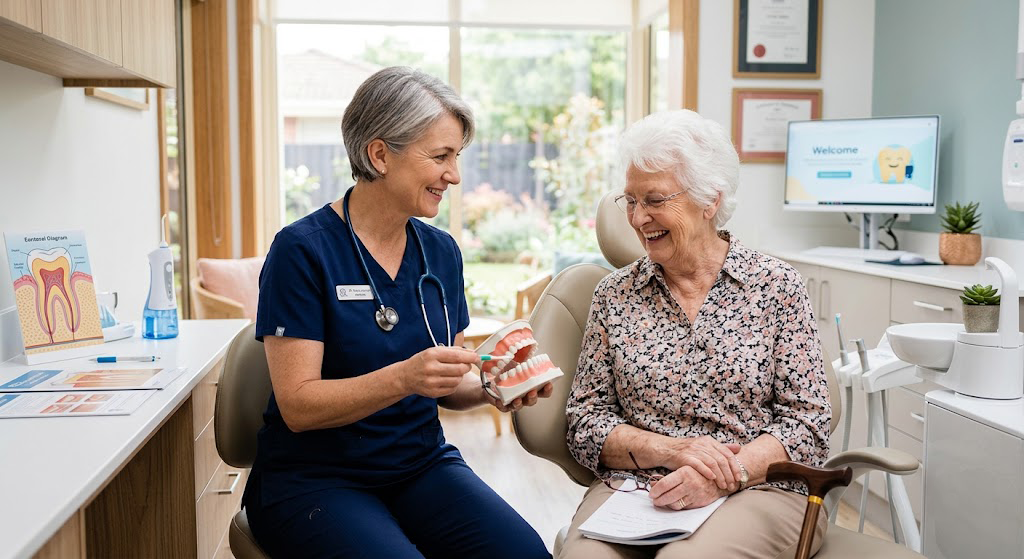
So, is tooth loss inevitable with age? Absolutely not. Aging brings natural changes, but losing your teeth is not inevitable.
Understanding the causes of oral disease and using modern care tools gives you full control over your health. With the right routine, you can enjoy a strong, functional smile for a lifetime.