Natural oral hygiene products have surged in popularity as consumers seek gentler, effective alternatives to conventional oral care. Among these options, mineral-infused options stand out for their refreshing taste and distinct oral health benefits. However, the fundamental question remains: does Himalayan pink salt toothpaste truly support long-term dental health?
Learning how salt-based formulas work can help you decide if they fit your routine while keeping your tooth enamel safe.
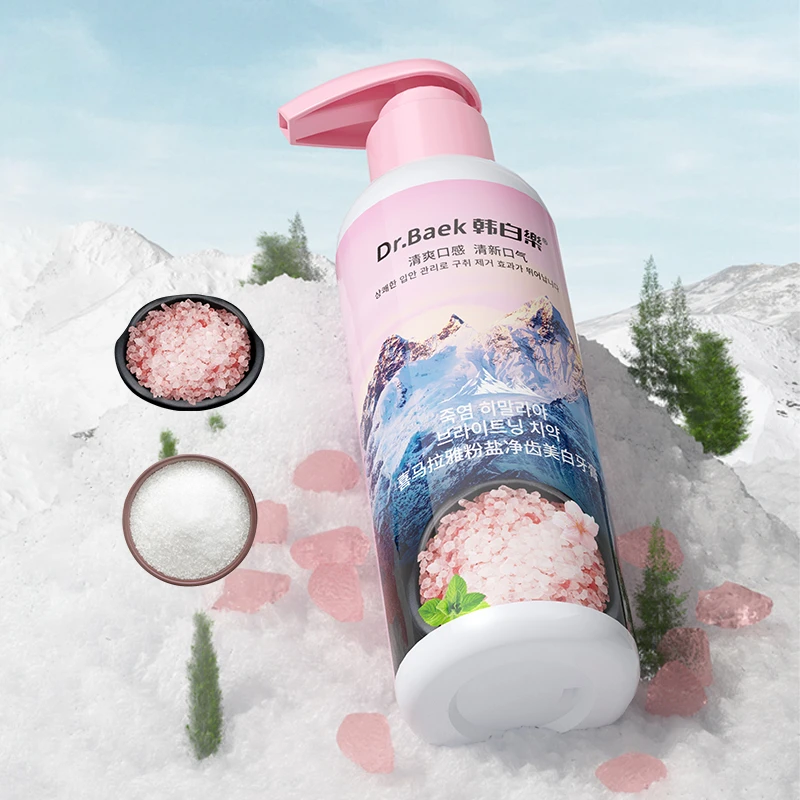
Is Himalayan Pink Salt Toothpaste Good for You?
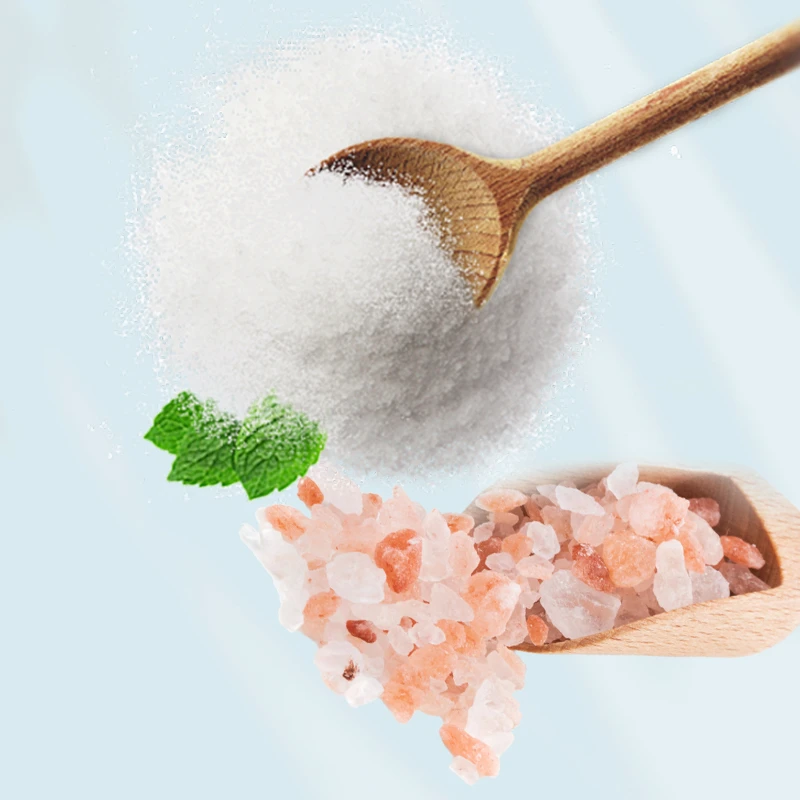
The core appeal of Himalayan pink salt toothpaste lies in its natural composition and therapeutic properties. Harvested from ancient mineral deposits, Himalayan pink salt is rich in trace minerals such as magnesium, calcium, and potassium. When added to a daily brushing routine, these minerals offer unique advantages for overall oral wellness.
Natural Antibacterial and Anti-Inflammatory Action
Salt is a natural osmotic agent, meaning it helps draw excess fluid out of swollen tissues. Using Himalayan pink salt toothpaste regularly can soothe tender gums, reduce localized inflammation, and curb harmful oral bacteria. Salt formulations help balance salivary pH levels in your mouth. This stops acid-producing bacteria from causing plaque buildup and bad breath.
Gentle Surface Stain Removal
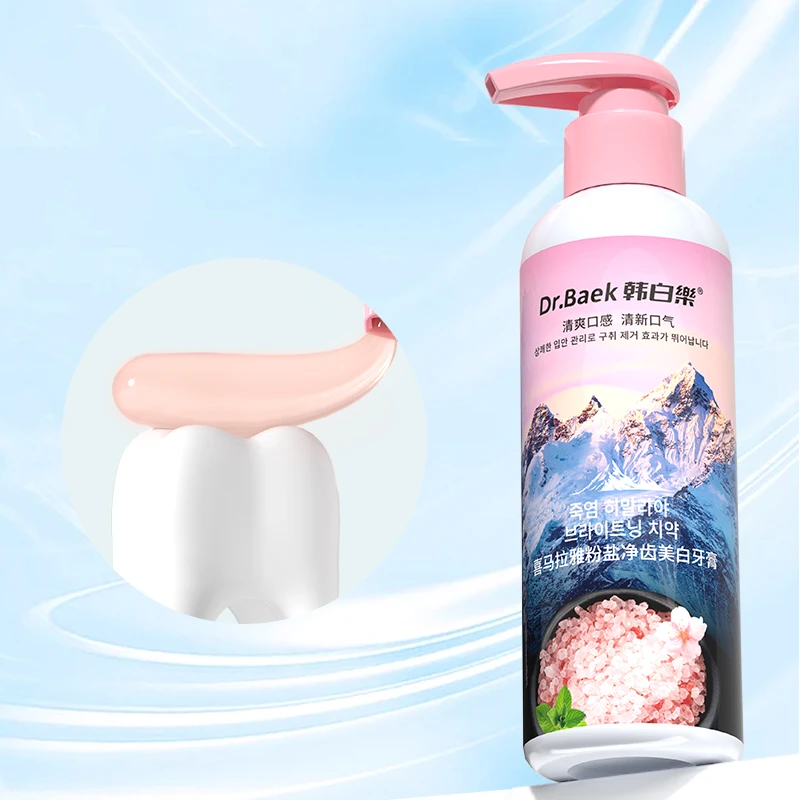
Unlike harsh industrial abrasives, finely milled pink salt acts as a mild polish. It safely removes coffee and tea stains without damaging your natural tooth enamel. Using Mint Pink Salt Toothpaste cleans your teeth naturally while delivering a cool, long-lasting fresh feeling.
Salivary Support and pH Balance
Salt naturally stimulates saliva production. Saliva is your mouth’s natural defense system. It washes away food, neutralizes harmful acids, and keeps teeth coated in protective minerals.
Himalayan Pink Salt Toothpaste vs. Sea Salt Toothpaste: What’s the Difference?
When shopping for mineral-based oral care, shoppers frequently encounter both Himalayan pink salt toothpaste and sea salt toothpaste. While both rely on sodium chloride to deliver antibacterial benefits, their origin and mineral density set them apart.
| Feature | Himalayan Pink Salt Toothpaste | Sea Salt Toothpaste |
| Source | Ancient landlocked seabeds (Himalayan salt mines) | Evaporated modern ocean water |
| Trace Mineral Content | High (contains over 80 trace minerals, including iron oxide) | Variable (depends on processing and ocean source) |
| Flavor Profile | Mild, earthy saltiness with a smooth finish | Sharp, traditional marine salt profile |
| Purity Factor | Free from modern oceanic pollutants | May require refined processing to ensure purity |
Sea salt toothpaste provides good basic cleaning and gum support. However, Himalayan pink salt delivers a much higher density of natural trace minerals. Himalayan salt deposits formed millions of years ago, far away from modern pollution. As a result, this clean and pure salt is an ideal base for natural toothpastes.
Enamel Safety: RDA and Abrasivity Factors
A common concern regarding salt formulations is whether solid mineral crystals can scratch tooth enamel. Tooth enamel is the hardest tissue in your body. However, brushing with harsh ingredients can still wear it down over time.
Relative Dentin Abrasivity (RDA)
Dental safety standards categorize toothpaste abrasivity using the Relative Dentin Abrasivity (RDA) scale. The American Dental Association recommends choosing toothpastes with an RDA score under 250. This upper limit helps prevent tiny scratches on your tooth enamel and exposed dentin.
Commercial Himalayan pink salt toothpaste products do not use coarse cooking salt. Instead, manufacturers utilize ultra-fine, micronized salt particles that dissolve rapidly during brushing. This engineered dissolution ensures that the salt provides effective stain removal while remaining well within safe RDA parameters.
Key Ingredients to Look for in a Himalayan Pink Salt Formulation
To maximize the benefits of your daily routine, ensure your chosen formulation pairs mineral salts with complementary active ingredients:
- Botanical Extracts: Ingredients like peppermint, green tea, or aloe vera soothe soft tissue and elevate freshness.
- Hydrated Silica: Works alongside fine salt crystals to gently lift stubborn surface discoloration.
- Xylitol: A plant-derived sweetener that actively prevents decay-causing bacteria from adhering to tooth surfaces.
- Fluoride or Nano-Hydroxyapatite: Remineralizing agents that strengthen enamel structures while salt maintains a healthy oral biome.
How to Incorporate Salt-Based Toothpaste Into Your Daily Routine
To enjoy the full benefits of Himalayan pink salt toothpaste while protecting your smile, keep these practical tips in mind:
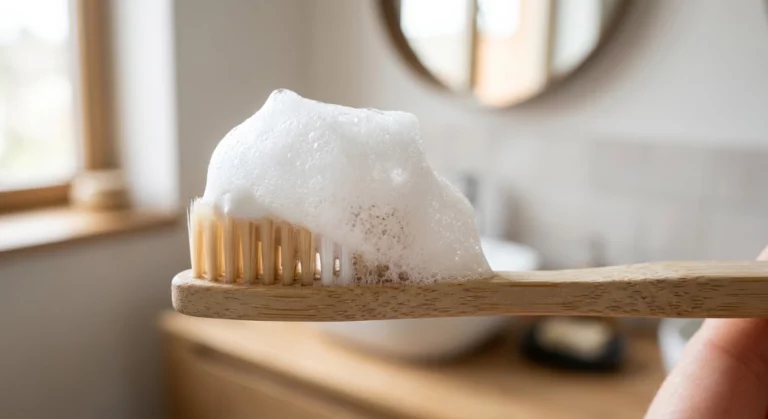
- Use a Soft-Bristled Toothbrush: Always pair mineral toothpastes with a soft or ultra-soft toothbrush. This protects your gums and tooth enamel from unnecessary wear.
- Brush for Two Minutes: Give the active minerals enough time to work while brushing. This helps the natural antibacterial properties cover all tooth surfaces effectively.
- Avoid Aggressive Scrubbing: Let the microscopic salt particles and gentle surfactants do the work—excessive manual pressure is unnecessary.
- Spit, Don’t Rinse Immediately: Wait a few minutes before rinsing to let the natural minerals strengthen your teeth.
A balanced, low-abrasive formula protects your gums while keeping your teeth clean and naturally radiant every day.