Sudden dental discomfort can instantly interrupt your day. Extreme temperatures often trigger sudden, sharp dental sensitivity. Finding fast relief quickly becomes your main priority. Stopping sensitive teeth pain immediately requires identifying your triggers and calming the nerve.
This guide covers effective home remedies and daily care habits. You will learn how to keep sensitive teeth protected and pain-free.

1. Apply Desensitizing Toothpaste for Sensitive Teeth
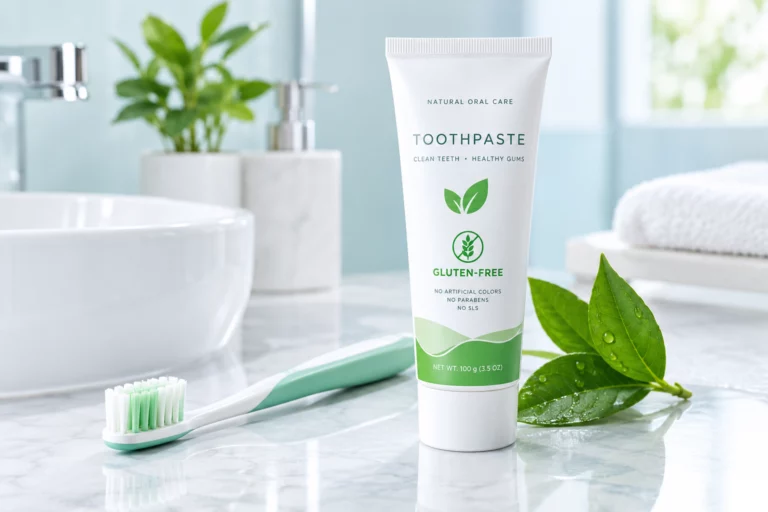
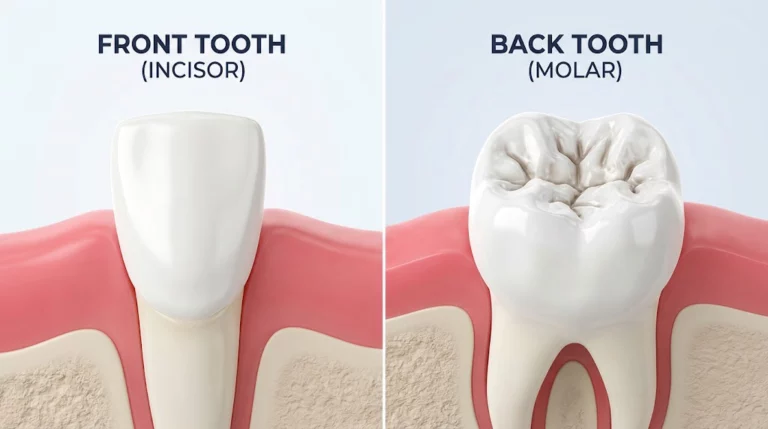
When sudden pain strikes, desensitizing toothpaste offers one of the quickest ways to ease discomfort. These formulas contain potassium nitrate or stannous fluoride. They block the microscopic tubules in dentin that trigger nerve pain.
- Immediate Fix: Dab a pea-sized amount of desensitizing toothpaste directly onto the painful tooth. Use a clean fingertip or cotton swab for application.
- How It Works: Leave the paste on the painful spot for two minutes so active ingredients can soothe the nerve.
2. Switch to an Ultra-Soft Toothbrush for Tooth Sensitivity

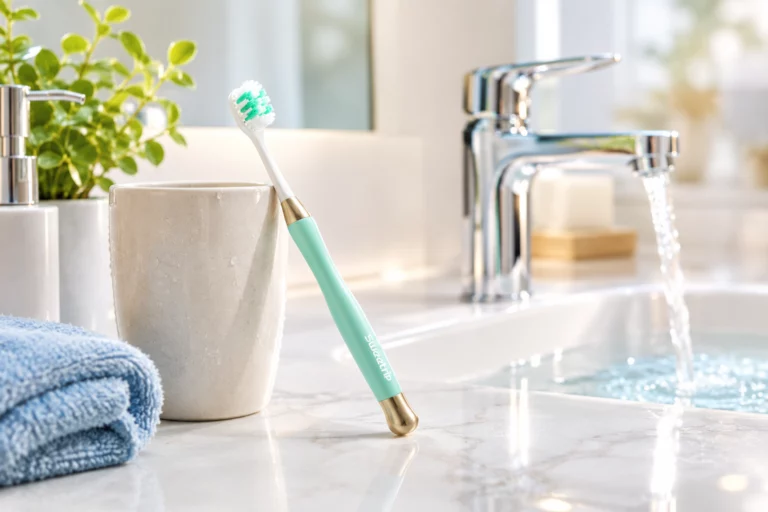
Hard bristles and aggressive scrubbing wear down protective tooth enamel, leaving your dentin exposed. Switching your everyday tools is essential to prevent recurring pain and shield sensitive areas.
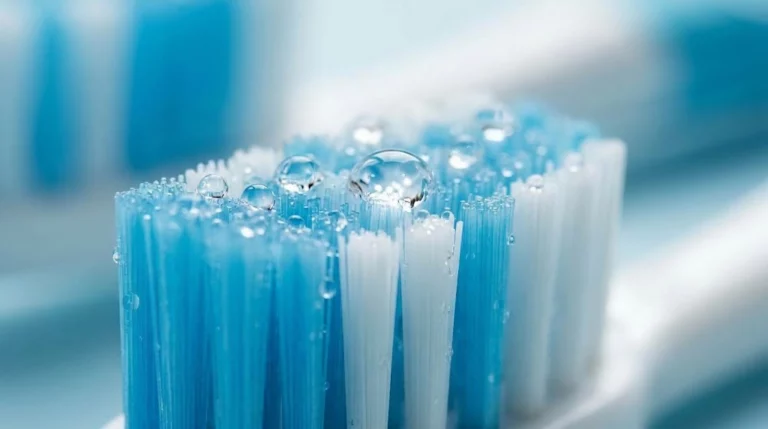
Using an ultra-soft wide-head toothbrush ensures gentle, uniform pressure across your gums and tooth surfaces. High-density soft filaments clean thoroughly without scratching compromised enamel. This gentle action makes them essential for managing sensitive teeth.
3. Rinse with Warm Salt Water to Soothe Sensitive Teeth
A classic salt water rinse acts as a natural disinfectant and helps balance the pH levels inside your mouth. Salt water reduces tissue inflammation and alleviates localized swelling around irritated gums.
- Preparation: Dissolve 1/2 teaspoon of table salt into 8 ounces of warm water.
- Application: Swish the mixture gently around your mouth for 30 seconds before spitting it out. Repeat 2 to 3 times daily during acute painful flare-ups.
Note: Always use warm water rather than hot or freezing cold liquid, as extreme temperatures can intensify nerve sensitivity.
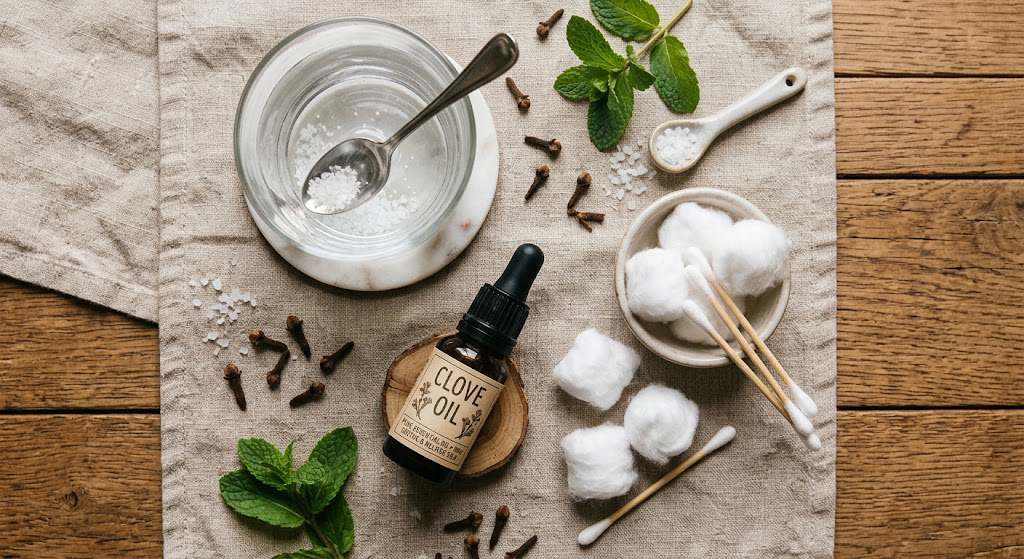
4. Try a Clove Oil Spot Treatment for Sensitive Tooth Pain
Clove oil contains eugenol, a natural compound with anesthetic properties. Dentists have long used it to soothe pain and inflammation.
- Mix two drops of clove oil with a carrier oil like coconut or olive oil.
- Soak a clean cotton pellet in the mixture.
- Place the pellet gently against the painful tooth for 5 to 10 minutes.
Eugenol numbs the surrounding tissue rapidly, providing fast temporary relief while you arrange a permanent dental check-up.
5. Avoid Trigger Foods and Temperature Extremes
To keep pain from worsening, temporarily avoid common dietary triggers while your enamel recovers. The most frequent culprits include:
- Acidic Foods & Drinks: Citrus fruits, tomatoes, carbonated sodas, and vinegars weaken enamel surfaces.
- Temperature Extremes: Ice creams, hot soups, and iced coffee trigger immediate pulp contraction or expansion.
- Sugary Treats: High sugar content feeds oral bacteria, creating acidic byproducts that irritate exposed dentin.
Rinsing your mouth with plain water after consuming acidic items helps neutralize pH levels instantly.
6. Wear a Mouthguard if You Grind Your Teeth
Nighttime teeth grinding (bruxism) flattens protective enamel layers and creates micro-cracks over time, causing heightened pain. Nighttime teeth grinding can cause severe tooth pain and jaw soreness. Wearing a nightguard cushions your bite and protects your enamel.
7. When Sensitive Teeth Require a Dentist Visit
While home remedies provide rapid comfort, lingering pain often signals underlying issues like cavities, worn fillings, or gum recession. For authoritative dental health guidelines, clinical recommendations, and patient care resources, visit the American Dental Association.
Consult a dental professional immediately if you experience:
- Pain lasting more than three consecutive days.
- Severe, throbbing tooth pain disrupts your normal sleep.
- Visible swelling in your gums or face.
- Sensitivity confined to a single specific tooth.
Long-Term Strategies for Prevention
Relieving acute discomfort is only the first step. Preventing future sensitivity requires consistent, gentle daily hygiene:
- Brush Gently: Hold your brush at a 45-degree angle using light, circular motions rather than harsh horizontal strokes.
- Wait Before Brushing: After consuming acidic foods, wait 30 minutes before brushing to let enamel remineralize.
- Stay Hydrated: Drinking plenty of water maintains healthy saliva flow, which naturally neutralizes damaging mouth acids.
Conclusion
Knowing how to stop sensitive teeth pain immediately empowers you to tackle sudden discomfort with confidence. Combine fast-acting topical treatments with gentle daily oral care. This approach quickly relieves discomfort and protects your smile long-term.