The electric toothbrush market has evolved from a niche segment into a rapidly growing category with significant potential. Understanding consumer demand, e-commerce growth, and innovation trends is vital for B2B oral-care distributors and retailers. With rising global awareness of oral hygiene and growing disposable incomes, the market is forecast to accelerate in 2025. This article explores key insights, opportunities, and strategies to help retailers capture a share of this fast-evolving sector.
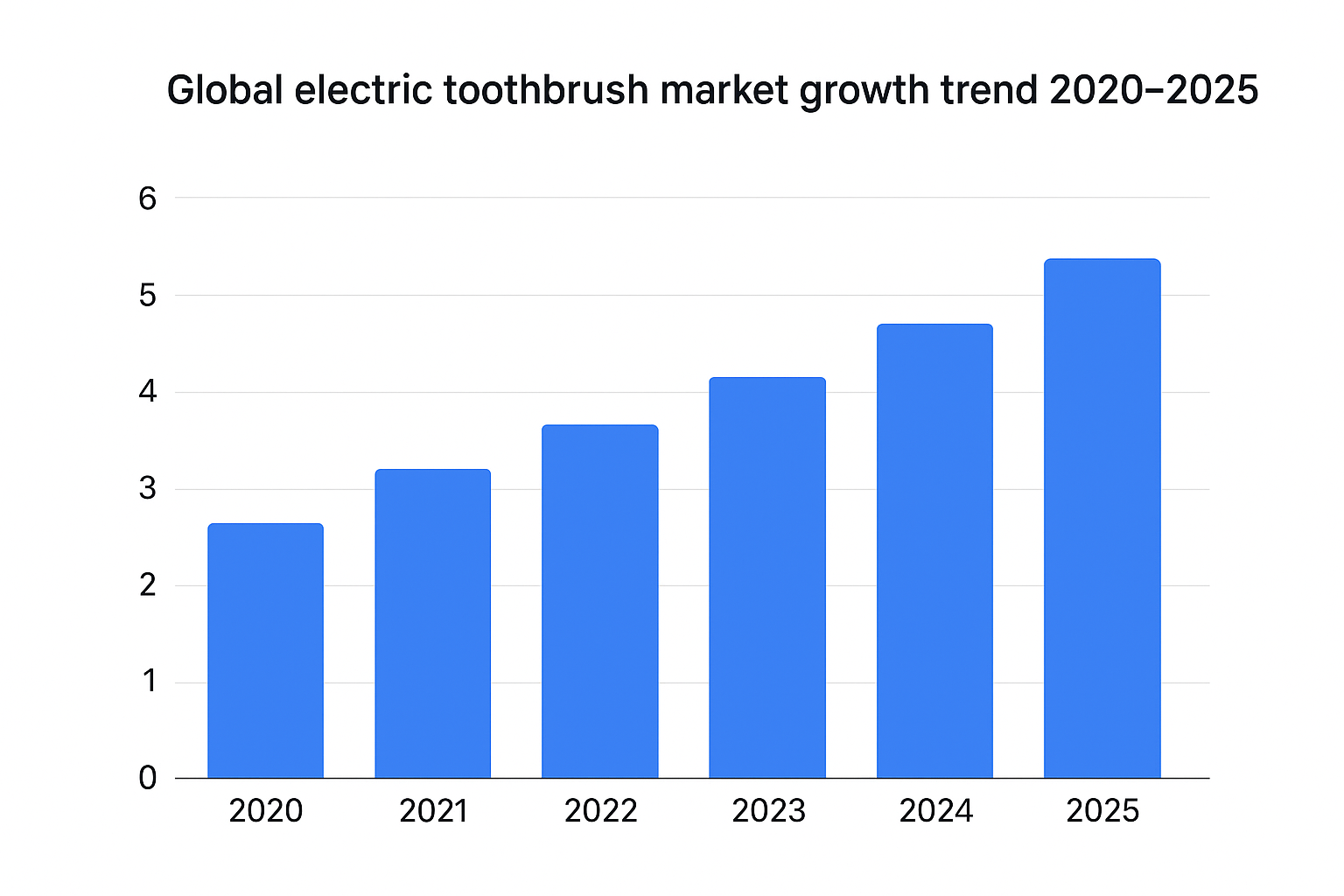
Global Growth of the Electric Toothbrush Market
Market research indicates that the electric toothbrush market will exceed USD 5.5 billion by 2025, with a CAGR of over 6%. Demand is fueled by:
- Increased oral-care awareness: Campaigns by American Dental Association have boosted awareness about plaque removal and gum health.
- Technological innovation: Sonic and oscillating models with AI brushing feedback are appealing to tech-savvy consumers.
- E-commerce expansion: Platforms like Statista show global e-commerce users surpassing 2.6 billion, supporting oral-care cross-border growth.
In emerging markets like Southeast Asia, middle-class incomes are rising. This growth is encouraging consumers to switch from manual to electric toothbrushes. Meanwhile, in North America and Europe, replacement brush head sales remain a strong recurring revenue driver.
Electric Toothbrush Market and Consumer Preferences
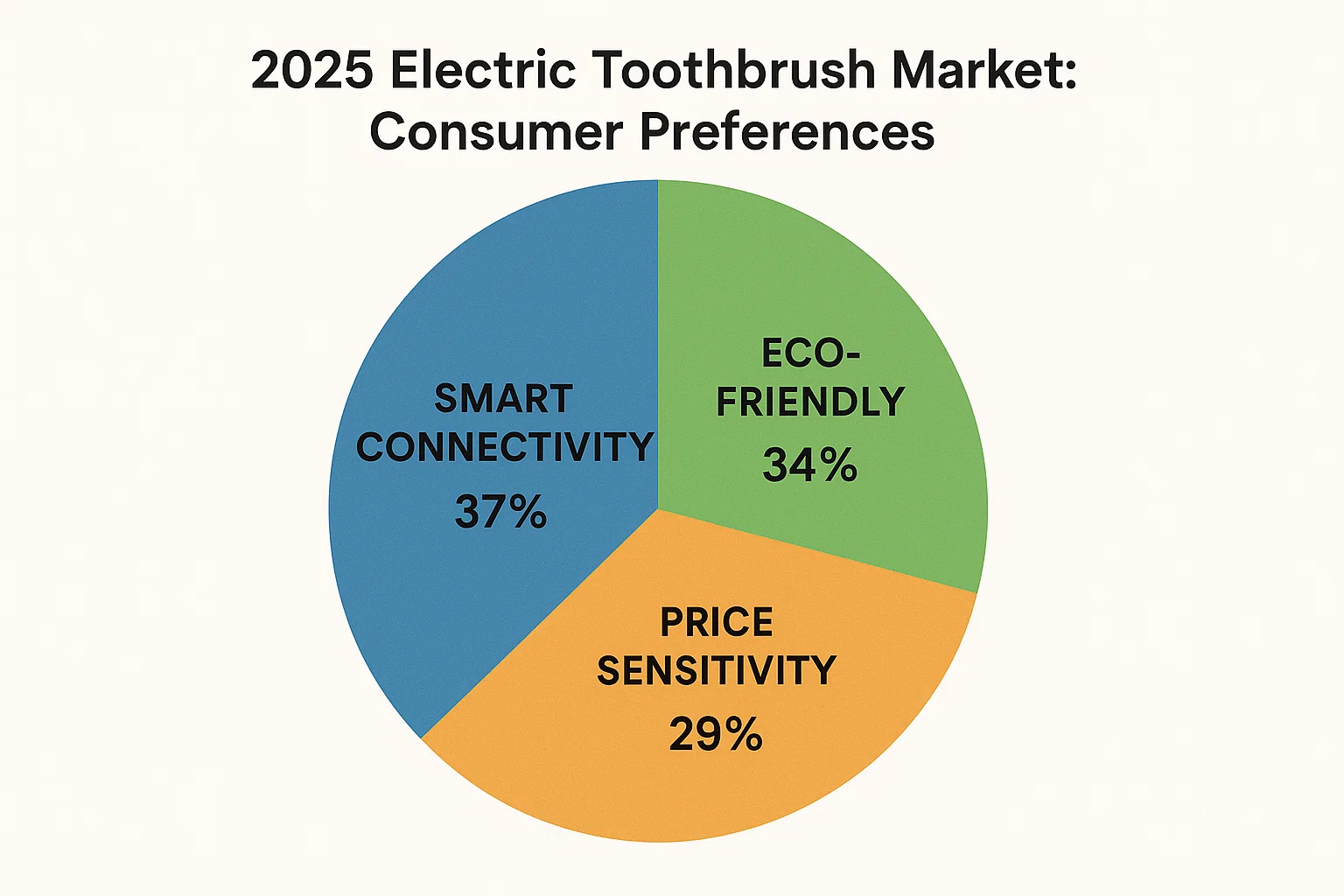
Consumer behavior in 2025 shows three notable trends:
- Smart connectivity is on the rise. Bluetooth-enabled toothbrushes now connect with health apps, making oral care part of the broader wellness ecosystem.
- Eco-friendly demand – Biodegradable packaging and rechargeable batteries are increasingly considered essential. Retailers who source from manufacturers offering sustainable production practices gain a competitive edge.
- Western markets are dominated by premium brands. Meanwhile, affordable private-label products are thriving on Lazada and Shopee in Asia.”
Retailers who align their assortments with these preferences are better positioned to capture diverse consumer groups.
Opportunities for Retailers in the Electric Toothbrush Market
The electric toothbrush market presents several high-value opportunities:
- Private Label Expansion
Retailers can partner with OEM/ODM suppliers to launch private-label electric toothbrushes. This strategy enables differentiation while maintaining competitive price points. Learn more about OEM electric toothbrush solutions here. - Subscription Models
By offering auto-replacement plans for brush heads, retailers create a recurring revenue stream while improving customer loyalty. - E-commerce Synergy
DTC (direct-to-consumer) channels are growing rapidly. Retailers can increase their visibility by using SEO, online marketplaces, and targeted advertising. Linking digital strategies with offline presence ensures stronger consumer engagement. - Targeting Niche Segments
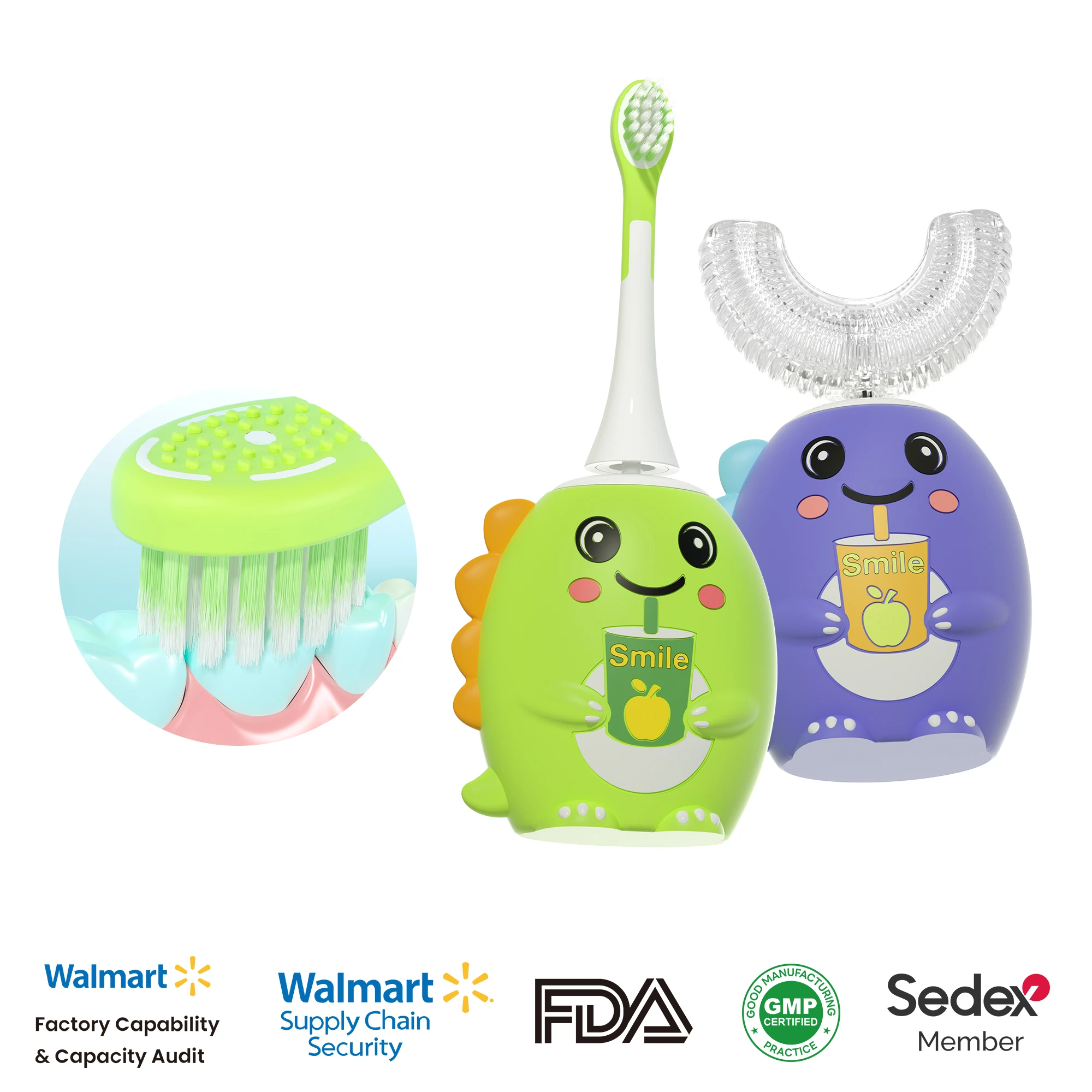
Examples include toothbrushes for kids, orthodontic users, or sensitive-teeth consumers. These sub-categories demonstrate faster growth rates compared to generic products.
Market Insights from E-Commerce Data
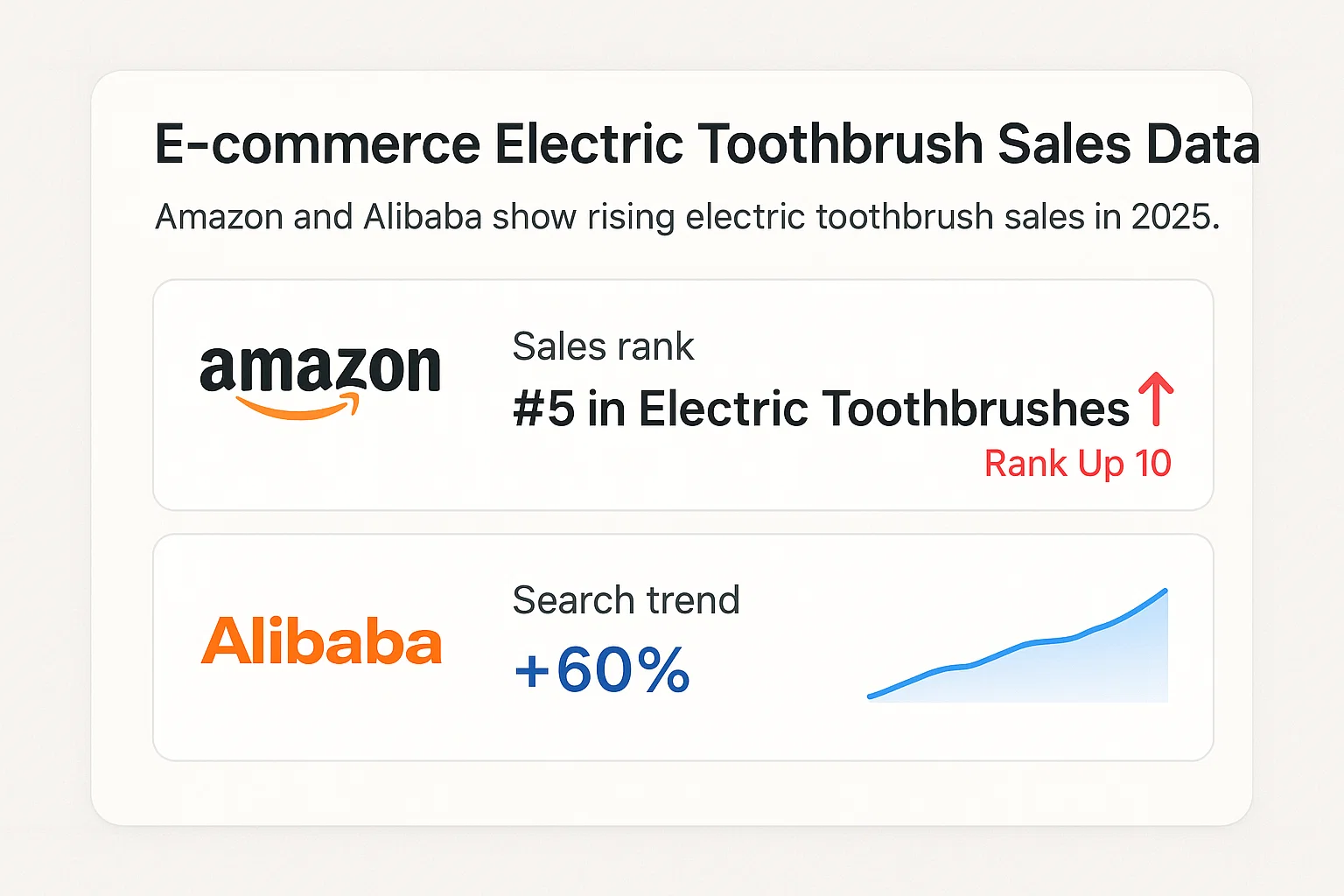
E-commerce sales data highlights clear patterns for 2025:
- Amazon U.S. ranks sonic toothbrushes among the top 5 oral-care products.
- On Alibaba, B2B inquiries for rechargeable toothbrushes increased by over 30% in 2024, reflecting growing international demand.
- Southeast Asian platforms such as Tokopedia and Shopee show higher search volumes for eco-friendly oral-care products. This trend indicates a shift in consumer values.
Retailers who monitor such data gain the advantage of anticipating demand and optimizing product listings accordingly.
Challenges in the Electric Toothbrush Market
While growth is promising, retailers must be prepared for several challenges:
- Price competition from both multinational brands and low-cost local manufacturers.
- Supply-chain risks, particularly for electronic components.
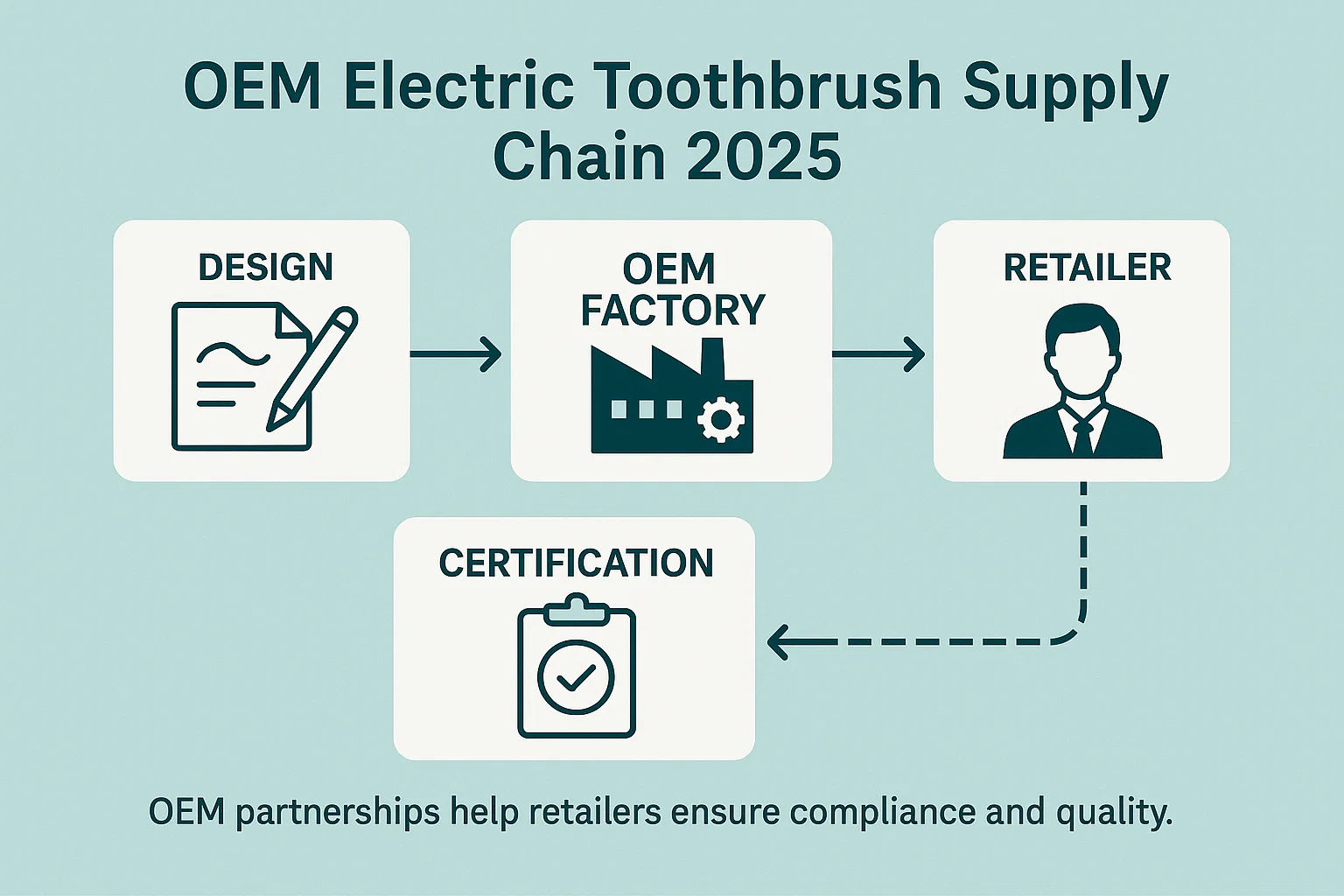
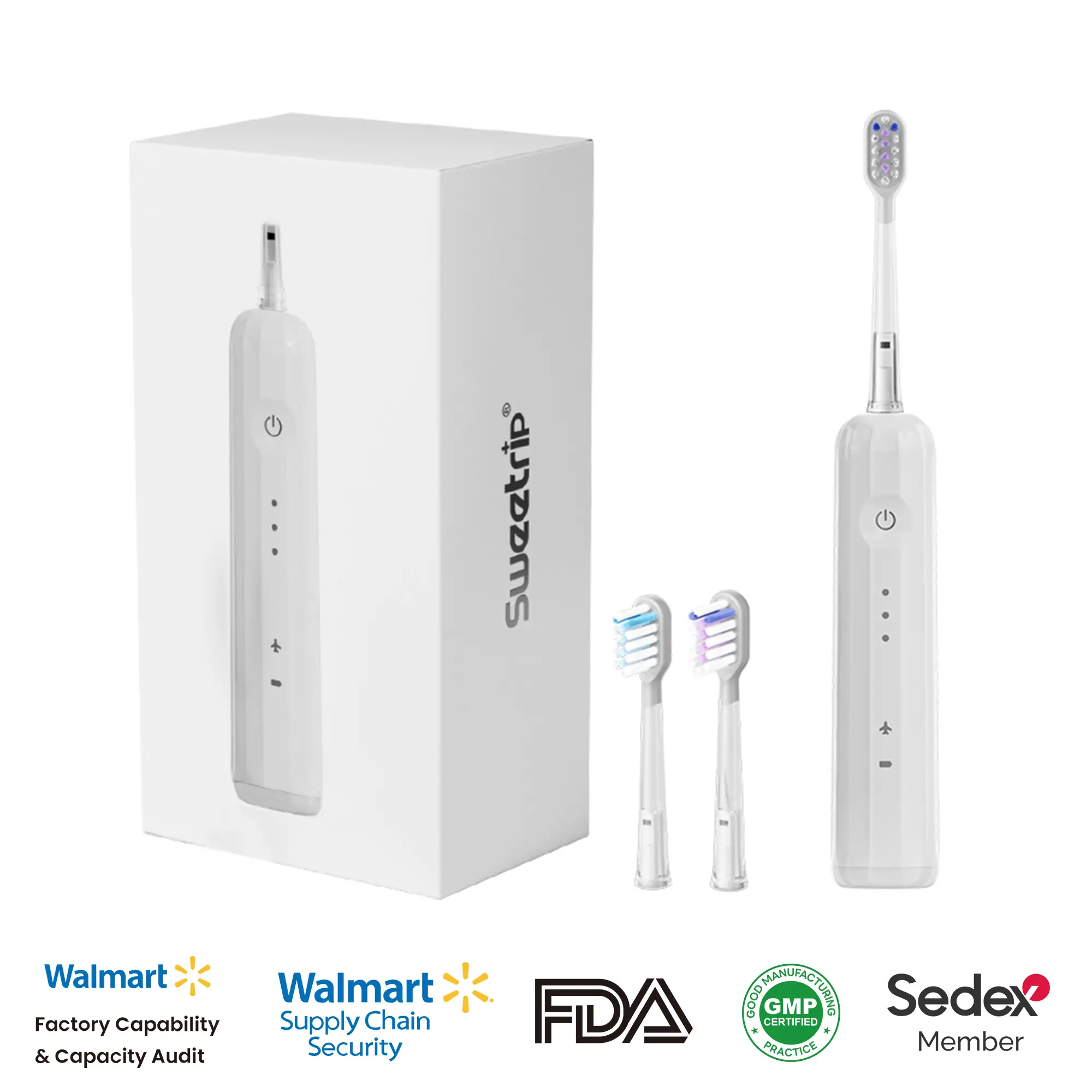
- Compliance requirements, such as CE, FDA, or ISO certifications, which are critical for market entry in regulated regions.
Working with a reliable supplier who offers compliance support can help mitigate these risks. For example, OralGos OEM services provide end-to-end manufacturing and certification solutions for global clients.
Strategic Takeaways for Retailers
- Focus on private label development to increase margins.
- Utilize e-commerce analytics to guide inventory decisions.
- Embrace sustainability as a long-term brand differentiator.
- Ensure compliance with international safety standards to expand into regulated markets.
The electric toothbrush market in 2025 is more than a simple product category. It reflects the convergence of health, technology, and consumer lifestyle trends. Retailers who act now can position themselves at the forefront of this growth trajectory.
Conclusion
As the electric toothbrush market continues its upward trajectory in 2025, retailers and distributors face both opportunities and challenges. With consumer demand evolving toward smart, eco-friendly, and affordable solutions, the winning strategy involves combining data-driven decisions with innovative product offerings. Retailers can achieve sustainable growth by leveraging OEM partnerships and adopting subscription models. Strengthening e-commerce strategies further enhances success in this competitive yet lucrative market.