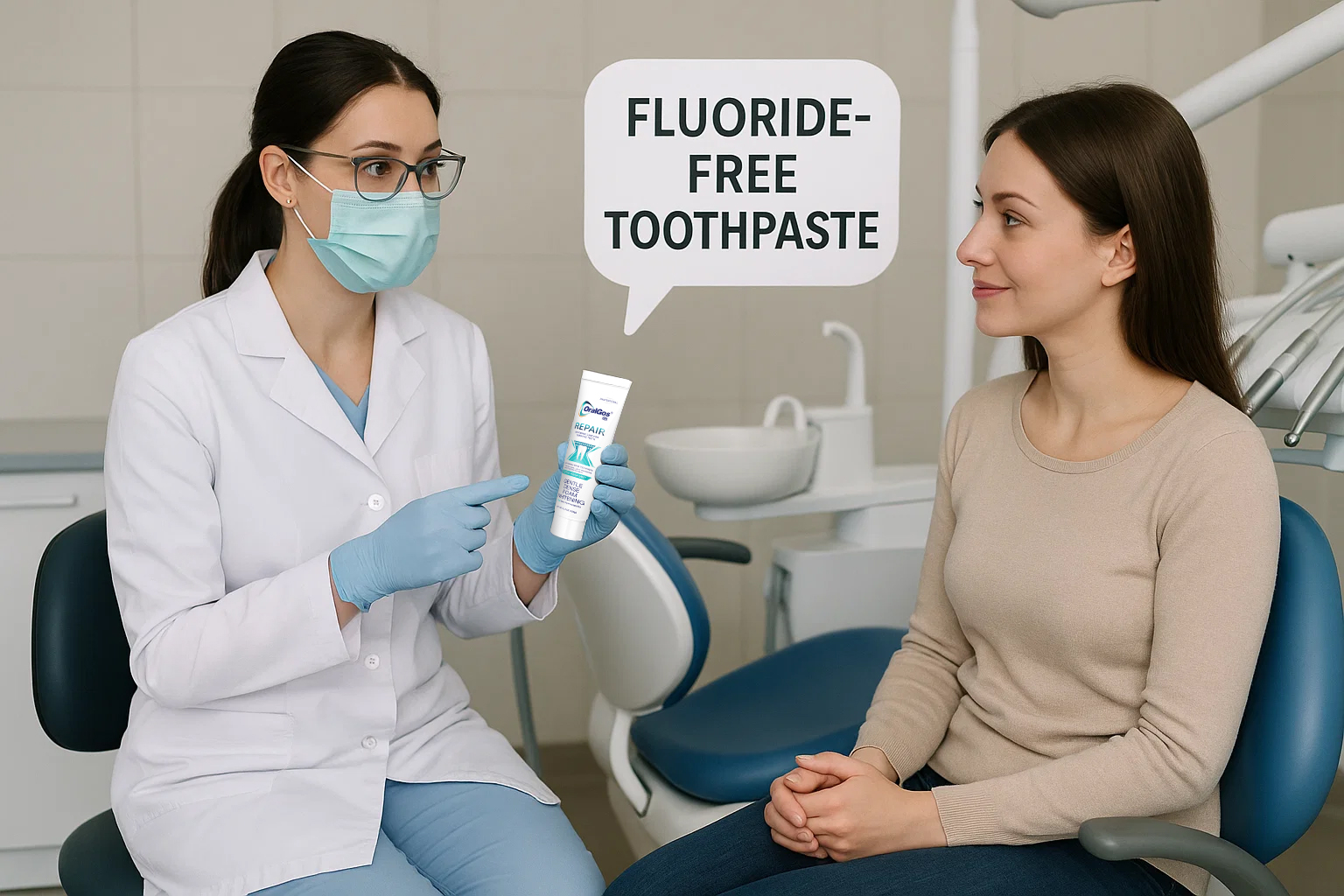
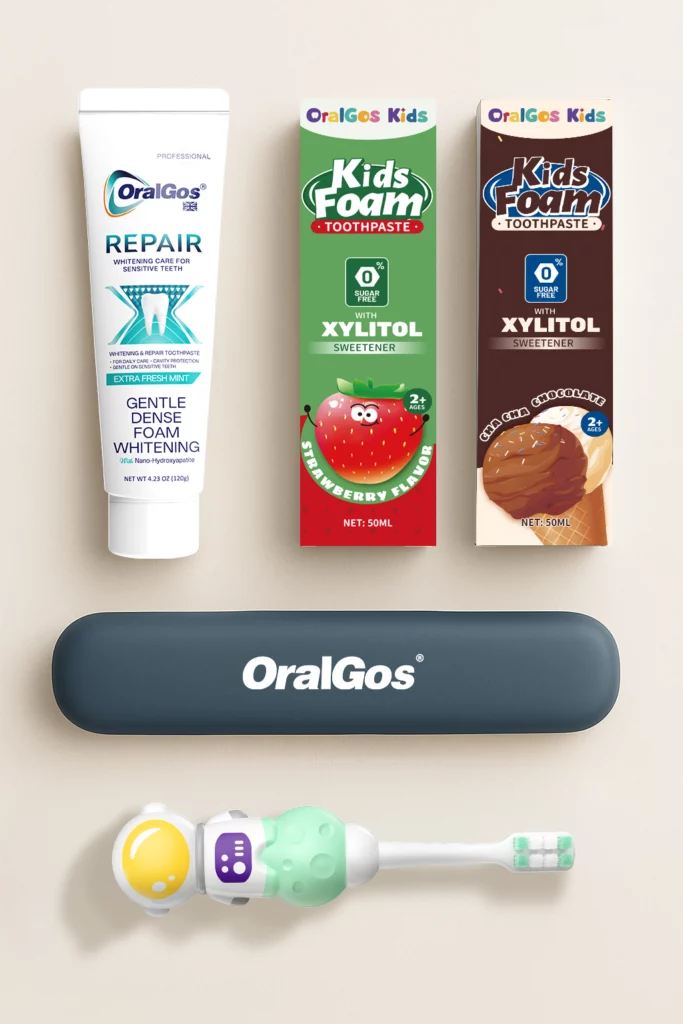
When it comes to choosing the right oral care products, one of the most common questions is: Is fluoride free toothpaste good? For decades, fluoride has been praised as the gold standard in cavity prevention, but in recent years, many people have started exploring alternatives. This article will help you understand the benefits, risks, and whether fluoride free toothpaste is right for you.
What Is Fluoride Free Toothpaste?
Fluoride free toothpaste is simply toothpaste that does not contain fluoride, the mineral widely used to strengthen enamel and fight cavities. Instead, these formulas rely on other natural or scientific ingredients such as xylitol, calcium carbonate, or herbal extracts. Some consumers prefer fluoride-free options due to health concerns, allergies, or a desire to use natural oral care products.
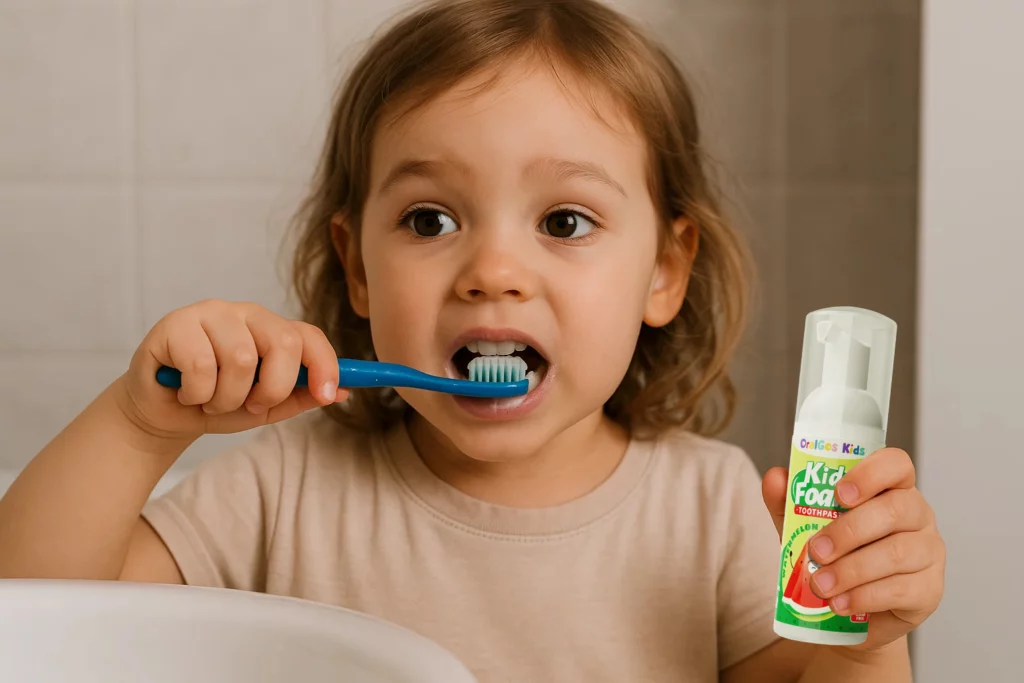
Parents are also increasingly interested in toothpaste without fluoride for young children, especially if they are worried about kids swallowing toothpaste during brushing. This makes fluoride free toothpaste an appealing choice for families seeking a gentler approach.
Benefits of Using Fluoride Free Toothpaste
- Safe for Kids Who May Swallow Toothpaste
Children under six often swallow toothpaste rather than spitting it out. Fluoride in excessive amounts may cause dental fluorosis. A fluoride free toothpaste can be a safer option for toddlers who are still learning proper brushing habits. - Natural Ingredients for Sensitive Users
Many non-fluoride toothpaste formulas emphasize plant-based or mineral-based ingredients. For people with sensitivities, allergies, or lifestyle preferences (vegan, organic), fluoride free toothpaste can feel more aligned with personal health goals. - Good for Areas with Fluoridated Water
In regions where drinking water already contains fluoride, some people prefer to avoid additional exposure through toothpaste. Using toothpaste without fluoride can help balance overall intake while still maintaining oral hygiene.
Risks and Limitations of Fluoride Free Toothpaste
While there are advantages, it’s also important to be realistic about the limitations of fluoride free toothpaste.
- Not Recommended for High-Risk Patients
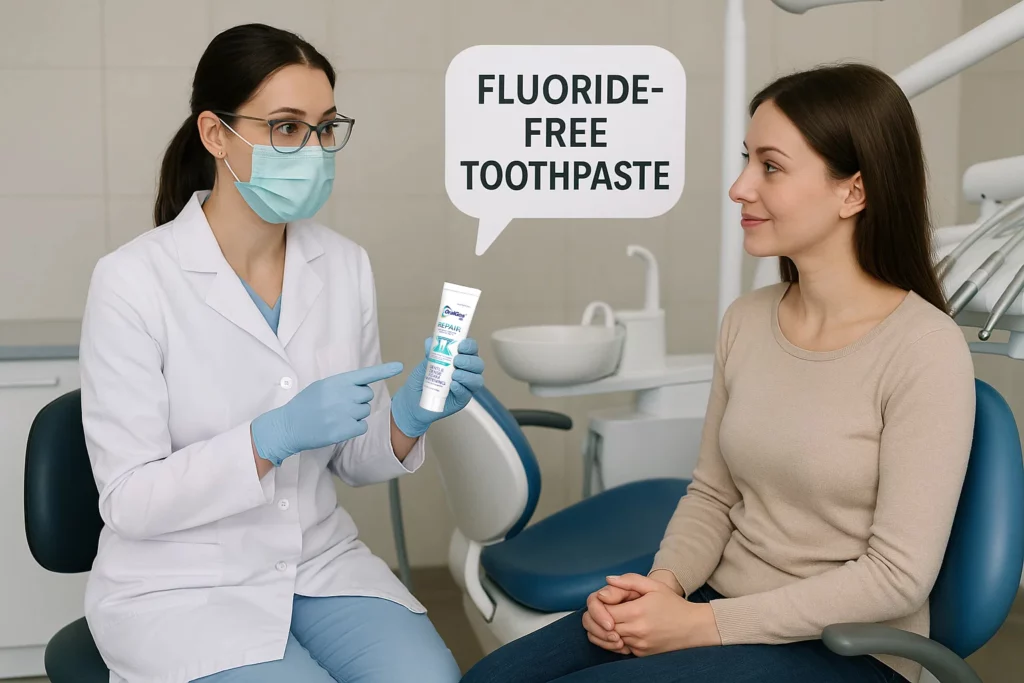
Dentists generally advise patients with a history of cavities, gum disease, or enamel erosion to continue using fluoride-based products. The NHS oral health guide also recommends fluoride toothpaste as the safest way to prevent decay. - Less Effective Against Cavities
According to the American Dental Association, fluoride is proven to strengthen enamel and protect teeth against decay. Toothpaste without fluoride may not provide the same level of cavity protection, especially for people with a high sugar diet or weak enamel. - May Require Extra Oral Care Steps
If you use fluoride free toothpaste, you might need to add other protective measures, such as mouthwash, regular flossing, and more frequent dental checkups.
Who Should Consider Fluoride Free Toothpaste?
Fluoride free toothpaste can be a good fit for:
- Parents who want a safe toothpaste for very young children.
- Adults looking for natural or herbal oral care solutions.
- Individuals in areas with naturally high fluoride levels in water.
- People who prefer a gentle option for daily brushing.
However, if you are prone to cavities or have a history of dental problems, your dentist may still recommend sticking with fluoride-based toothpaste for maximum protection.
Comparison Table: Fluoride vs. Fluoride Free Toothpaste
| Feature | Fluoride Toothpaste | Fluoride Free Toothpaste |
|---|---|---|
| Cavity Protection | Strong protection backed by decades of scientific research | Mild to moderate protection depending on ingredients such as hydroxyapatite or xylitol |
| Target Users | Adults, children (with supervision), high-risk cavity groups | Toddlers, consumers avoiding fluoride, eco-conscious or natural lifestyle users |
| Key Ingredients | Sodium fluoride, stannous fluoride, or other fluoride compounds | Hydroxyapatite, xylitol, charcoal, herbal extracts, natural flavors |
| Market Trend | Long-standing standard in mainstream oral care, recommended by most dental clinics | Fast-growing demand in organic, vegan, and natural product segments worldwide |
| Safety Concerns | Risk of fluorosis in very young children if swallowed in excess | Considered safer for toddlers and those with fluoride sensitivities |
The Balanced Approach
So, is fluoride free toothpaste good? The answer depends on your personal needs. For people with strong teeth, good diet, and regular dental care, non-fluoride toothpaste may be perfectly fine. But for those at higher risk of cavities, fluoride remains an essential part of oral health.
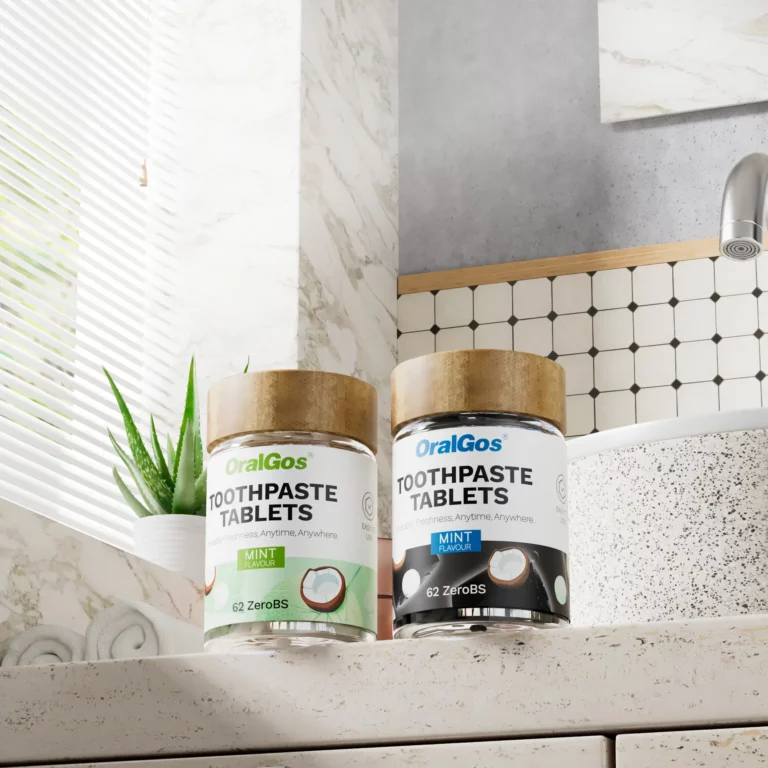
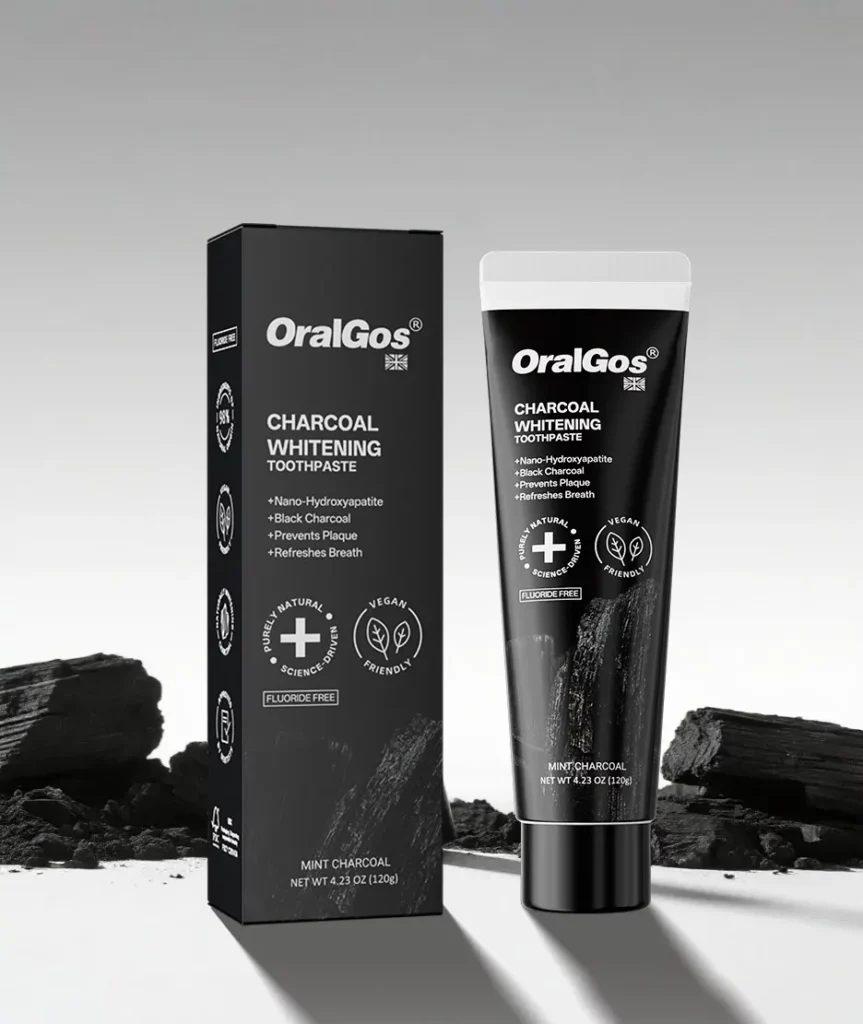
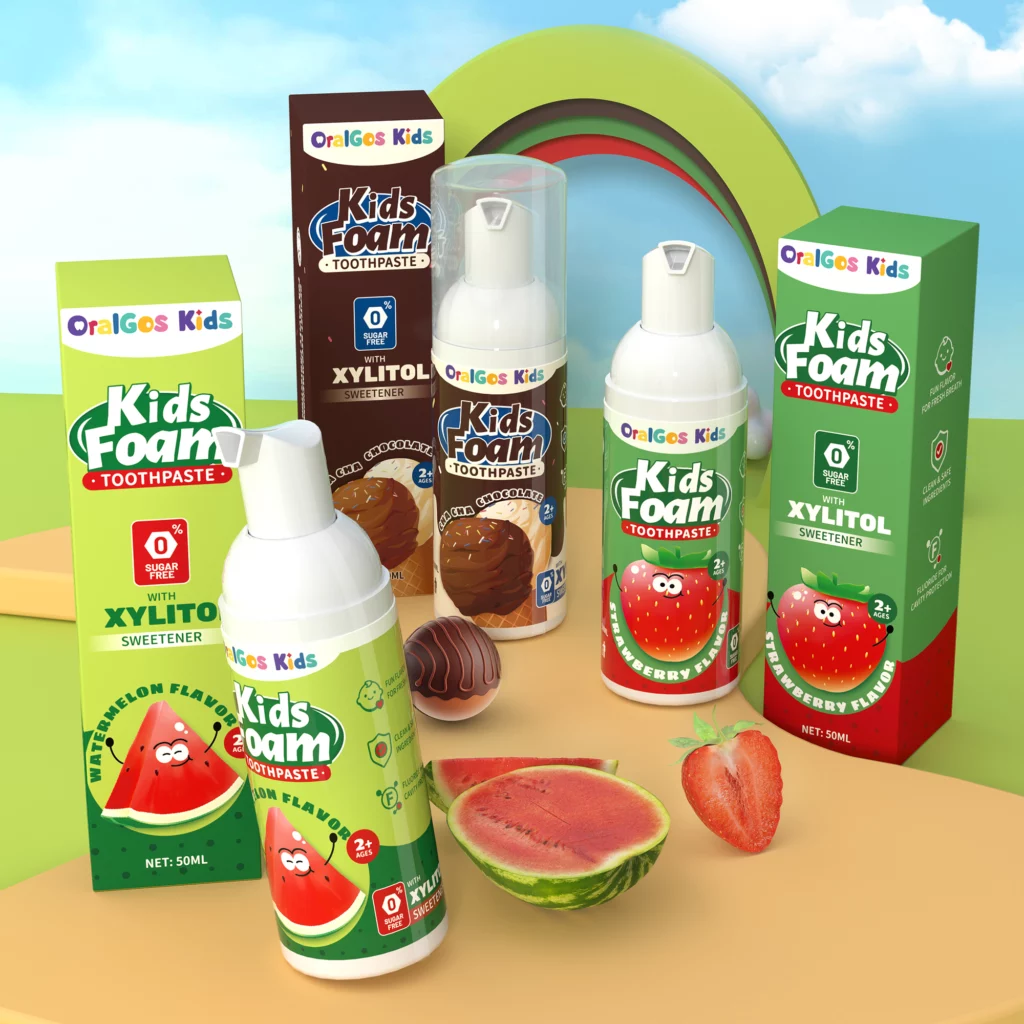
At Oralgos, we understand that consumers want safe and effective choices. That’s why our natural toothpaste collection includes both fluoride and fluoride free options, giving you the flexibility to choose what suits your lifestyle.



Conclusion
Fluoride free toothpaste is neither “good” nor “bad” by itself — it depends on your health, age, and environment. It can be a safe, natural choice for kids, families, and adults who prefer fluoride alternatives. However, if cavity prevention is your main concern, fluoride toothpaste still offers the best protection supported by decades of research.
Ultimately, the best toothpaste is the one that fits your needs while keeping your teeth strong and healthy. Before making a switch, consider consulting your dentist to find the most suitable solution.