Parents often ask: When is the right time for my child to switch from a manual brush to an electric toothbrush? Good oral care habits start early, and the choice of toothbrush plays a major role. Thanks to kid-friendly designs, electric toothbrushes today aren’t just for adults. They’re safe to use, work well, and keep brushing fun.
This guide will walk you through the recommended ages, safety tips, and best product choices to help your child brush better with confidence.
Why Age Matters for Kids’ Oral Care
Children’s teeth and gums are more delicate than those of adults. While brushing twice daily is essential, the tool they use must be age-appropriate.
The American Dental Association notes that electric toothbrushes can remove more plaque. However, parents should watch younger children to avoid over-brushing or gum irritation.
So, when can a child begin? Let’s break it down step by step.
When Can Kids Use an Electric Toothbrush? (Key Age Guidelines)
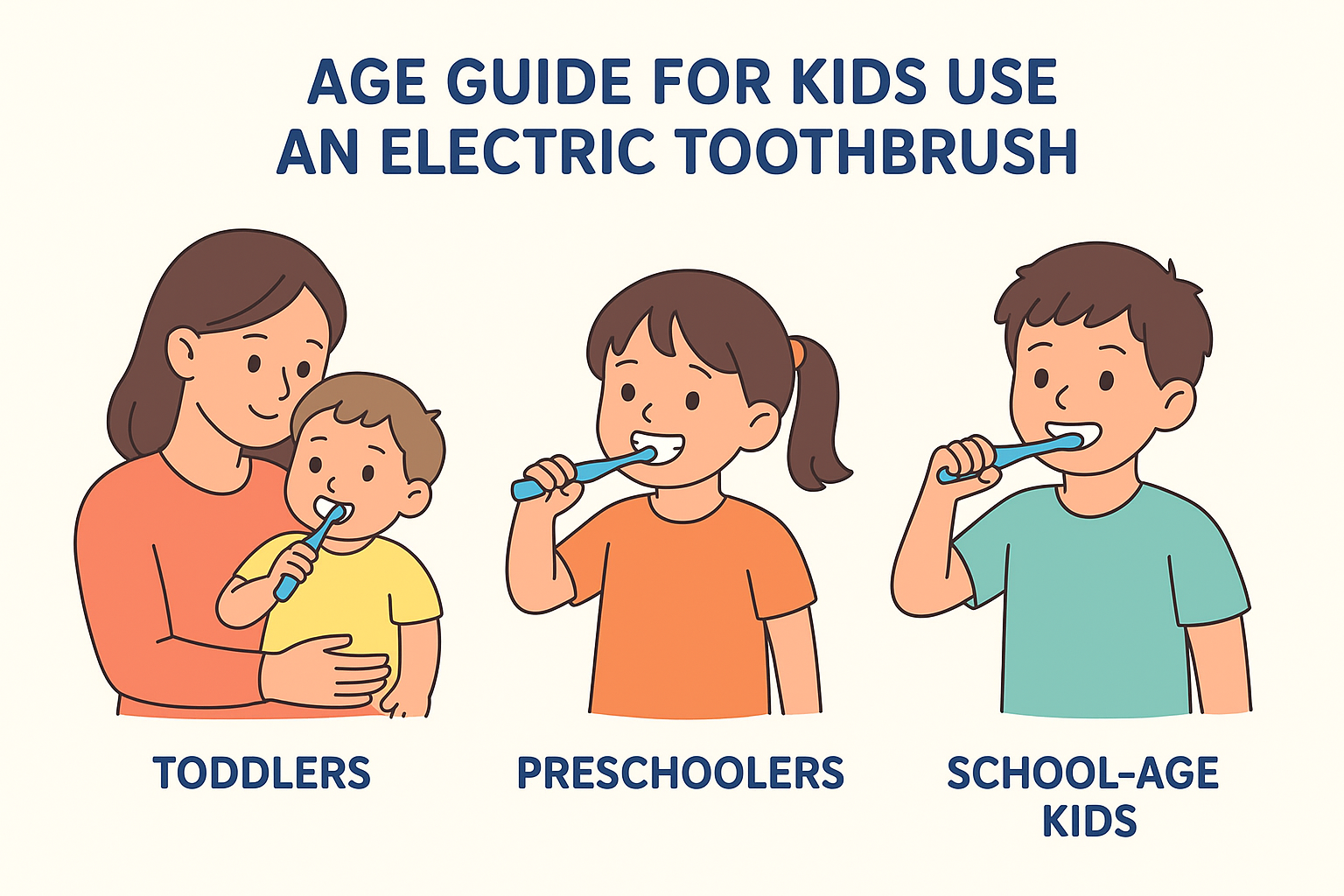
Toddlers (Ages 1–3)
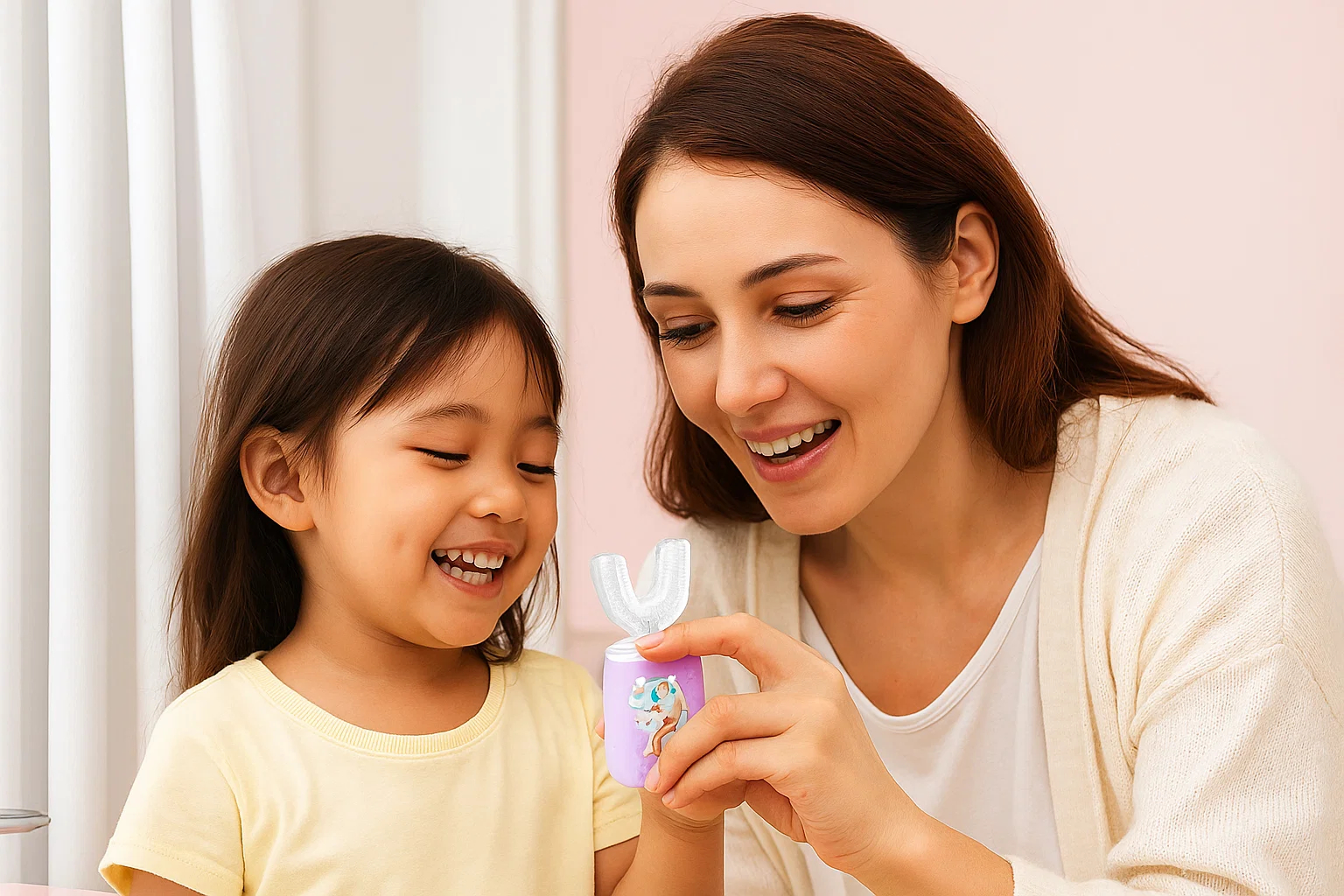
At this stage, brushing is about habit-building. Most dentists recommend starting with a soft-bristled manual brush. However, you can introduce a specially designed baby or toddler electric toothbrush under strict parental supervision.
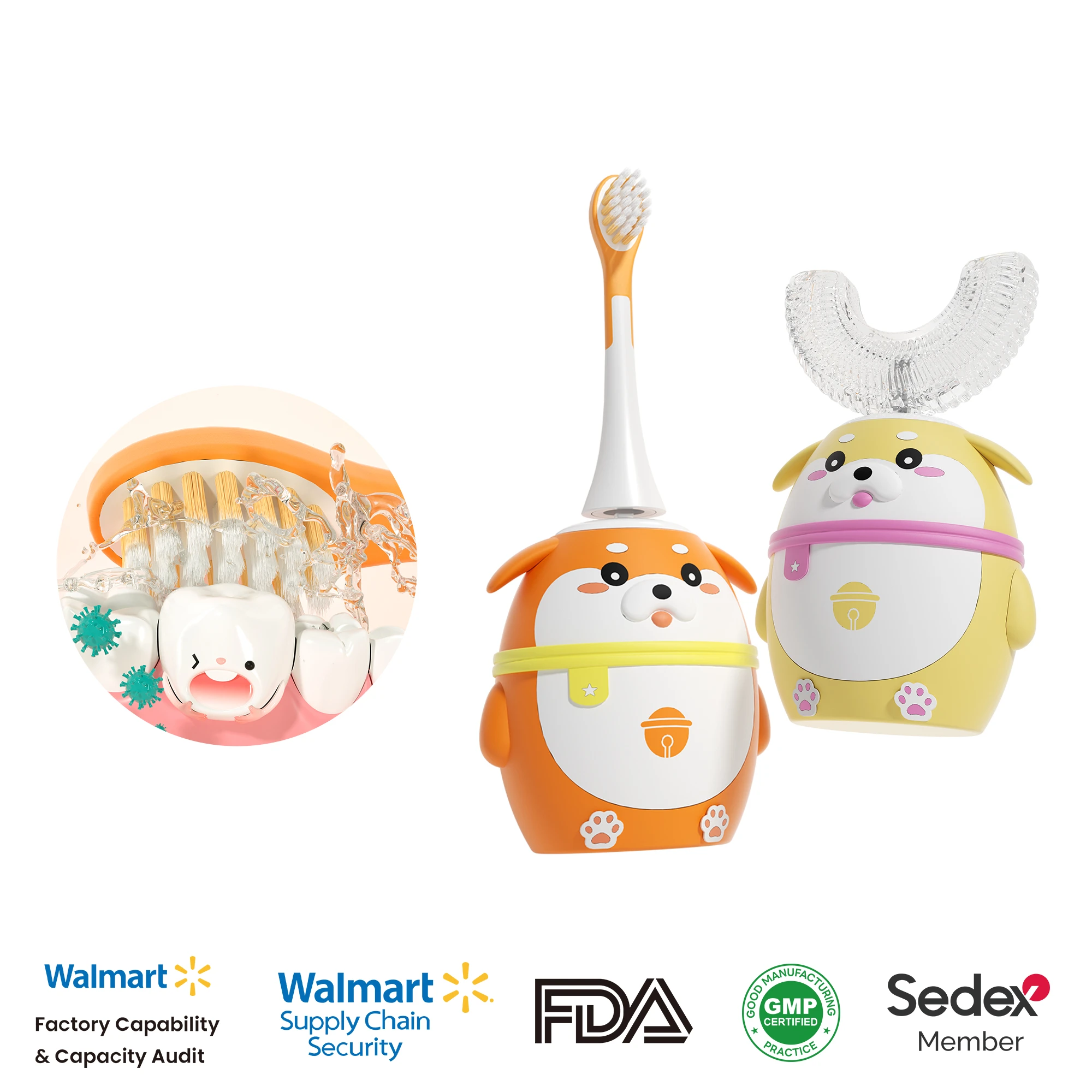
For example, OralGos offers a U-Shaped Silicone Electric Toothbrush for Kids. It features a gentle, bite-and-brush design. This helps toddlers enjoy brushing without the need for advanced motor skills.

Preschoolers (Ages 3–6)
This is the ideal time to introduce an electric toothbrush more consistently. At this age, kids are learning how to control their movements, so they still need help to brush well.
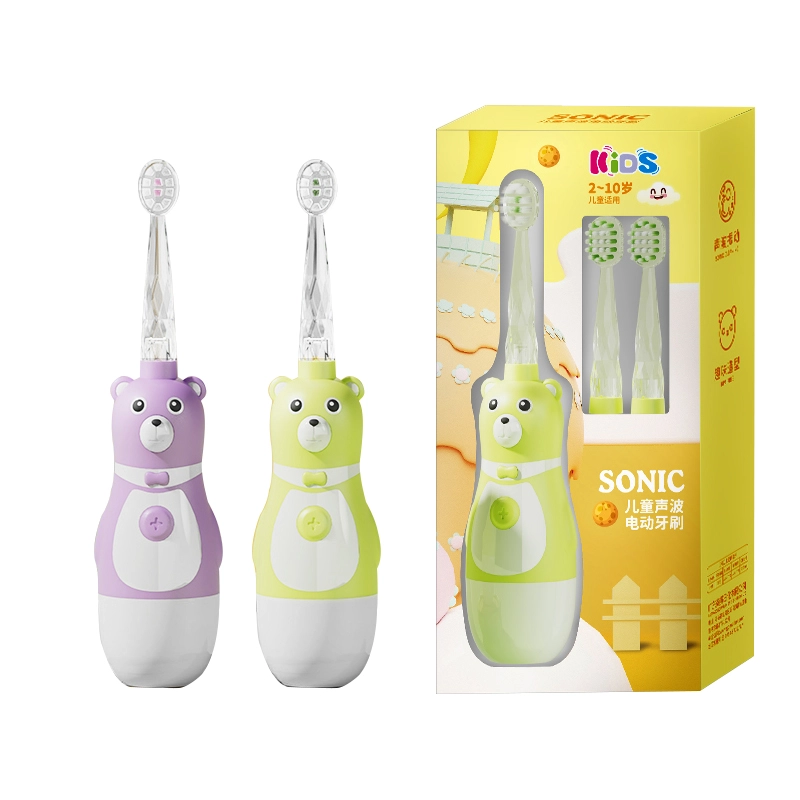
Light-up models like the Battery-Powered Kids’ Electric Toothbrush with LED make brushing fun and engaging. They also help parents monitor brushing time.
School-Age Kids (Ages 6–12)
By now, children can usually brush on their own, but parents should still supervise. A compact, child-safe electric toothbrush helps ensure they reach all tooth surfaces and maintain consistent routines.
The OralGos DB212 Kids’ Electric Toothbrush is a great choice. It has a small brush head and gentle oscillations that fit developing teeth.
Key Benefits of Using an Electric Toothbrush for Kids
- Better Plaque Removal: Studies show that electric brushes remove more plaque than manual ones, even in children.
- Built-In Timers: Many models include a 2-minute timer, helping kids meet dentist-recommended brushing times.
- Gentle Yet Effective: Manufacturers design kid-friendly electric toothbrushes to use soft vibrations, keeping gums and enamel safe.
- Engagement: Fun features like lights or music keep kids interested, turning brushing into a game rather than a chore.
Safety Tips Parents Should Know
Using an electric toothbrush for kids is safe if you follow a few guidelines:
- Always supervise children under 6.
- Choose age-appropriate designs (soft bristles, small heads, safe oscillations).
- Teach gentle pressure. Pressing too hard may damage enamel or gums.
- Replace brush heads every 3 months or sooner if worn.
- Encourage brushing twice daily. Morning and bedtime are non-negotiable.
Choosing the Right Electric Toothbrush
Not all electric toothbrushes are created equal. When shopping for your child, consider:
- Size of the brush head (small enough for tiny mouths).
- Handle design (easy to grip with little hands).
- Power source (rechargeable vs. battery-powered).
- Added features (lights, timers, music for motivation).
For a full range, check the OralGos Kids’ Electric Toothbrush Collection, which covers toddlers through pre-teens.
Common Mistakes Parents Make
Even with the right electric toothbrush, some habits can reduce effectiveness:
- Letting kids brush unsupervised too early.
- Forgetting to replace brush heads on time.
- Choosing adult models that are too harsh for children.
- Skipping flossing—yes, kids need it too once teeth touch.
When you help your child avoid these mistakes, they get the best results from brushing.
Final Thoughts: Making Brushing a Lifelong Habit
So, when can kids use an electric toothbrush? The answer depends on age and readiness.
Toddlers can begin with parent-assisted models. Preschoolers can move on to simple electric brushes. By school age, most kids can brush with more independence.
The secret is simple: watch over your child, choose a brush that fits them, and turn brushing into a fun habit. When you give your child a kid-friendly electric toothbrush at the right age, they learn strong habits. These habits can last a lifetime.