Introduction: Why Sensitive Toothpaste Matters
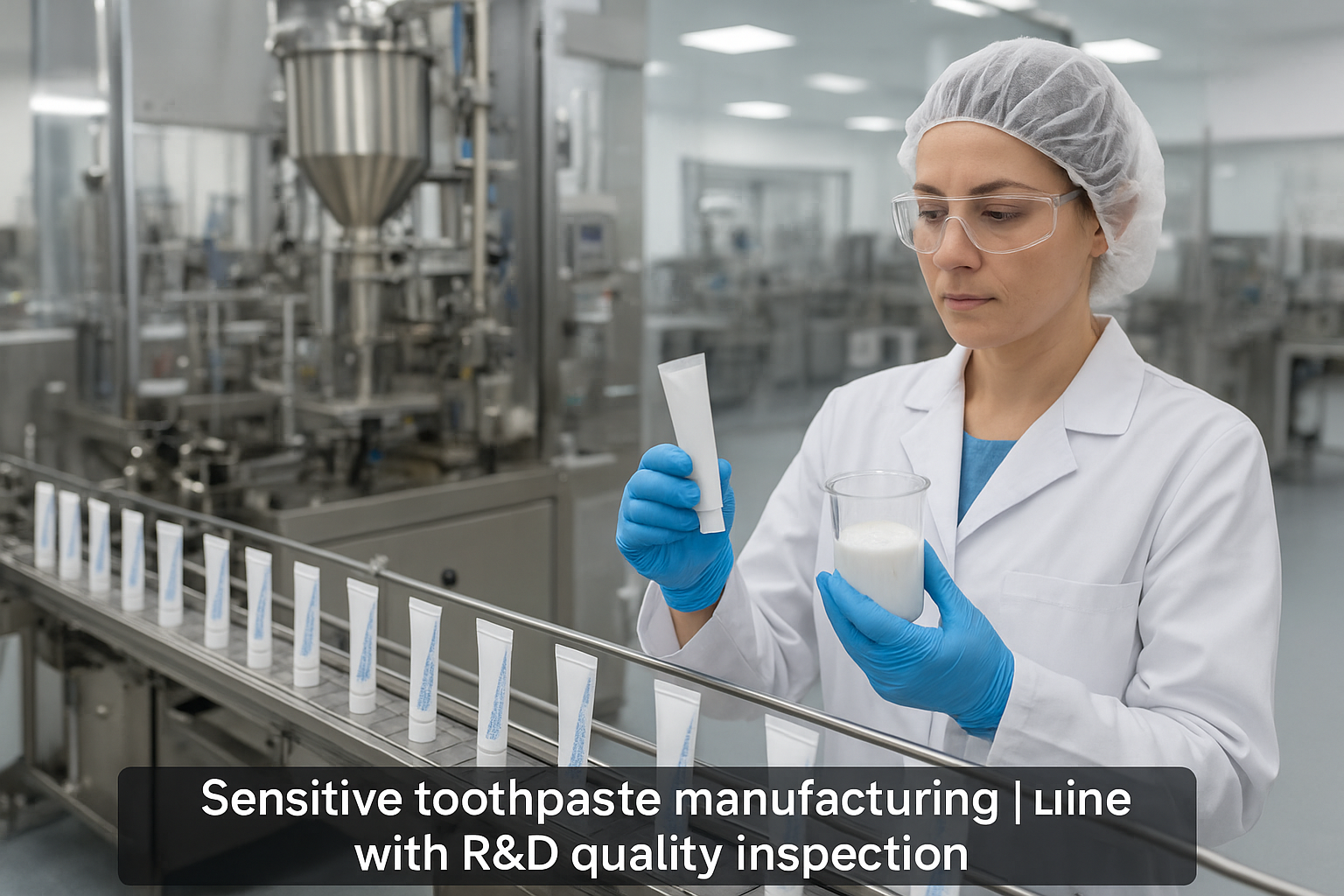
Consumers with sensitive teeth make up a significant share of today’s oral-care market. They require gentle yet effective products that protect enamel, reduce pain triggers, and maintain overall oral health. Manufacturing sensitive toothpaste is not just a routine process. It requires careful ingredient selection, advanced R&D, and strict quality standards.
Unlike generic toothpaste, this segment demands innovation and compliance to meet regulatory requirements while ensuring consumer trust.
Explore OralGos toothpaste portfolio to see how OEM solutions adapt to these special market needs.
Key R&D Considerations in Sensitive Toothpaste Formulation
The cornerstone of sensitive toothpaste development is its formulation. Traditional toothpastes often emphasize whitening or freshening effects, but sensitivity care must balance efficacy and gentleness. R&D teams focus on these aspects:
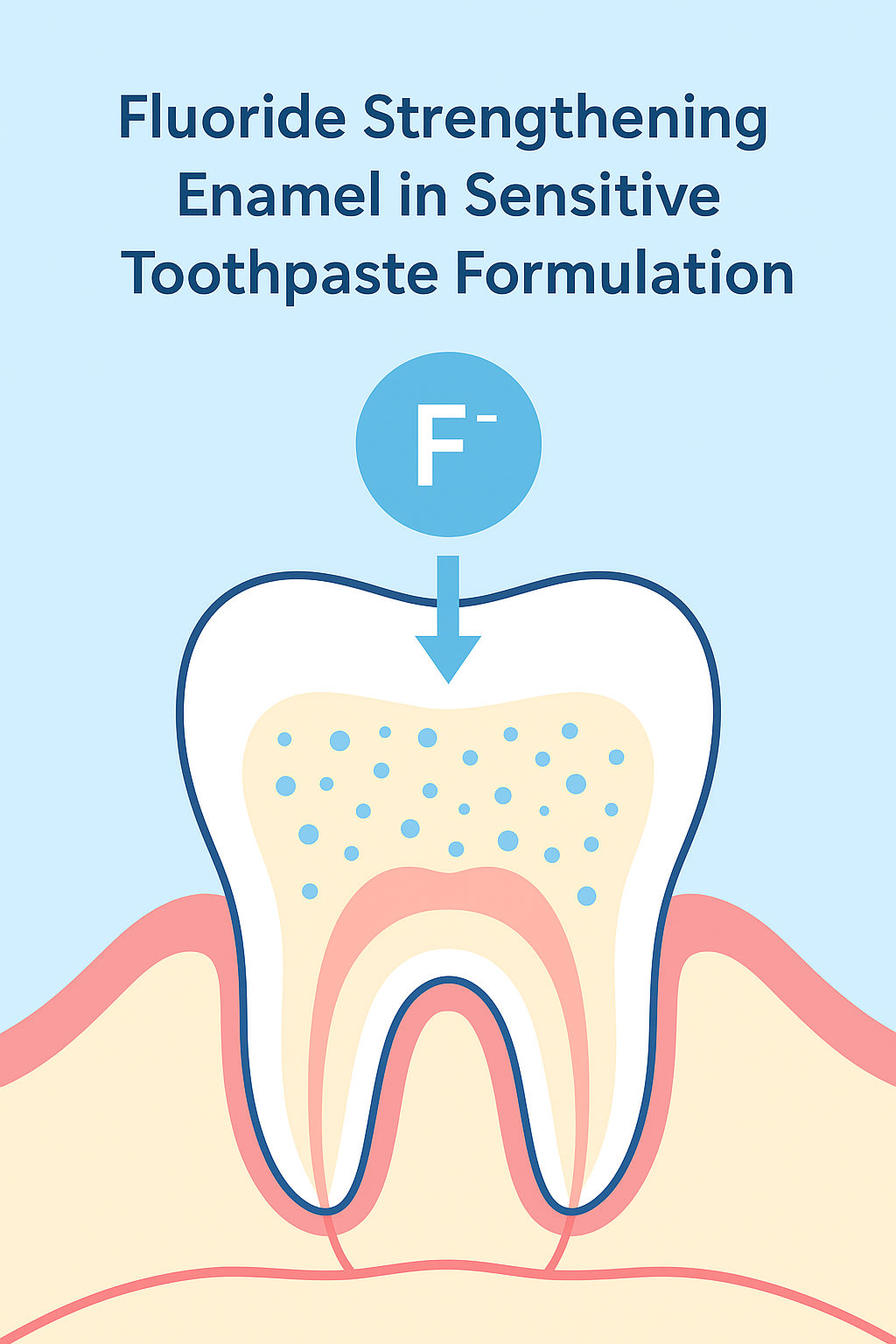
Fluoride for Enamel Protection
Fluoride remains a gold standard in cavity prevention and enamel strengthening. In sensitive formulations, it plays a dual role: shielding enamel from acid erosion and supporting mineralization. Manufacturers carefully define optimal fluoride levels to meet international safety regulations and ensure effectiveness for users with sensitivity.
Desensitizing Agents
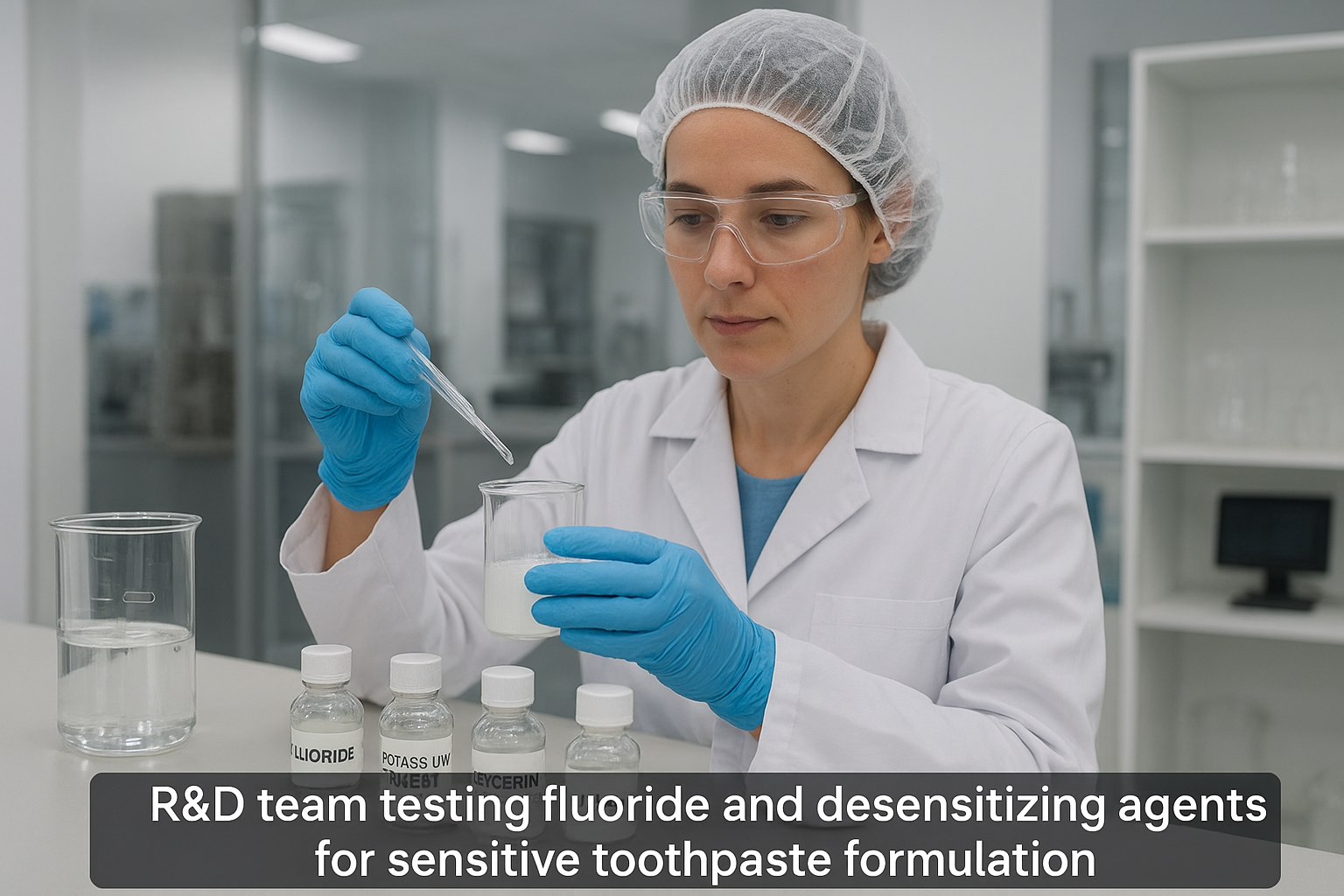
Potassium nitrate, strontium chloride, and arginine are commonly used to reduce nerve sensitivity. These ingredients work by blocking pain signals or sealing dentinal tubules. R&D departments test various ratios to achieve rapid relief without compromising taste or texture.
Texture and Abrasivity Control
Toothpaste abrasives polish teeth but can aggravate sensitivity if too harsh. Manufacturers adjust the particle size and hardness of silica or calcium carbonate to minimize abrasion. This delicate balance is one of the most challenging aspects of sensitive toothpaste R&D.
Regulatory and Quality Standards in Sensitive Toothpaste Production
Sensitive products are held to higher scrutiny because they target consumers with specific dental conditions. Compliance ensures safety, effectiveness, and market approval.
ISO and GMP Standards
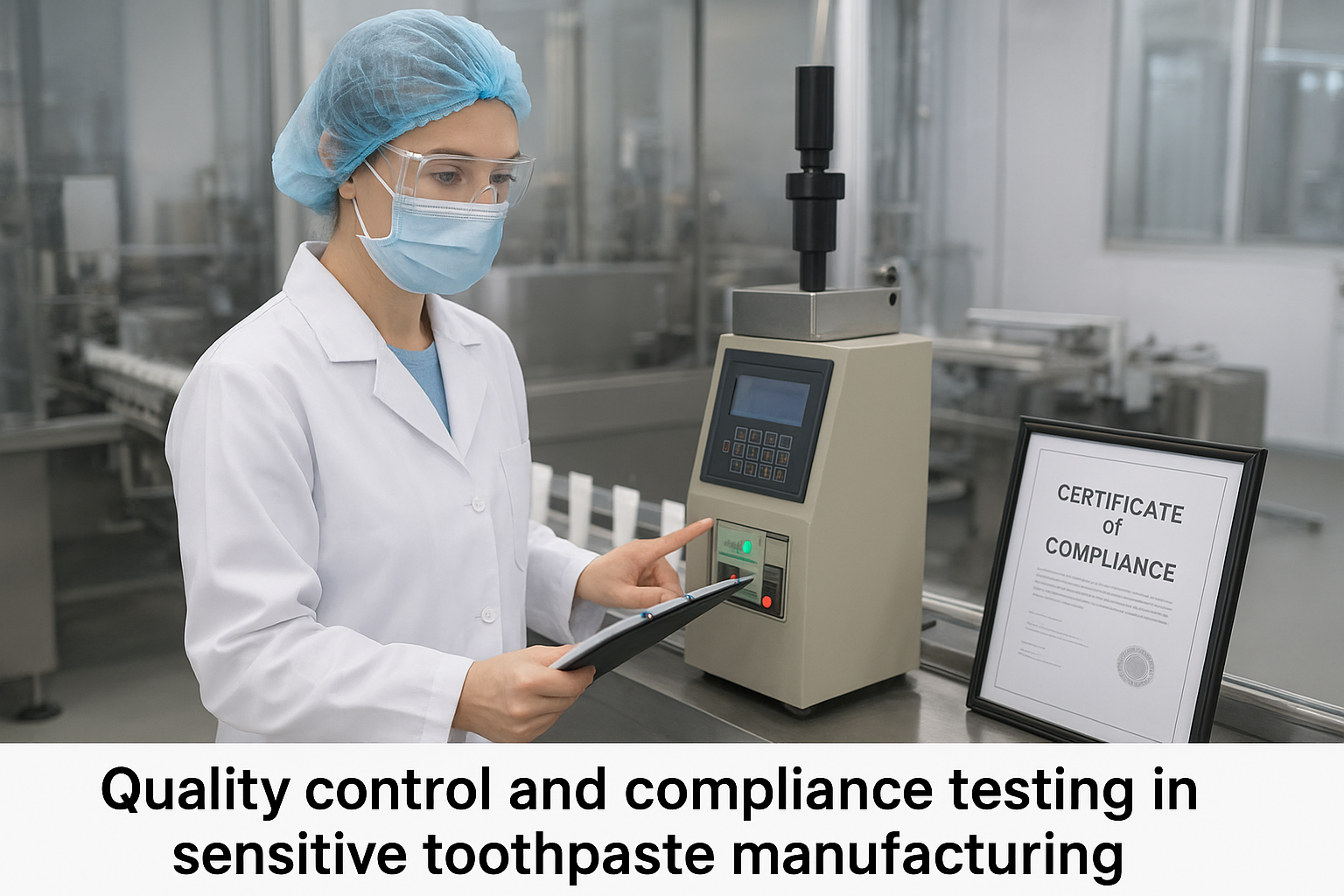
Manufacturers must adhere to ISO 13485 and Good Manufacturing Practices (GMP). These certifications guarantee traceability, hygiene, and consistency across production batches.
Fluoride Safety Limits
Each market—whether the EU, USA, or Asia—sets maximum fluoride concentrations in oral-care products. Sensitive formulations must meet these requirements while delivering therapeutic benefits.
Clinical Testing and Validation
Before entering the market, sensitive products undergo laboratory and clinical evaluations. These trials confirm desensitizing effectiveness, fluoride bioavailability, and consumer tolerance.
Meeting Market Demands Through Innovation
Consumer demand is shifting toward specialized oral-care categories. Sensitive products need to appeal to both dental professionals and end-users, which means manufacturers must invest in innovation.
Natural and Eco-Friendly Ingredients
Many consumers now prefer formulations with naturally derived desensitizing agents, plant extracts, or bioactive minerals. R&D pipelines increasingly incorporate sustainable ingredients to align with global market trends.
Custom OEM Formulations
For oral-care brands, working with a reliable manufacturing partner is crucial. OEM and ODM services allow brands to develop unique sensitive toothpaste solutions tailored to their target audience. Learn about OEM service opportunities with OralGos to create differentiated products in this competitive niche.
Packaging Adaptations
Packaging is more than visual appeal—it ensures stability and safety. For sensitive formulations, tubes must be compatible with active ingredients like fluoride and protect them from degradation.
Global Market Outlook for Sensitive Toothpaste
Experts project that demand for sensitive solutions will grow faster than traditional toothpaste segments. Factors include:
- Increasing dental awareness: More people recognize enamel erosion and sensitivity as treatable conditions.
- Professional recommendations: Dentists frequently prescribe sensitive toothpaste as part of long-term oral health routines.
- E-commerce expansion: Online platforms allow niche brands to enter the market with specialized formulations.
External research by the American Dental Association confirms that fluoride is essential for managing sensitivity and preventing decay. This evidence strengthens its continued role in product development.
Conclusion: R&D as the Backbone of Sensitive Toothpaste Success
The production of sensitive toothpaste demands a different mindset than standard oral-care manufacturing. R&D expertise, precise fluoride management, and strict adherence to global quality standards drive this process. As consumer demand rises, companies that innovate and comply with regulations will secure stronger positions in this growing market.
With trusted OEM services, OralGos empowers brands to develop advanced sensitive formulations. These products meet market expectations while maintaining safety and compliance.