The oral care market is evolving quickly, and one of the clearest signals of this shift is the rising demand for alcohol-free mouthwash. Once considered a niche product, it has now become a mainstream preference, especially among health-conscious buyers. Consumers are paying more attention to how everyday products align with their lifestyle, wellness, and sustainability values. Within oral hygiene, this shift is especially evident, with buyers actively searching for safer, gentler, and more functional alternatives.
This article explores why alcohol-free mouthwash is gaining popularity. We’ll look at the benefits and share how brands can meet rising demand.
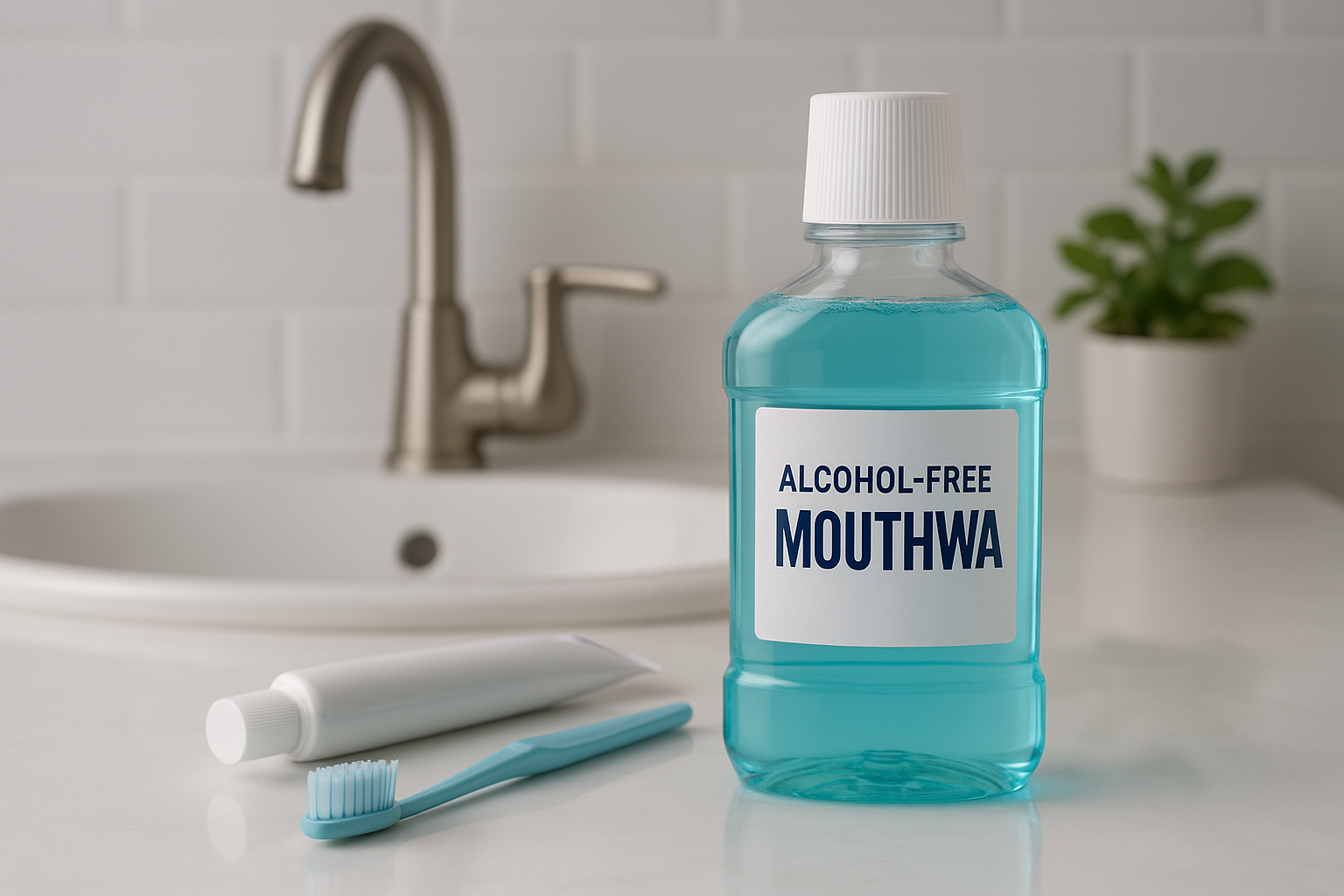
The Health Trend Driving Alcohol-Free Mouthwash Demand
Health and wellness trends are no longer limited to diet or fitness. They now extend to personal care and oral care routines. Modern consumers want products that protect health without causing side effects.
Traditional mouthwashes often contain alcohol, such as ethanol. They can cause a strong burning sensation, dry mouth, and even disrupt the oral microbiome.
Because shoppers are more aware of these drawbacks, alcohol-free mouthwash is gaining recognition as a healthier solution. Without alcohol, this mouthwash is suitable for sensitive users and children. It offers a gentle yet effective way to freshen breath and support oral balance.
According to a Market Research Future report, the global mouthwash market is growing. Alcohol-free products are one of the fastest-rising segments. This trend highlights how consumer preferences directly shape industry innovation.
Key Advantages of Alcohol-Free Mouthwash for Oral Hygiene
1. Gentle on Oral Tissues
Alcohol-based formulas can irritate soft tissues. In contrast, alcohol-free products are less likely to cause burning or dryness. This makes them ideal for daily use and for people with oral sensitivities.
2. Microbiome-Friendly Approach
Emerging studies show that maintaining a balanced oral microbiome is essential for long-term oral health. Alcohol can disrupt this balance, whereas alcohol-free mouthwash helps protect beneficial bacteria while still reducing harmful ones.
3. Broader Consumer Appeal
Families, children, and individuals with specific health conditions prefer alcohol-free options. By catering to this group, brands expand their customer base and strengthen loyalty.
4. Flavor Innovation Opportunities
Without the harsh taste of alcohol, companies can create milder flavors. They can also explore functional options like herbal blends or probiotic rinses. This allows differentiation in an increasingly crowded market.
Alcohol-Free Mouthwash and Its Role in Modern Oral Hygiene
When discussing modern oral hygiene, alcohol-free formulations play a central role. They reflect a shift from simply masking bad breath to supporting overall oral health. Many formulas now add fluoride for cavity protection. They may also include xylitol to fight caries and natural extracts like tea tree or chamomile for soothing effects.
This shift shows that oral hygiene is no longer only about preventing problems. It’s also about promoting comfort, wellness, and confidence. As such, alcohol-free mouthwash is more than just a product trend; it’s a category evolution.
Market Demand and Buyer Expectations for Alcohol-Free Mouthwash
Growing Awareness
Today’s buyers research products before purchase. They want transparency in ingredients, clear labeling, and assurance that products are safe for everyday use. Alcohol-free claims provide that sense of reassurance.
Retail and E-Commerce Shift
Retailers and online platforms are stocking more alcohol-free products because of consistent consumer demand. Search trends also show rising queries around “gentle mouthwash” and “safe oral hygiene,” aligning with this move.
OEM and Private Label Opportunities
For oral care brands or distributors, now is the ideal time to invest in product development. OEM and ODM services allow companies to introduce differentiated formulas quickly and meet local compliance standards. For example, OralGos OEM Service supports partners in creating customized mouthwash that meets consumer expectations and global market requirements.
The Sustainability Angle in Oral Hygiene Products
Another factor boosting demand for alcohol-free mouthwash is the overlap with sustainability trends. Many buyers who prefer natural or eco-friendly products also avoid alcohol-based solutions, associating them with outdated formulations. Combining alcohol-free claims with eco-friendly packaging and clean-label marketing can create a strong brand advantage.
This synergy suggests that the future of oral hygiene will take a more holistic path. Products will need to be safe, sustainable, and socially responsible.
Challenges and Considerations for Alcohol-Free Mouthwash Brands
Of course, going alcohol-free does not automatically guarantee market success. Brands must carefully balance the formula to ensure efficacy against plaque and bad breath while maintaining consumer-friendly features. Additionally, regulatory compliance across regions (EU, US, Asia) requires clear labeling and safety testing.
Investing in R&D and reliable manufacturing partners is key to overcoming these challenges and standing out in the market.
Conclusion: Why Alcohol-Free Mouthwash Matters for Oral Hygiene
The growing demand for alcohol-free mouthwash signals a larger shift in how buyers define quality in oral hygiene. It’s no longer about strong sensations or aggressive formulas; it’s about safety, wellness, and trust. For oral care companies, responding to this demand is both a challenge and an opportunity.
Brands can gain a competitive edge in this evolving market by offering unique products. To succeed, they should back them with science and support them with sustainable strategies. As buyers increasingly ask for alcohol-free options, the message is clear: oral hygiene must evolve with them.