In today’s competitive oral care market, trust and compliance are as important as innovation and design. For brands seeking global recognition, having products manufactured in a Walmart certified factory is a powerful endorsement of quality.
This certification is more than a label of approval. It reflects a reliable system of audits and safety measures. These ongoing improvements strengthen the credibility of the factory and the brands it supports.
This article takes you inside a Walmart-certified oral care factory. It explains the audit process and shows how certification builds consumer trust and industry authority.
Why Walmart Certified Factory Standards Matter in Oral Care
Oral care products, including toothbrushes, toothpaste, and water flossers, are essential items used in daily routines. Consumers expect factories to follow strict safety, hygiene, and ethical standards when producing these products. A Walmart certified factory guarantees exactly that.
Walmart’s certification system evaluates factories on multiple parameters, including:
- Labor and ethical practices
- Health and safety standards
- Environmental compliance
- Product quality and traceability
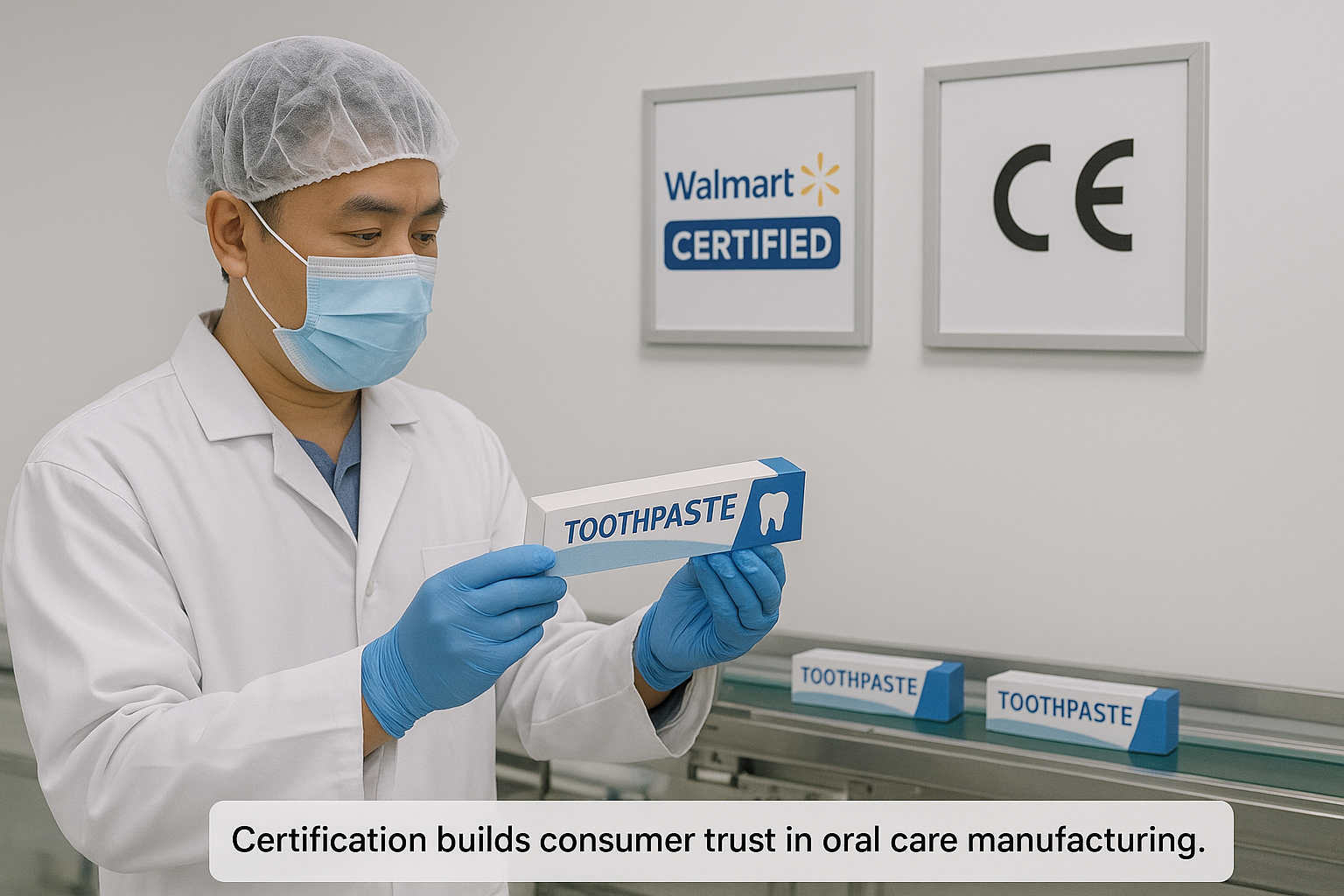
For oral care brands, this certification signals trust. It shows that the manufacturer passes rigorous audits and meets the expectations of the world’s largest retailer. It is a competitive edge in markets where compliance and consumer trust drive purchasing decisions.
Walmart Certified Factory Audit Process Explained
Achieving Walmart certification requires time, preparation, and strict compliance with established standards. A Walmart audit follows a strict and detailed process that allows no shortcuts. It typically involves:
Pre-Audit Preparation
Factories begin by aligning their internal systems with Walmart’s standards. This includes documentation of quality control protocols, employee welfare practices, and environmental impact measures.
On-Site Factory Audit
Independent auditors conduct comprehensive on-site inspections. For oral care factories, the audit covers hygiene standards, material handling safety, and GMP compliance.
Corrective Action and Continuous Improvement
If issues are found, the factory must implement corrective measures. Passing the Walmart audit is not just about compliance once—it requires ongoing commitment to quality and ethics.
This cycle ensures that each Walmart certified factory audit delivers measurable improvements. It turns certification into an ongoing standard, not a one-time milestone.
Inside the Oral Care Production Line
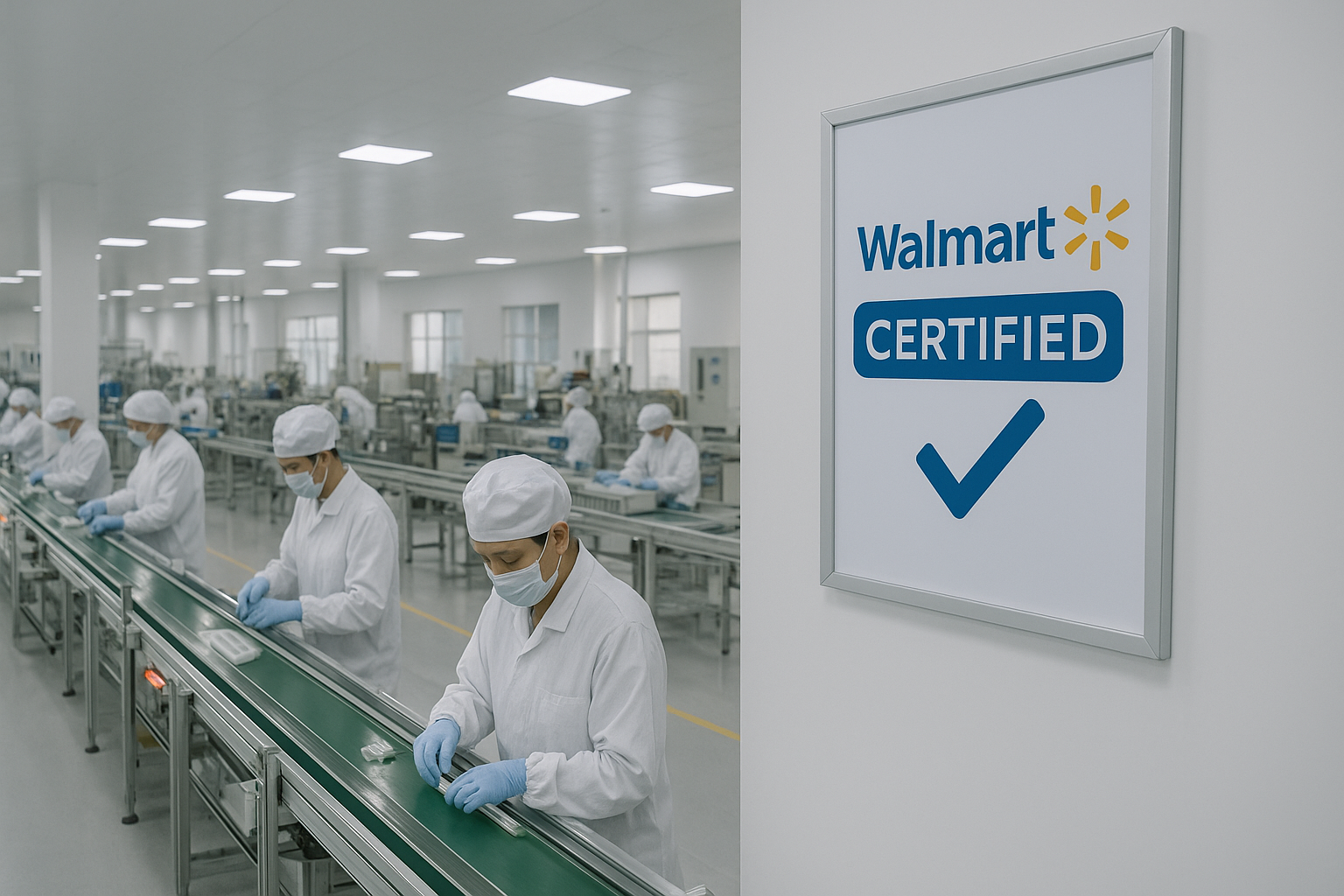
Walking through a certified oral care factory, one immediately notices the structure and discipline enforced by the certification.
- Raw Material Handling: Only approved, traceable suppliers provide fluoride, abrasives, polymers, and eco-friendly packaging materials.
- Automated Toothbrush Assembly: Precision robotics ensure consistency in bristle placement and handle finishing.
- Toothpaste Filling Lines: Cleanroom-grade conditions prevent contamination during tube filling.
- Quality Testing Labs: Every batch undergoes mechanical, chemical, and microbiological tests before shipping.
This strict system reassures buyers that products are safe for global distribution. It also confirms compliance with FDA, CE, and ISO standards.
Beyond Compliance: Building Brand Trust
For oral care companies, working with a Walmart certified factory is more than a compliance box. It is a marketing advantage. With certification, brands confidently show that their products come from a facility recognized for high standards.
This certification also attracts new business partners. Many global retailers and private-label buyers view Walmart audits as a benchmark for supplier selection. In effect, Walmart’s stamp of approval expands opportunities beyond Walmart shelves.
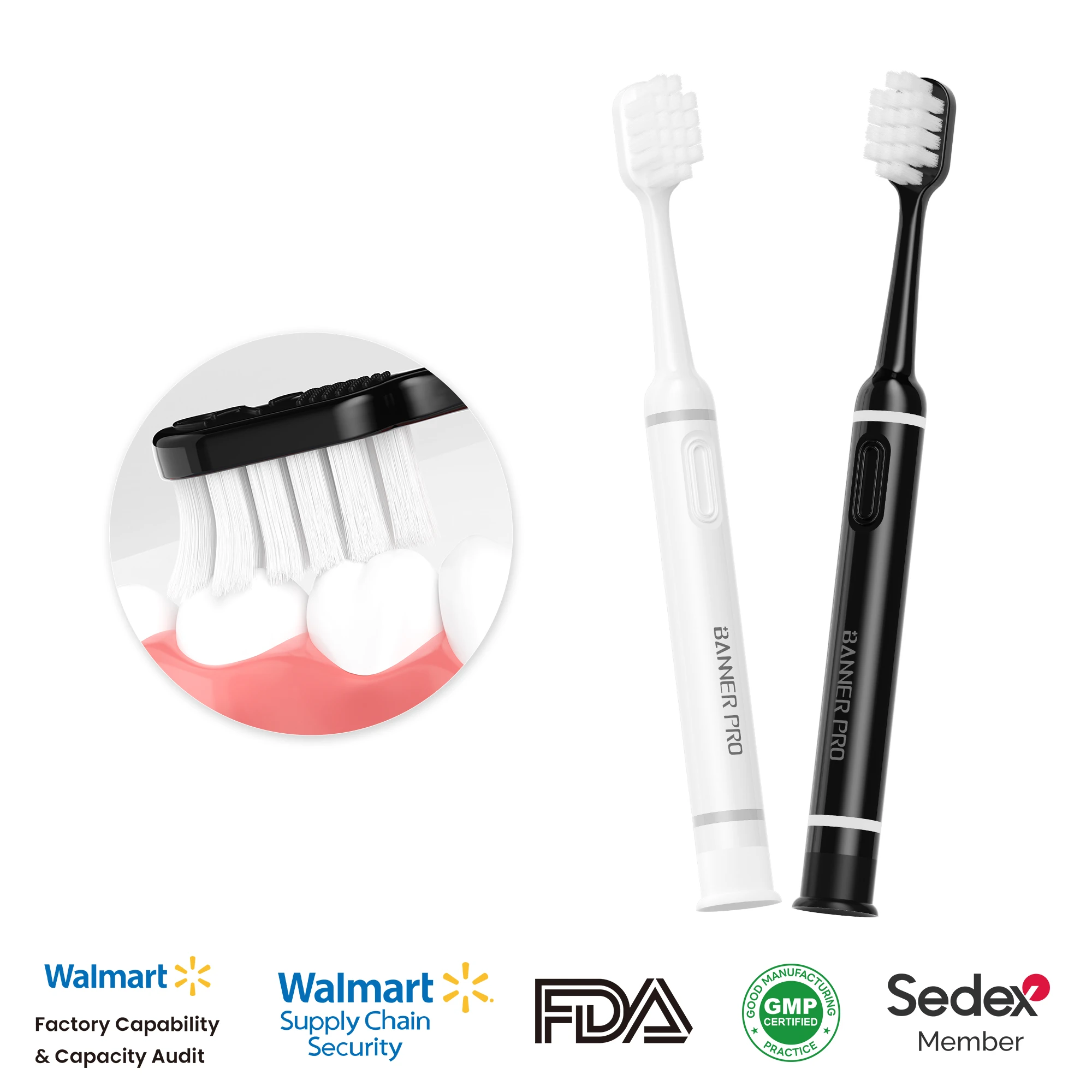
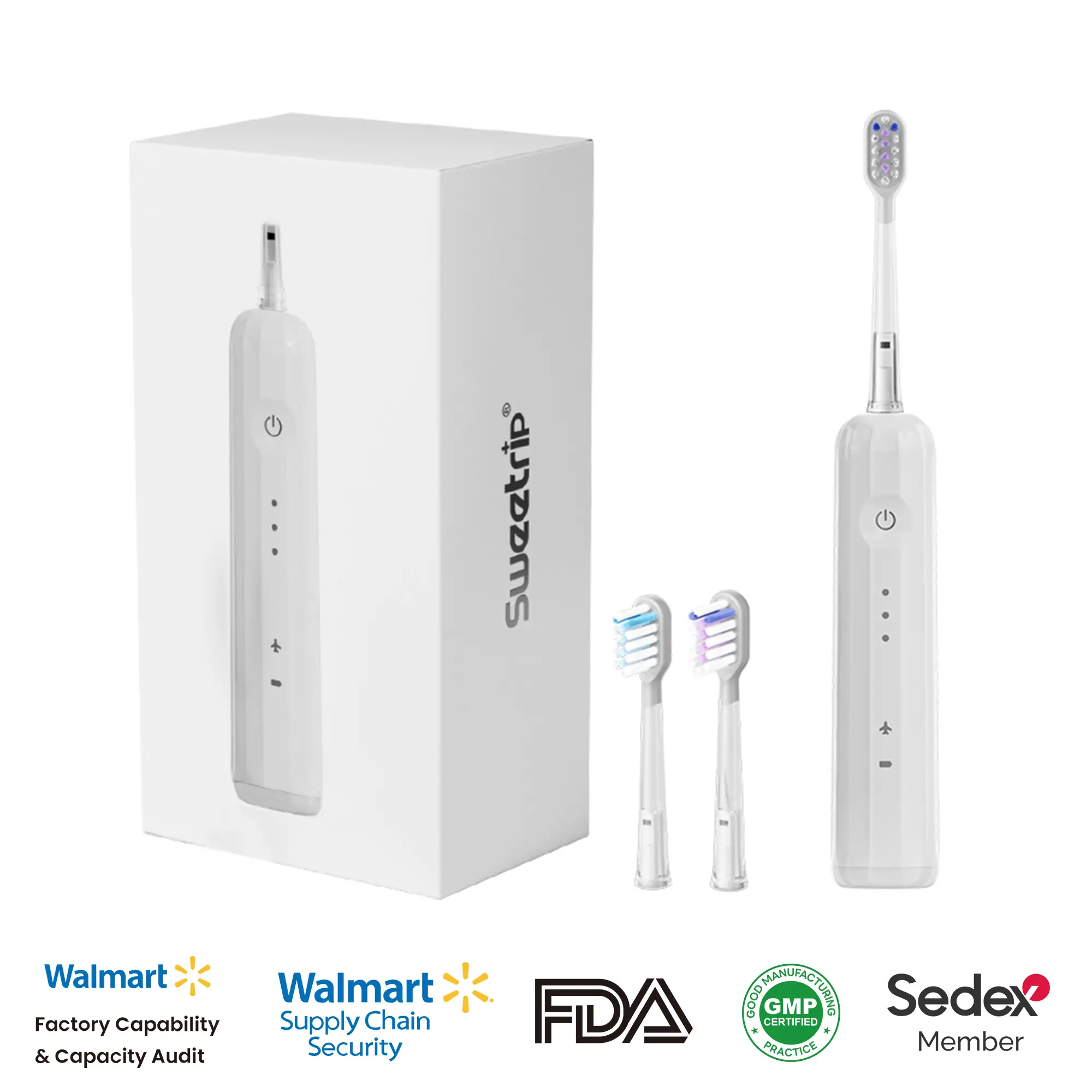
For a clear example, visit the OralGos About Us page. It shows how the brand highlights compliance and quality, making factory standards and certifications central to its positioning.
Key Benefits of Walmart-Certified Manufacturing
Partnering with a certified facility delivers multiple advantages for oral care brands:
- Global Credibility – Walmart’s name adds weight to supplier trust.
- Risk Reduction – Regular audits lower the risk of product recalls or non-compliance penalties.
- Sustainability Alignment – Many certified factories adopt eco-friendly packaging and production practices to pass audits.
- Scalability – Meeting Walmart’s standards equips factories to serve multiple international retailers.
When oral care brands partner with a Walmart-certified facility, they show a lasting commitment to safety and sustainability.
Walmart Certification and the Future of Oral Care
The oral care industry is evolving with innovations like sonic toothbrushes, refillable toothpaste packaging, and AI-based brushing apps. Yet, innovation without certification cannot sustain brand growth.
Future market leaders will be brands that create innovative products and manufacture them in facilities that pass strict audits. Certification will anchor global oral care supply chains, ensuring products remain safe, ethical, and eco-friendly.
For more details on Walmart’s certification, you can review Walmart’s Global Responsibility Standards. These guidelines explain the principles behind the audit framework.
Conclusion: Certification as a Competitive Edge
Inside a Walmart-certified factory, you see more than machines and assembly lines. You also see a culture shaped by compliance, accountability, and innovation. Each audit reinforces the system. It allows oral care brands to highlight both their product features and their commitment to manufacturing integrity.
For brands seeking to expand globally, certification is no longer optional. It is a competitive edge that builds trust from the factory floor to the consumer’s bathroom shelf.