Introduction: Why Packaging Matters in Oral Care
In today’s competitive market, packaging is more than just a protective cover. It shows brand values, meets regulations, and affects buying choices. Nowhere is this more evident than in the US oral care market, where eco-conscious consumers are demanding change. Traditional plastic-heavy solutions are rapidly giving way to sustainable packaging innovations that align with environmental responsibility and brand differentiation.
For oral care companies, shifting to greener designs is no longer optional. It is important for long-term success in a market where sustainability is quickly becoming a basic expectation.
Sustainable Packaging in the US Oral Care Industry
The adoption of sustainable packaging in US oral care is accelerating, driven by both regulatory pressure and consumer demand. According to research by the Environmental Protection Agency (EPA), packaging waste accounts for nearly 30% of all household waste in the United States. This reality pushes brands to adopt alternatives that minimize environmental impact without compromising product integrity.
Oral care brands, from large multinational companies to smaller ones, are trying out eco-friendly options. These options include recyclable, biodegradable, and refillable products. These initiatives not only reduce landfill waste but also strengthen consumer trust by visibly aligning with shared environmental values.
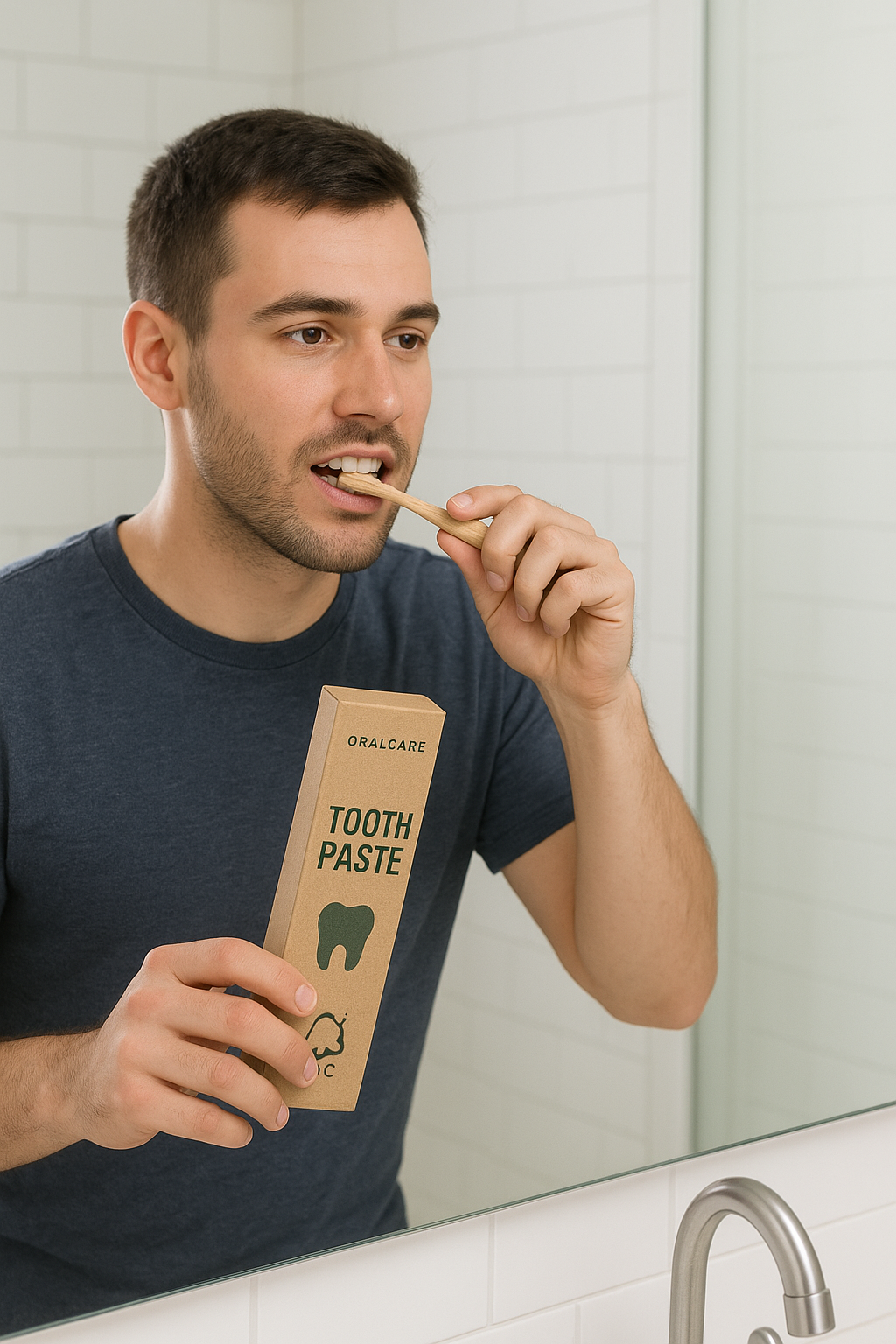
Key Trends Driving Sustainable Packaging in US Oral Care
Biodegradable and Compostable Materials
One of the most visible trends in sustainable packaging is the use of biodegradable and compostable materials. Plant-based plastics (PLA), wheat-straw composites, and paperboard are increasingly replacing petroleum-based plastics. For example, toothpaste tubes made from sugarcane-based PE provide the same protection as regular tubes. They are also much easier to recycle.
This innovation reduces environmental strain. It also lets brands share their eco-credentials directly on packaging. This appeals to American shoppers who want authenticity.
Minimalist and Recyclable Design
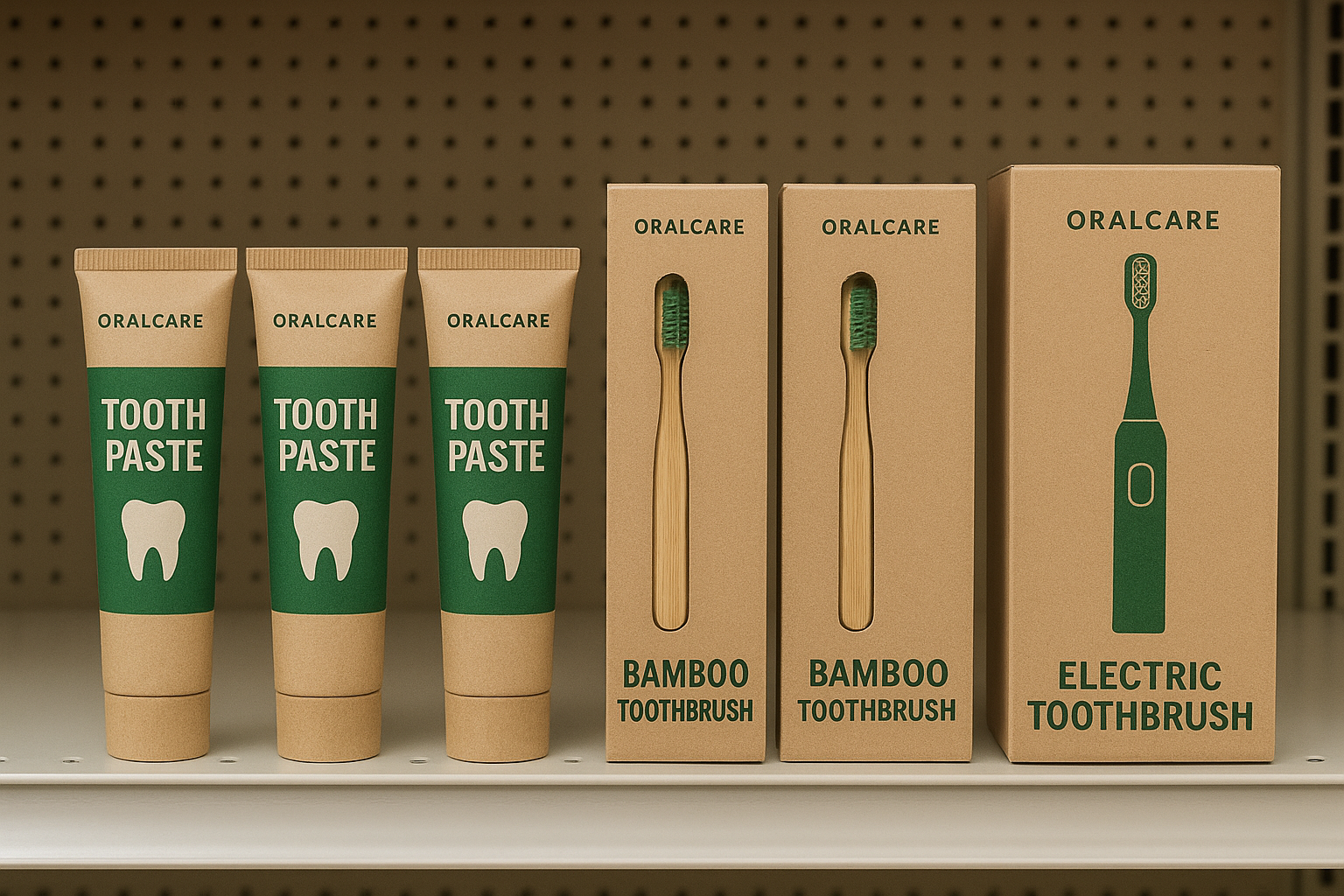
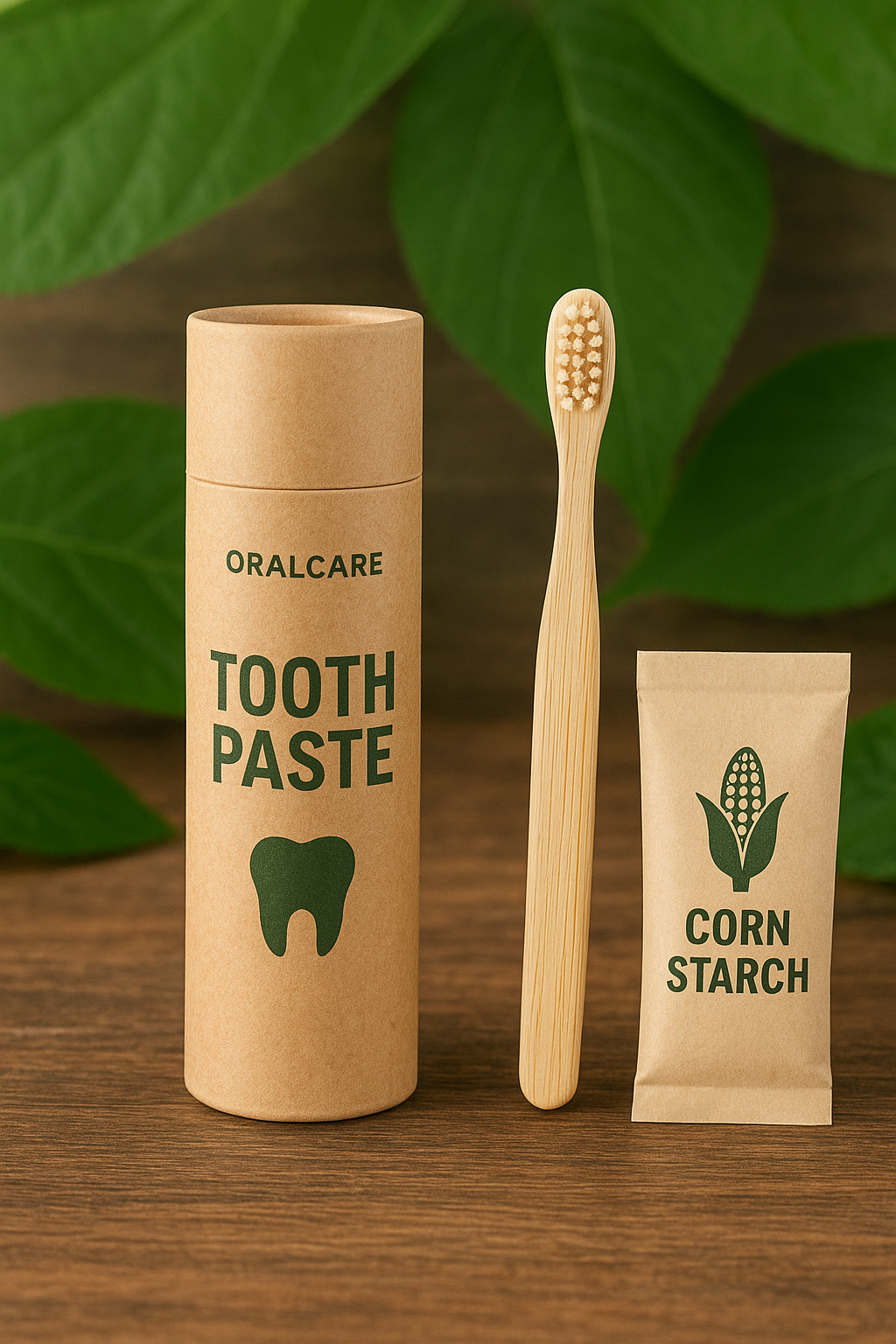
Another dominant theme in sustainable packaging for US oral care is design simplification. By removing unnecessary layers—such as plastic blister packs around toothbrushes—companies cut material usage while making recycling more straightforward for consumers.
Minimalist branding paired with recyclable cardboard packaging also enhances shelf appeal. Shoppers associate simplicity with purity, transparency, and ethical production—all critical in building trust in the oral care category.
Refillable Systems and E-commerce Packaging
The rise of refill culture is transforming the way American consumers buy oral care products. Refillable toothpaste pods, concentrated mouthwash tablets, and replaceable brush heads reduce single-use waste. They also reduce shipping footprints.
For online sales, sustainable packaging in US oral care now emphasizes lightweight, protective, and recyclable mailers. These designs balance durability with eco-friendliness, ensuring products arrive intact without contributing excessive packaging waste.
Benefits of Sustainable Packaging for Oral Care Brands
Strengthening Consumer Loyalty
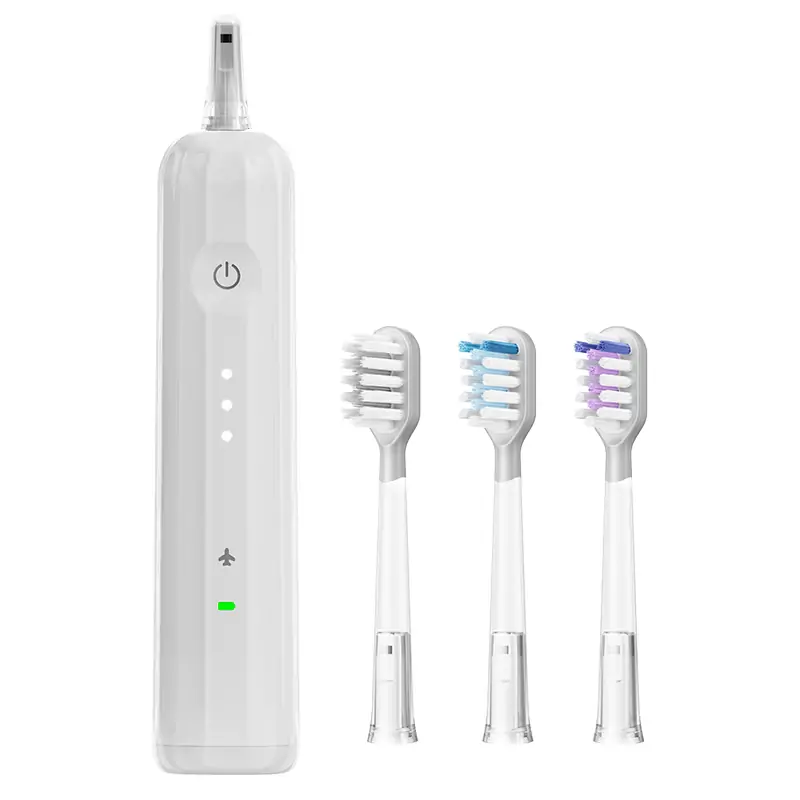
Consumers increasingly expect brands to embody the values they value. A toothpaste in compostable packaging or an electric toothbrush in FSC-certified cardboard shows a real commitment. This helps companies strengthen long-term loyalty in a market where switching costs are low and alternatives are abundant.
(Explore eco-friendly toothpaste packaging options and electric toothbrush packaging designs that align with these trends.)
Compliance with Environmental Standards
Sustainable packaging in the US oral care market also reduces compliance risks. States like California have strict extended producer responsibility (EPR) laws. Brands that use eco-friendly solutions can avoid fines and penalties.
By integrating biodegradable and recyclable materials now, companies can future-proof operations against tightening regulations while reinforcing their role as responsible industry leaders.
Brand Differentiation and Market Expansion
Eco-packaging also creates differentiation in a crowded field. As oral care shelves overflow with whitening claims, sensitivity promises, and advanced technologies, sustainable packaging becomes a visual and ethical marker of distinction. For companies that focus on exports, these innovations open doors to eco-friendly markets. This includes Europe and Japan, where being green is crucially important.
Challenges and Considerations
While the opportunities are clear, the path to fully sustainable packaging in US oral care is not without challenges. Biodegradable materials can be more expensive, recycling infrastructure remains inconsistent across U.S. states, and ensuring durability during shipping is critical.
Brands need to consider these factors carefully. They often start with hybrid approaches. This means using partially recycled plastic and FSC-certified paper. This helps balance cost efficiency with sustainability goals.
The Future of Sustainable Packaging in US Oral Care
The momentum toward eco-friendly packaging is irreversible. As more brands commit to carbon neutrality, packaging innovation will play a central role in achieving those goals. We can expect to see:
- Smart packaging with QR codes linking to recycling instructions
- Greater use of refillable systems to extend product lifecycles
- Collaborations with recycling firms to improve end-of-life management
For oral care companies operating in the United States, embracing sustainable packaging is more than a compliance checkbox. A powerful driver of brand equity, consumer trust, and long-term growth exists.
Conclusion
The evolution of sustainable packaging in the US oral care market is shaping the future of the industry. From biodegradable materials to refill systems and minimalist designs, brands are finding innovative ways to reduce their environmental footprint while winning consumer loyalty.
Investing in packaging innovation now helps companies avoid compliance risks and stay ahead in tomorrow’s eco-conscious market.