Whitening toothpaste is now a daily essential for many people. It helps achieve a brighter smile without requiring professional dental treatments. However, products differ widely in formulation and results. Understanding the whitening toothpaste formulation is essential for both consumers seeking visible results and dental professionals recommending products.
This guide explains the seven core ingredients behind an effective formulation. Together, they combine proven whitening power with safety and oral care protection.
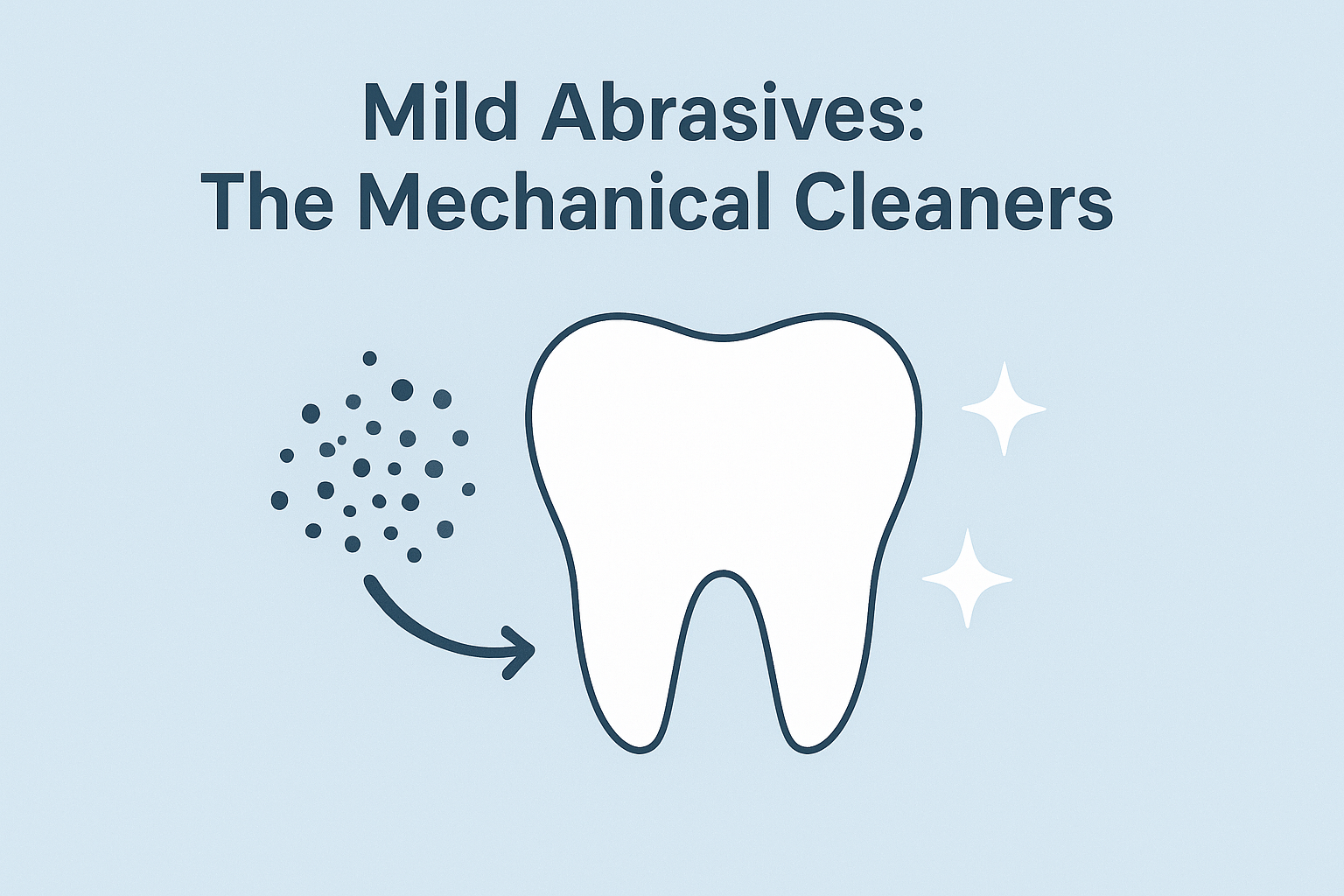
1. Mild Abrasives in Whitening Toothpaste: The Mechanical Cleaners
A cornerstone of any effective whitening toothpaste is its mild abrasives. Ingredients such as silica, calcium carbonate, or hydrated alumina gently scrub surface stains from teeth without damaging enamel. Abrasives work mechanically to remove extrinsic stains caused by coffee, tea, or tobacco.
Toothpaste with high abrasiveness can damage enamel over time. However, formulations that use carefully controlled particle sizes help maintain safety while keeping whitening performance strong.
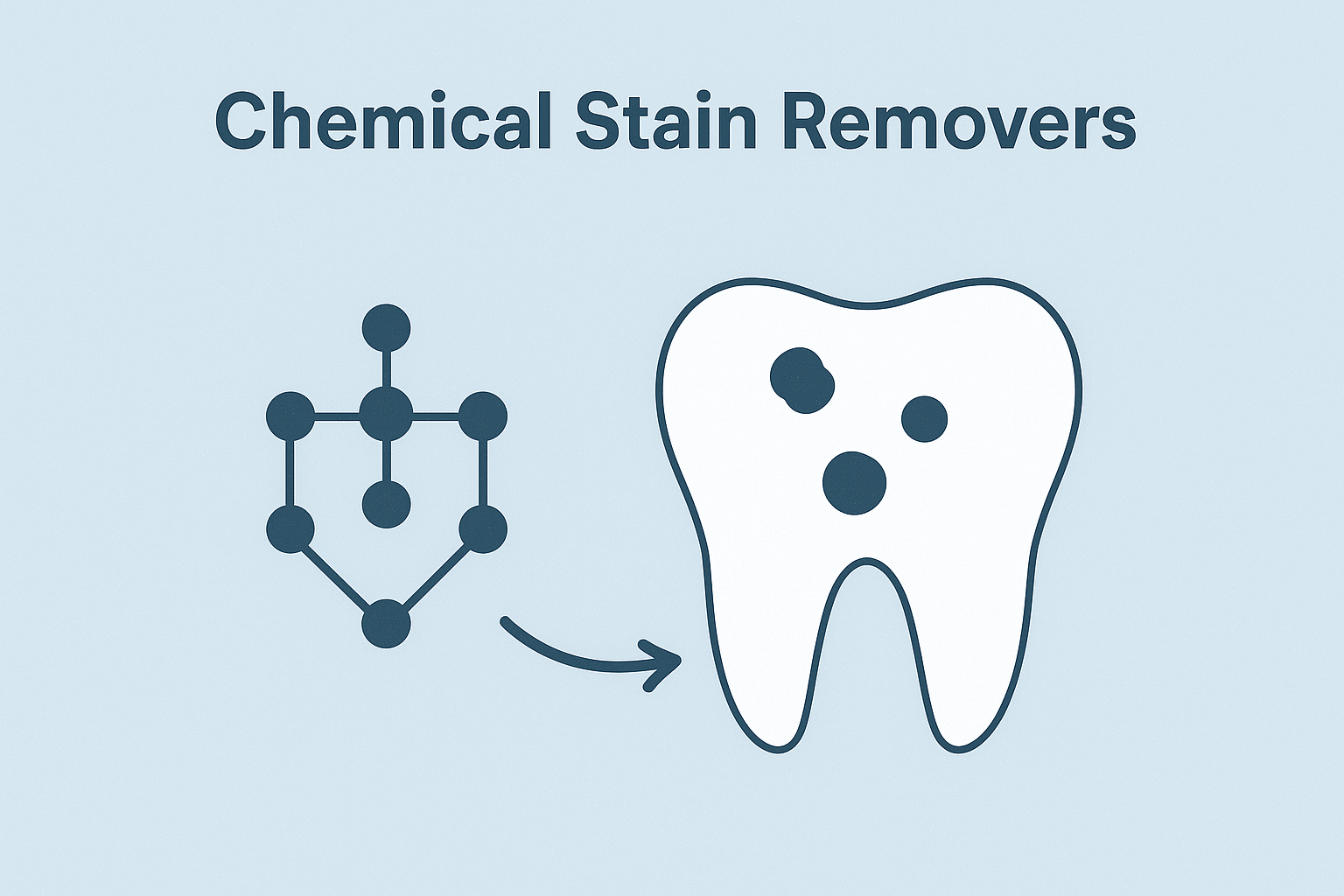
2. Chemical Stain Removers for Effective Whitening Toothpaste
Chemical agents complement abrasives by breaking down stain molecules at a molecular level. Common ingredients include sodium tripolyphosphate and pyrophosphates, which prevent mineral buildup and target chromogens responsible for discoloration.
A well-formulated whitening toothpaste combines mechanical and chemical action, maximizing results while preserving tooth integrity. For fluoride-free options that still maintain whitening efficacy, OralGos Charcoal Toothpaste demonstrates the potential of alternative chemical agents.
3. Peroxide-Based Whitening Agents
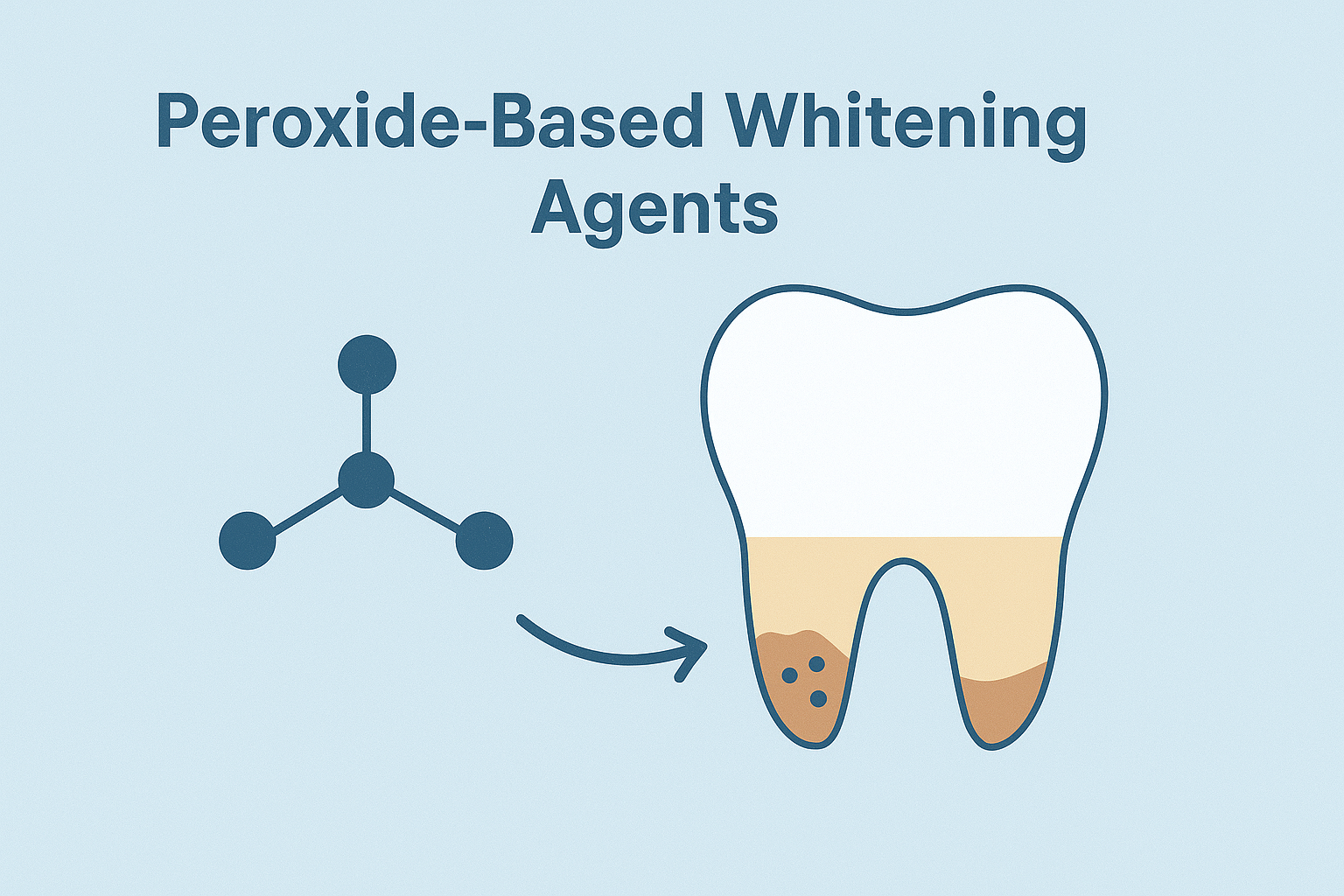
Hydrogen peroxide or carbamide peroxide are traditional bleaching agents incorporated in some whitening toothpaste. These molecules penetrate enamel and dentin to break down deep stains. Professional whitening treatments often use higher concentrations of peroxide. In contrast, over-the-counter whitening toothpaste contains lower levels to keep the balance between safety and effectiveness.
Adding peroxide to a toothpaste formulation speeds up the whitening process. It reduces the need for heavy abrasives and helps users achieve a visibly brighter smile.
4. Color-Correcting Pigments
Innovative whitening toothpaste formulations now incorporate color-correcting agents such as blue covarine. These pigments form a thin layer on the tooth surface. This layer changes how light reflects off the teeth, making them look whiter right after brushing.
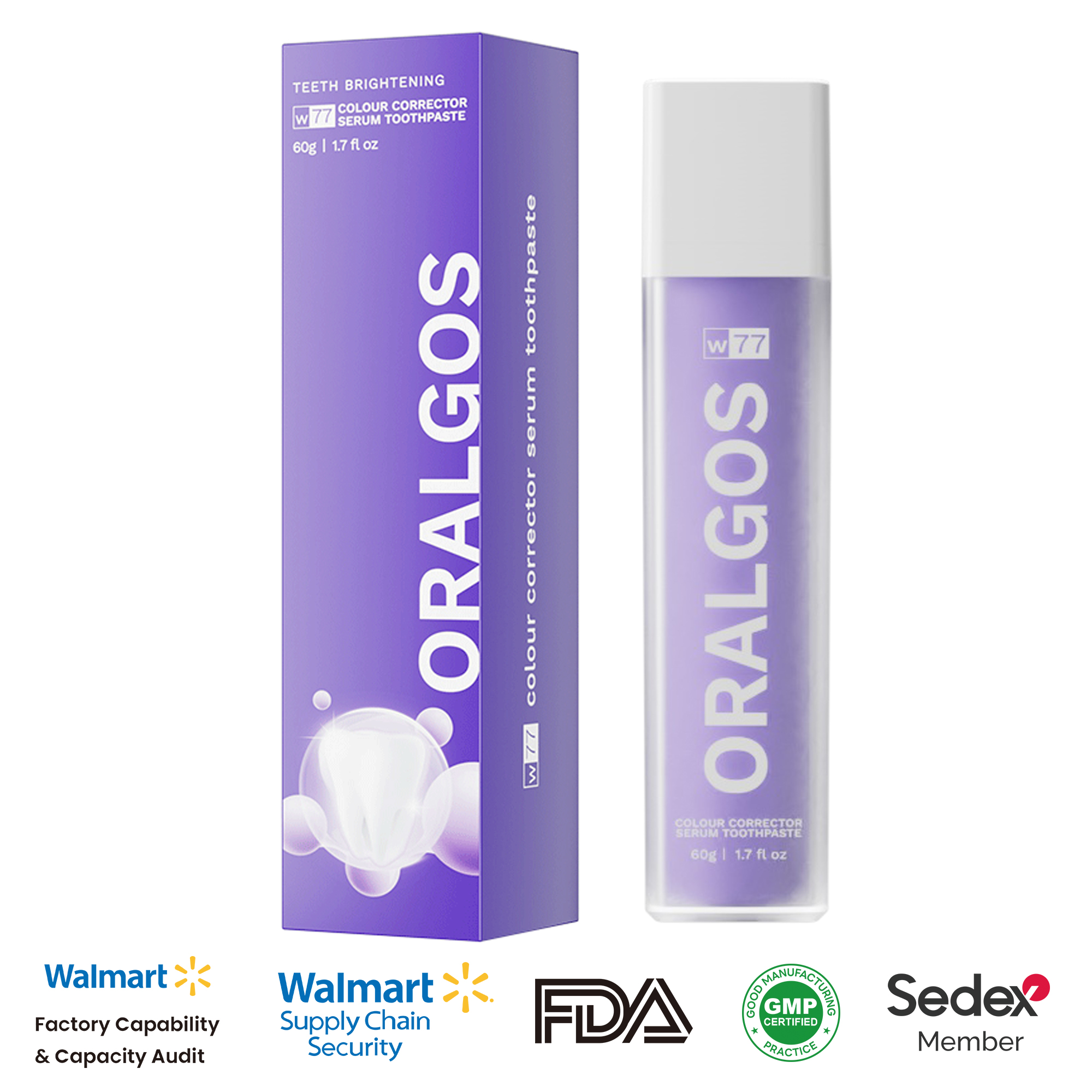
This approach does not bleach teeth but offers instant visual improvement. OralGos W77 Colour Corrector Toothpaste utilizes advanced colour-correction technology to whiten teeth quickly and safely. This example highlights how a modern whitening toothpaste formulation integrates multiple mechanisms for optimal performance.
5. Fluoride for Enamel Protection
Fluoride is a non-negotiable component in most whitening toothpaste formulations. While the goal is to brighten teeth, it is equally important to maintain enamel strength and prevent decay. Sodium fluoride or stannous fluoride protects against cavities while enhancing remineralization, especially when combined with other whitening agents.
For those who prefer fluoride-free formulas, options like activated charcoal or hydroxyapatite can help maintain oral health. However, fluoride is still considered the most reliable ingredient for long-term protection. Integrating fluoride into a whitening toothpaste ensures that users do not sacrifice protection for aesthetics.
6. Enzymes for Organic Stain Breakdown
Enzymes in toothpaste break down protein-based stains. According to research by the Journal of Dentistry, some modern whitening toothpaste formulations include enzymes such as papain or bromelain. These naturally occurring proteins break down protein-based stains, including those from red wine or meat products.
Enzymes whiten teeth gently and effectively, focusing on specific stains rather than relying on abrasive or peroxide-based methods. Formulations that integrate enzymes with other active ingredients offer comprehensive stain management, demonstrating the versatility and sophistication of contemporary whitening toothpaste formulation.
7. Hydration and Humectants
Humectants like glycerin, sorbitol, or xylitol maintain toothpaste moisture, ensuring smooth application and prolonged shelf-life. Xylitol additionally provides anti-cavity benefits by inhibiting bacterial growth.
While hydration doesn’t directly whiten teeth, it enhances the toothpaste’s overall effectiveness by supporting oral health. This balance ensures users enjoy both cosmetic and protective benefits.
Choosing the Right Whitening Toothpaste
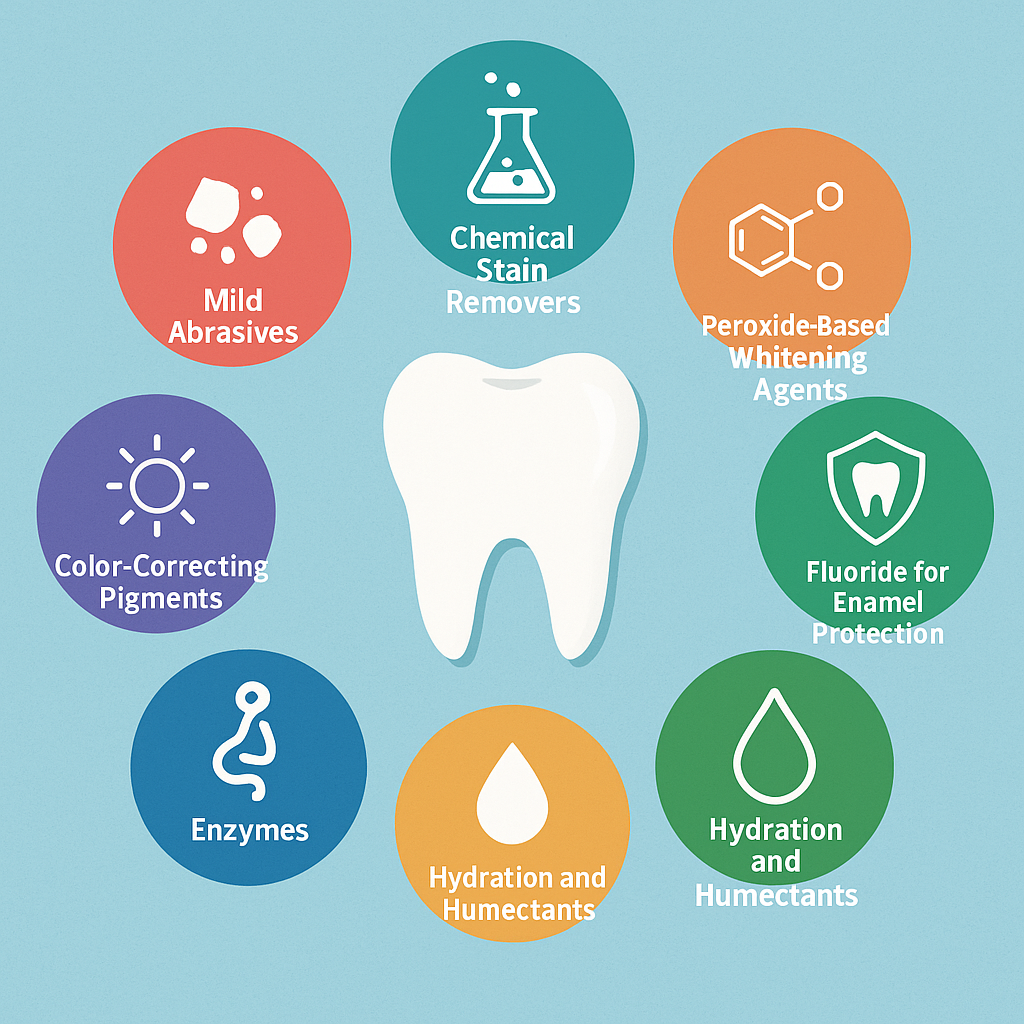
Selecting an effective whitening toothpaste requires understanding the balance between stain removal, enamel protection, and long-term oral health. When evaluating products, look for formulations that combine mild abrasives, chemical stain removers, optional peroxide, color-correcting pigments, fluoride, enzymes, and humectants.
Brands that prioritize a science-backed whitening toothpaste formulation can deliver truly visible results. This approach also reflects their strong commitment to user safety and overall dental wellness. OralGos OEM Service supports brands and professionals in creating tailored whitening toothpaste formulations that align with their market goals.
Conclusion
A truly effective whitening toothpaste goes beyond surface aesthetics. Whitening toothpaste relies on seven key ingredients: abrasives, chemical stain removers, peroxide, color-correcting pigments, fluoride, enzymes, and humectants. By understanding how each works, users and professionals can make informed decisions about the products they choose. Science-backed whitening toothpaste formulation ensures optimal results, enamel protection, and sustained oral health.
Choosing the right formulation is an investment in both results and safety. It ensures a brighter, healthier smile you can feel confident about. Whether for personal use or professional recommendations, knowledge of these ingredients empowers users to navigate the crowded whitening toothpaste market confidently.