In today’s oral care market, one question keeps popping up: Should I switch to an electric toothbrush, or stick with a manual one? This electric vs manual toothbrush debate has more layers than it seems.
Choosing between electric and manual toothbrushes involves more than cleaning efficiency. Factors like user comfort, brushing consistency, and long-term oral health outcomes also play a role. The ideal choice depends on your individual habits and budget priorities.
Let’s dive into a buyer-focused comparison to help you make an informed decision before your next purchase.
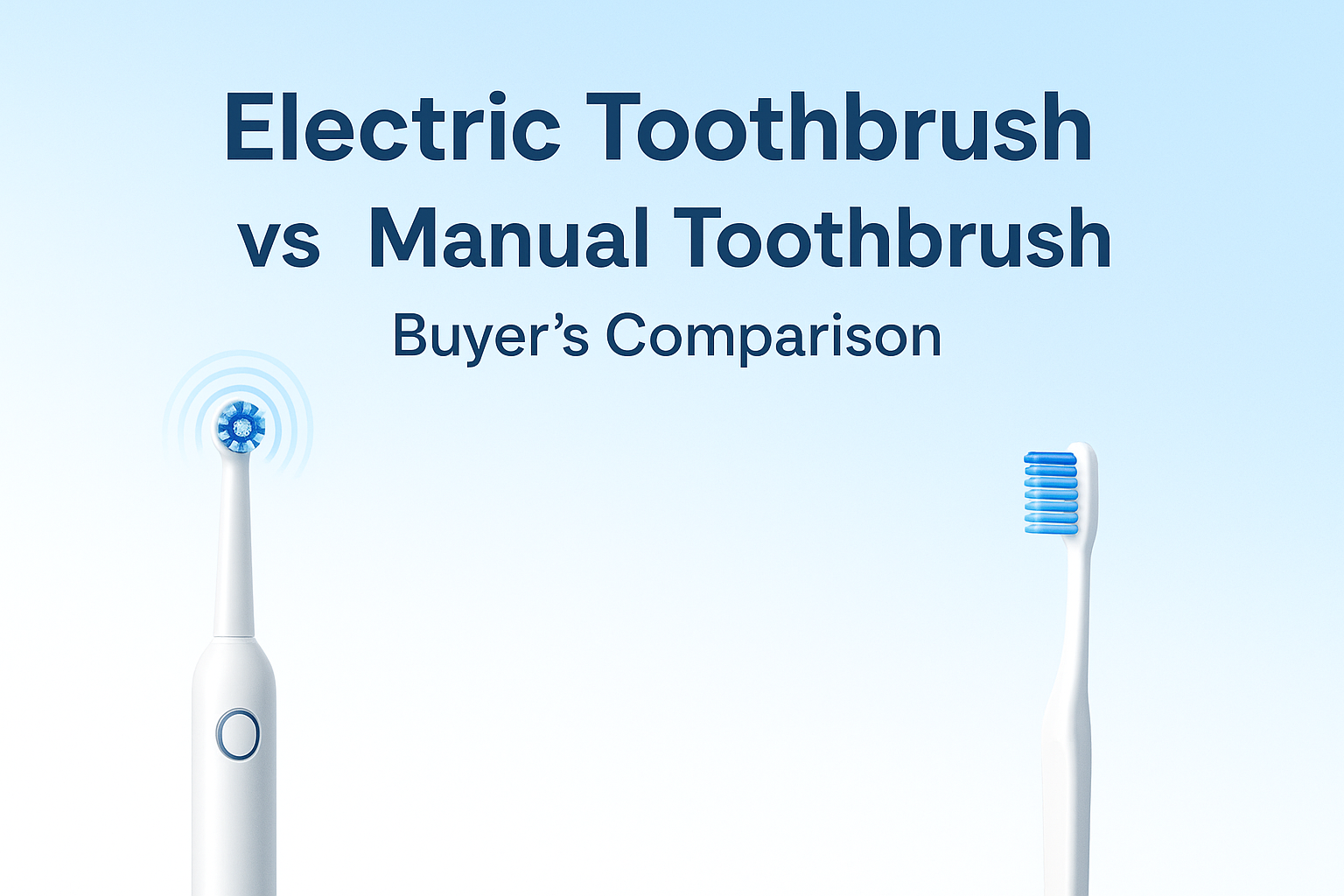
Understanding the Electric vs Manual Toothbrush Debate
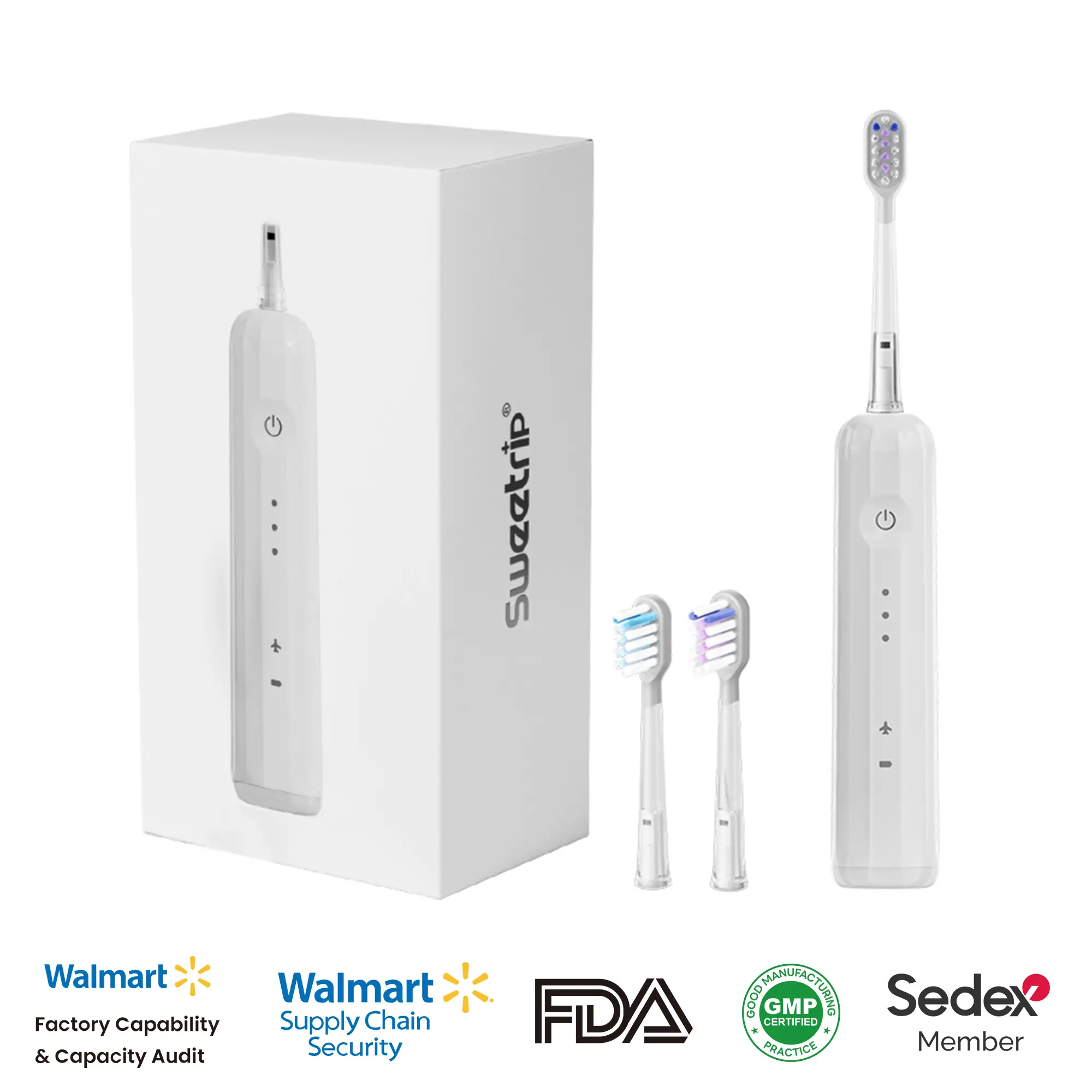
A manual toothbrush is the classic, no-battery tool we all grew up with. It’s affordable, easy to carry, and doesn’t require charging. Unlike manual brushing, an electric toothbrush moves the bristles for you through tiny oscillations or sonic pulses. This action helps remove more plaque with less effort.
Both serve the same fundamental goal—keeping your teeth clean—but they achieve it through different mechanisms.
If you’d like to explore high-quality options, check out OralGos’ latest collections:
🪥 Manual Toothbrushes | ⚡ Electric Toothbrushes
Efficiency and Cleaning Performance of Electric vs Manual Toothbrushes
When comparing electric vs manual toothbrush, the first thing most buyers look at is cleaning efficiency.
Plaque Removal Power
According to multiple dental studies, electric toothbrushes can remove up to 20% more plaque than manual brushes. The gentle movements from oscillation or sonic vibration help clean between teeth and along the gum line more thoroughly.
Manual toothbrushes, though effective when used properly, rely heavily on the user’s technique. Without proper angle or duration, some plaque might remain behind—especially near the molars and gum edges.
Gum Health and Pressure Control
Many electric toothbrushes have pressure sensors and timers that help prevent over-brushing, a common cause of gum recession. Manual toothbrush users need to self-regulate pressure and time, which can be less consistent.
For people with sensitive gums or early signs of gingivitis, an electric toothbrush feels gentler and easier to control.
Ease of Use and User Experience: Electric vs Manual Toothbrush Comparison
Another key factor in the electric vs manual toothbrush comparison is user experience.
Learning Curve and Convenience
Manual toothbrushes are straightforward—no batteries, no chargers, and no setup. They’re great for travel, quick brushing, or anyone who prefers a low-tech solution.
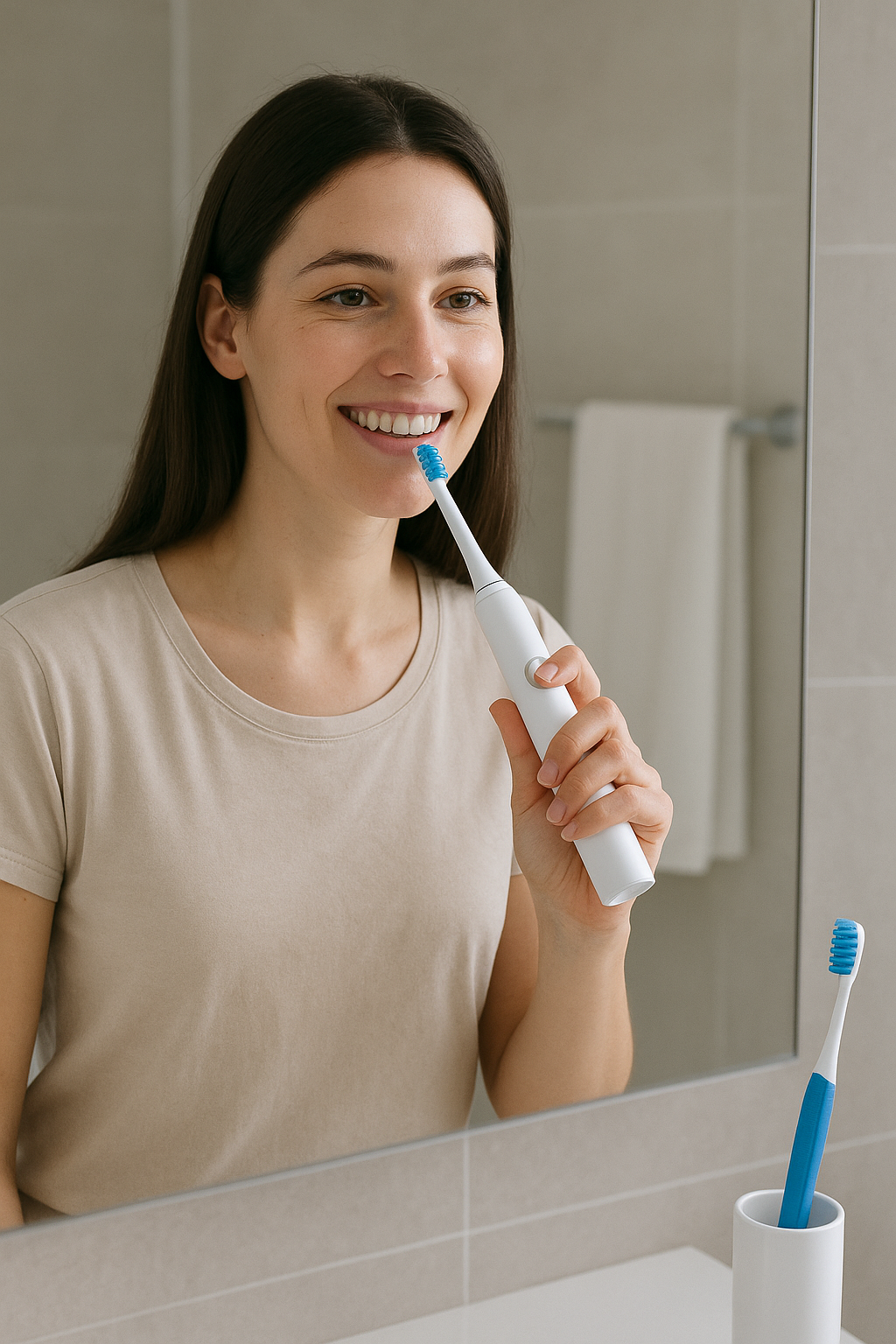
Electric toothbrushes require some initial adjustment. You need to learn the right motion (mostly guiding, not scrubbing) and remember to recharge or replace brush heads regularly. However, most users report that once they adapt, the brushing experience feels cleaner and more comfortable.
Accessibility and Age Considerations
Electric toothbrushes are ideal for children, seniors, or individuals with limited hand mobility. The automatic brushing action reduces the need for fine motor control.
Meanwhile, manual brushes remain the go-to for travelers or people who value simplicity and control.
Cost and Long-Term Value: Electric vs Manual Toothbrushes
Price often determines which side of the electric vs manual toothbrush comparison buyers lean toward.
Manual toothbrushes are budget-friendly and simple to use. You only need to replace them every three months—no extra maintenance required.
Electric toothbrushes, however, represent an investment. The initial cost can be 10–20 times higher, and replacement heads add recurring expenses. In the long run, the advantages are evident. Better oral health, reduced dental visits, and lasting gum protection ultimately justify the cost.
A practical approach favored by many oral care users is to use both options. The electric toothbrush is ideal for everyday use at home. The manual brush, on the other hand, works well as a convenient backup for travel or unexpected situations.
Environmental and Maintenance Factors in Electric vs Manual Options
With growing awareness of sustainability, many consumers now consider eco-impact when choosing between electric and manual toothbrushes.
Manual toothbrushes tend to produce more plastic waste since they require frequent replacement. Some brands now offer biodegradable or bamboo handles to reduce environmental impact.
Electric toothbrushes, while using batteries and electronic components, have longer lifespans. Replacing only the brush heads minimizes waste. For eco-minded users, rechargeable models with recyclable components strike a balance between performance and responsibility.
Expert Insights and Recommendations for Electric vs Manual Toothbrushes
When it comes to professional opinion, most dentists agree that technique matters more than the tool itself. If you’re diligent, brush for two minutes twice a day, and replace your brush regularly, both types can maintain healthy teeth and gums.
However, for people who:
- Struggle with manual dexterity
- Want consistent brushing results
- Have sensitive gums or orthodontic appliances
…an electric toothbrush is often the smarter investment.
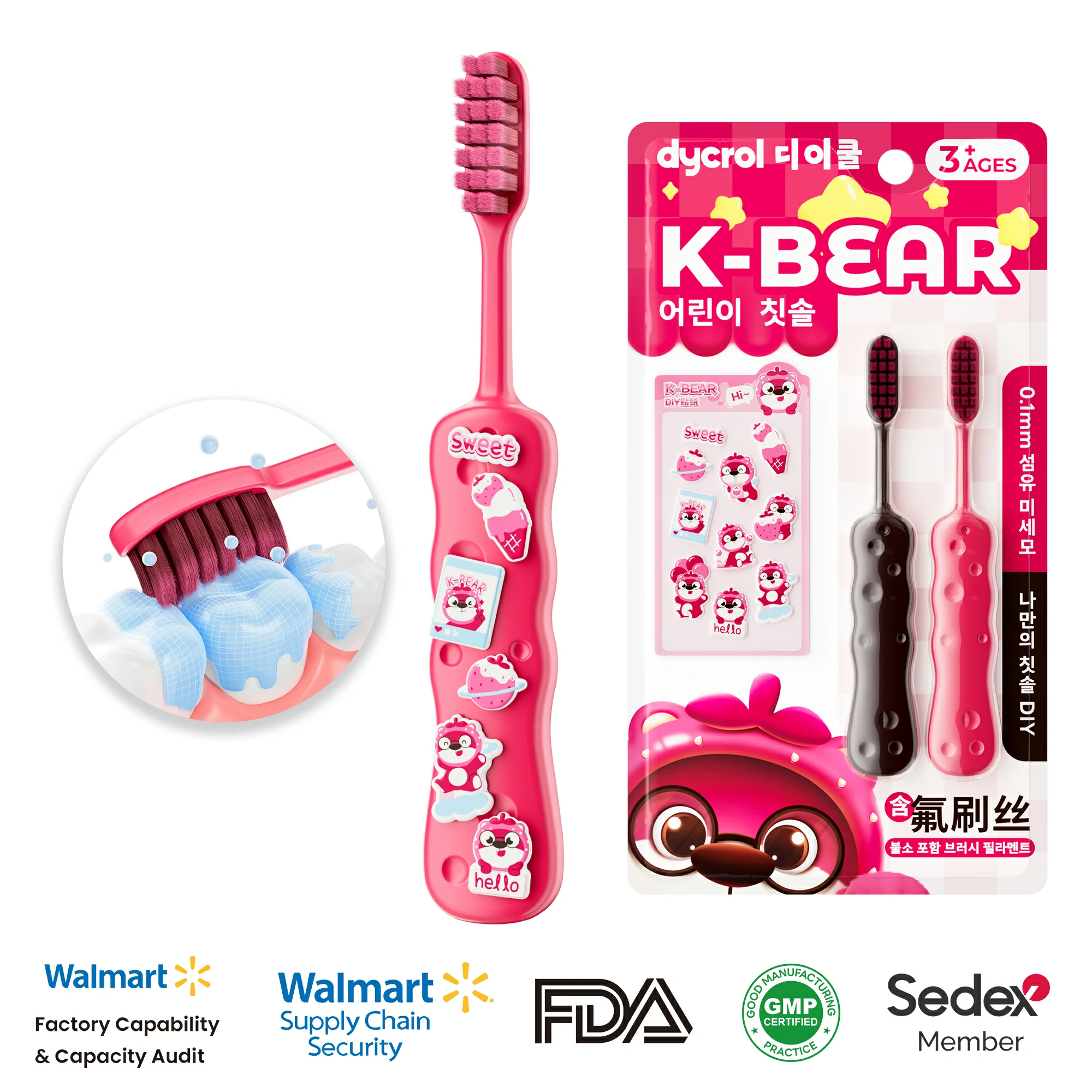
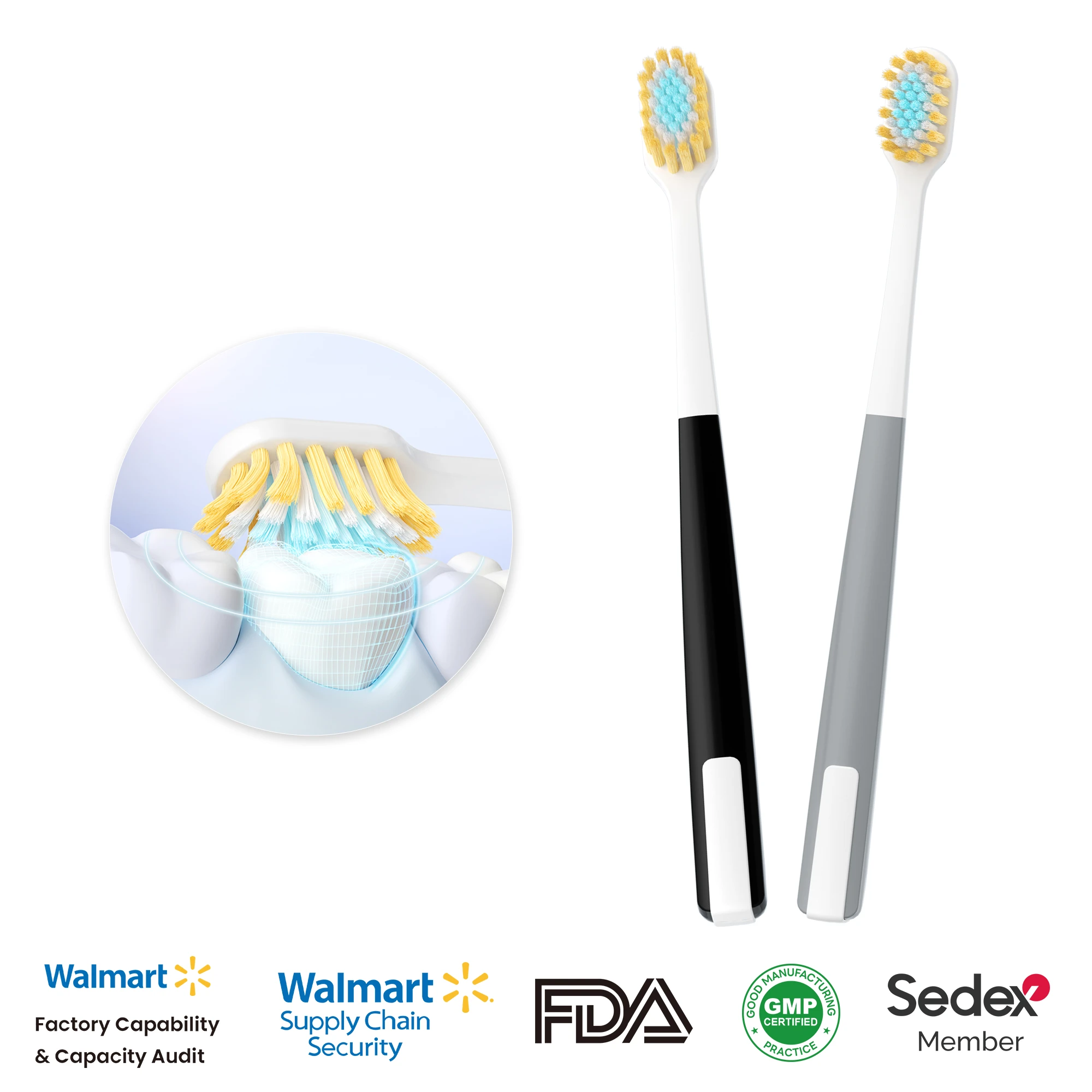
For those who value simplicity, control, and portability, a manual toothbrush remains a reliable option. Premium models, such as those in OralGos’ Manual Toothbrush Collection, deliver excellent cleaning performance.
Final Verdict: Which Toothbrush Should You Buy?
So, in the electric vs manual toothbrush debate—who wins?
There’s no universal answer. The right choice depends on your brushing habits, oral condition, and lifestyle.
- Choose electric if you value precision, efficiency, and convenience.
- Stick with manual if you prefer simplicity, affordability, and control.
- Combine both for the best of both worlds—use an electric brush daily and keep a manual one in your travel kit.
For a balanced selection that fits every preference and budget, explore:
🪥 OralGos Manual Toothbrush Range
⚡ OralGos Electric Toothbrush Range
Want to compare models and features before buying? Check reputable reviews from The Oral Health Foundation, which offers science-based recommendations for toothbrush performance and safety.