Consumers today are paying more attention to products that align with their cultural and ethical values. This shift in awareness has created new opportunities in many personal care categories. Among them, halal oral care stands out as one of the fastest-growing segments in the global market.
For Muslim consumers, maintaining oral hygiene is not just about health. It also reflects their commitment to spiritual purity and ethical consumption.
Retailers targeting Indonesia, Malaysia, and other Muslim-majority markets can no longer ignore this powerful shift. To succeed in this market, retailers must first understand what halal oral care means. They also need to know how certification builds consumer trust and which trends shape purchasing behavior.
Understanding Halal Oral Care and Its Growing Relevance
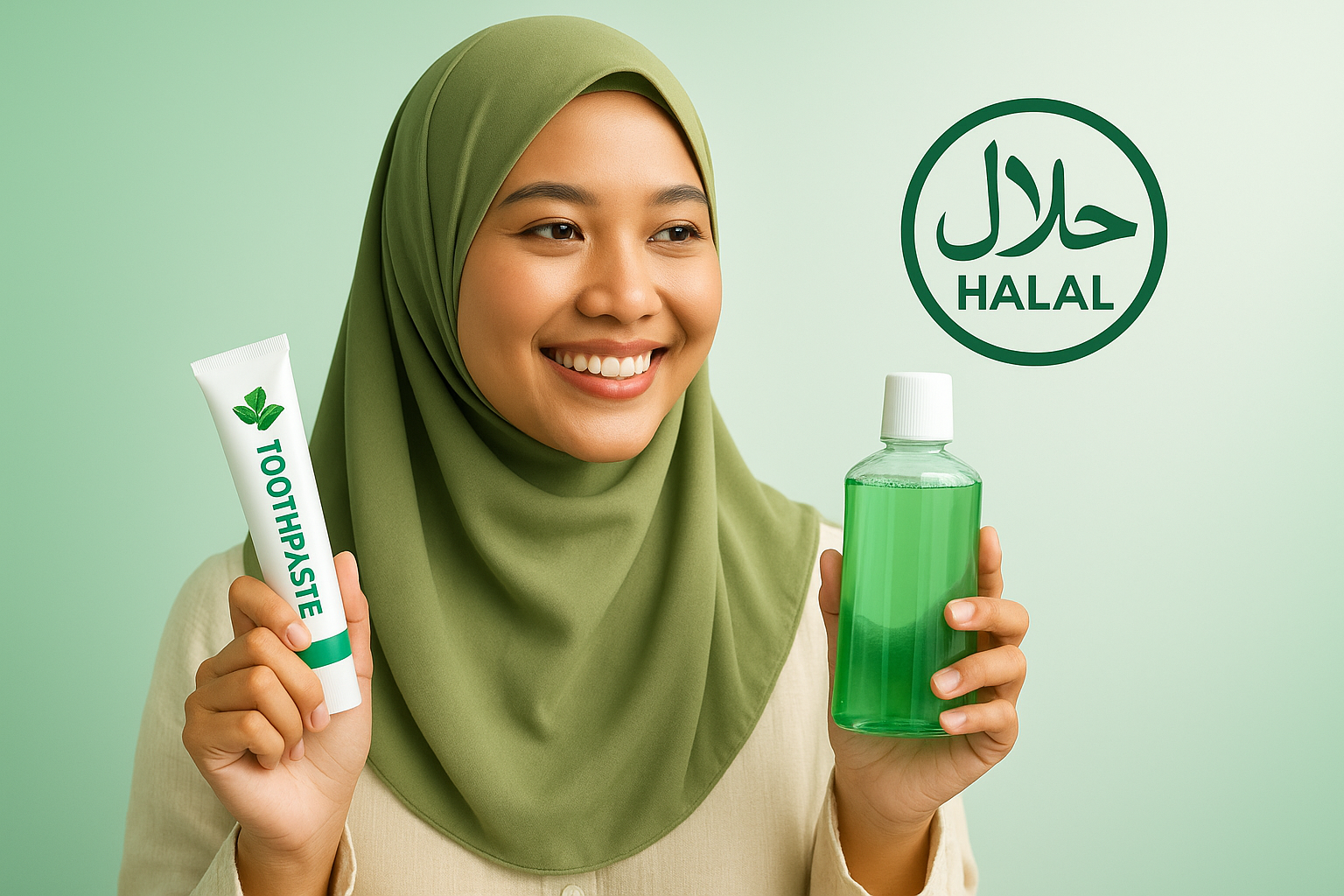
The term “halal” refers to what is permissible according to Islamic law. Most people think halal certification only applies to food. In fact, it also includes everyday products like cosmetics and oral care items.
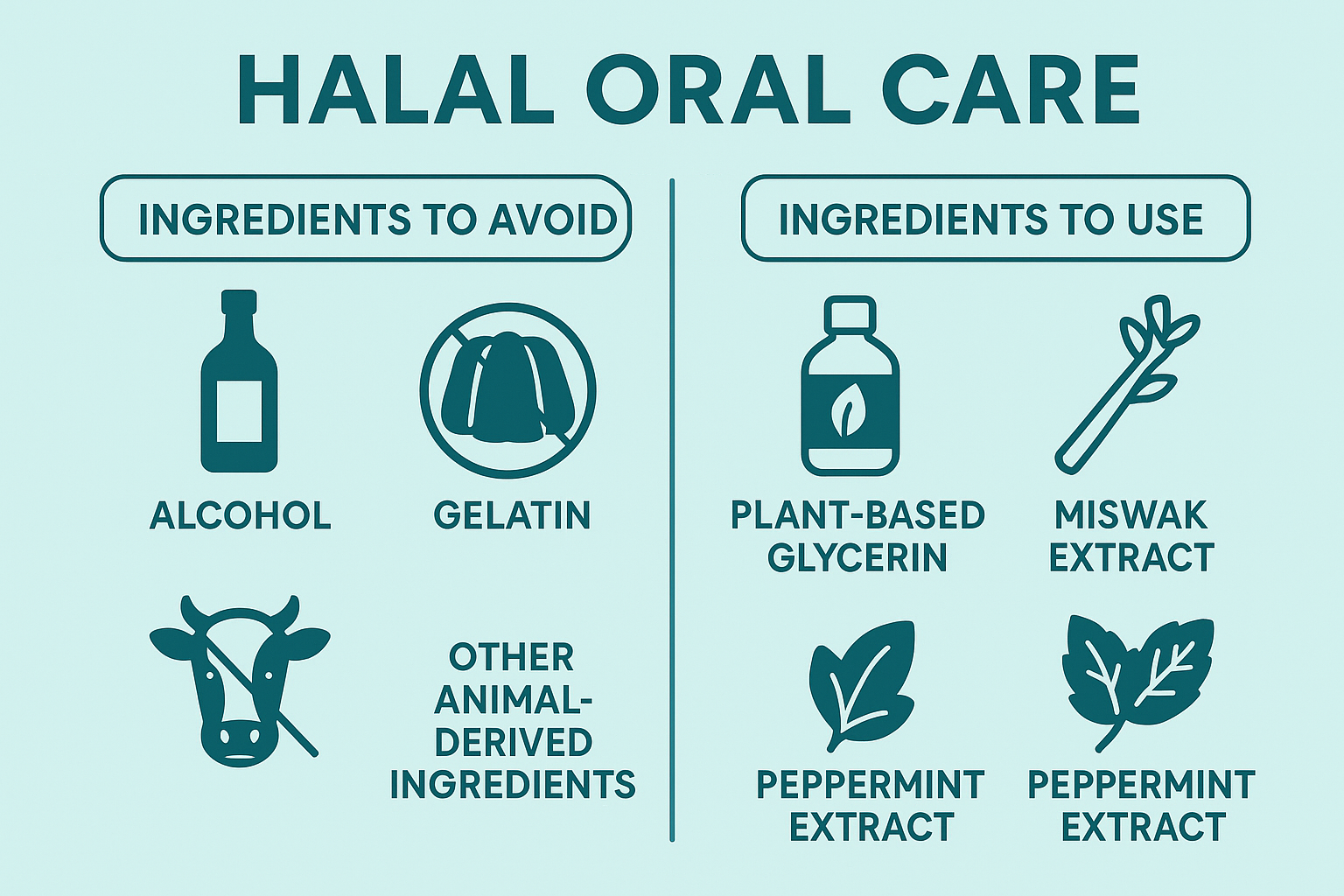
For halal oral care products, compliance means strict avoidance of non-halal substances. These include alcohol, gelatin, and any animal-derived glycerin that does not follow Islamic processing principles.
Muslim consumers today pay closer attention to product ingredients than ever before. They care not only about what enters their bodies, but also about what they use on them. This shift shows a broader demand for transparency and ethical formulation.
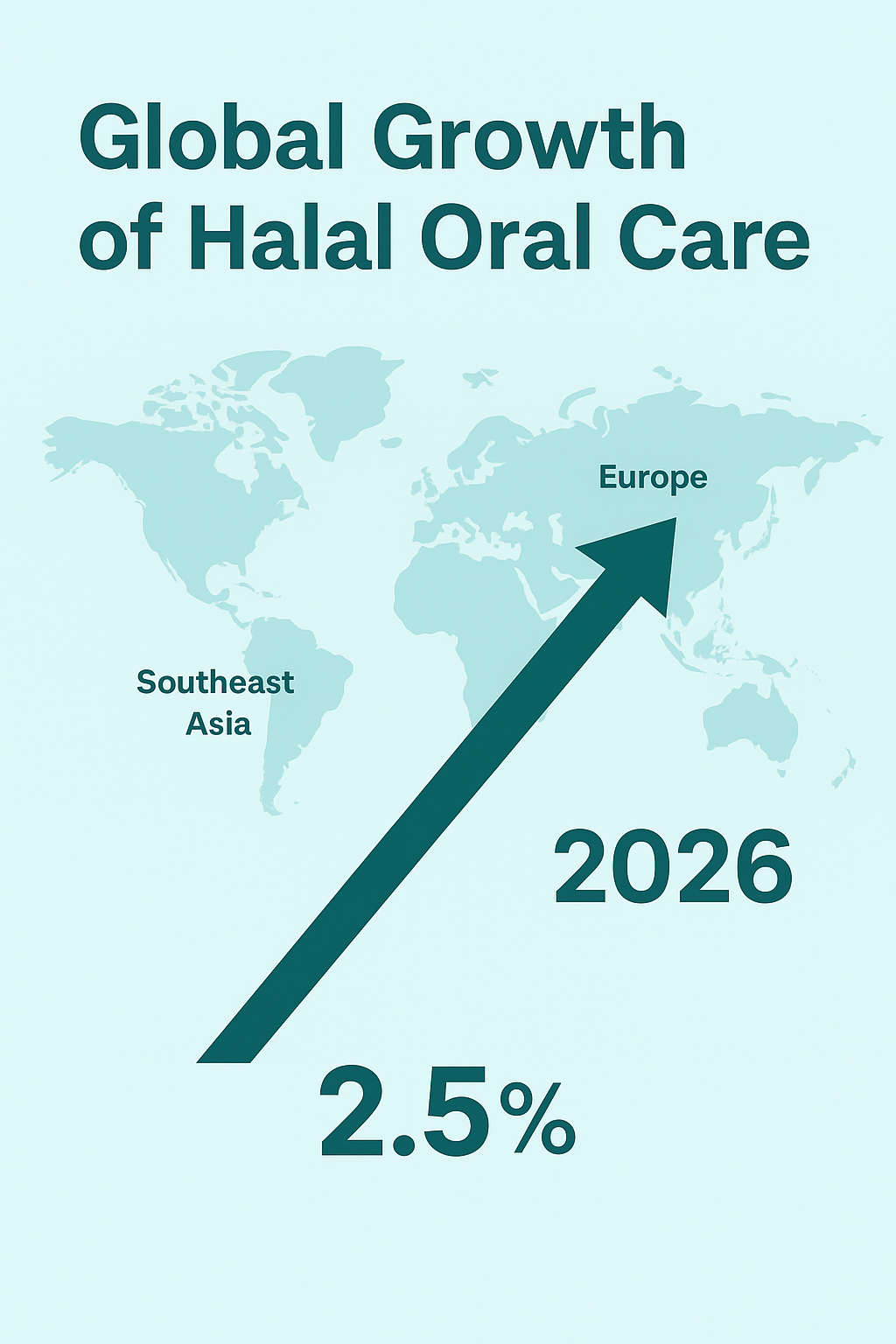
A DinarStandard report projects that the halal personal care market will exceed US$90 billion by 2026. Oral care plays a significant role in driving this expansion.
Why Muslim Consumers Value Halal Certification
To Muslim consumers, halal labeling is not just a marketing statement. It’s a trusted sign of ethical integrity and religious compliance. Certification guarantees that every step of production, from raw materials to packaging, aligns with Islamic principles.
Indonesia is home to over 230 million Muslims, while Malaysia treats halal compliance as a national benchmark. In these markets, halal-certified oral care products hold a clear competitive edge. Retailers offering verified halal goods earn stronger consumer trust and brand loyalty.
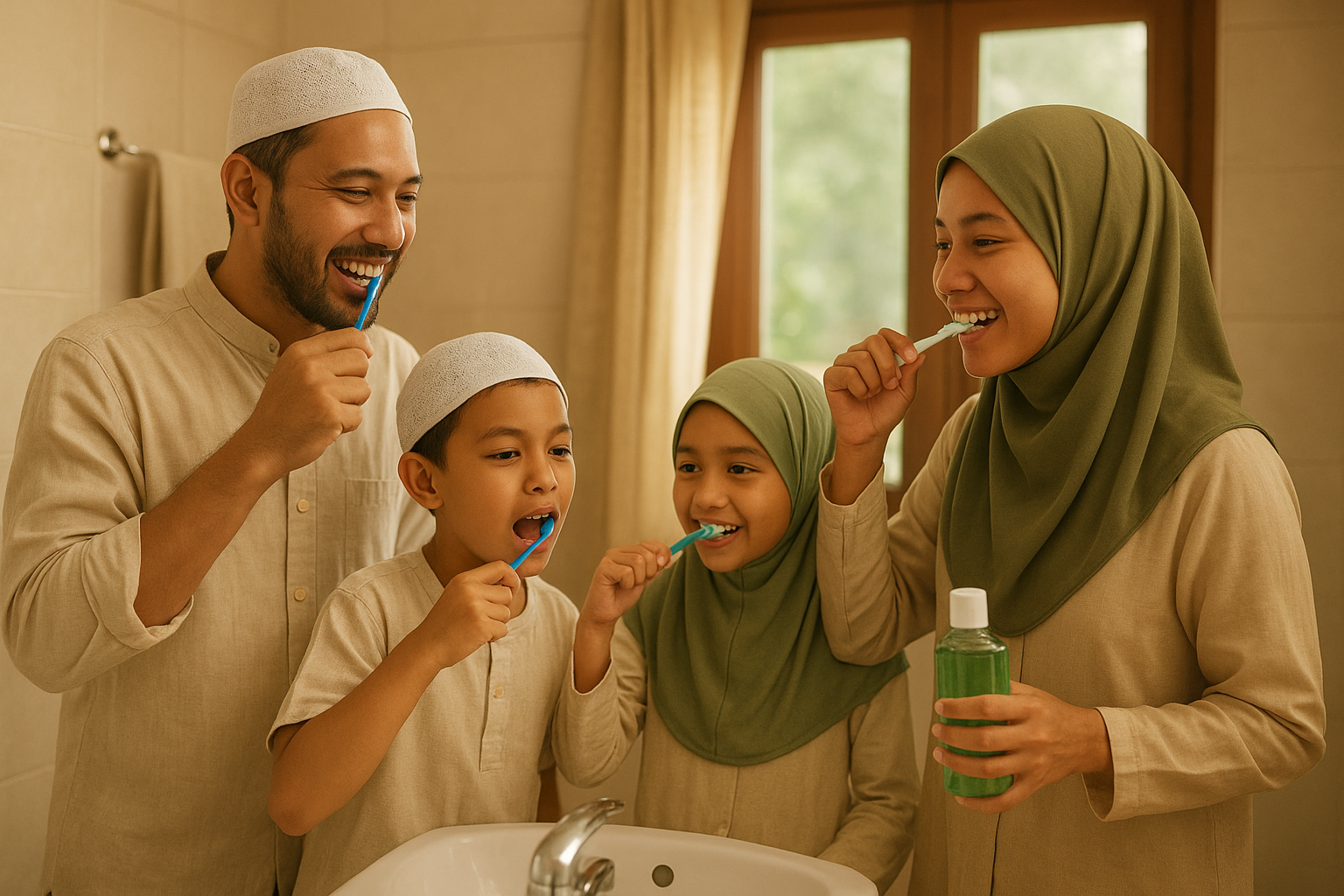
Moreover, these consumers often seek brands that combine halal integrity with modern efficacy. A halal-certified toothpaste that whitens effectively shows how faith and function can coexist. The same applies to alcohol-free mouthwash, which delivers strong antibacterial protection without compromising religious values.
The Market Potential in Indonesia and Malaysia
Indonesia and Malaysia are global frontrunners in halal certification and consumer awareness. Indonesia and Malaysia each have national halal authorities—BPJPH and JAKIM, respectively. These organizations play a crucial role in monitoring product labeling and ensuring compliance with halal standards.
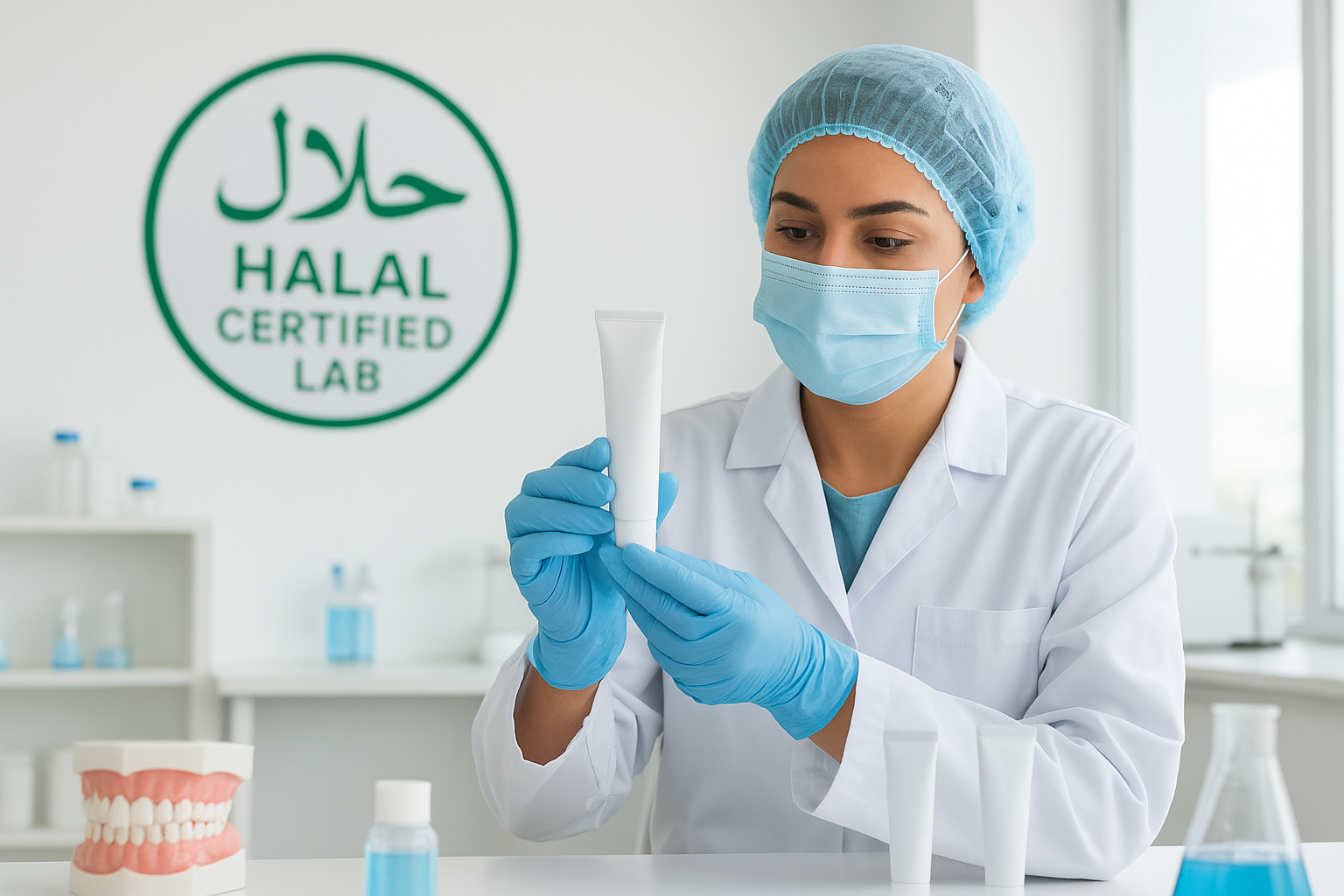
Retailers in these markets can benefit from the halal certification framework. It helps them earn consumer trust and strengthen their position as credible suppliers of halal oral care products. Retailers can ensure halal integrity and top-tier quality by partnering with certified OEM manufacturers like OralGos OEM Service. Such collaboration guarantees that every private-label product aligns with both faith and performance standards.
E-commerce platforms such as Tokopedia, Shopee, and Lazada report increasing searches for halal-certified oral care products. This trend shows that demand is growing online and spans the entire country.
How Retailers Can Build Consumer Confidence
To appeal to Muslim consumers, transparency and education are key. Retailers can enhance product credibility by:
- Highlighting Halal Certification: Display halal logos clearly on packaging and online product listings.
- Educating Consumers: Share insights on ingredient sourcing and certification processes to build brand authenticity.
- Offering a Complete Range: Combine halal toothpaste, mouthwash, and toothbrushes into cohesive sets to encourage repeat purchases.
- Collaborating with Trusted Manufacturers: Working with halal-compliant facilities—such as those found in OralGos Products—ensures consistent quality and ethical alignment.
- Adopting Localized Marketing: Use culturally relevant visuals and language to connect emotionally with Muslim audiences.
When retailers incorporate these steps into their strategy, halal oral care moves beyond being a niche product. It becomes a symbol of respect and inclusivity for Muslim consumers.
Innovation in Halal Oral Care: Beyond Compliance
Modern halal oral care brands are proving that faith-based compliance can coexist with scientific innovation. Many manufacturers now incorporate natural ingredients like miswak extract, mint oil, and coconut-derived cleansers to deliver superior freshness without alcohol or synthetic agents.
This innovation-driven approach resonates with Muslim consumers who value both purity and performance. Retailers who stock halal oral care products can confidently meet the expectations of a younger, more informed generation. This generation carefully checks labels, researches products online, and shows loyalty to ethical brands.
In addition, sustainable packaging and cruelty-free testing are becoming strong complements to halal integrity. These added values further enhance a brand’s position in the Indonesian and Malaysian markets.
Future Outlook: Halal Oral Care as a Global Standard
Halal oral care is expanding beyond Southeast Asia. As consumers worldwide become more focused on ethical choices, halal-certified products are gaining popularity beyond Muslim markets. Their appeal lies in safety, transparency, and clear labeling.
The takeaway for retailers is simple. Investing in halal oral care today positions your business for success in tomorrow’s multicultural marketplace. It’s not only about religious alignment—it’s about global relevance.
Retailers can serve Muslim consumers responsibly and profitably by working with trusted halal-certified manufacturers like OralGos. Retailers can achieve this through private-label partnerships or direct imports.
Final Thoughts
Understanding halal oral care is essential for retailers. It is a key step for achieving long-term growth in Muslim-majority regions where culture and commerce intersect. By respecting religious values and ensuring product integrity, businesses can strengthen their connections with Muslim consumers. This approach also supports a more inclusive and ethical global oral care industry.