In 2025, sustainability has become a defining factor driving consumer choices and brand growth. Gen Z consumers, born between 1997 and 2012, have become a powerful market force. They’re reshaping industries with strong preferences for sustainability and eco-conscious products. In the oral care sector, this shift is particularly evident. More brands are focusing on green innovation, from eco packaging to sustainable toothpaste formulas. This approach attracts young consumers who value a healthy smile and a healthier planet.
Why Gen Z Prefers Sustainable Toothpaste
Unlike previous generations, Gen Z doesn’t see sustainability as a marketing slogan—it’s a lifestyle expectation. A Deloitte consumer study revealed that over 70% of Gen Z buyers consider ethics and sustainability when shopping. These young consumers actively seek out products with ethical and eco-friendly credentials.
In oral care, this means choosing sustainable toothpaste brands. These products often feature biodegradable ingredients, cruelty-free testing, and recyclable or refillable packaging.
For Gen Z, brushing teeth goes beyond a daily routine—it reflects a conscious commitment to sustainability. Eco packaging represents a visible statement of values—minimal waste, reduced carbon footprint, and conscious consumption.
The Rise of Eco Packaging in Oral Care
The traditional toothpaste tube, made from mixed plastics and aluminum layers, is notoriously difficult to recycle. As consumers became more aware of this, brands began developing alternatives that align with modern sustainability goals.
Eco packaging in today’s oral care industry includes:
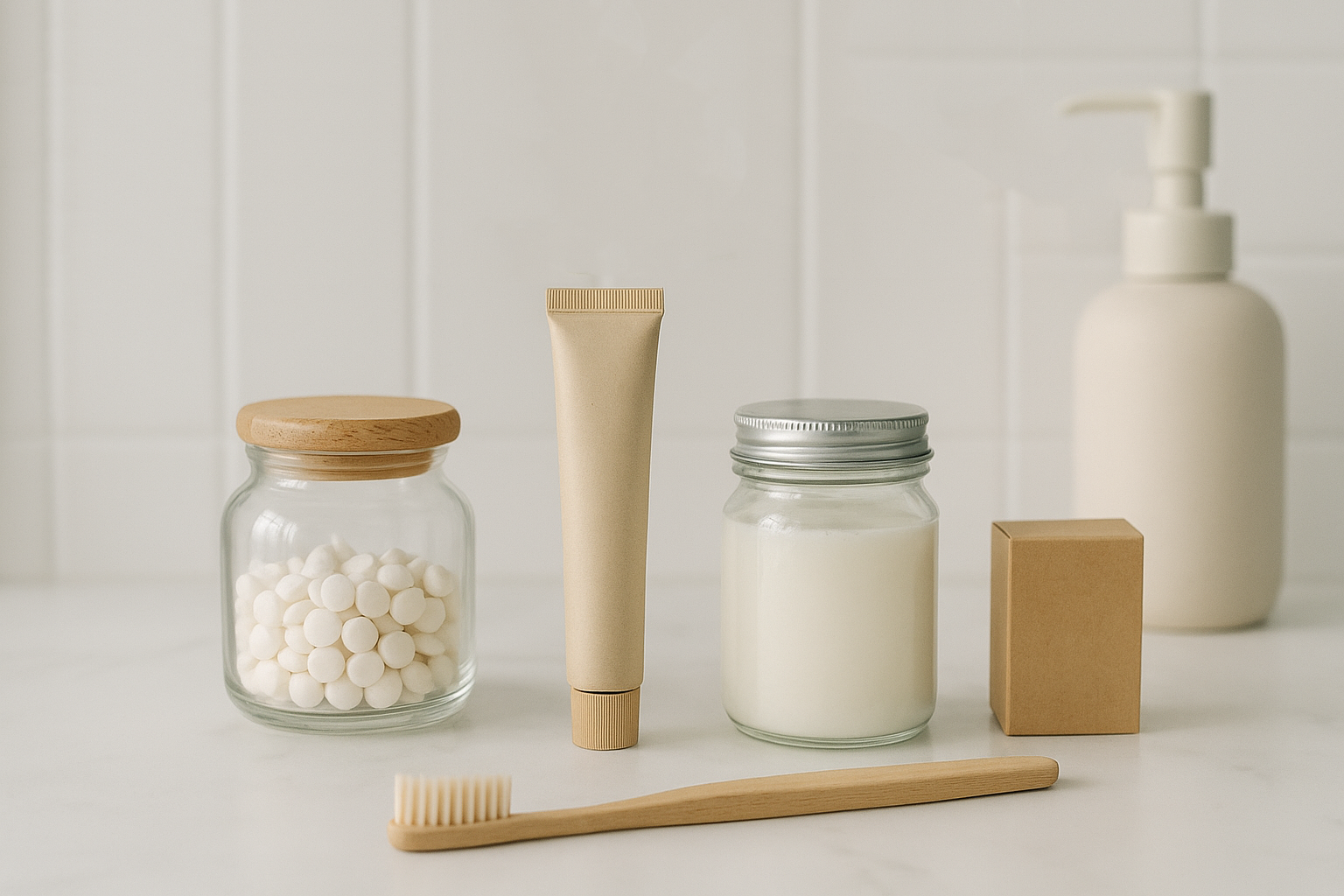
- Toothpaste tablets in compostable pouches – Compact, lightweight, and ideal for travelers, these eliminate the need for bulky plastic tubes.
- Aluminum and sugarcane tubes – 100% recyclable options that reduce reliance on fossil-based materials.
- Glass jars and refill systems – Encouraging consumers to reuse instead of discard.
- Paper-based or bamboo containers – Combining aesthetic appeal with low environmental impact.
Each of these packaging innovations isn’t just functional—it also taps into Gen Z’s design sensibilities. Clean lines, minimalist labels, and earthy tones communicate transparency and environmental awareness.
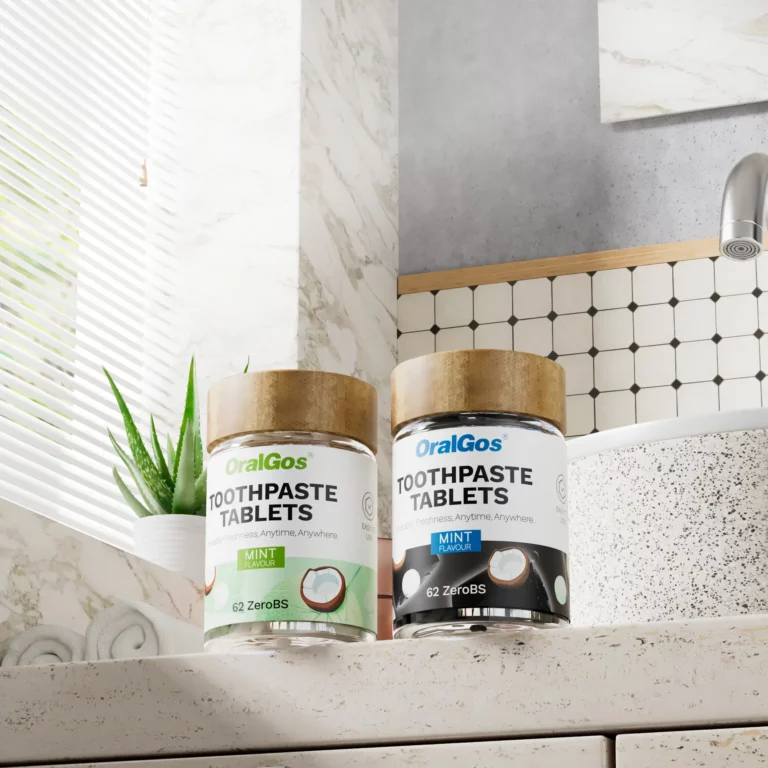
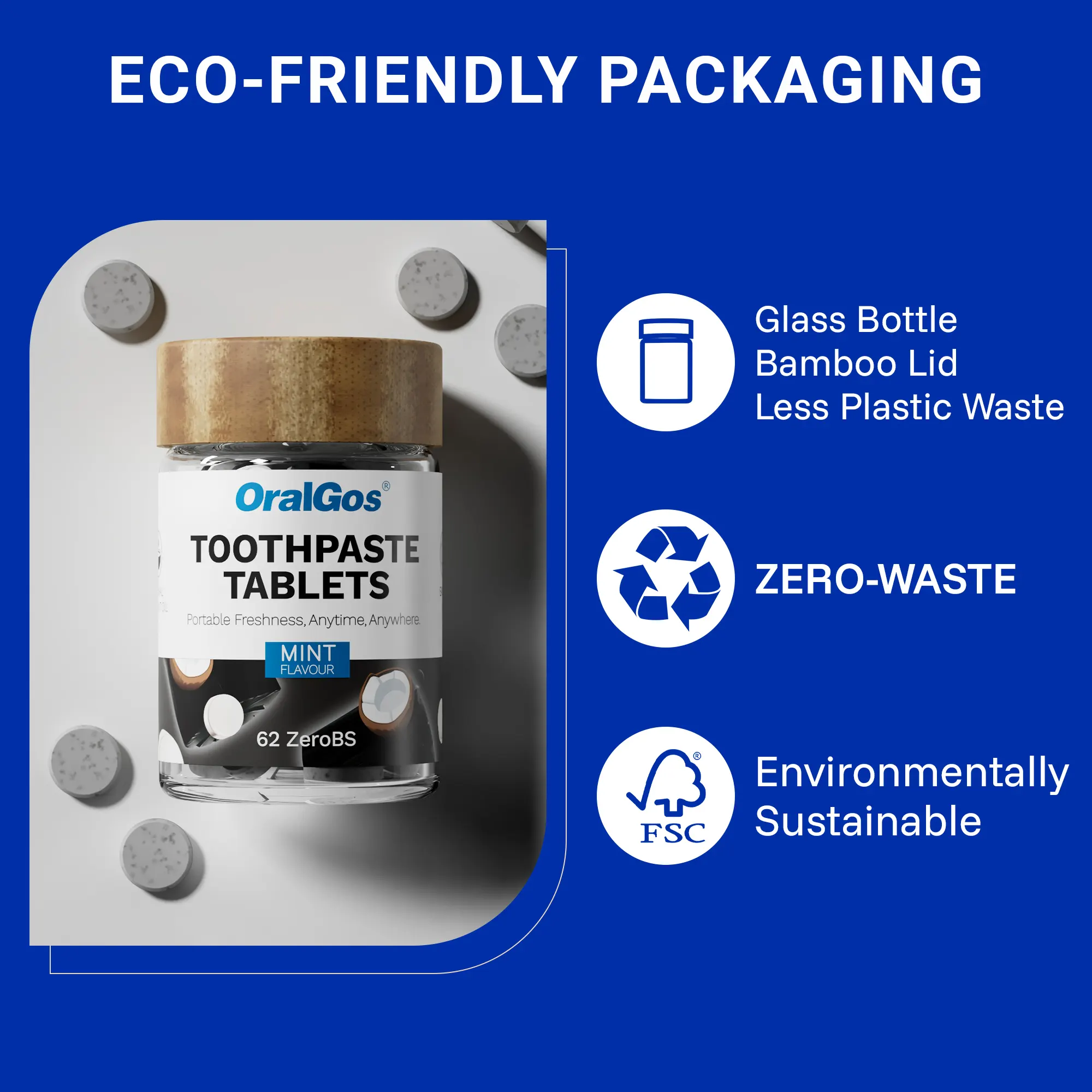
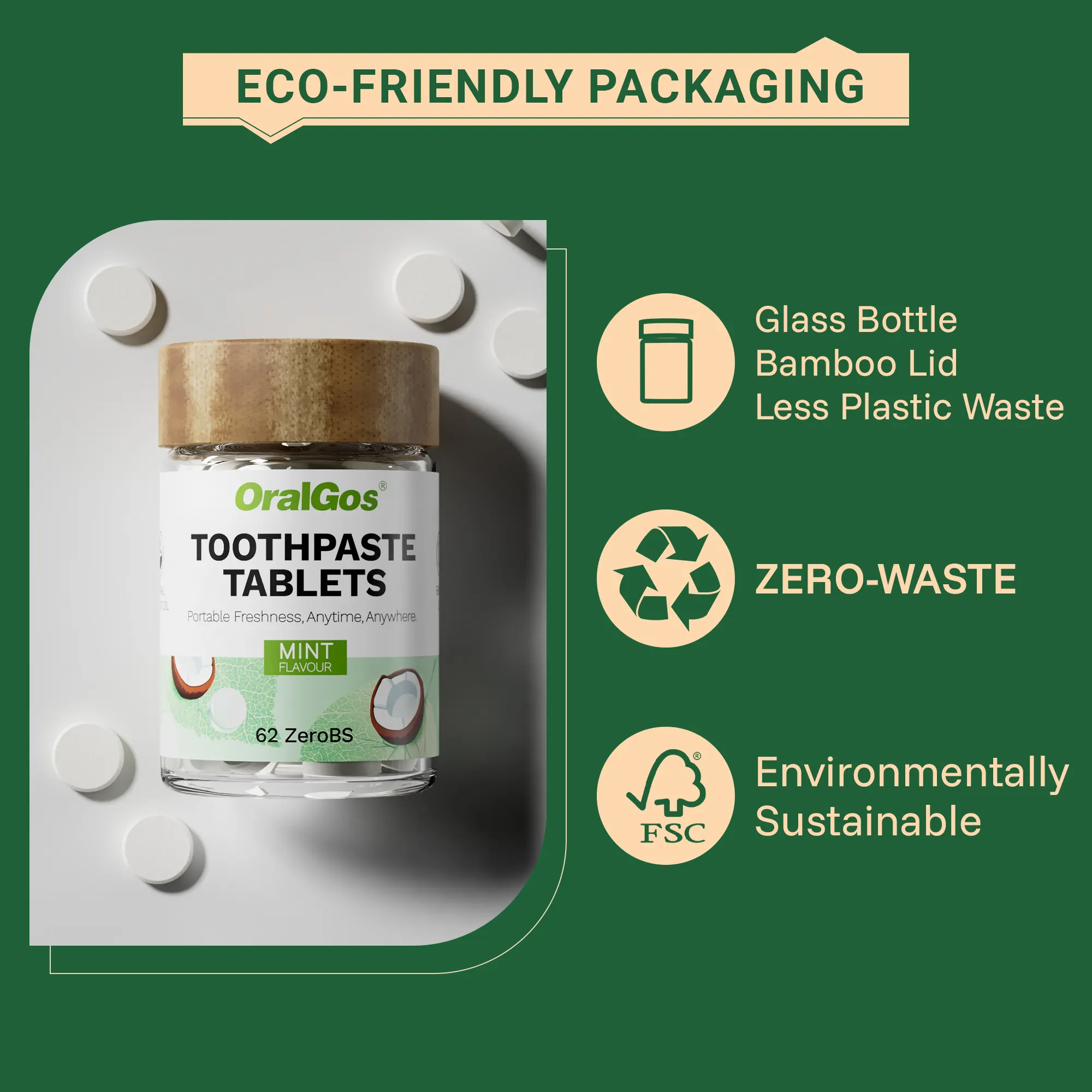
The Oralgos ZeroBS Natural Toothpaste Tablets serve as a clear example of this shift. Encased in glass jars, the tablets offer a combination of sustainability, durability, and convenience.
Innovations in Eco Packaging and Sustainable Toothpaste
While the “look” of eco packaging matters, the true innovation lies in materials science. New developments are making sustainable toothpaste packaging more durable, functional, and accessible.
- PLA bioplastics (Polylactic Acid) made from corn or sugarcane provide a biodegradable alternative to petroleum plastics.
- Mushroom-based materials are emerging as compostable fillers and cushioning for product shipments.
- Brands now use recycled post-consumer plastic (PCR) in caps and tubes, transforming old waste into new packaging materials.
- Cellulose film wraps are replacing non-recyclable foils for toothpaste tablets.
These innovations allow oral care companies to maintain quality while drastically reducing waste. They also create opportunities for storytelling—something Gen Z loves. Every material choice becomes a talking point for social media and brand identity.
Gen Z’s Psychology: More Than Greenwashing
To truly connect with this demographic, brands must go beyond surface-level claims. Gen Z consumers are quick to spot “greenwashing”—empty sustainability promises without real environmental commitment. Authenticity is key.
That means transparency about sourcing, production, and packaging life cycles. Brands should communicate metrics such as “90% plastic reduction” or “100% biodegradable packaging” rather than vague buzzwords. QR codes linking to sustainability reports or carbon footprint data are also becoming popular features on eco packaging, signaling honesty and accountability.
Sustainable toothpaste brands need to connect with Gen Z on two levels. They must meet consumers’ eco-conscious expectations while also aligning with their ethical values. They want their purchases to have a meaningful impact on the environment and society.
Marketing Eco Packaging to Gen Z Consumers
Visual storytelling plays a massive role in converting awareness into loyalty. On platforms like Instagram and TikTok, sleek eco packaging is practically part of the product experience.
Successful brands use:
- Minimalist, pastel-toned packaging that fits clean lifestyle aesthetics.
- User-generated content campaigns encouraging consumers to show their “plastic-free morning routine.”
- Educational branding that highlights how small actions—like switching to sustainable toothpaste—add to global impact.
The packaging becomes an emotional connector, merging sustainability with self-expression.
Eco Packaging: A Smart Business Move for Sustainable Toothpaste Brands
Adopting eco packaging strategies not only reduces environmental impact but also strengthens business performance and market competitiveness. Green design reduces shipping costs, meets regulatory expectations, and opens new retail opportunities in eco-conscious stores. In B2B markets, hotels, spas, and health clinics are increasingly choosing sustainable toothpaste lines. These businesses aim to align their products with ESG (Environmental, Social, and Governance) standards.
Forward-thinking brands like OralGos are leading the way, proving that profitability and responsibility can coexist.
Final Thoughts
The toothpaste tube may be small, but it represents a massive opportunity for change. With Gen Z driving market trends, toothpaste brands using eco-friendly and innovative packaging can distinguish themselves. Their appeal lies not just in the product itself, but in the purpose behind it.
When your packaging tells a story of responsibility, consumers don’t just buy it—they believe in it.