Raising children comes with many milestones—first words, first steps, and yes, their first toothbrush. A bright smile builds a child’s confidence and health. That’s why kids oral care should begin earlier than most parents expect. From baby teeth to teenage smiles, understanding each stage helps prevent cavities and build strong, lifelong habits.
Why Kids Oral Care Matters from Day One
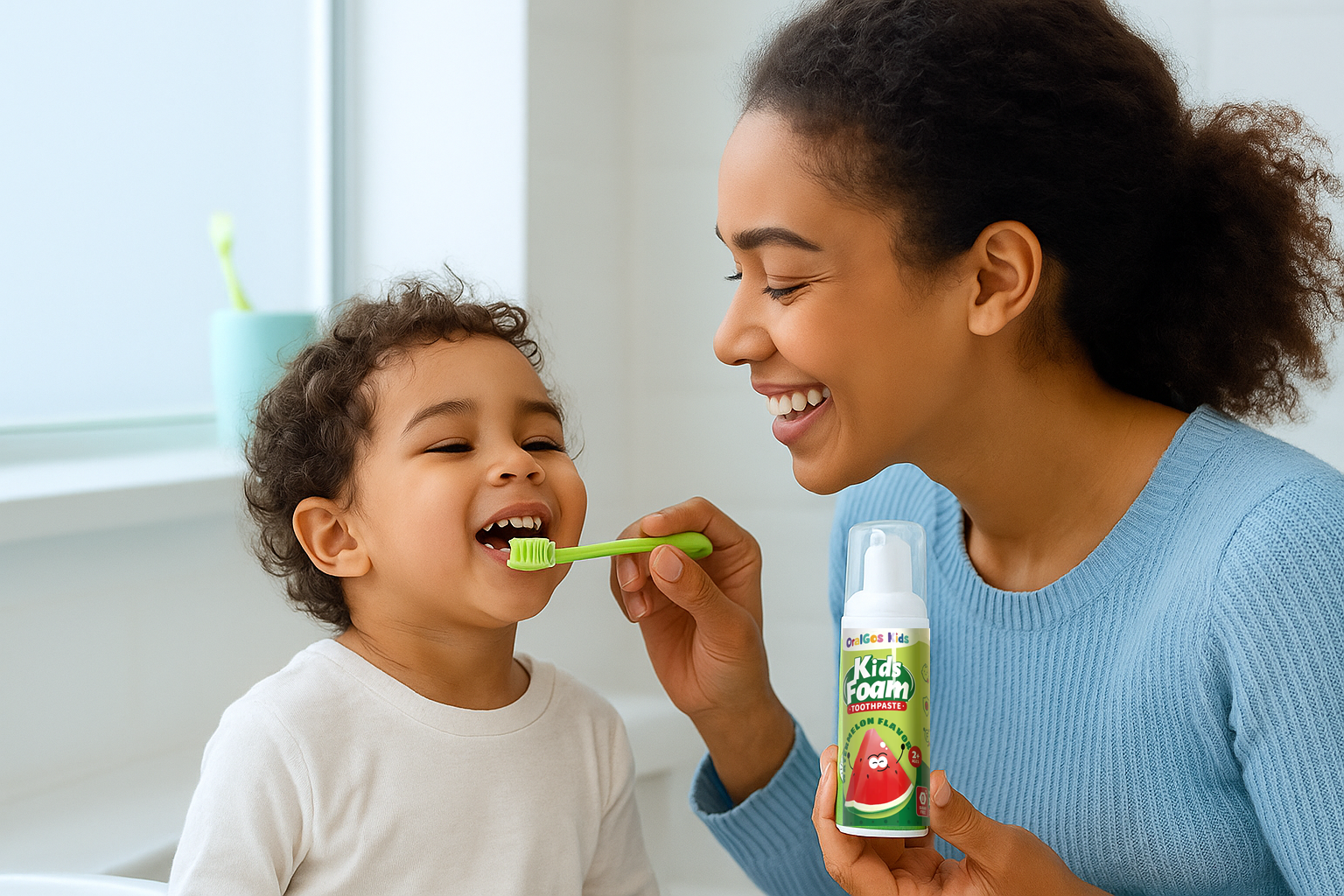
Many parents assume dental care starts when the first tooth appears, but oral hygiene actually begins much earlier. After feeding, gently wipe your baby’s gums with a clean, damp cloth to remove bacteria. As soon as the first tooth comes in, switch to a baby toothbrush with soft bristles and use just a rice-sized amount of fluoride toothpaste.
Fluoride strengthens enamel and helps resist acid attacks from food and bacteria. Without it, children are more prone to cavities, even before age two. Early care ensures those first teeth grow strong and stay cavity-free, preparing the way for healthy permanent teeth.
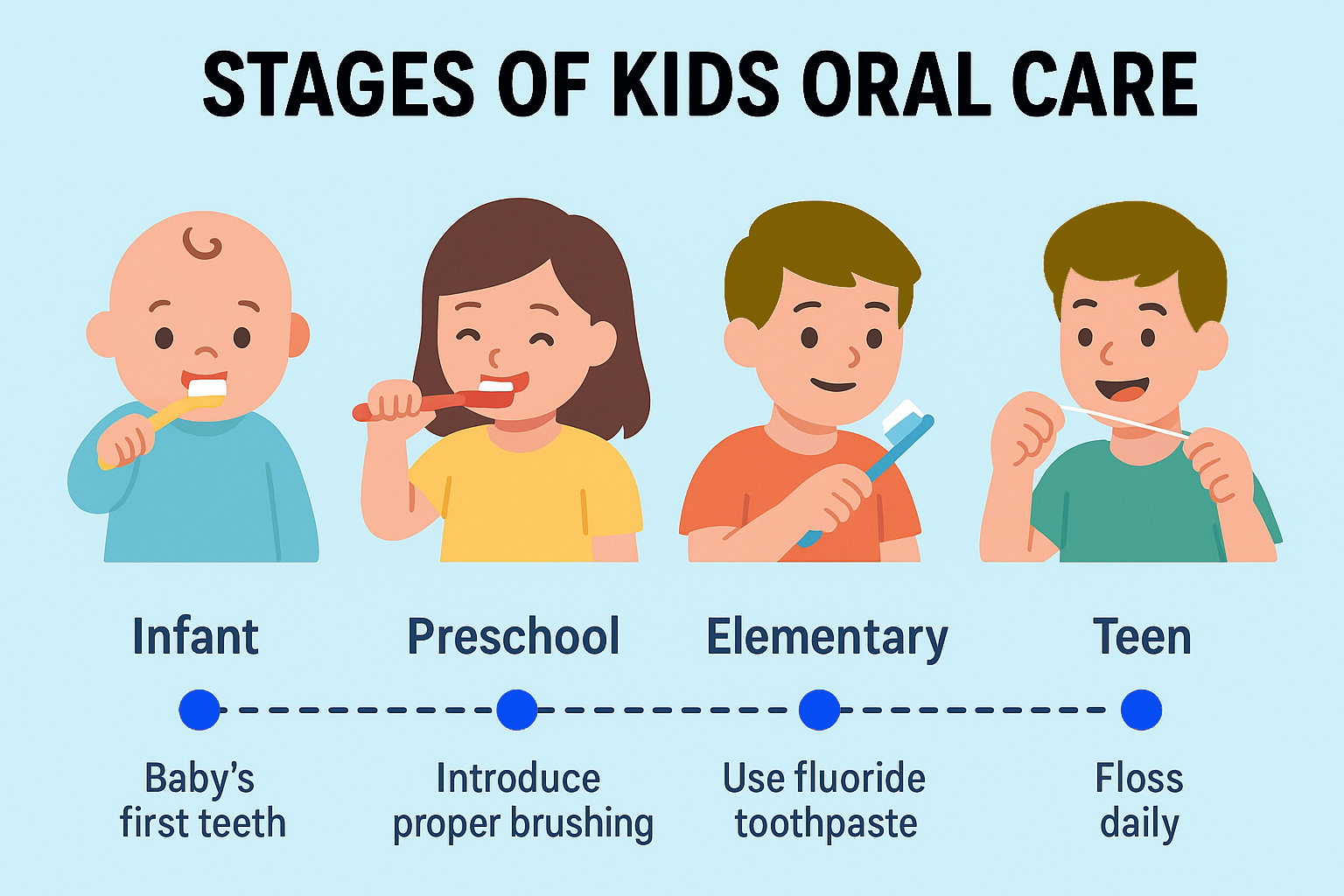
Stage 1: Infancy (0–2 Years) – Early Kids Oral Care Basics
At this stage, parents are the primary caregivers for their child’s teeth. Establishing consistent routines early helps children accept brushing as a normal part of daily life. Here are a few essentials:
- Use a fluoride toothpaste for babies once the first tooth erupts.
- Brush twice a day with a soft brush and minimal pressure.
- Avoid putting babies to bed with milk or juice, as sugars can feed bacteria overnight.
- Schedule the first dental visit by the child’s first birthday.
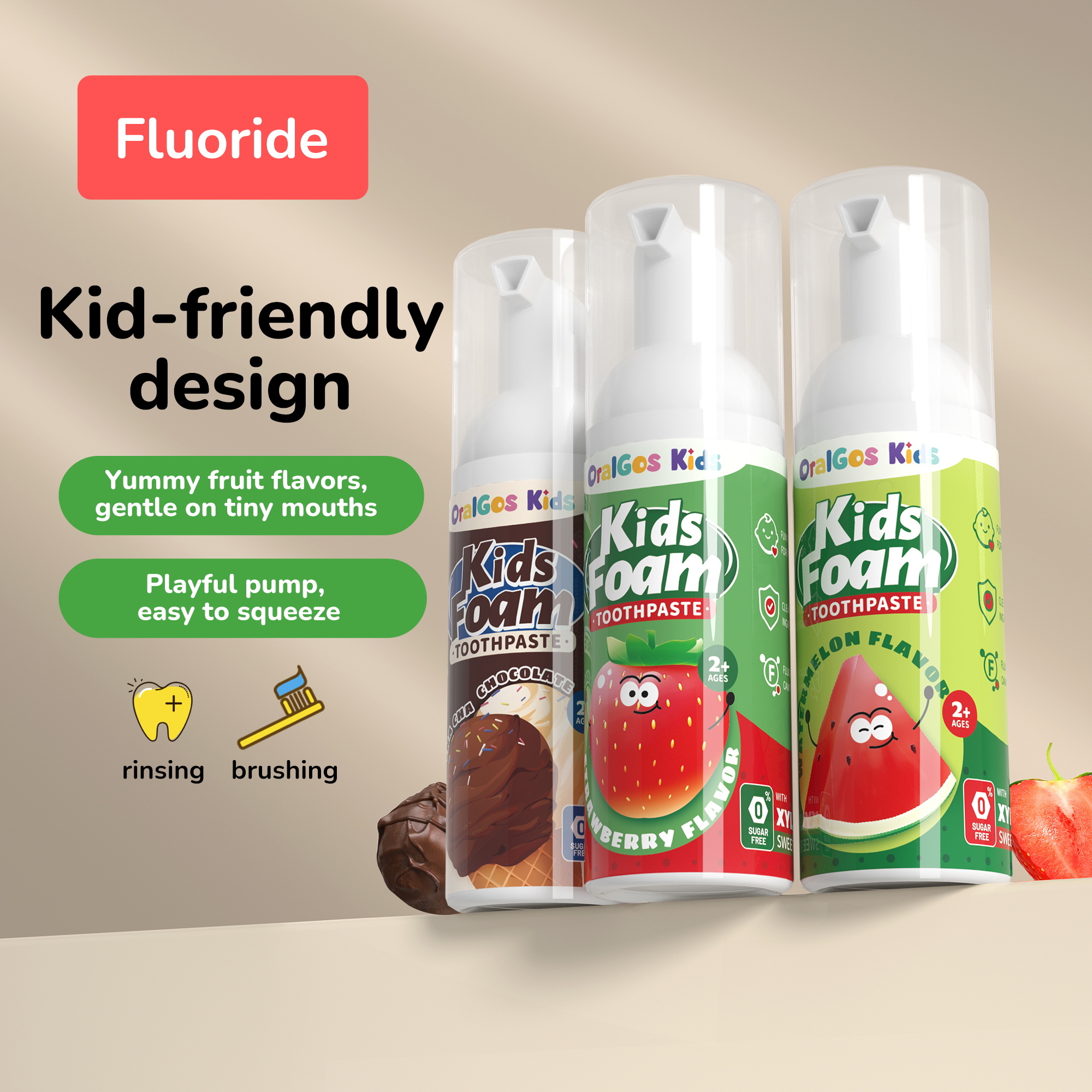
👉 To begin fluoride brushing safely, consider the OralGos Kids Foam Toothpaste. It gently protects and strengthens developing enamel.
Stage 2: Early Childhood (3–6 Years) – Introducing Fluoride Toothpaste
By preschool age, brushing becomes a shared activity. Parents should supervise, ensuring kids brush for two minutes, twice a day. The amount of fluoride toothpaste can now increase to a pea-sized dab.
Encouragement and fun tools make a difference—try colorful toothbrushes, songs, or reward charts. Children at this stage are developing independence, so consistency and positive reinforcement are key.
Tips for parents:
- Start teaching gentle circular brushing motions.
- Parents should reduce sugary snacks and drinks between meals to help prevent cavities.
- Make regular dental checkups a habit every six months.
Stage 3: Middle Childhood (7–12 Years) – Kids Oral Care Routines
Permanent teeth begin to appear, making oral care even more important. Older children should be able to brush independently, but parents should still check for thoroughness—especially along the gumline.
At this stage, proper kids oral care goes beyond brushing. Introduce:
- Flossing: Once teeth touch, flossing removes plaque where brushes can’t reach.
- Mouth rinse: Dentists often recommend fluoride rinses to provide extra enamel protection.
- Balanced diet: Encourage water over sugary drinks, and plenty of fruits and dairy for natural calcium and phosphate.
Parents and teachers can find valuable guidance in educational materials from reputable dental organizations, such as the American Dental Association’s resources for children. These materials help promote better oral hygiene awareness.
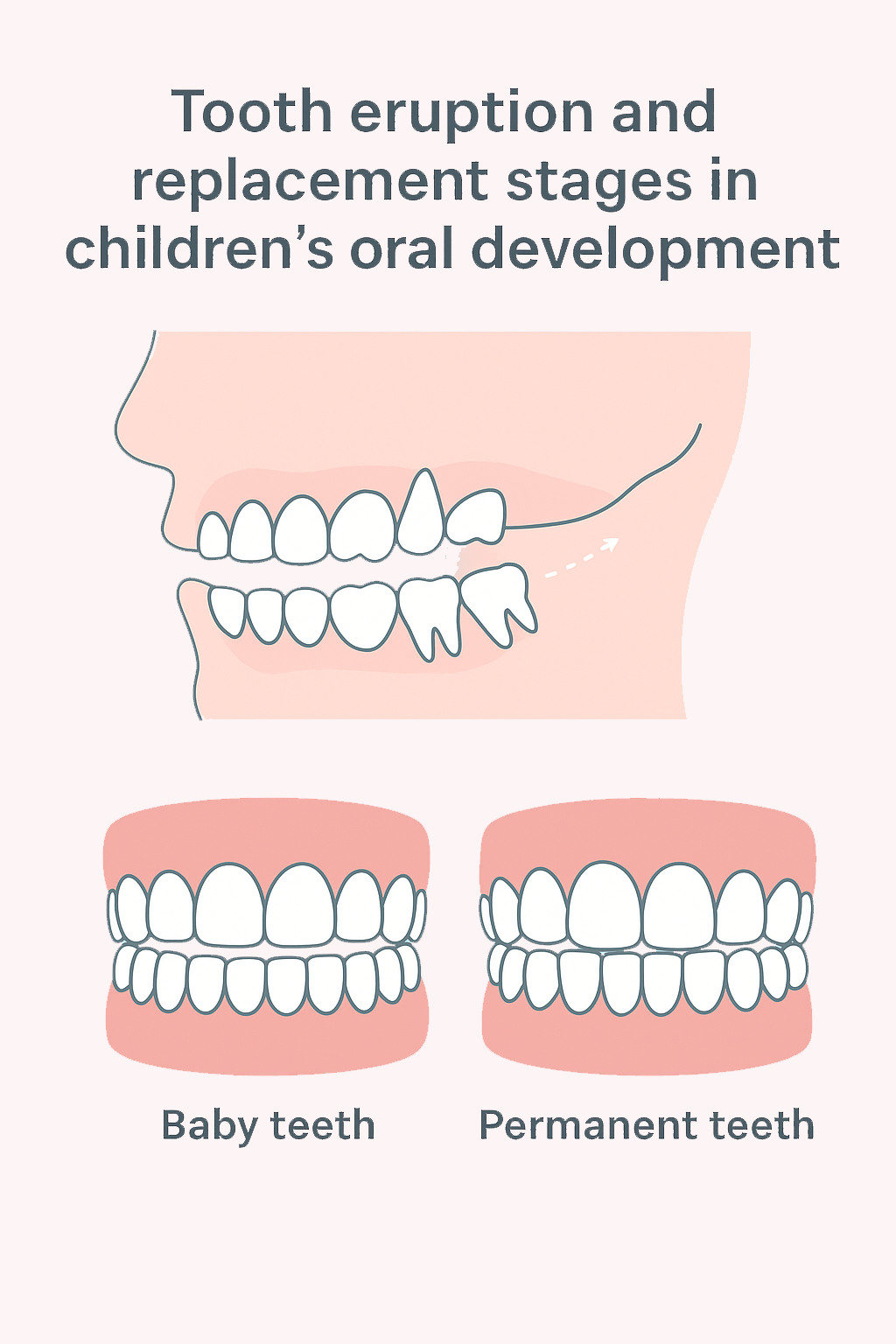
Stage 4: Teen Years (13+) – Transitioning to Adult Oral Care
Teenagers face new oral health challenges—orthodontic treatments, diet changes, and sometimes, less motivation to brush. Reinforce that strong, clean teeth are part of self-image and overall confidence.
Remind them that fluoride-based toothpaste remains essential for protection against cavities, especially when wearing braces. Consistent dental checkups, proper brushing, and reduced sugar intake will keep their smiles healthy and bright.
Building Healthy Oral Habits with Fluoride Toothpaste
Establishing strong kids oral care habits in childhood makes all the difference later. Encourage these long-term behaviors:
- Brush twice a day with fluoride toothpaste.
- Replace toothbrushes every 3–4 months.
- Incorporate tooth-friendly foods into the diet, such as crisp fruits, vegetables, and cheese, to support oral health.
- Schedule regular dental visits to ensure early detection and prevention of oral health issues.
Parents who model these habits demonstrate that oral health is a lifelong priority, not just a chore. The more children see brushing and flossing as part of everyday wellness, the more likely they’ll maintain it as adults.
Final Thoughts on Kids Oral Care
Children’s oral care evolves with each growth stage—but the goal stays the same: strong, healthy teeth and confident smiles. Using the right fluoride toothpaste and building proper brushing habits from the start helps protect your child’s mouth from the first day.
A little daily care now prevents bigger dental problems later—and gives every child a reason to smile with pride.