As Latin America’s oral care landscape evolves, one product category is making waves — the water flosser. Known also as the oral irrigator, this innovative device is transforming how consumers maintain dental hygiene across the region. Among Latin American countries, Brazil stands out as both the fastest-growing and most influential market. The water flosser Brazil market is growing faster than ever as consumers invest more in dental wellness. In the next sections, we’ll see which channels lead the trend and how brands can make the most of this momentum.
1. Market Overview: Why Latin America Is Embracing Oral Irrigators
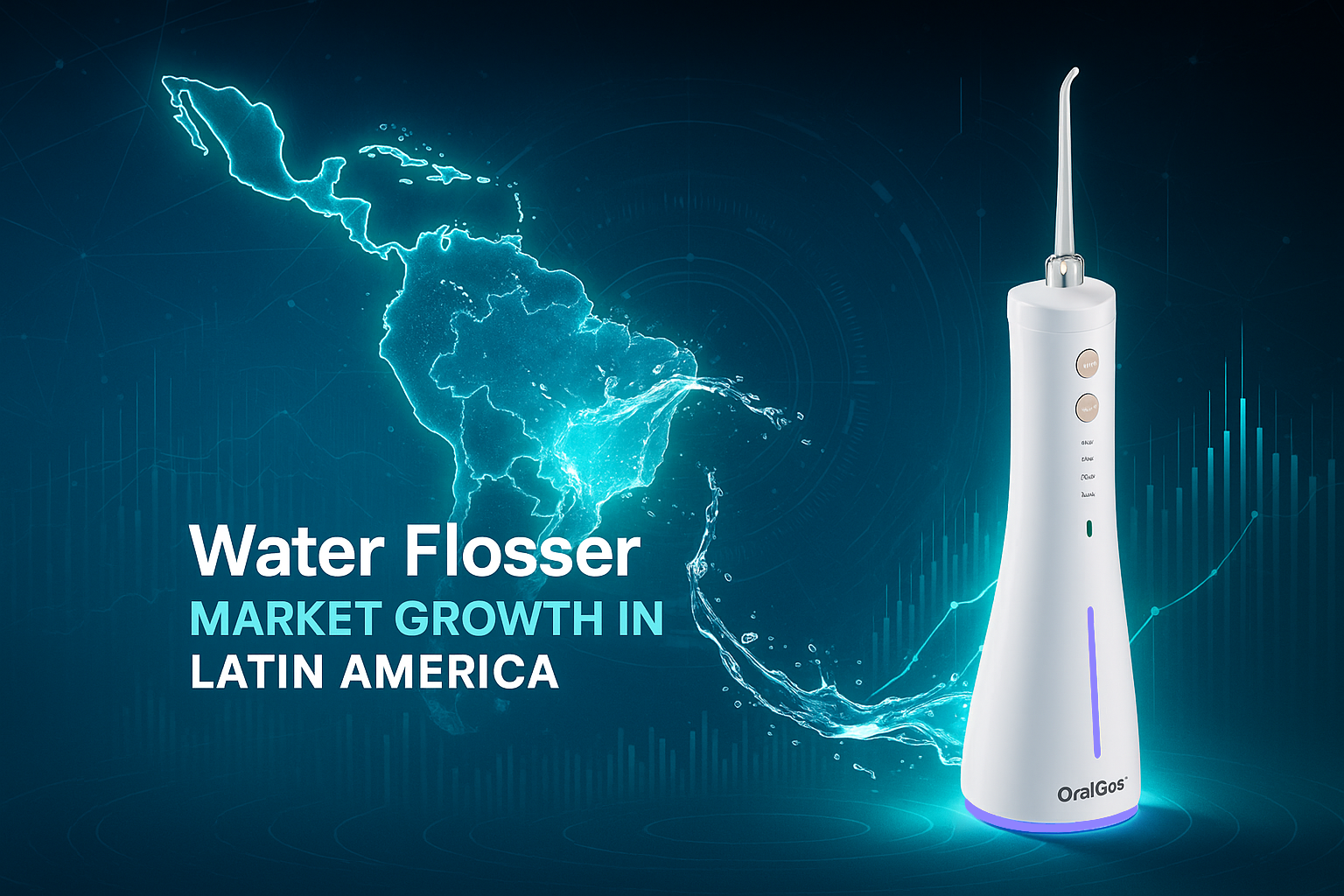
The Latin American oral care market has maintained steady growth in recent years. Consumers are increasingly focusing on preventive health and cosmetic dental care. According to Statista’s 2025 oral care market report, the segment in Latin America is expected to surpass USD 12 billion by 2028. Analysts project that the market will grow at a compound annual growth rate (CAGR) of around 6.5%.
Within this, oral irrigators represent one of the fastest-rising categories, particularly in Brazil, Mexico, and Chile.
Consumers are becoming more aware of the benefits of advanced dental cleaning tools, moving beyond manual flossing. The water flosser Brazil segment continues to expand steadily. Several factors are fueling this growth. Rising income levels, booming e-commerce, and social media awareness are changing how Brazilians care for their teeth.
Brazilian consumers now associate oral irrigators with professional-level cleaning and gum health improvement — a message strongly echoed by local dental professionals.
2. Why Brazil Dominates the Water Flosser Brazil Market
2.1 Consumer Awareness and Dental Culture
Brazil’s reputation for beauty and wellness extends into oral hygiene. Brazil has a highly developed dental culture. It also ranks among the countries with the largest number of practicing dentists in the world.
Brazil’s extensive dental network actively promotes the use of modern oral care technologies. As a result, the water flosser market in Brazil has become a natural hub for growth.
2.2 E-commerce and Retail Expansion
The digital marketplace has played a critical role in the distribution of oral irrigators. E-commerce platforms such as Mercado Livre, Amazon Brazil, and Drogaria São Paulo are driving market accessibility. They have expanded consumer reach through diverse product offerings. Customers can now choose from basic, budget-friendly models to advanced, premium designs.
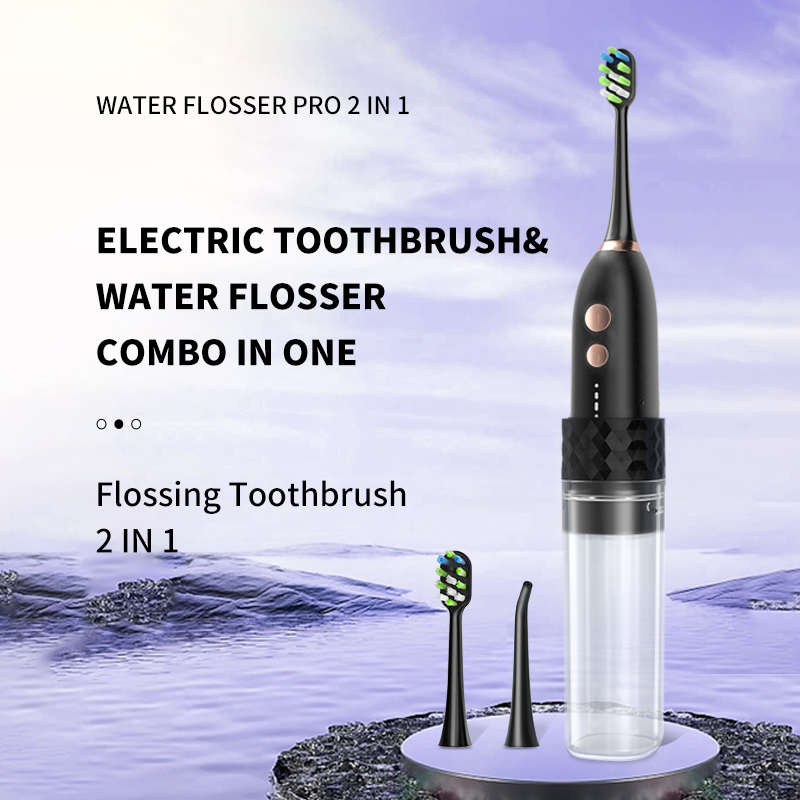
Offline retail continues to thrive too, particularly through pharmacies, dental clinics, and high-end supermarkets.
2.3 Growing OEM and Private Label Opportunities
As demand increases, local and international brands are seeking OEM manufacturing partnerships to produce private-label oral irrigators tailored to the Latin American audience. This trend has encouraged partnerships with global suppliers such as OralGos OEM Service. These partnerships allow brands to develop products tailored to Brazil, meeting both practical requirements and local aesthetic preferences.
3. Key Drivers Behind Latin America’s Oral Irrigator Market Growth
Several factors contribute to the strong regional growth of water flossers:
- Dental Health Awareness Campaigns: Both government and private programs encourage preventive care and daily oral hygiene. These efforts highlight the importance of using advanced dental cleaning devices.
- Technological Advancements: Newer models with portable designs, rechargeable batteries, and multiple pressure settings have increased consumer appeal.
- Affordability: Local manufacturing and OEM partnerships reduce costs, making oral irrigators more accessible to middle-income households.
- Influencer Marketing: Brazilian dental influencers and beauty bloggers have helped raise awareness about oral irrigators. They emphasize the benefits these devices offer for both gum health and a brighter, more attractive smile.
4. Distribution Channels for Water Flosser Brazil and Oral Irrigator Sales
The distribution landscape in Latin America is undergoing rapid transformation.
- Online Channels: E-commerce now represents nearly 40% of water flosser Brazil sales. Competitive prices and fast delivery services are driving this growth.
- Retail Pharmacies: Chain pharmacies such as Pague Menos and Droga Raia are vital offline distributors.
- Dental Clinics: More and more dentists now recommend or even resell water flossers as part of follow-up care. This approach combines professional trust with everyday consumer convenience.
Brands entering this market should partner with certified suppliers who understand local regulations and logistics. Such collaboration ensures smoother market entry and long-term growth. OralGos Water Flosser Collection offers product lines adaptable for private label distribution across emerging Latin American channels.
5. Market Challenges and Opportunities for Oral Irrigator Brands
Despite its strong outlook, the oral irrigator market faces several challenges:
- Import Tariffs and Supply Chain Costs: Latin American markets, including Brazil, have strict import regulations that can impact pricing.
- Consumer Education: Many users still need guidance on using water flossers effectively.
- Brand Differentiation: With growing competition, brands must emphasize design, innovation, and localized marketing strategies.
However, these challenges also create opportunities for OEM-based partnerships and localized production. Companies that focus on affordability, ergonomic design, and sustainable packaging are likely to gain a competitive edge.
6. Future Outlook: How the Water Flosser Brazil Trend Shapes Latin America
While Brazil currently leads the way, neighboring markets are following closely. Mexico, Colombia, and Chile are projected to experience double-digit growth rates in oral irrigator adoption through 2028. Regional harmonization of dental device regulations will further ease market entry for international brands.
As Latin American consumers increasingly prioritize oral wellness, water flossers are becoming everyday essentials rather than luxury items. For brands ready to expand, building long-term collaborations with experienced partners like OralGos ensures product quality, compliance, and adaptability to local market preferences.
Conclusion
The water flosser market in Brazil is more than a temporary trend. It is redefining the future of oral hygiene across Latin America. Technological innovation, growing dental health awareness, and expanding OEM partnerships are fueling the oral irrigator market. This creates strong opportunities for brands looking to grow globally.
Companies that partner with reliable manufacturers and branding experts will have a stronger competitive edge. These collaborations will help them seize growth opportunities and achieve lasting success in the Latin American oral care industry.