Mouthwash is no longer used only for freshening breath. It has evolved into a scientifically developed product that supports overall oral health. It also helps reduce disease risks while meeting strict global regulatory standards. As global trade expands, manufacturers face stricter expectations for product quality and safety. They must ensure their mouthwash formulation meets key international standards, including FDA, CE, and ISO requirements. They also need to follow Good Manufacturing Practices (GMP) to guarantee product quality and safety.
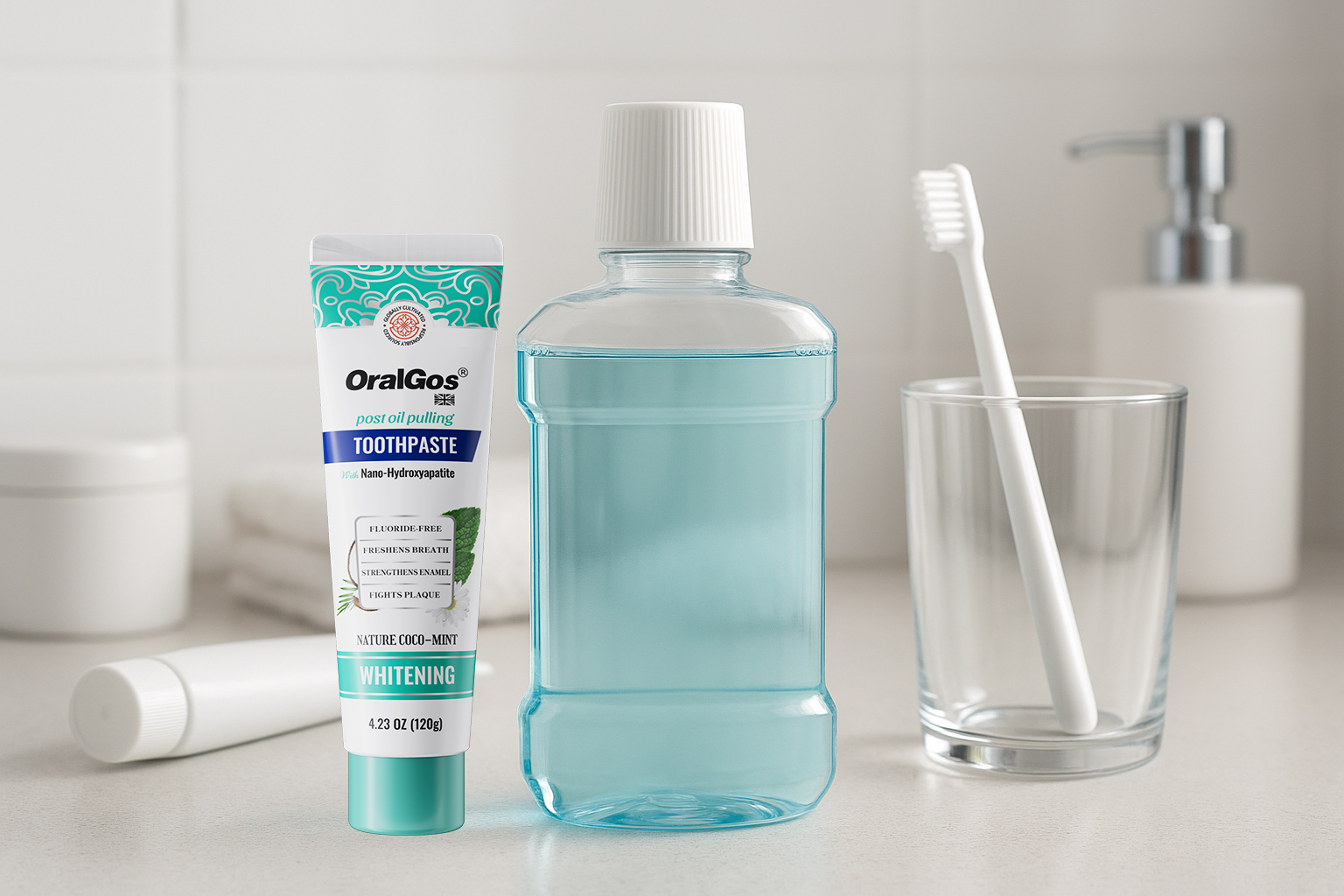
Understanding Mouthwash Formulation for Global Compliance
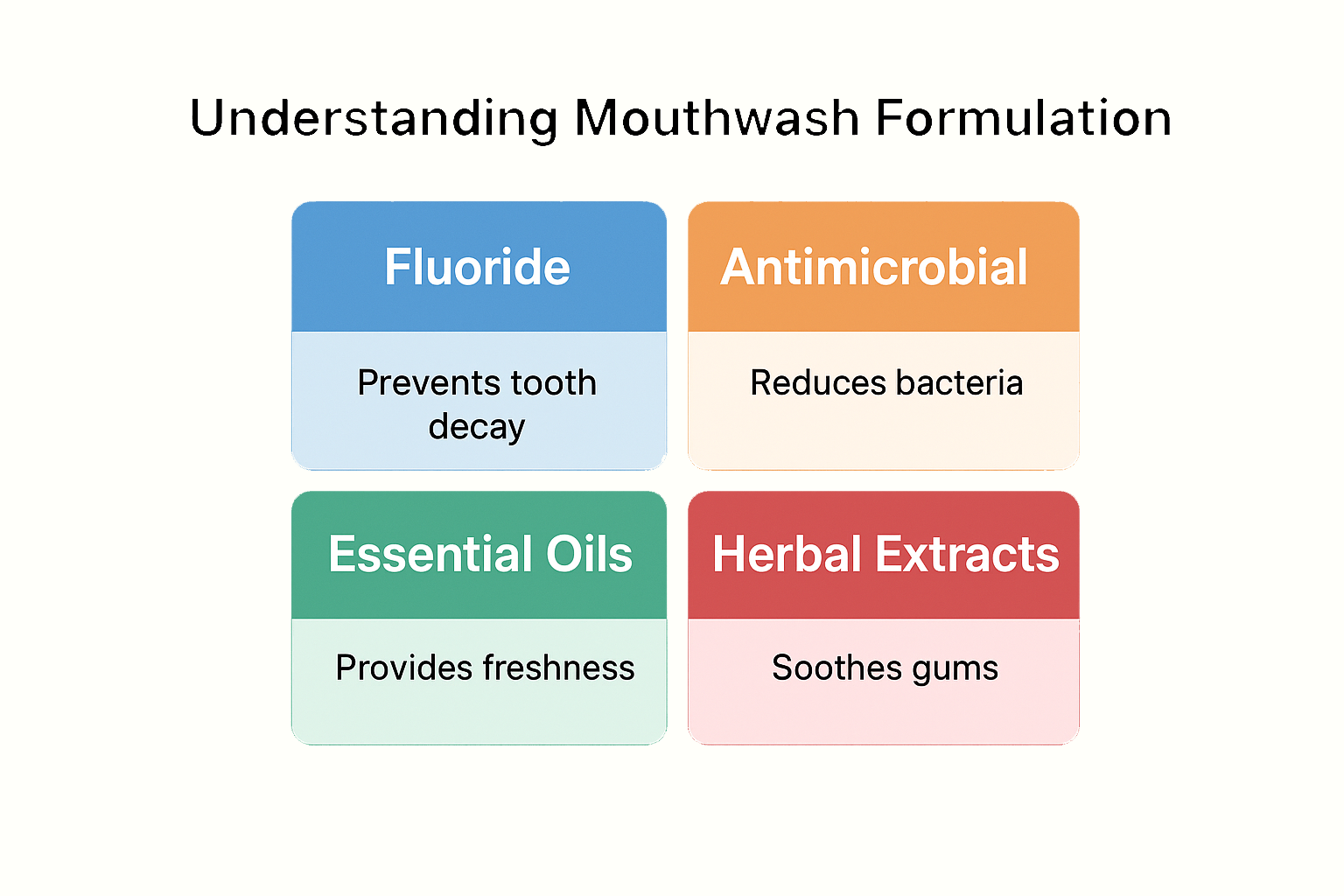
The foundation of a high-quality mouthwash is its mouthwash formulation. It requires selecting the right active ingredients, excipients, flavors, and stabilizers. These components must remain effective, safe, and stable throughout the product’s shelf life. Common active ingredients include:
- Fluoride compounds for enamel protection and cavity prevention
- Antimicrobial agents such as chlorhexidine or cetylpyridinium chloride to reduce plaque and gingivitis
- Herbal extracts for soothing and anti-inflammatory effects
- Essential oils like eucalyptol and menthol for breath freshness
Balancing efficacy with safety is critical. Overly aggressive concentrations may irritate oral tissues, while suboptimal levels may render the product ineffective. This is where compliance with regulatory standards becomes essential.
GMP in Mouthwash Manufacturing
Good Manufacturing Practices (GMP) form the backbone of safe and consistent production. Manufacturers that follow GMP produce each batch of mouthwash in a controlled environment with clear, standardized procedures. They also maintain proper documentation and perform strict quality checks to ensure consistency and safety.
Compliance with GMP is a legal requirement in many countries. It also reassures consumers and retailers that the product meets essential safety and efficacy standards.
For example, OralGos’ GMP-certified oral care facilities offer a strong model for integrated production. They ensure that every product follows strict hygiene standards and consistent quality controls.
Global Regulatory Standards: FDA and CE Updates for Mouthwash Formulation
International regulatory frameworks dictate the acceptable limits of active ingredients, labeling requirements, and safety testing protocols:
- FDA (United States): In the U.S., mouthwash can fall into two categories. Regulators classify it as either a cosmetic product or a therapeutic product based on its claims. Manufacturers must submit data proving the safety and efficacy of therapeutic mouthwashes, including clinical trials and stability studies.
- CE (European Union): EU authorities usually regulate mouthwash as a cosmetic product. It must follow the requirements of the EU Cosmetic Regulation (EC No 1223/2009). Products must undergo a safety assessment, maintain detailed product dossiers, and adhere to Good Manufacturing Practices.
Recent updates emphasize the importance of scientifically validated ingredients and accurate labeling, ensuring that global consumers receive safe and effective oral care products.
Innovative Mouthwash Formulations for Compliance and Efficacy
Scientific advancements have enabled manufacturers to develop mouthwashes that meet international standards without compromising consumer experience. Innovations include:
- Alcohol-free formulations that retain antimicrobial efficacy while minimizing irritation
- pH-balanced solutions to protect enamel and oral mucosa
- Nano-encapsulated active agents for controlled release and enhanced stability
These innovations ensure that mouthwash products are not only compliant with regulations but also competitive in the global market.
International Market Considerations for Mouthwash Products
Brands aiming for international distribution must consider regional preferences and legal requirements. For instance, some countries restrict fluoride concentration, while others require natural ingredient certifications. By following GMP practices and meeting FDA and CE standards, manufacturers can enter global markets more easily. This approach also helps them minimize compliance risks.
For detailed FDA guidelines on mouthwash safety, refer to the FDA Cosmetic Regulations. For European compliance, the EU Cosmetic Products Regulation provides official standards.
Conclusion: Best Practices in Mouthwash Formulation and GMP
Creating a successful mouthwash involves more than just choosing appealing flavors. It requires a strong mouthwash formulation, strict adherence to global standards, and careful GMP practices.
Manufacturers can create safe, effective, and globally compliant oral care products by staying updated on regulations, applying scientific innovations, and ensuring strict quality control.
Following these principles ensures compliance with FDA, CE, and other international regulations. It also builds consumer trust, strengthens brand reputation, and facilitates entry into multiple markets worldwide.