
The Asia‑Pacific region is seeing growing interest in oral‑care innovations. Among these, water flossers stand out as a particularly popular choice. Consumers are moving beyond traditional string floss in search of more convenient and effective solutions. As a result, the water flosser segment is attracting attention from industry players, distributors, and oral‑care brands.
Thailand and Indonesia are particularly promising markets for water flossers. Higher disposable incomes, increased dental health awareness, and the rapid rise of e‑commerce are fueling this growth.
This article examines regional market trends, data and strategic implications for the water flosser category in Southeast Asia.
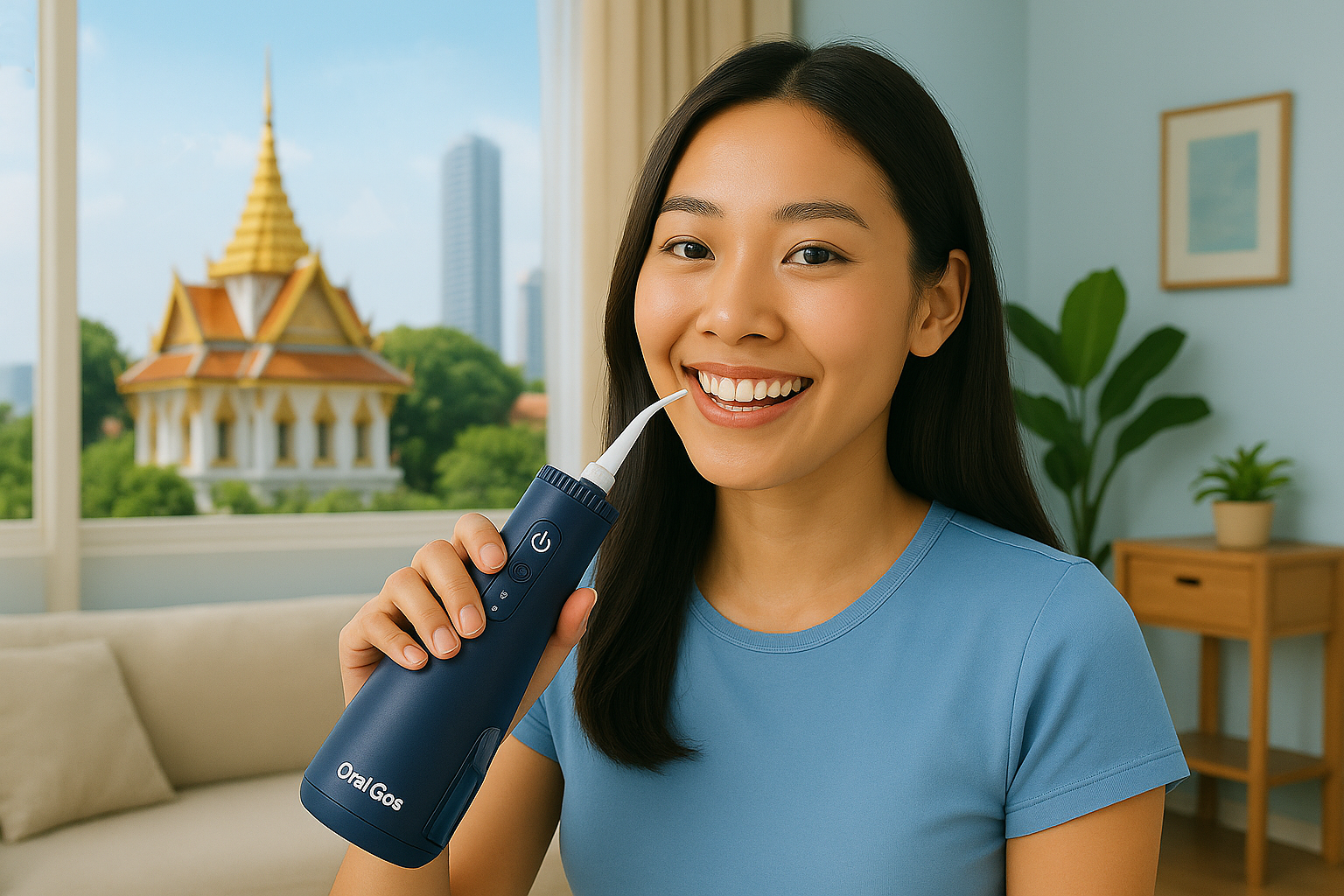
Overview of the Water Flosser Market in Southeast Asia
Globally, the water flosser market is undergoing steady expansion. One report projects growth from USD 1.2 billion in 2023 to USD 1.9 billion by 2030—a CAGR of around 6.8%. Persistence Market Research
Another source places the global market at USD 1.05 billion in 2023, with forecasts pointing to USD 1.59 billion by 2030 (CAGR ~6.15%). MAXIMIZE MARKET RESEARCH
In the Asia‑Pacific region, revenue from water flossers reached approximately USD 201.1 million in 2021. It is forecast to grow at a CAGR of 6.6%, reaching around USD 295.4 million by 2027. Grand View Research
The data indicate that the water flosser market is no longer niche. It is gaining mainstream appeal, especially in emerging markets.
Water Flosser Growth in Thailand and Indonesia
Market Drivers in Thailand & Indonesia
In both Thailand and Indonesia, several common trends are fueling growth of the water flosser category:
- Rising oral‐health awareness: More consumers are recognizing the importance of gum health and cleaning between teeth. As a result, demand is moving beyond basic toothpaste and brushing toward adjunctive tools such as water flossers.
- E‑commerce acceleration: Online sales channels make it easier to introduce innovative devices to consumers. This is particularly true for products like water flossers, which benefit from demonstrations and customer reviews.
- Growing middle class & disposable income: Consumers in Thailand and Indonesia have higher spending power. As a result, they are more willing to invest in advanced oral‑care devices, not just basic products.
- Dental clinic influence: When clinics suggest extra oral‑care tools, water flossers frequently gain popularity for home use.
These drivers make Thailand and Indonesia attractive markets for brands and distributors focusing on water flossers.
Country‑Specific Trends
Thailand: Thailand has a mature tourism and wellness market, with domestic consumers increasingly focused on preventive health and beauty. This coincides with increased dental check‑ups and partner‑clinic recommendations for improved hygiene tools. In such an environment the water flosser stands out as a premium yet accessible device.
Indonesia: Indonesia has a large population of over 270 million. Combined with rapid digital adoption, this makes it a highly promising market for device‑based oral‑care solutions. Urban centres like Jakarta and Surabaya are leading in the adoption of online health‑tech devices. This trend gives the water flosser category significant growth potential.
Specific country‑level CAGR or revenue figures for Thailand and Indonesia are harder to find in public reports. The overall growth rate for the Asia‑Pacific region is around 6.6%. This suggests that Thailand and Indonesia are likely to achieve similar or even higher growth.
Strategic Implications for Water Flosser Brands and Distributor
Targeting the Water Flosser Consumer Journey
For companies looking to launch or expand a water flosser in Thailand or Indonesia, the following strategic elements matter:
- Education & demonstration: Water flossers are less familiar to many consumers than basic brushing or string floss. Educational campaigns—whether clinic-based or influencer-led—can help increase awareness and understanding of the category.
- Localisation: Consider language (Thai, Bahasa Indonesia), local dental‑care norms, and channel preferences (online marketplaces, pharmacy chains).
- Device variety: Brands should offer a range of products, from portable or cordless models to countertop devices. This approach addresses different budgets and usage needs, covering both premium and value segments.
- E‑commerce & omnichannel: Ensure strong presence in online marketplaces plus offline visibility in dental & pharmacy retail to build trust.
- Partnerships with clinics/dentists: A clinician endorsement can significantly accelerate uptake of a water flosser device by lending credibility.
Product & Channel Considerations
With the water flosser market growing globally and in Asia‑Pacific, brands need to focus on key device features. These include cordless portability, multiple tips for braces, and travel-friendly models, along with a solid distribution strategy.
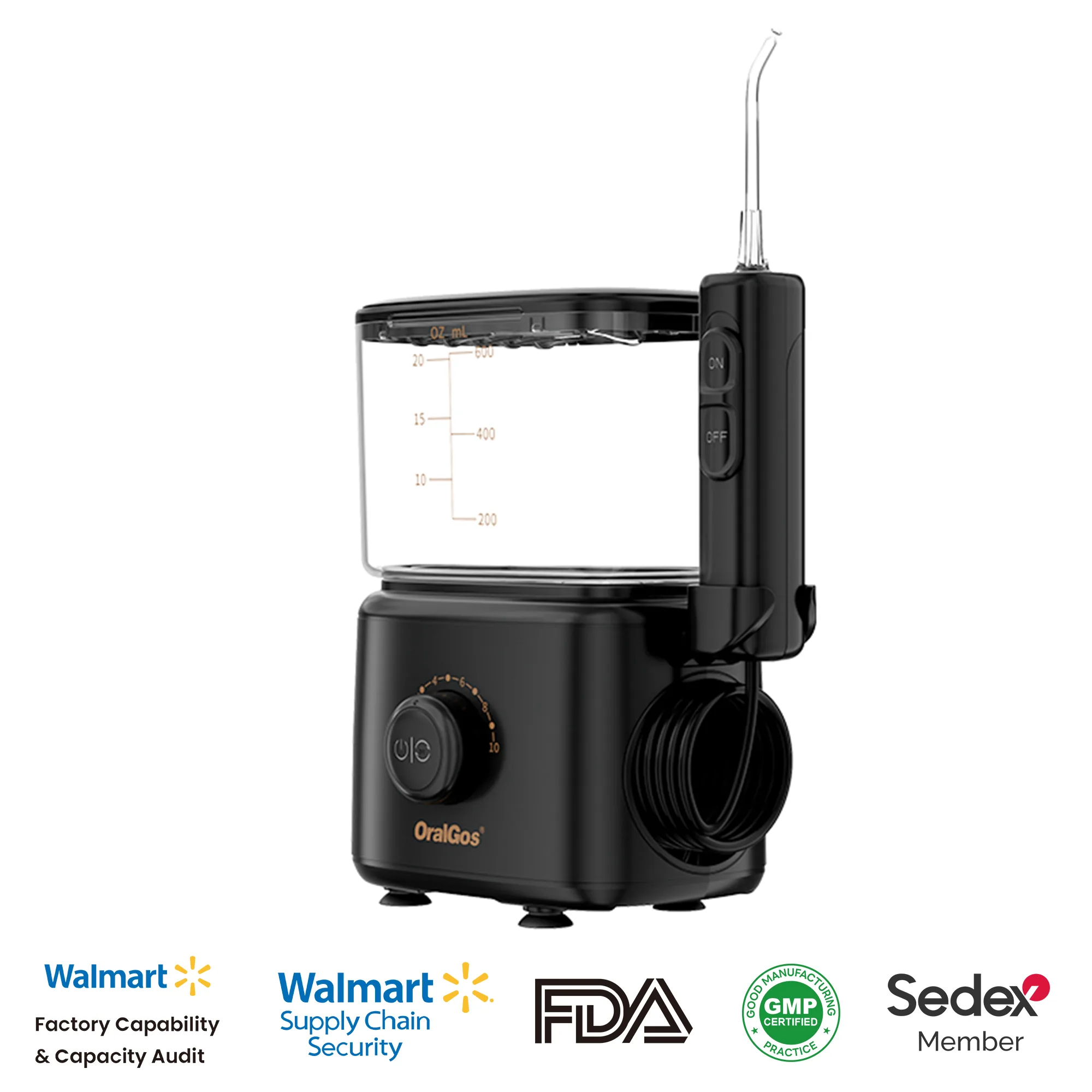
For example, brands can highlight premium positioning by featuring devices such as the Oralgos portable water flosser. The category page also showcases a range of water flosser models, illustrating different product tiers. To reach the growing orthodontic segment in Southeast Asia, brands should provide models suited for braces and aligner users. For example, Oralgos braces water flosser illustrates this approach.


Water Flosser Market Outlook and Growth Forecasts in Southeast Asia
Specific forecasts for the water flosser market in Southeast Asia are limited. However, extrapolating from regional and global data indicates a positive outlook.
- With Asia‑Pacific expected to grow from USD 201.1 million in 2021 to USD 295.4 million in 2027 at ~6.6% CAGR. Grand View Research
- The global market is expected to grow at ~6–7% CAGR through 2030 (various studies: ~6.15 % to ~6.8 %). MAXIMIZE MARKET RESEARCH+1
- For Thailand and Indonesia, it is reasonable to expect growth rates similar to or slightly above the regional average. This could be around 7% or more, driven by faster digital adoption and ongoing improvements in dental care.
Brands that enter the market early and tailor their messaging have a strong advantage. Leveraging local partnerships can help them capture a larger share of growth in the water flosser market.
Conclusion
In summary, the water flosser market in Southeast Asia offers significant growth opportunities. Thailand and Indonesia, in particular, represent key markets for oral‑care brands and procurement professionals.
Rising hygiene awareness, e‑commerce growth, and higher disposable incomes are driving steady expansion in the category. For B2B players, aligning product portfolios, channel strategies and local consumer education will be key to capturing this opportunity. As the regional market evolves, water flossers are moving beyond niche use. They are becoming a mainstream solution for oral hygiene.