Introduction
In the crowded oral-care market, superior manufacturing alone is not enough to ensure commercial success. A toothbrush must first go through proper design and manufacturing. Once that stage is complete, the next critical focus becomes distribution and marketing. These steps determine whether a toothbrush reaches the right audience, builds consumer trust, and generates sustainable revenue. In this article, we look at the main parts of toothbrush distribution and marketing. This includes global supply-chain logistics, retail and e-commerce strategies, regulatory compliance, certification, branding, and consumer education.

Global Supply-Chain Logistics in Toothbrush Distribution and Marketing
The journey of a toothbrush from factory to consumer starts with a robust logistics framework. Efficient supply-chain operations can significantly lower costs and improve market responsiveness. Key considerations include:
- Warehousing and inventory management: Manufacturers often produce large batches and store them in regional warehouses. From there, manufacturers distribute toothbrushes directly to wholesalers, retailers, or e-commerce hubs. Maintaining good inventory turnover lowers warehousing costs and keeps products moving off the shelves. This is particularly important for trend-sensitive items, such as biodegradable handles or new brush head designs.
- Shipping and distribution networks: When toothbrushes are sold in international markets, the factory and target countries may be far apart. In such cases, planning optimized shipping routes and partnering with reliable freight providers is essential. Using bonded warehouses or regional distribution centers can accelerate delivery while reducing customs delays.
- Demand forecasting and replenishment cycles: Toothbrushes, whether manual or electric, are a recurring-purchase product that needs regular replacement. Accurate demand forecasting ensures stock is available, especially during seasonal peaks like holiday sales or New Year health campaigns.
Effective logistics ensures that toothbrushes move smoothly from the factory to store shelves or directly to consumers. This seamless flow is a fundamental part of successful toothbrush distribution and marketing.
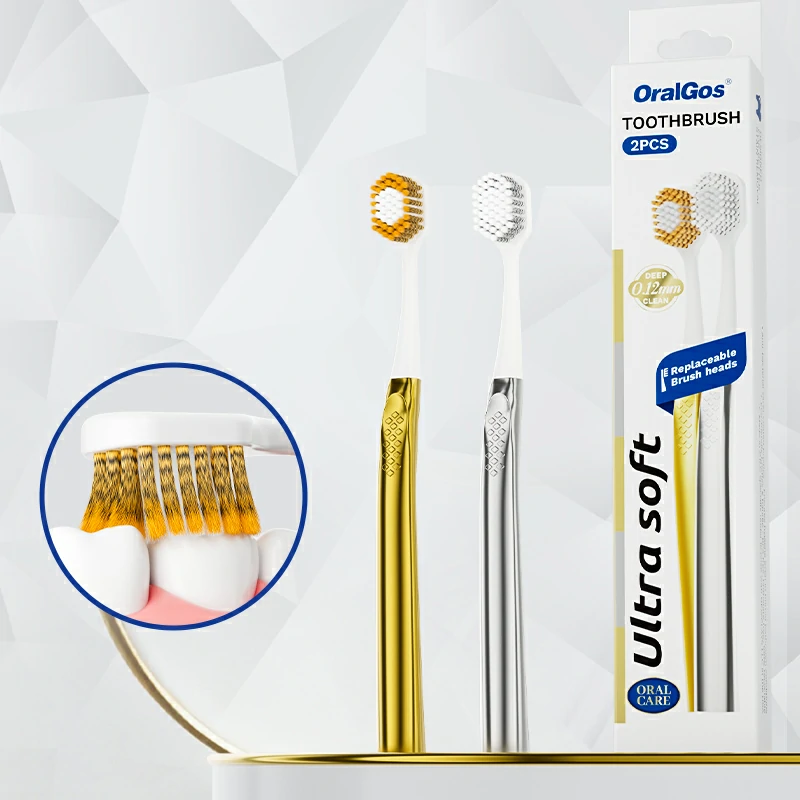
Retail & E-Commerce Strategy: Where Consumers Buy Toothbrushes
In today’s marketplace, toothbrushes reach consumers via multiple channels — traditional retail, pharmacies, supermarkets, dental supply distributors, and increasingly e-commerce platforms. Effective toothbrush distribution and marketing must adapt to each channel’s dynamics.
Brick-and-Mortar Distribution of Toothbrushes
Physical retail remains an important channel, as many consumers still prefer to choose toothbrushes in-store. Packaging, perceived quality—such as soft bristles or an ergonomic handle—and price often influence consumers’ decisions. Retail distribution strategy involves:
- Partnering with pharmacy chains, supermarkets, or dental-care stores.
- Ensuring eye-catching packaging and point-of-sale placement.
- Brands can provide added value by offering multi-pack options or bundled deals, such as a toothbrush paired with toothpaste.
This traditional channel builds brand presence and visibility.
E-Commerce & Direct-to-Consumer Toothbrush Sales
In recent years, online channels have become indispensable. E-commerce allows manufacturers or brands to sell directly to end users — bypassing middlemen. A strong online distribution and marketing strategy includes:
- User-friendly web stores or presence on global marketplaces.
- Write clear product descriptions that show important brush features. These include soft nylon bristles, a comfortable handle, and a child-safe design. Include information on compliance with relevant standards and proper care instructions.
- Educational content — for example, links to public health resources on proper brushing frequency and technique — to build trust. External references like standards from the American Dental Association (ADA) can help validate claims.
- Subscription or replenishment options — reminding customers to replace toothbrushes every 3–4 months, as recommended by ADA guidelines.
A well-executed e-commerce strategy makes toothbrushes accessible globally, encourages brand loyalty, and captures recurring revenue.
Certification, Compliance, and Quality Messaging in Toothbrush Marketing
In marketing oral-care products, compliance and certification play a pivotal role in building consumer trust. Toothbrush distribution and marketing benefit significantly from highlighting adherence to recognized standards.
- Certification labels or seals, like the ADA Seal of Acceptance, show that a toothbrush is safe and effective. They indicate that the toothbrush has the right bristle softness, durability, and plaque removal ability.
- Marketing materials that clearly communicate product quality help build trust with both professional buyers and consumers. For example, brands can specify that the bristles are “soft, end-rounded nylon.” They can also highlight that the handle and head comply with international safety standards. This helps reassure customers that the product is reliable and safe to use.
- When exporting to regulated markets, providing compliance documentation is essential for B2B buyers and retailers. Sharing test data, material safety certifications, and quality audit reports can help facilitate wholesale and distribution partnerships.
Such trust signals are essential — especially for professional buyers or distributors in dental-care sectors.
Branding & Consumer Education for Successful Toothbrush Distribution
Toothbrush distribution and marketing is more than just moving products. It is also about building a loyal consumer base and delivering long-term value. Key strategies in this area include:
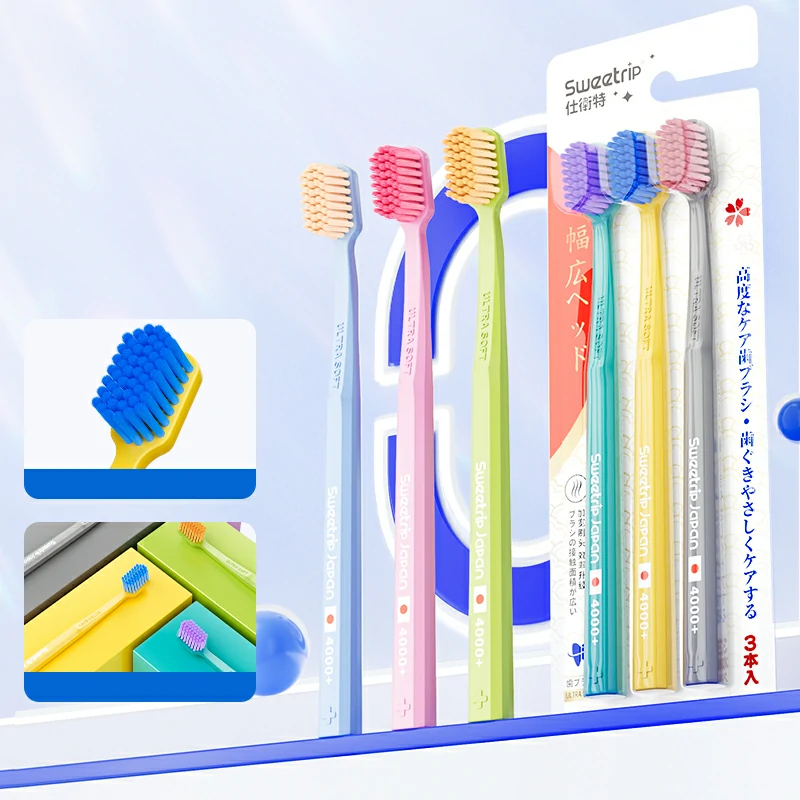
- Brand Differentiation: Brands can use design, packaging, and sustainable materials to position a toothbrush as a premium product. Highlighting ergonomic features or niche functionalities can further strengthen its market appeal. For example: child-specific handles, extra-soft bristles for sensitive gums, or eco-friendly handles.
- Educational Content Marketing: Many consumers depend on external guidance for their oral-care habits. Brands can provide articles, guides, or infographics on proper brushing techniques. They can also share information on when to replace toothbrushes and maintain overall oral hygiene.
- Linking to reputable sources (e.g., ADA guidelines) enhances credibility.
- After-sales Engagement & Reminders: Brands can encourage customers to replace their toothbrushes every 3–4 months. Brands can offer subscription services and replacement refill heads to make repurchasing easier. They can also send email or app reminders, which helps turn one-time buyers into loyal, repeat customers.
- Retail / Online Promotions & Bundling: Combining toothbrushes with toothpaste, floss, or oral-care accessories can increase perceived value. Seasonal promotions or limited-edition designs also keep the product line fresh and attention-grabbing.
By combining strong branding with informative content and user engagement, manufacturers and distributors can build trust with consumers. This approach transforms toothbrushes from a simple commodity into a trusted personal care product.
Challenges and Best Practices in Toothbrush Distribution and Marketing
While the potential is large, toothbrush distribution and marketing come with challenges. Some of the major hurdles:
- Regulatory and quality compliance across markets: Different countries may have varying standards or consumer expectations, requiring rigorous documentation and adaptability.
- Competition and price pressure: Consumers often view toothbrushes as low-priced, high-volume commodities. Standing out requires added value — design, certification, sustainability — without sacrificing affordability.
- Sustainable packaging and environmental concerns: As consumer awareness grows, many people expect toothbrushes to be eco-friendly or to use recyclable packaging. This expectation adds complexity to both manufacturing and distribution processes.
- Consumer education gap: Many users do not replace toothbrushes regularly or may not understand the importance of bristle quality — marketing must include educational efforts.
Best practices include combining compliance and quality assurance with strong branding and continuous consumer education. Additionally, ensure supply-chain reliability, balance cost with value, and maintain transparent, trustworthy communication.
Why Toothbrush Distribution & Marketing Are as Important as Manufacturing
Even the best-designed and manufactured toothbrush can fail in the market. If distribution channels are ineffective or consumers do not recognize its value, the product will not succeed. Proper logistics, compliance, strategic retail/e-commerce, branding, and consumer education — all are equally important. In fact, toothbrush distribution and marketing often define the commercial life span of a product.
By mastering these aspects, manufacturers and brands do more than just deliver a product. They create a sustainable oral-care business model that engages consumers repeatedly over time.
Conclusion & Teaser: Toothbrush Future Trends and Innovations
Having mapped out the current landscape of toothbrush distribution and marketing, the next frontier lies ahead. In our upcoming article, we will explore “Toothbrush Future Trends and Innovations.” The topics will cover smart electric brushes that provide AI-driven feedback and the use of sustainable materials. We will also discuss subscription refill models. We will look at design changes for specific groups, like children, seniors, and orthodontic users.
The article will examine the future direction of the toothbrush industry and how manufacturers and marketers can stay ahead. It will also highlight new opportunities emerging for oral-care professionals and retailers. Stay tuned!