Entering the North American market is both an opportunity and a stress test for oral care brands. The region—especially the United States—combines high consumer expectations, strict regulatory oversight, and intense brand competition. For companies planning long-term growth, a well-structured US oral care strategy is not optional; it is foundational.
This market guide focuses on two decisive pillars for success: consumer preferences and regulatory frameworks. It shows how brands can align product development, messaging, and supply-chain decisions with real-world market conditions.
Understanding the US Oral Care Market Landscape

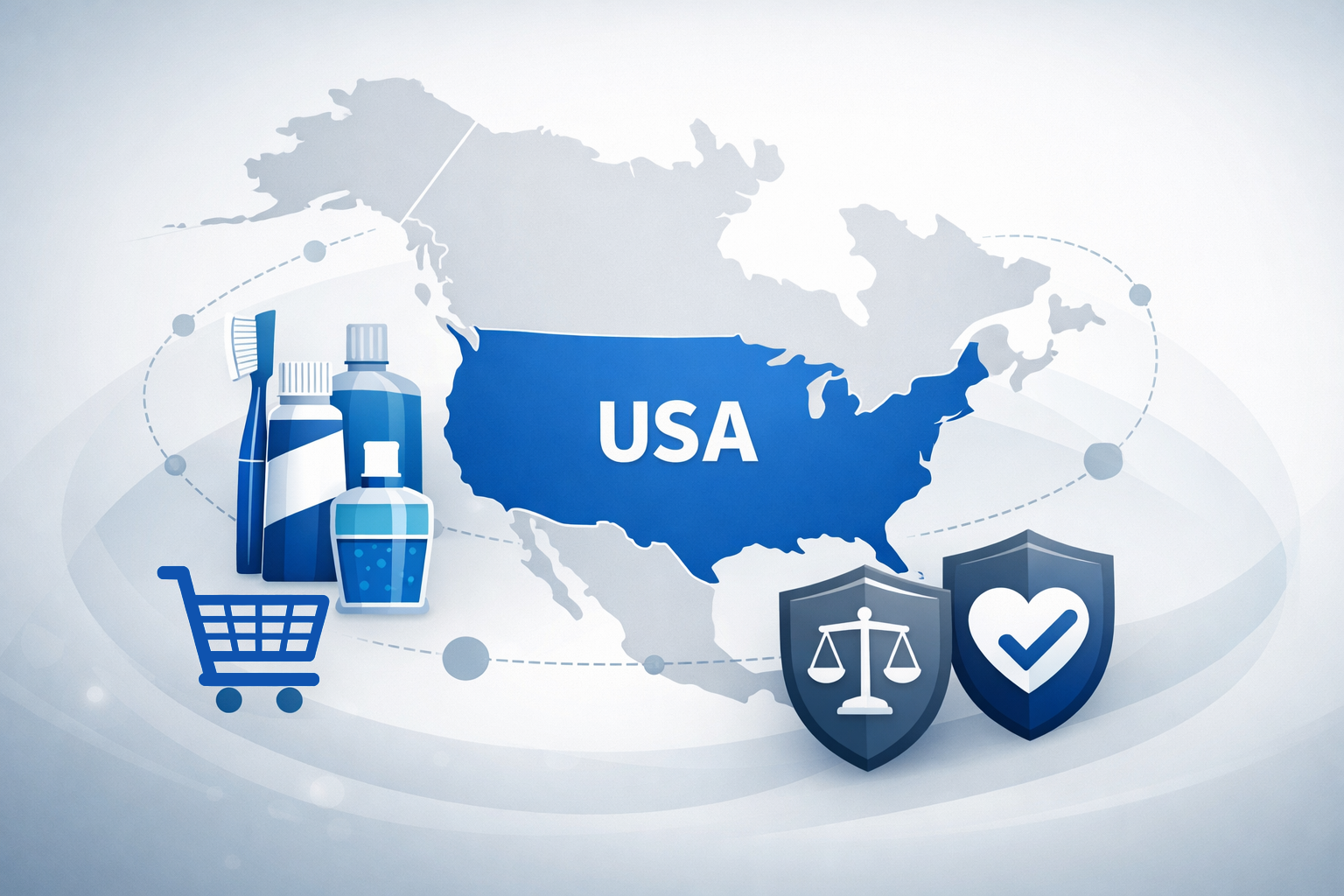
The North American oral care sector is mature, but far from stagnant. Consumers now drive growth less through basic hygiene needs and more through prevention, personalization, and lifestyle alignment. In the US oral care market, efficacy alone is no longer enough. Transparency, safety, and values influence brand perception.
Unlike consumers in emerging markets, U.S. consumers often trade up when brands earn their trust. This creates space for innovation, but also raises the bar for compliance and communication.
US Oral Care Consumer Preferences: What Drives Purchase Decisions
Health-First, Not Just Clean
Modern consumers see oral care as part of holistic health. Claims related to gum health, enamel protection, and microbiome balance resonate more than generic “whitening” promises. US consumers widely accept fluoride, but many are increasingly exploring alternatives, including hydroxyapatite and alcohol-free formulations.
Transparency Builds Brand Loyalty
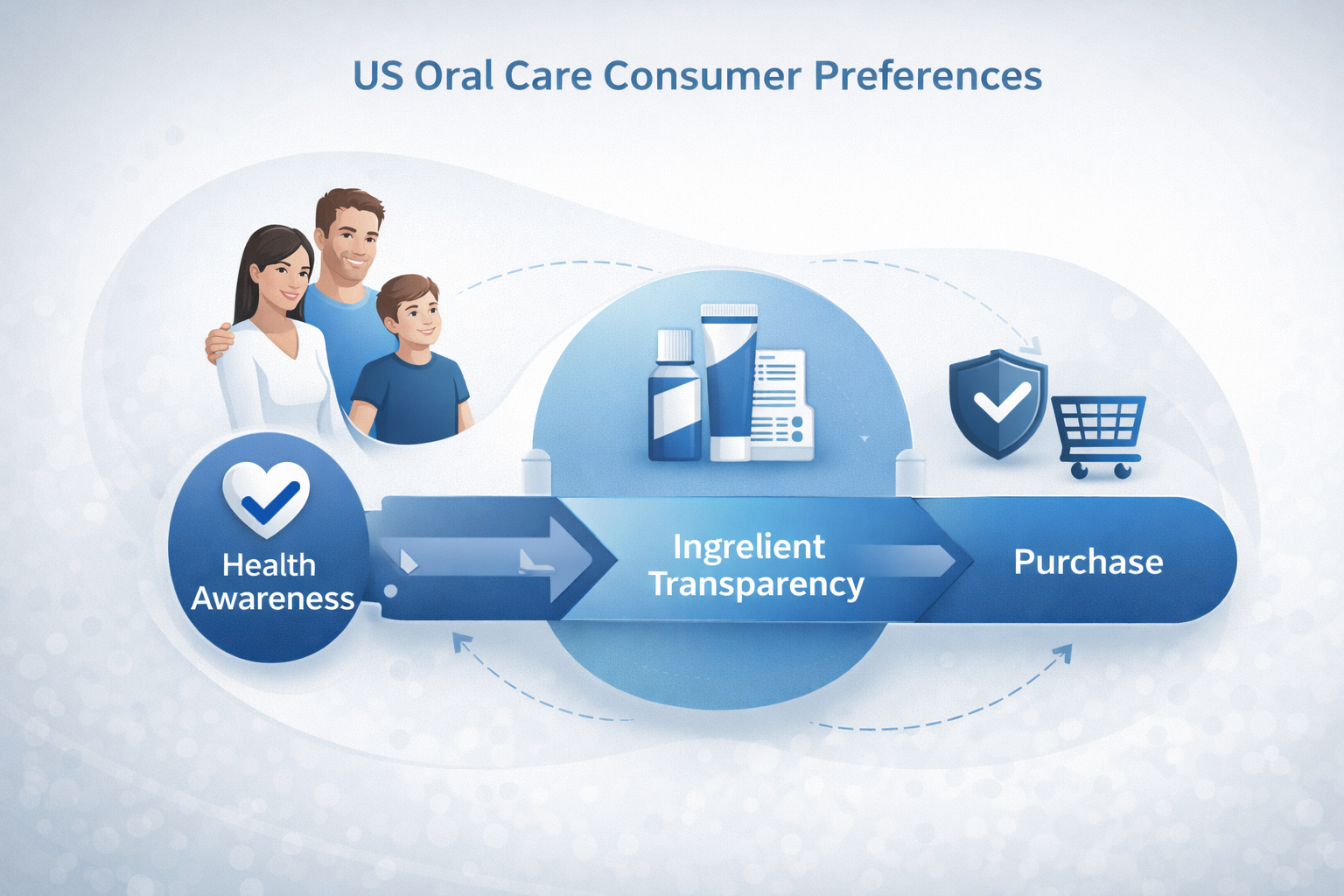
Ingredient lists are scrutinized. Clear labeling, clinical explanations, and science-backed claims influence purchasing behavior—especially among parents and wellness-focused adults. Brands that oversimplify or overpromise risk losing credibility quickly.
Sustainability as a Decision Multiplier
While sustainability alone rarely closes a sale, it often tips the scale. Consumers increasingly expect brands to use recyclable packaging, offer refill systems, and source ingredients responsibly, especially in mid-to-premium oral care categories.
Regulatory Framework Shaping US Oral Care Strategy
FDA Oversight and Product Classification
In the United States, oral care products may be regulated as cosmetics or OTC drugs depending on their claims. Toothpaste with anti-cavity claims, for example, falls under FDA monograph requirements. Understanding this distinction is critical for US oral care compliance and time-to-market planning.
Brands must ensure that formulations, labeling, and marketing language align with FDA guidelines. Misclassification can lead to costly reformulations or delayed launches.
Many brands consult international organizations, including the World Health Organization (WHO), for public health guidance. The WHO highlights preventive oral care as an essential part of overall health.
Documentation and Supply-Chain Transparency
Beyond formulation, U.S. buyers—especially retailers and distributors—expect traceable manufacturing processes. GMP compliance, audit readiness, and consistent batch documentation are often prerequisites for serious partnerships.
For brands seeking flexible and compliant manufacturing support, working with experienced OEM partners can significantly reduce risk. Resources such as OralGos OEM services provide insights into production models that are both scalable and aligned with regulations. These models are well-suited for the North American market.
Aligning Product Strategy with US Oral Care Expectations
Positioning: Function Over Flash
In the US oral care market, branding must support function, not distract from it. Clean design, professional tone, and educational content outperform exaggerated claims. This is especially true in B2B channels and pharmacy-led retail environments.
Portfolio Structure Matters
Successful brands structure their product lines to meet different consumer needs. They offer daily care, sensitivity, kids, and professional or clinic-focused products instead of one-size-fits-all solutions. This clarity helps distributors and consumers alike understand value propositions quickly.
Education as a Growth Lever
Content marketing plays a strategic role. Brands that explain how ingredients work and why standards matter strengthen consumer trust. Demonstrating how products integrate into daily routines also supports premium pricing.
Turning Market Insight into Long-Term Advantage
A winning North American strategy does not mean copying existing players. Instead, it requires understanding the system in which they operate. The US oral care market rewards brands that respect regulation, listen to consumers, and invest in long-term credibility.
Oral care brands that align product development with consumer health priorities and proactively navigate regulatory requirements can progress from market entry to market relevance. Over time, this approach can lead to market leadership.
Ultimately, careful strategic planning and establishing trust outperform speed and trend-chasing.