In today’s competitive oral care market, product formulas alone no longer define brand value. For OEM brands, custom packaging has become a strategic tool to differentiate products, communicate quality, and meet regulatory and sustainability expectations.
From a factory design perspective, effective packaging customization is not just about aesthetics. It requires structured decisions around materials, printing methods, compliance, and scalability. This guide explores how OEM brands can approach custom packaging for oral care products with efficiency and long-term brand growth in mind.
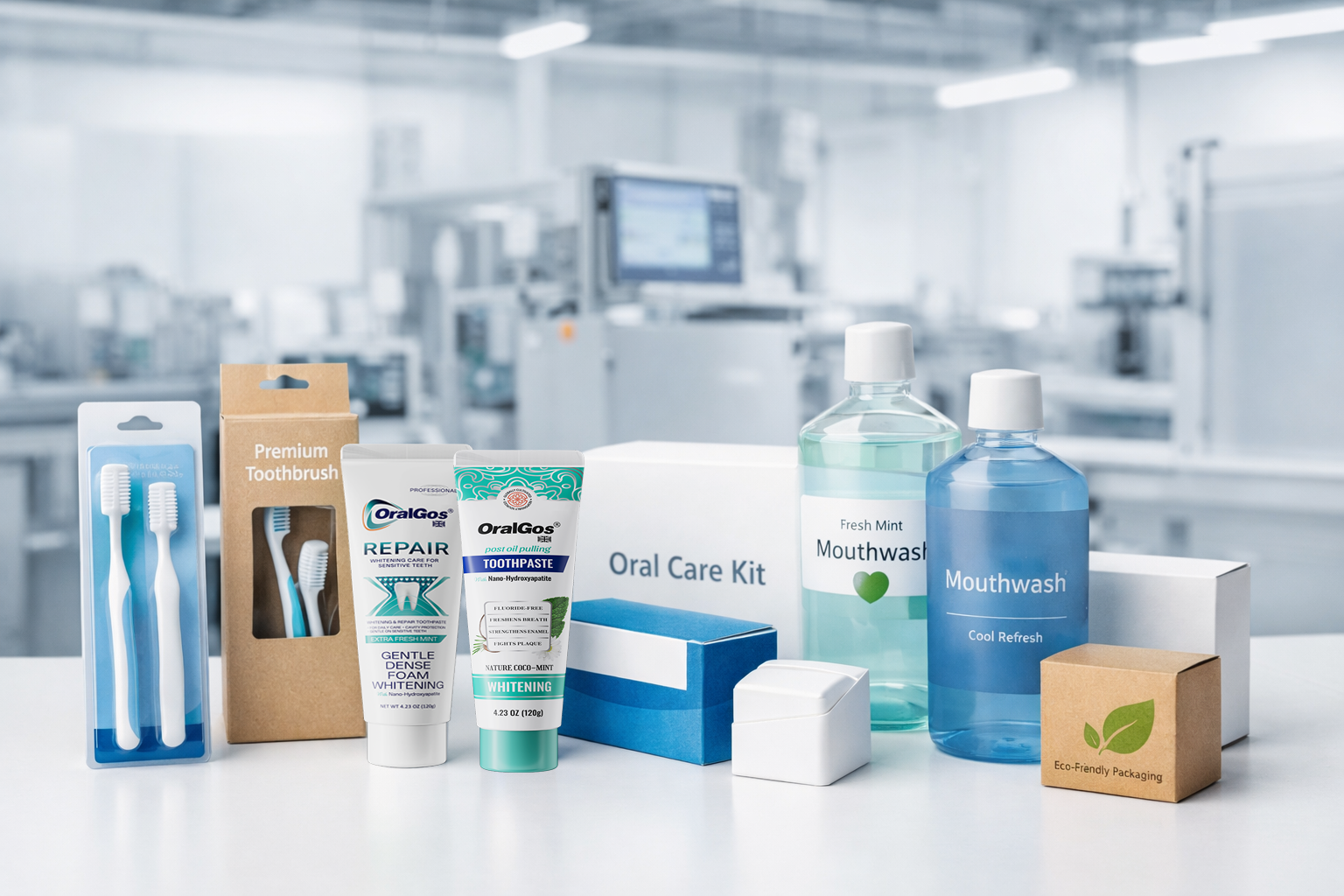
Why Custom Packaging Matters for OEM Oral Care Brands
For OEM clients, packaging is often the first physical touchpoint between the brand and the consumer. Well-designed custom packaging helps:
- Reinforce brand positioning (premium, clinical, eco-friendly, kids-focused)
- Improve shelf visibility and e-commerce conversion
- Reduce compliance risks across different markets
- Optimize cost at scale without sacrificing quality
From a manufacturing standpoint, early packaging planning allows factories to align tooling, print processes, and material sourcing—avoiding costly redesigns later.
Custom Packaging Material Selection for Oral Care Products
Choosing the right materials is the foundation of any successful OEM packaging strategy.
Plastic Packaging: Functionality and Cost Control
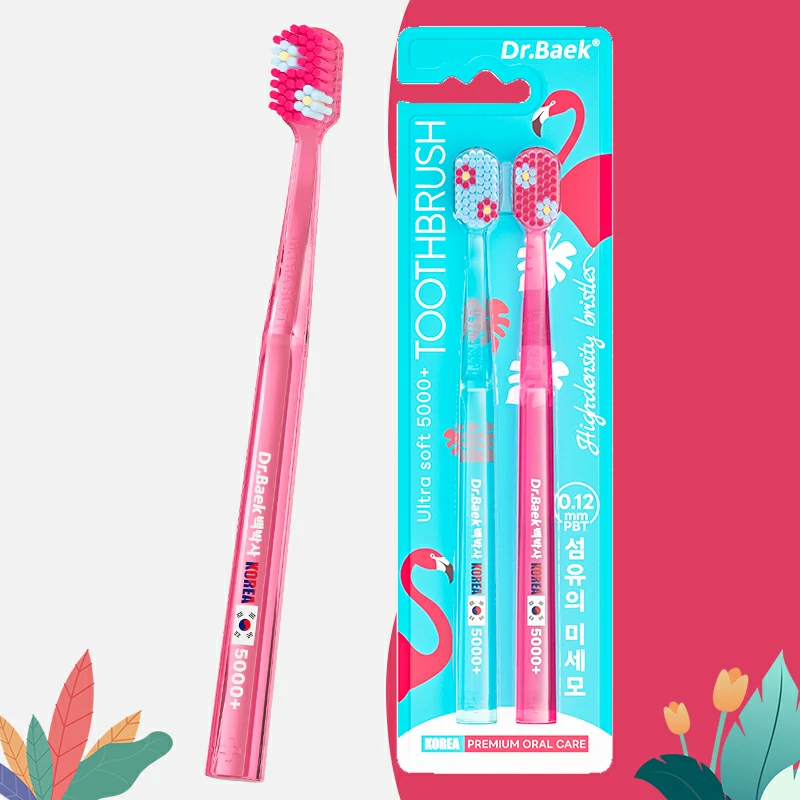
Toothbrush blisters, toothpaste tubes, and mouthwash bottles often use plastic because it is durable and cost-effective. Common options include:
- PET / rPET: Clear, lightweight, and recyclable
- PP: Suitable for caps and rigid components
- PE: Flexible and ideal for tubes
Factories often recommend rPET or reduced-plastic structures to support sustainability goals while maintaining mold compatibility.
Paper-Based and Sustainable Alternatives
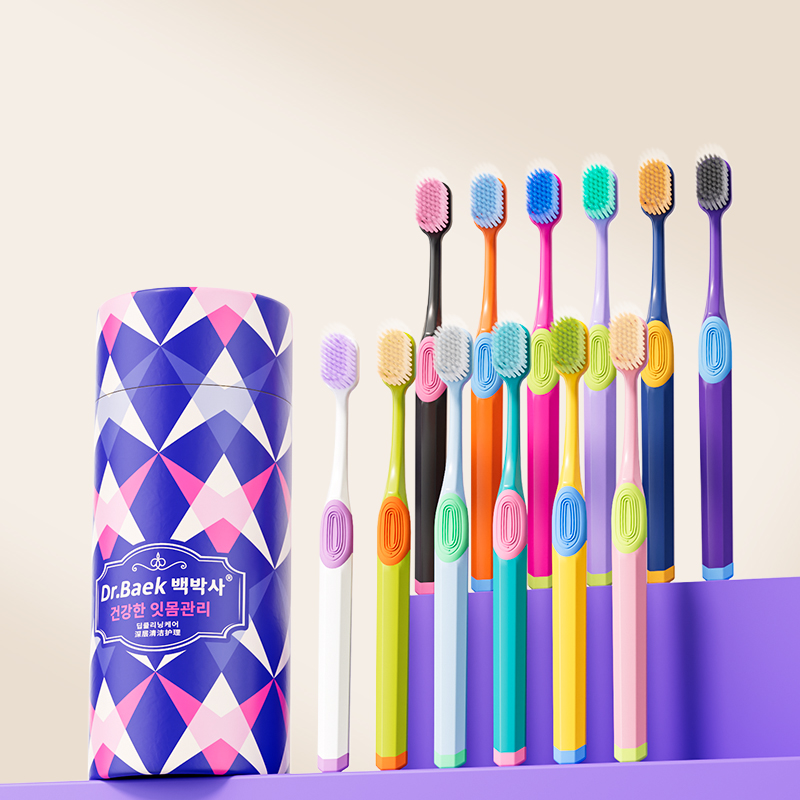
Paper boxes and FSC-certified cardboard are increasingly requested for outer packaging. When paired with soy-based inks and minimal coatings, these materials support eco-positioning without disrupting automated packing lines.
For brands targeting Europe or the UK, sustainability-aligned custom packaging also supports retailer requirements and consumer trust.
(For global sustainability guidelines, see resources from the Ellen MacArthur Foundation.)
Printing Techniques That Elevate Custom Packaging
Once materials are defined, printing decisions determine how the brand is perceived at first glance.
Offset Printing for High-Volume OEM Orders
Offset printing is ideal for large production runs. It offers:
- Consistent color accuracy
- Cost efficiency at scale
- Compatibility with complex layouts
Factories typically recommend offset printing for toothpaste cartons and toothbrush boxes with stable reorder volumes.
Flexographic and Digital Printing for Flexibility
- Flexographic printing works well for plastic films and flexible packaging.
- Digital printing supports small MOQ, test markets, or seasonal designs.
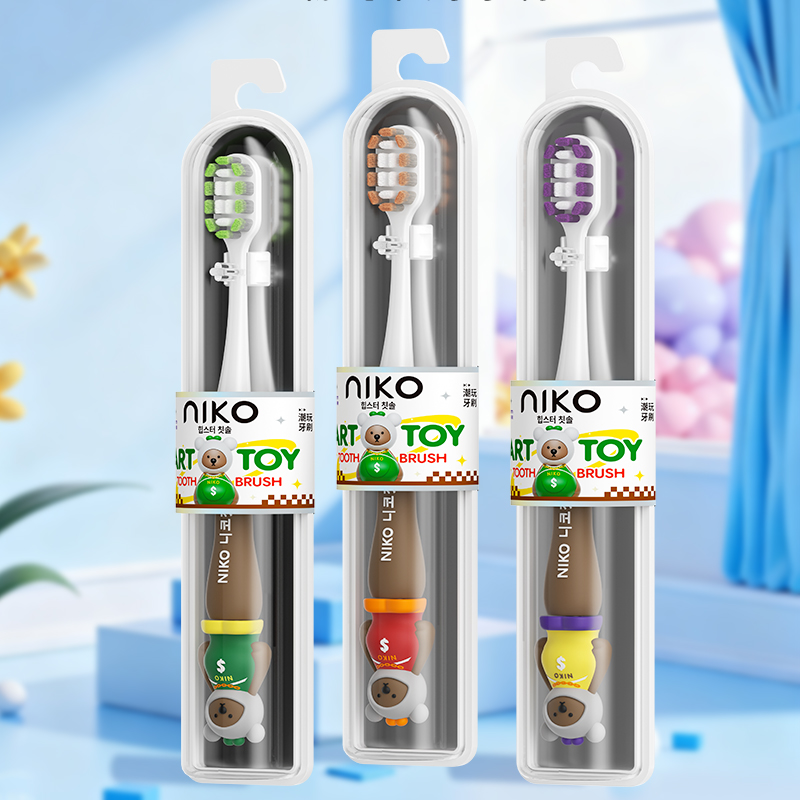
From a factory design perspective, digital printing combined with standardized dielines offers flexibility. Brands can test new SKUs without having to rebuild molds.
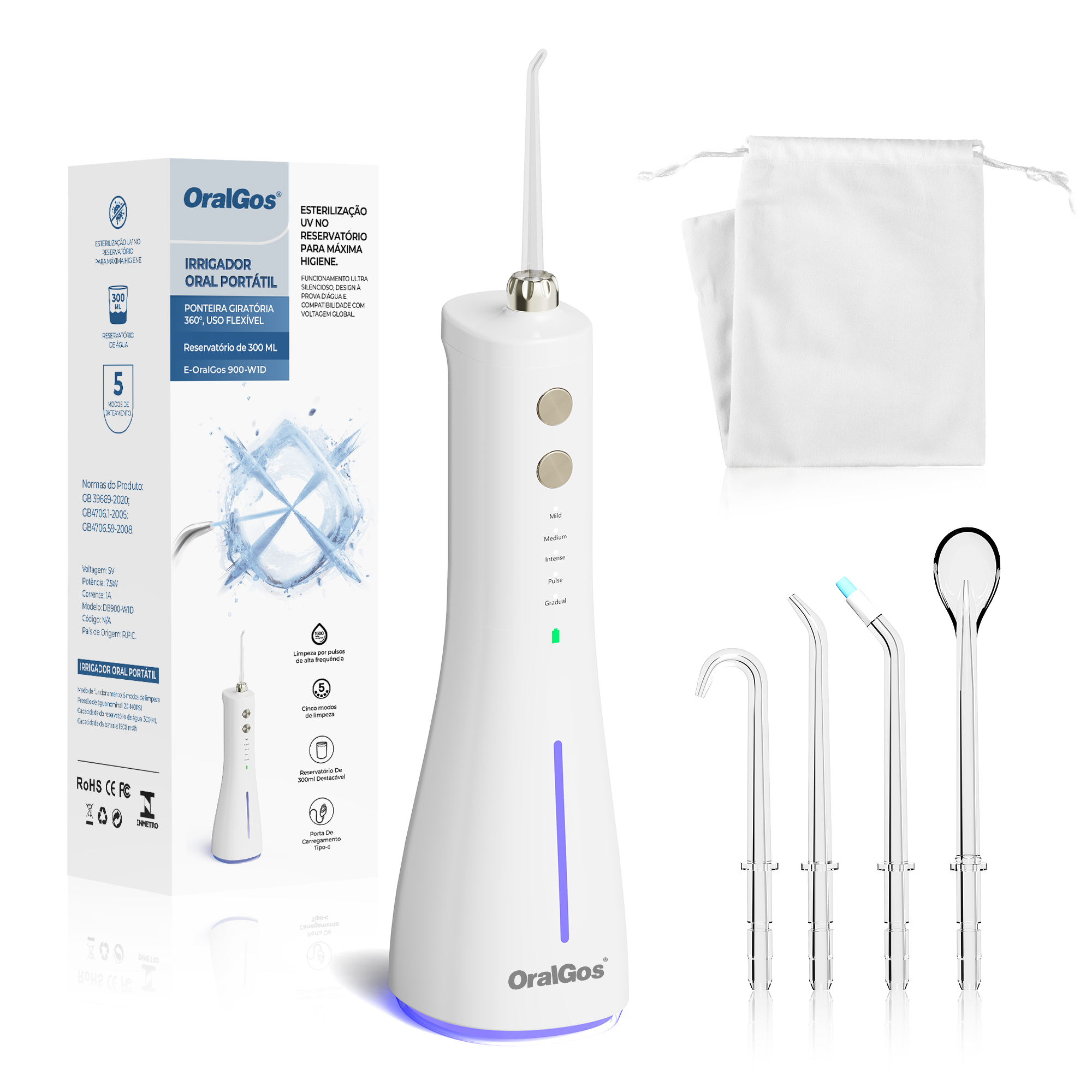
Custom Packaging Design Details OEM Brands Often Overlook
Even strong visual concepts can fail if technical details are ignored.
Color Management and Brand Consistency
Factories use Pantone or CMYK standards to ensure color consistency across batches. Without clear color references, custom packaging risks visual deviation—especially across multiple SKUs.
Regulatory Text and Market Compliance
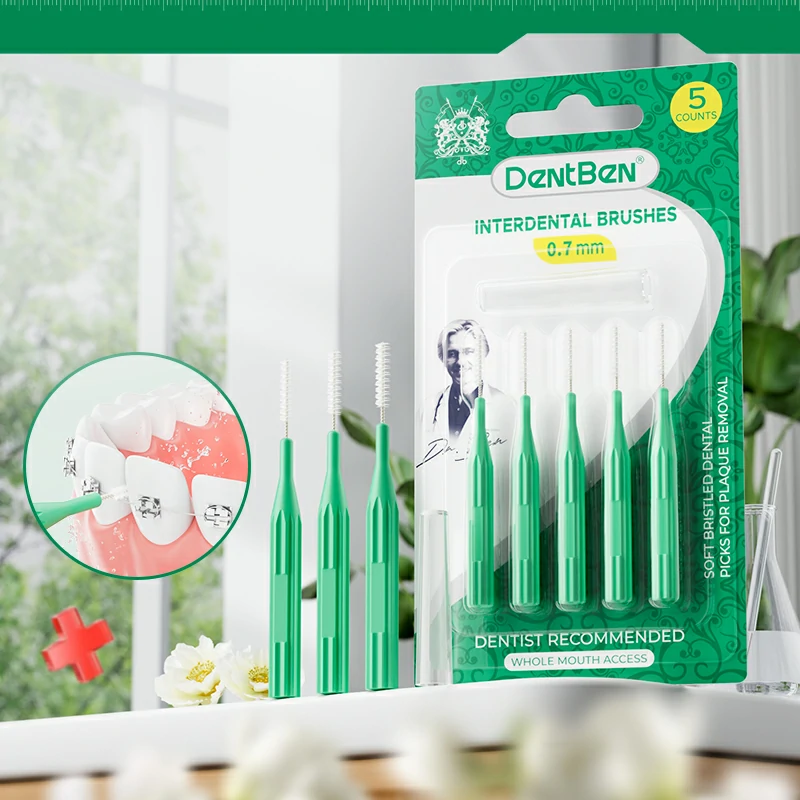
Packaging must accommodate:
- Ingredient lists
- Usage instructions
- Multilingual labeling
- Local compliance symbols (CE, recycling marks)
Designing with sufficient text space from the start avoids last-minute layout compromises.
How Factories Support OEM Custom Packaging at Scale
Experienced OEM manufacturers do more than execute designs—they optimize them.
At Oralgos, we integrate packaging customization into the OEM development process, ensuring that materials, printing, and assembly stay aligned from prototype to mass production.
👉 Learn more about OEM packaging and product integration here.
This factory-led approach helps brands:
- Reduce tooling revisions
- Control per-unit packaging costs
- Maintain consistent quality across regions
Custom Packaging as a Long-Term OEM Brand Asset
When approached strategically, custom packaging becomes a scalable asset rather than a one-time design task. OEM brands that align their packaging decisions with factory capabilities can benefit in multiple ways. They enjoy faster lead times, smoother compliance approvals, and stronger brand recognition.
Thoughtful packaging customization covers everything from material selection to printing techniques. This approach helps oral care products stand out on shelves, online, and in global markets.
Final Thought
In OEM oral care manufacturing, packaging is where design meets engineering. Brands that treat custom packaging as an integral part of the product system gain a clear advantage. They are better positioned for sustainable growth and international expansion.