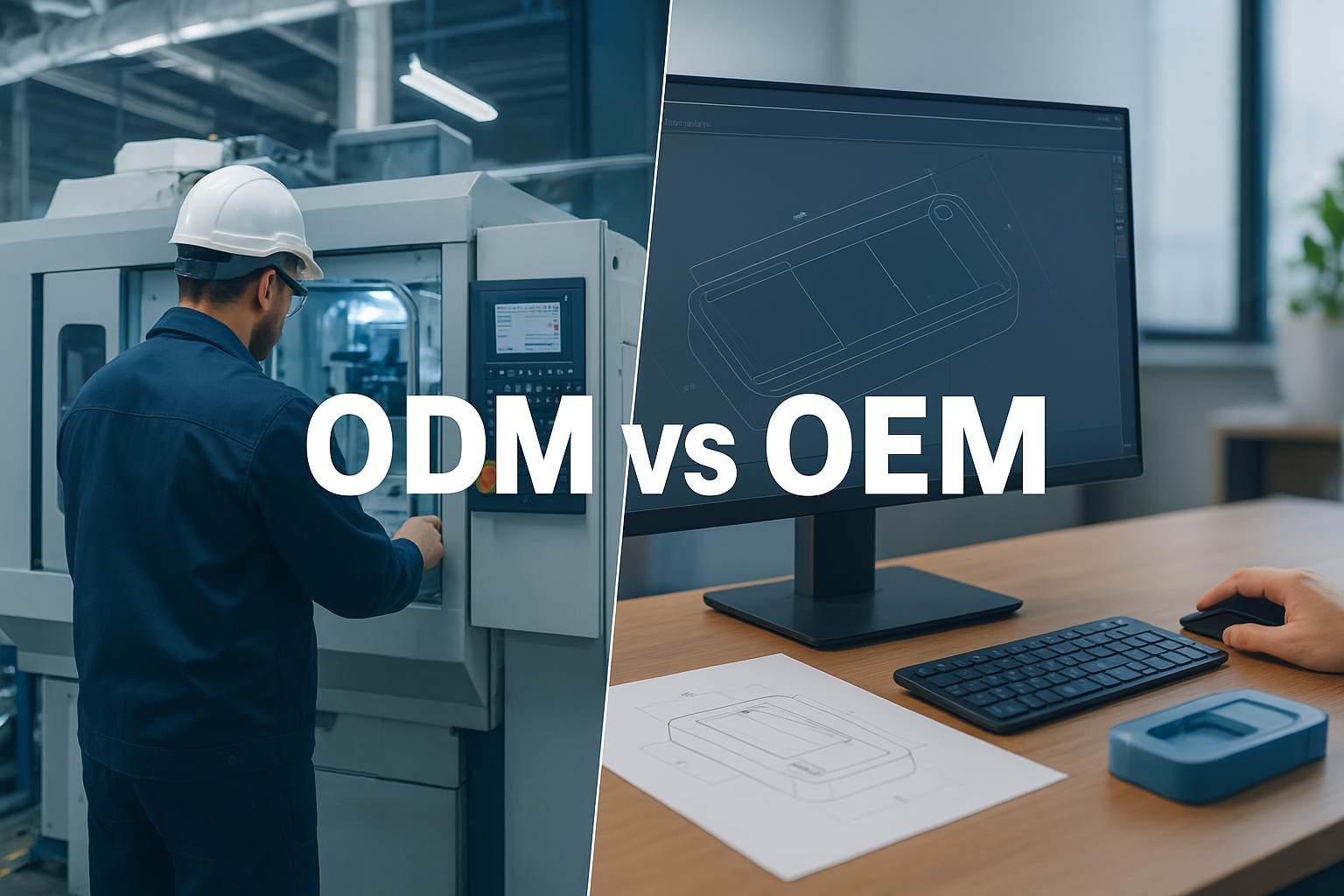
ODM vs OEM are two fundamental manufacturing models that businesses must understand when planning to bring products to market. While OEM (Original Equipment Manufacturer) focuses on producing items strictly based on a client’s design, ODM (Original Design Manufacturer) provides ready-made designs that can be branded and customized. Understanding the differences between these models helps buyers make informed decisions about cost, speed, and product control, ensuring the right strategy for their business goals.
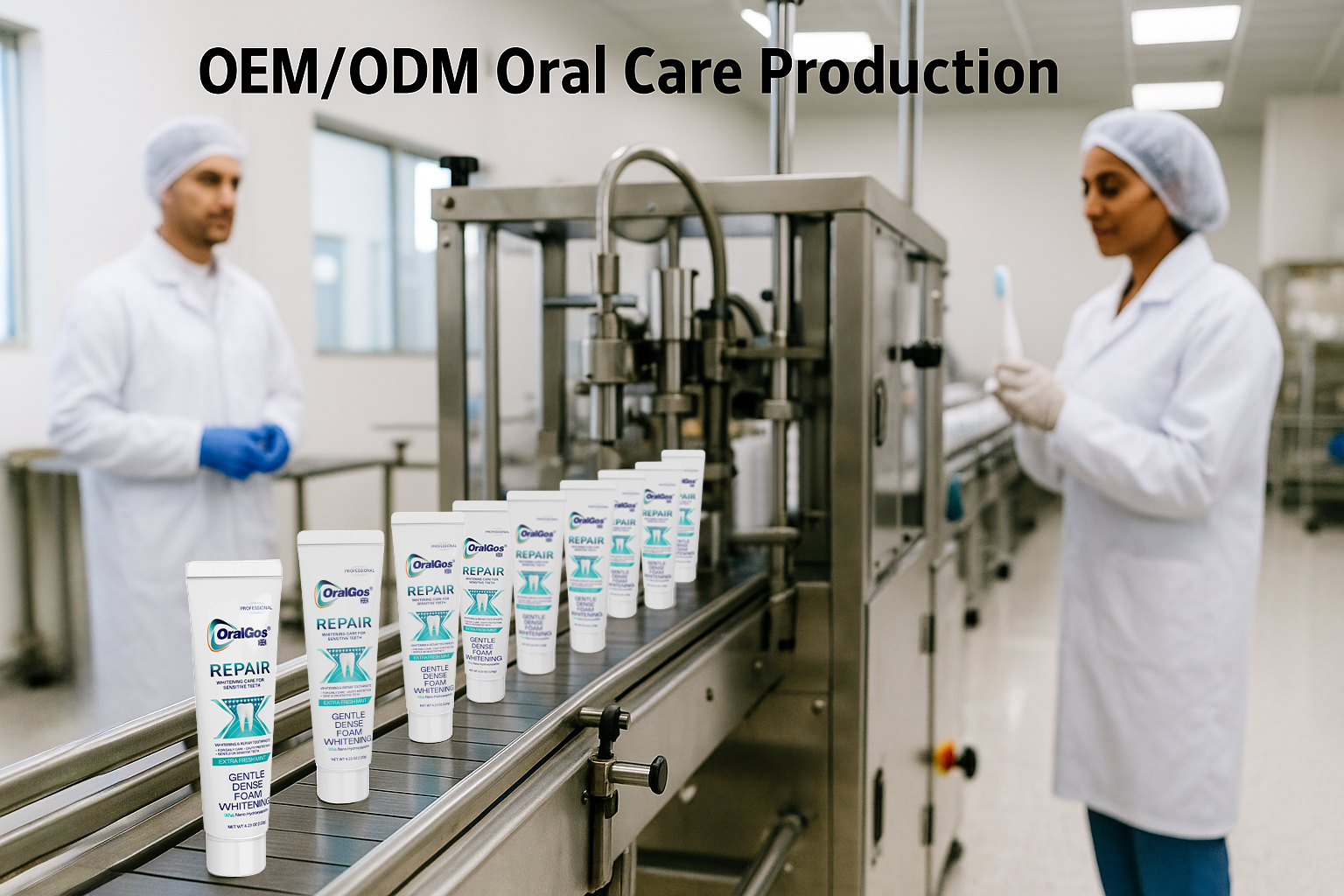
What is OEM?
OEM stands for Original Equipment Manufacturer. In this model, the manufacturer produces products strictly according to the buyer’s specifications. The buyer provides detailed designs, including technical drawings, components, and branding requirements, while the OEM handles production, quality control, and delivery.
Key Features of OEM:
- Custom Design: The product is fully designed by the client.
- Brand Ownership: Buyers retain full branding rights.
- Flexible Production: OEMs can accommodate specific materials, components, or processes requested by the client.
- Lower Risk in Design: Since the design originates from the client, there’s less risk of unwanted changes.
OEM is ideal for companies that already have a product design and want to focus on production efficiency. By outsourcing manufacturing, businesses can scale operations without investing in factories or equipment.
What is ODM?
ODM stands for Original Design Manufacturer. Unlike OEM, ODM companies provide both design and manufacturing services. Buyers can choose an existing product design, customize it minimally, and put their brand on it. ODMs are particularly useful for businesses that lack in-house product development resources.
Key Features of ODM:
- Pre-Designed Products: ODMs offer ready-made designs that can be branded.
- Faster Time-to-Market: Since the product is already designed, production starts quickly.
- Cost Efficiency: Reduces research and development costs for the buyer.
- Limited Customization: Buyers may have constraints when modifying the product design.
ODM suits startups or small businesses seeking market-ready solutions without extensive R&D investment. It also benefits brands looking to expand product lines rapidly.
ODM vs OEM: Key Differences
Understanding the differences between ODM and OEM helps businesses select the right model for their goals. Here’s a comparison across major factors:
| Feature | OEM | ODM |
|---|---|---|
| Design Responsibility | Buyer | Manufacturer |
| Customization Level | High | Moderate |
| Time-to-Market | Longer | Shorter |
| Branding | Buyer-controlled | Buyer-controlled on pre-designed products |
| R&D Costs | Paid by Buyer | Paid by Manufacturer |
| Target Users | Established brands with designs | Startups or brands seeking quick solutions |
From this table, it’s evident that OEM provides complete control over design and customization, whereas ODM offers speed and cost advantages at the expense of full design flexibility.
When to Choose OEM vs ODM
Opt for OEM if:
- You have a fully developed product design.
- Your priority is product differentiation and brand exclusivity.
- You require high customization and precise technical specifications.
Opt for ODM if:
- You want to reduce R&D investment and speed up product launch.
- You are exploring new product categories with minimal design resources.
- You need a solution that balances cost and market readiness.
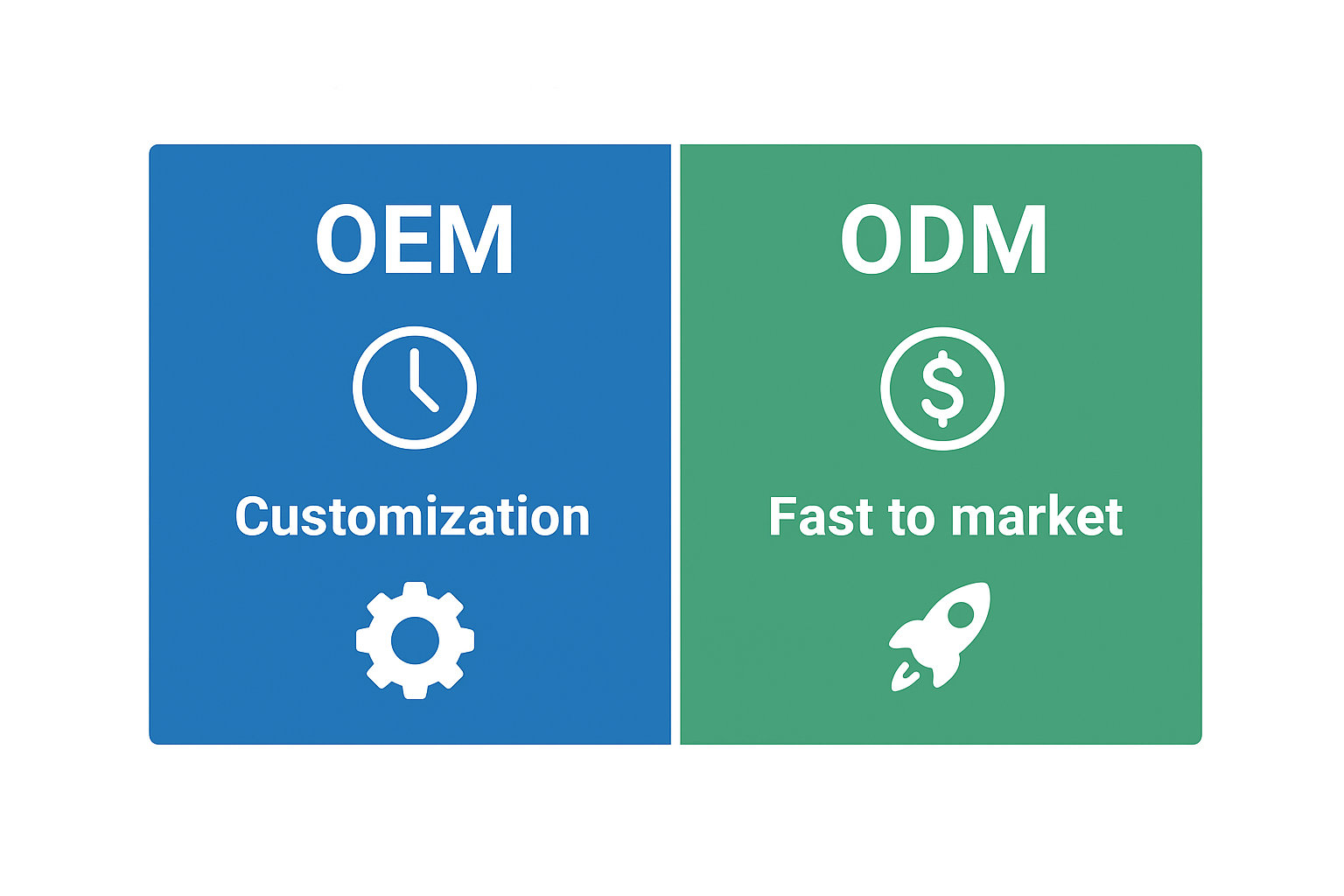
Selecting the right model depends on your business size, resources, and market strategy. In many cases, established brands use OEM to maintain unique offerings, while emerging brands rely on ODM to enter the market quickly.
Practical Tips for Working with OEM and ODM Partners
- Vet Manufacturers Carefully: Ensure the company has experience in your product category and a track record of quality.
- Understand IP Rights: Confirm who owns the design and intellectual property after production.
- Negotiate Minimum Orders: OEMs often require larger orders; ODMs may be more flexible.
- Check Compliance Standards: Especially for industries like electronics or oral care, ensure products meet regional regulatory standards.
- Maintain Communication: Regular updates on production schedules, prototypes, and quality inspections prevent misunderstandings.
For businesses interested in professional OEM services, platforms like Oralgos OEM Service provide a reliable way to connect with experienced manufacturers.
Conclusion: Making an Informed Choice
Choosing between ODM and OEM is a strategic decision that impacts cost, time-to-market, product uniqueness, and brand positioning. While OEM offers full control over design and customization, ODM provides ready-made solutions for quicker launches. By evaluating your resources, product goals, and market strategy, you can select the model that aligns with your business vision.
In today’s competitive environment, understanding ODM vs OEM ensures buyers make decisions that optimize both efficiency and profitability. Whether you are a startup seeking speed or an established brand prioritizing exclusivity, choosing the right manufacturing model sets the foundation for success.