Establishing a healthy oral care routine early helps children build strong dental habits that last a lifetime. Proper kids oral care not only protects baby teeth but also sets the foundation for lifelong dental health. However, many parents are unsure about what to do and what to avoid at each stage of their child’s development.
This guide clearly explains the essential dos and don’ts of children’s daily oral care. It helps parents make confident choices every day.
Why a Consistent Kids Oral Care Routine Matters
Children’s teeth may be temporary, but their impact is long-lasting. Poor oral habits can lead to early tooth decay, pain, difficulty eating, and even speech development issues.
A structured kids oral care routine helps:
- Prevent cavities and plaque buildup
- Encourage independence and responsibility
- Reduce fear of dental visits
- Support healthy permanent tooth eruption
The key is consistency — and knowing the right approach for each age group.
Dos of a Healthy Kids Oral Care Routine
Do Start Kids Oral Care Earlier Than You Think
Oral care begins before the first tooth appears. Parents can gently wipe their babies’ gums with a clean, damp cloth to remove bacteria and get them used to oral hygiene.
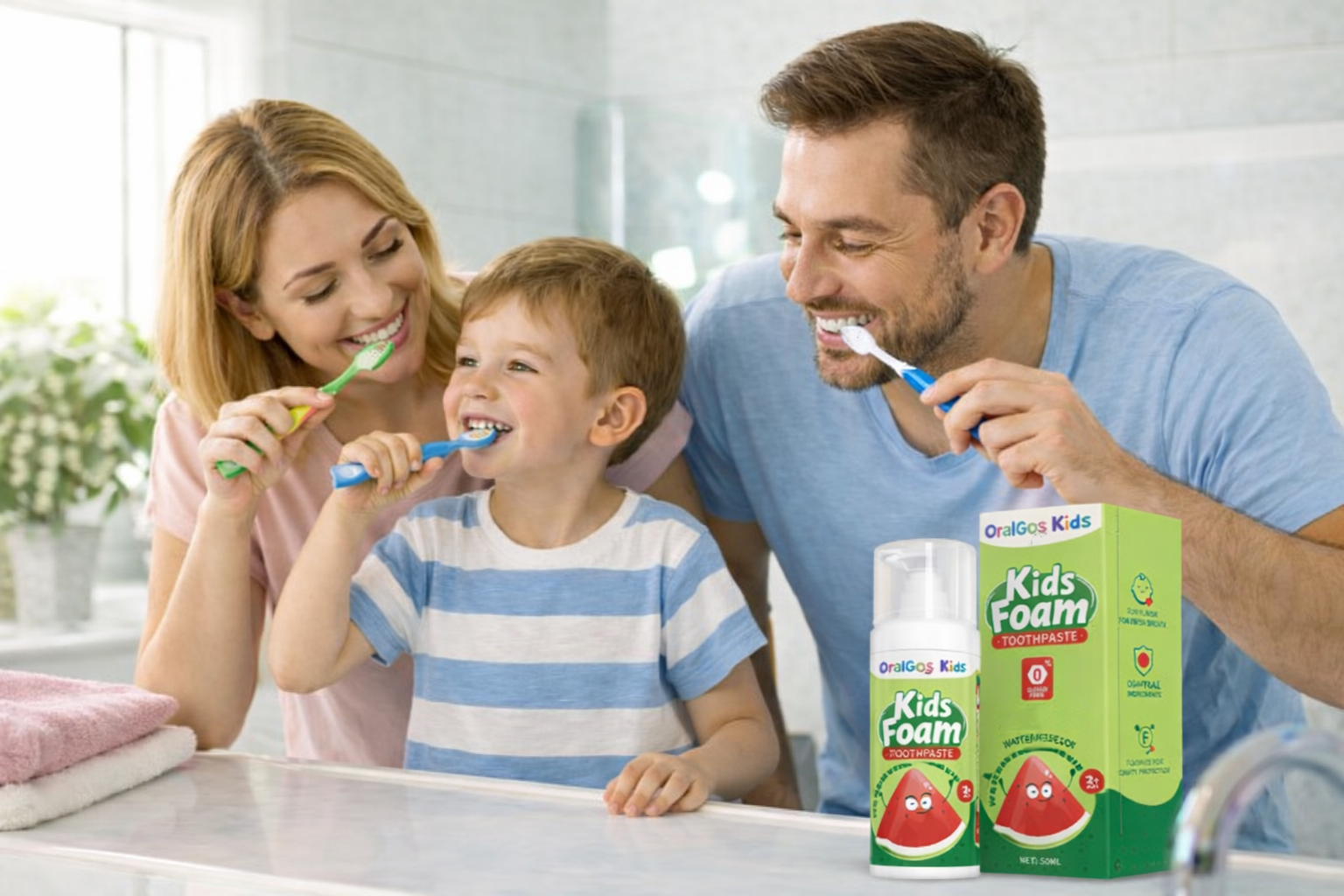
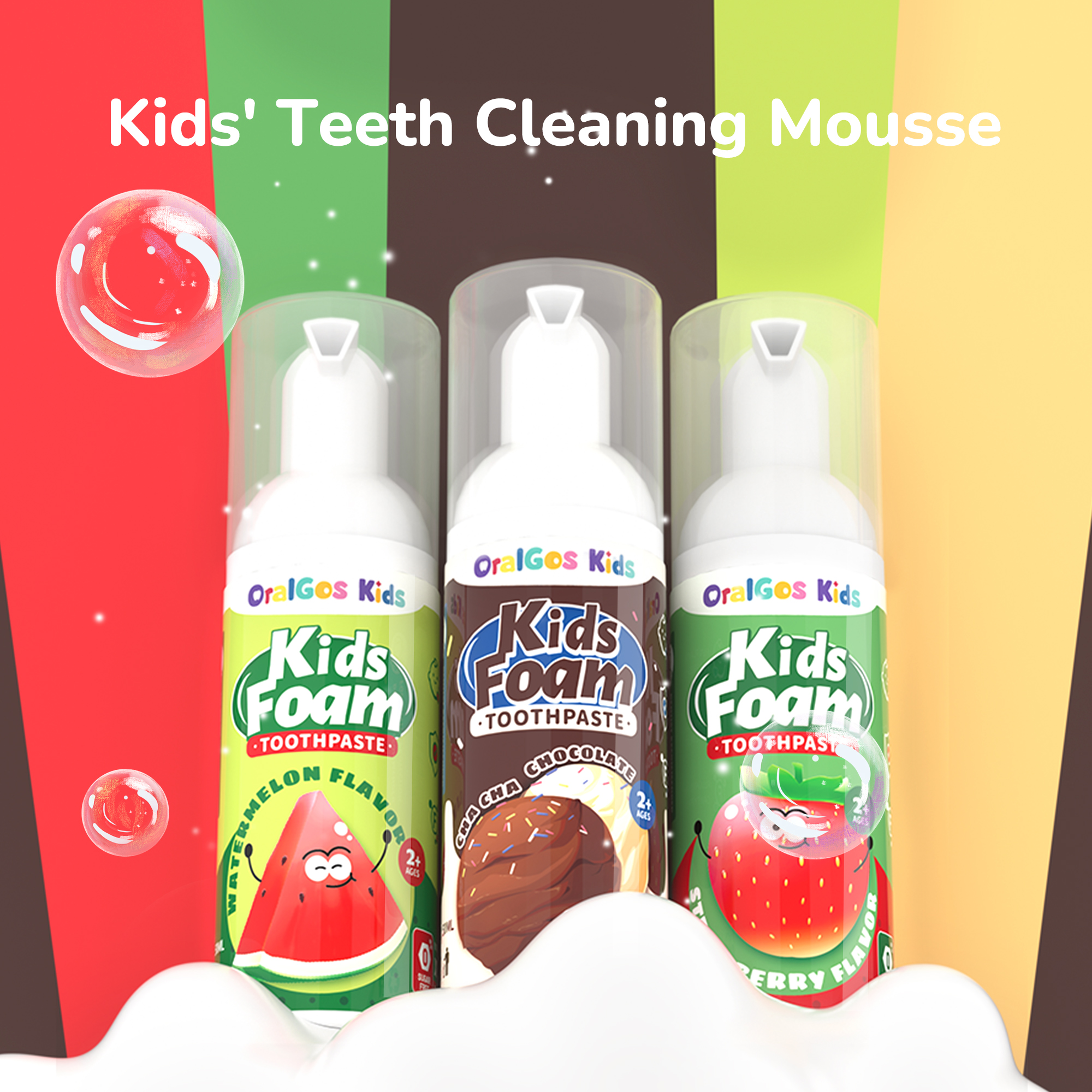
Once teeth erupt, brushing twice daily becomes essential. Parents often choose gentle, easy-to-use products like kids foam toothpaste, which helps make brushing easier and cleaner. Products like children’s foam toothpaste can make early routines more enjoyable and stress-free.
Do Choose Age-Appropriate Toothbrushes
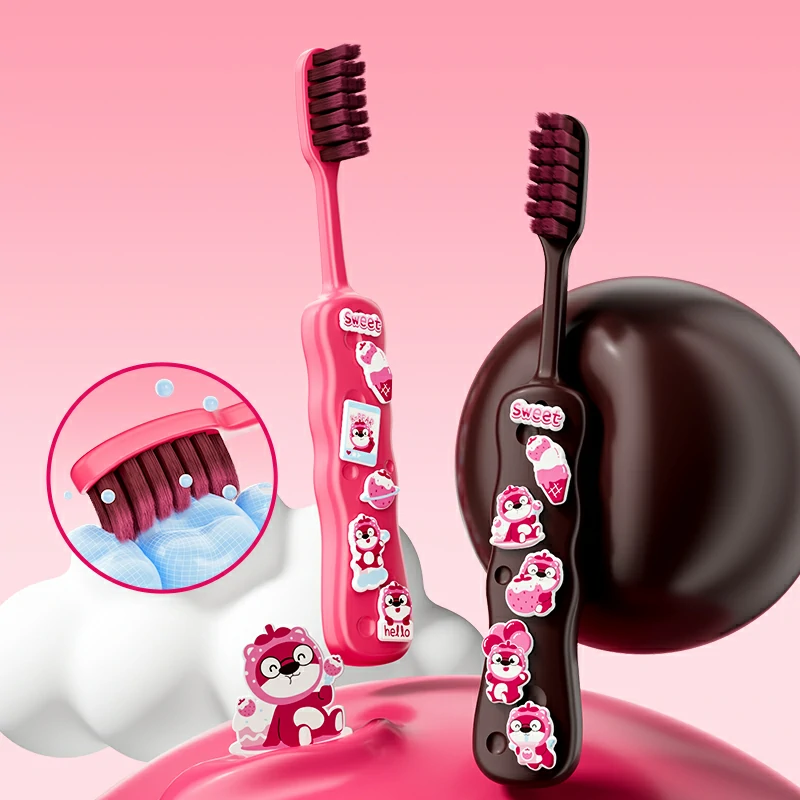
Using the right toothbrush size and bristle softness is critical for effective cleaning without damaging gums. Experts recommend that parents use toothbrushes with small brush heads and soft bristles for toddlers and young children.
As children grow, introducing powered options can improve brushing efficiency. Many parents find that kids electric toothbrushes encourage better brushing habits through gentle vibration and built-in timers.
For families who prefer traditional options, manual toothbrushes designed for kids remain a reliable and budget-friendly choice.

Do Supervise Brushing — Even When Kids Say They’re “Done”
Children often lack the coordination to clean thoroughly until around age 7–8. Supervision ensures:
- Proper brushing technique
- Correct toothpaste amount
- Full two-minute brushing time
Think of supervision not as control, but as coaching. Over time, kids naturally gain confidence and skill.
Don’ts That Can Undermine Kids Oral Care
Don’t Assume Baby Teeth Don’t Matter
One of the most common misconceptions is that baby teeth are “temporary and unimportant.” In reality, early tooth loss can cause spacing problems, misalignment, and chewing difficulties.
According to the American Academy of Pediatric Dentistry, untreated decay in baby teeth can directly affect permanent teeth development.
Ignoring early dental issues often leads to more complex problems later.
Don’t Use Adult Oral Care Products for Children
Adult toothpaste and toothbrushes are not designed for young mouths. Strong abrasives, intense flavors, and higher fluoride levels may discourage brushing or increase swallowing risks.
Always select products clearly labeled for kids oral care, and follow age recommendations carefully.
Don’t Turn Brushing Into a Power Struggle
If brushing feels like a daily battle, routines quickly break down. Instead of pressure:
- Use timers or music
- Brush together as a family
- Let kids choose their toothbrush color
Positive reinforcement builds habits faster than strict rules.
How to Build a Sustainable Kids Oral Care Routine
Create Predictable Daily Patterns
Consistency beats perfection. Brushing after breakfast and before bedtime anchors oral care into daily life, making it feel automatic rather than optional.
Visual charts, stickers, or simple rewards can help younger children stay motivated without making the routine too complicated.
Connect Daily Care With Professional Dental Visits
Home routines work best when paired with regular dental checkups. Most experts recommend a child’s first dental visit by age one or within six months of the first tooth eruption.
Early visits normalize dental care and allow dentists to guide parents on effective kids oral care strategies.
Final Thoughts: Small Habits, Lasting Oral Health
A successful children’s oral care routine doesn’t rely on expensive tools or strict rules. The foundation relies on consistency, age-appropriate choices, and a positive attitude.
Parents who follow the right dos and avoid common don’ts are better equipped to support their child’s dental health. Parents don’t create healthy smiles overnight, but with the right kids oral care routine, they can achieve them.