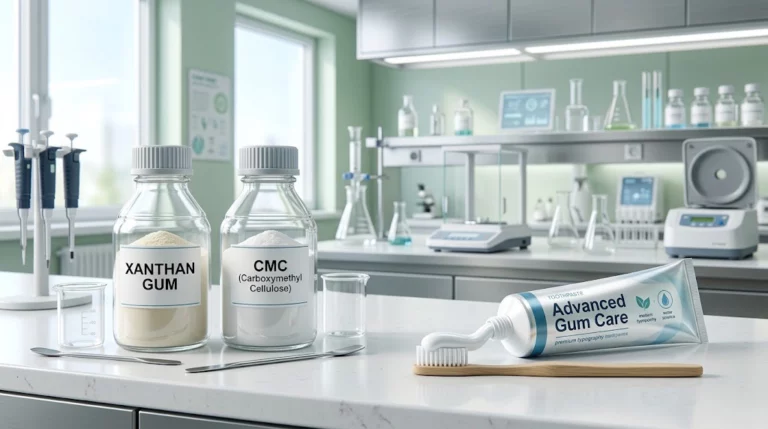
Maintaining optimal oral hygiene is essential in dental clinics, where patient care requires precision and efficiency. Among the tools that have transformed professional dental care, the dentist water flosser is particularly effective. It helps remove plaque, supports gum health, and enhances overall patient satisfaction.
This guide offers clinical insights for dental professionals. It also provides practical usage recommendations to help maximize the benefits of water flossers in a clinical setting.
Why Dentists Recommend a Dentist Water Flosser
Dental professionals increasingly rely on dentist water flossers because they offer several advantages over traditional flossing methods. These devices use pulsating water streams to remove debris between teeth and along the gumline. This allows them to reach areas that standard floss often misses.
Clinical studies indicate that water flossers can reduce gingivitis and improve periodontal health when used consistently. Unlike conventional string floss, water flossers are gentle on sensitive gums. This makes them ideal for patients with braces, implants, or crowns. Additionally, they promote patient compliance, as many individuals find them easier and more comfortable to use at home.
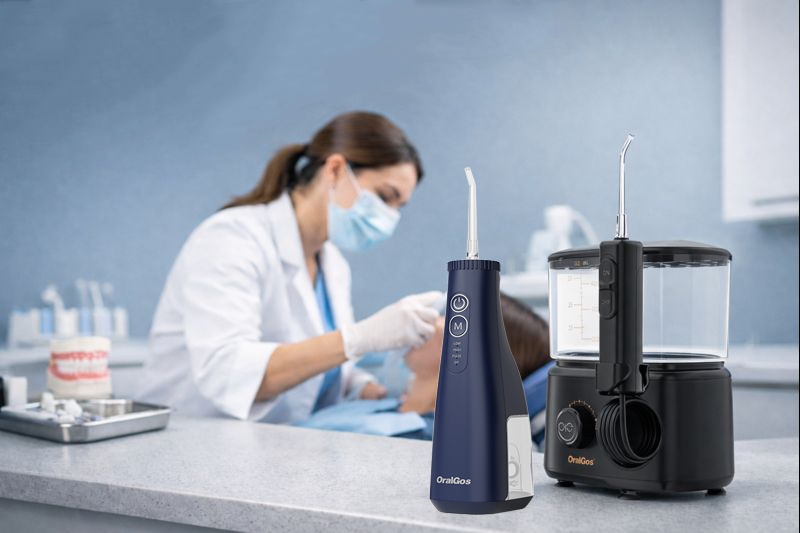
When integrating water flossers into patient care, dental clinics should prioritize professional-grade solutions. The Oralgos Water Flosser Collection offers models developed for clinical and dental environments.

Key Features to Look for in a Dentist Water Flosser
When selecting a dentist water flosser for clinical use, several features ensure optimal performance:
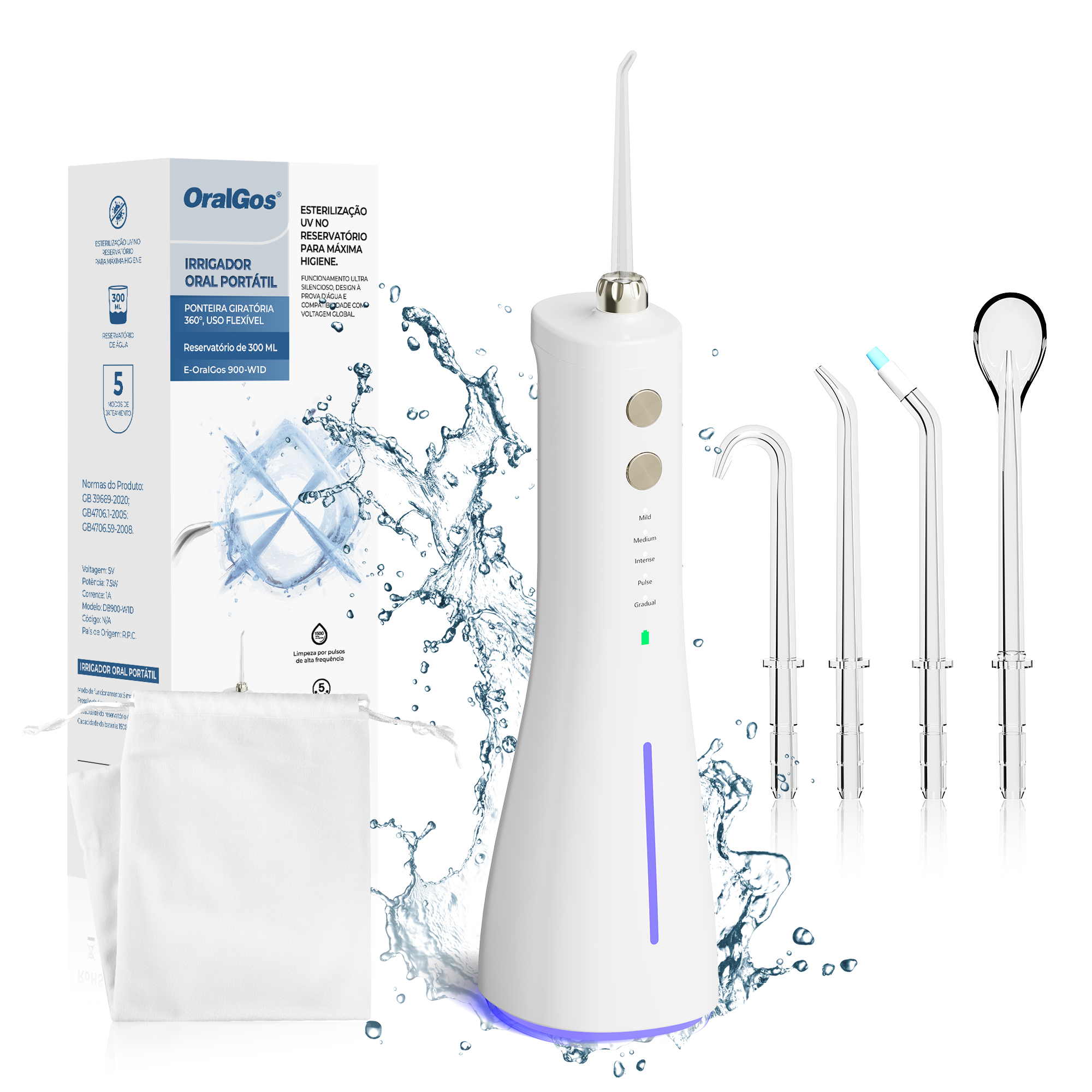
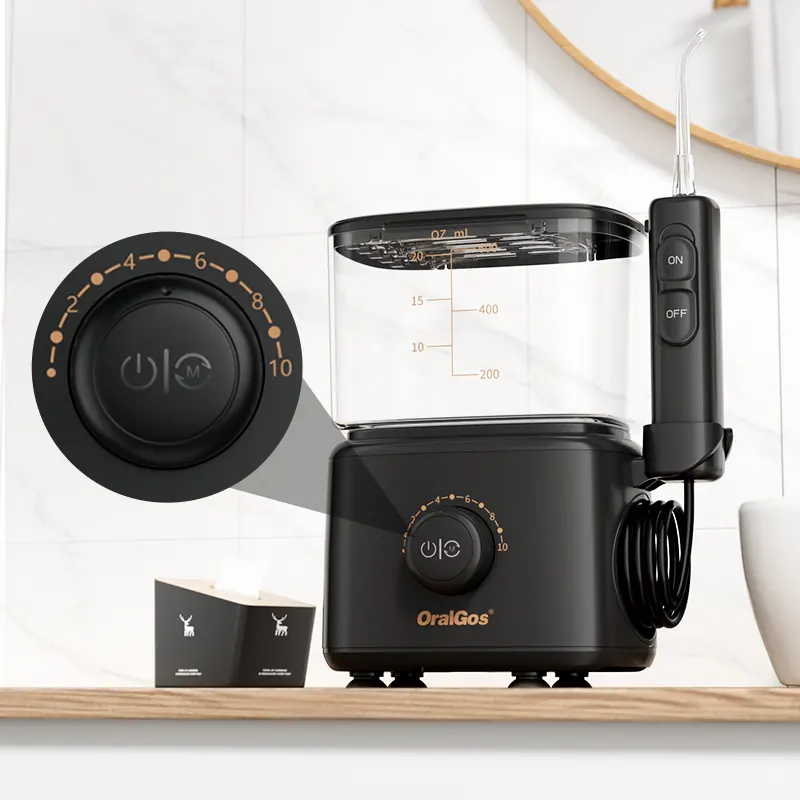
- Adjustable Pressure Settings – Clinicians can customize water pressure based on patient sensitivity and oral health needs.
- Multiple Tips – Different tips make it possible to clean specific areas, such as braces, implants, and deep gum areas.
- Ease of Cleaning – Removable reservoirs and self-cleaning mechanisms prevent bacterial buildup, ensuring hygiene compliance.
- Compact and Portable Design – A compact unit fits easily in treatment rooms, allowing seamless integration into the workflow.
Investing in a high-quality water flosser can improve clinical outcomes. It also enhances the patient experience and shows a clinic’s commitment to advanced oral care.
Clinical Application and Patient Guidance
Proper application of a dentist water flosser involves both operator and patient education. Dental professionals should demonstrate the correct technique:
- Position the tip at a 90-degree angle to the gumline.
- Use slow, steady movements along the interdental spaces.
- Adjust pressure to avoid discomfort while ensuring effective plaque removal.
Clinicians may also recommend that patients use water flossers at home for daily oral hygiene maintenance. Teaching patients to use water flossers regularly and correctly is essential for long-term gum health. For additional patient resources, external references such as the American Dental Association Water Flosser Guide offer reliable guidance.
Integration into Dental Clinic Workflow
To maximize efficiency, dental clinics can incorporate dentist water flossers into routine cleaning and prophylaxis appointments. Some practical tips include:
- Keeping a dedicated flosser unit in the hygiene room.
- Rotating tips between patients and sterilizing according to infection control protocols.
- Documenting patient outcomes and feedback to assess the effectiveness of water flosser use.
Integrating water flossers into the clinical routine not only enhances treatment effectiveness but also strengthens patient trust and satisfaction.
Conclusion
Dental professionals view the dentist water flosser as a practical clinical tool. It helps improve oral hygiene, reduce gum disease risk, and encourage patient compliance. Dental clinics can deliver better care by choosing the right water flosser. Patient education and proper integration into clinical workflows also play an important role.
Dental clinics can explore high-quality options at the Oralgos Water Flosser Collection. They can also stay informed by following industry guidelines from trusted sources such as the American Dental Association.