Selecting the right manufacturing partner is one of the most critical decisions an oral care brand can make. A poor choice increases compliance risks, leads to inconsistent quality, and delays product launches. In contrast, the right partner supports faster growth and protects long-term brand value. This guide focuses on toothpaste OEM selection for high-intent buyers. It places strong emphasis on factory audits and project initiation.
You may be launching a new toothpaste line or scaling an existing brand. In both cases, a structured approach to OEM evaluation leads to more confident, commercially sound decisions.
Why Toothpaste OEM Selection Determines Brand Success
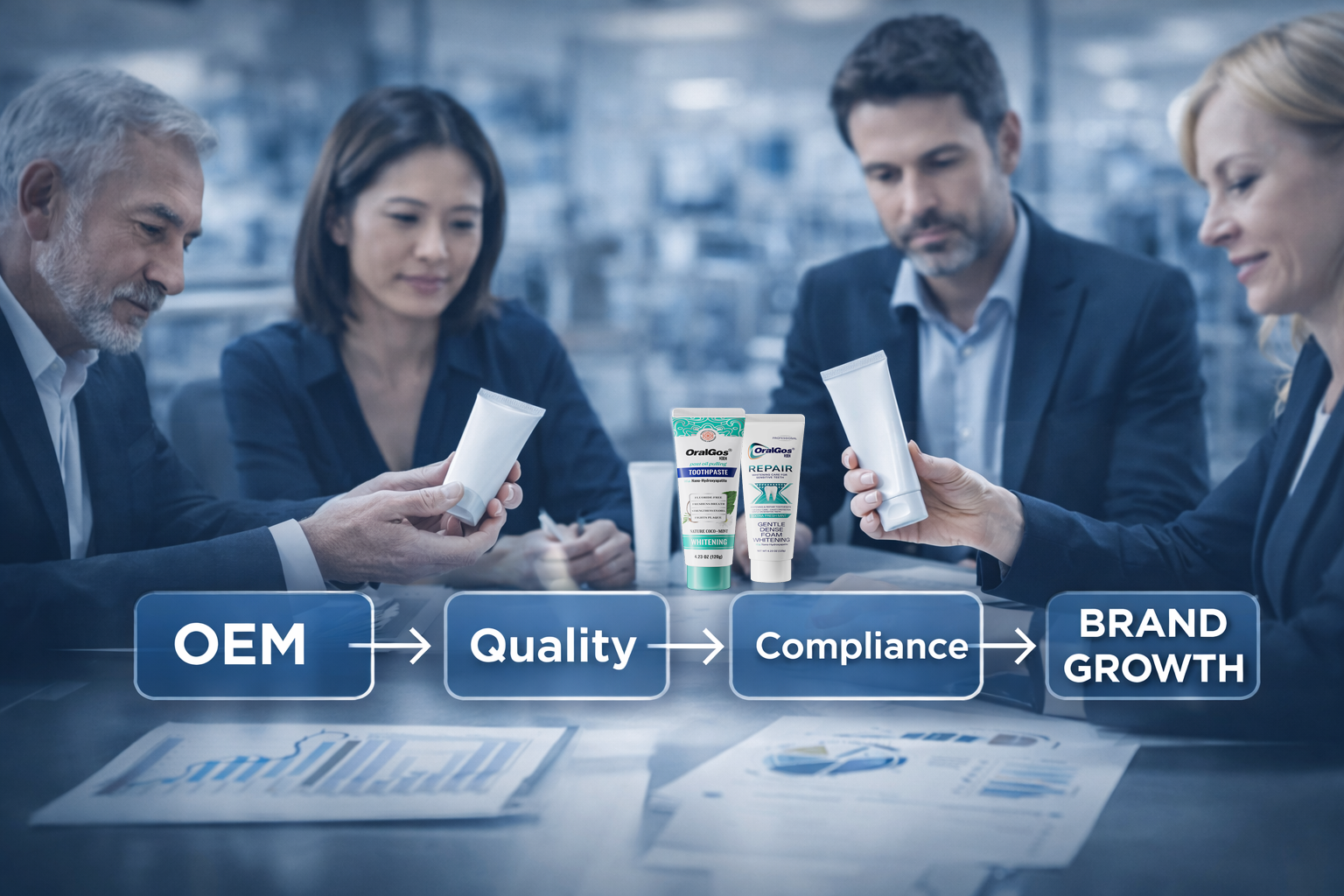
In today’s competitive oral care market, toothpaste is no longer a commodity product. Consumers expect differentiated formulations, verified safety, and consistent quality across batches. That makes toothpaste OEM selection a strategic decision rather than a simple cost comparison.
The right OEM should function as an extension of your brand—not just a production site. This includes formulation capability, regulatory alignment, transparent communication, and scalable manufacturing systems. Brands that overlook these factors often face formula change delays, compliance rework, or inconsistent product performance after launch.
Toothpaste OEM Selection Starts with Factory Audits
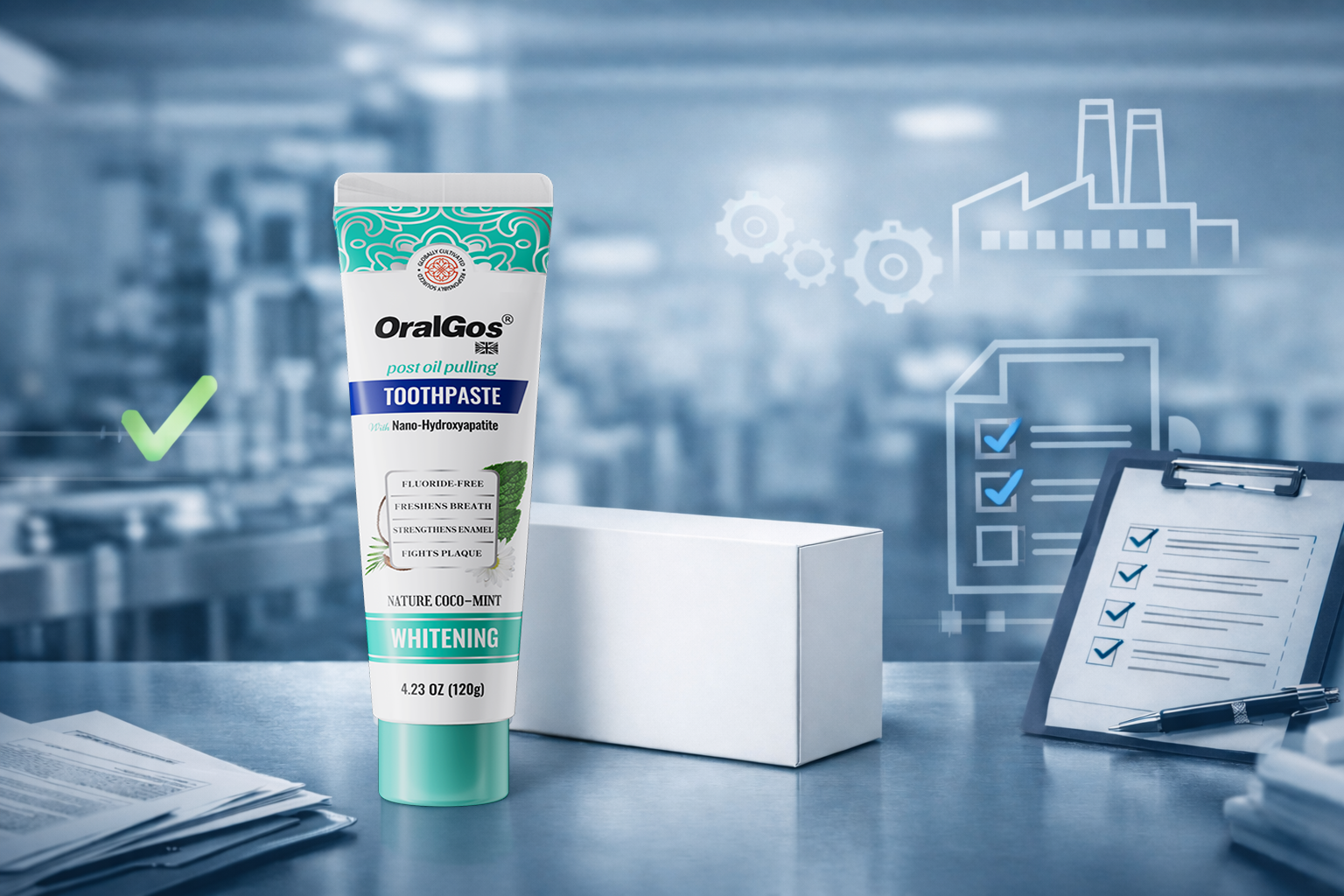
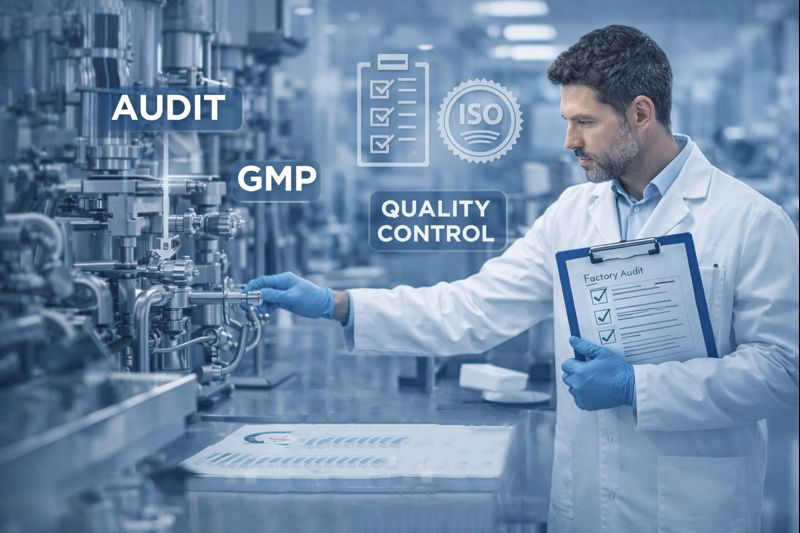
A professional factory audit is the foundation of effective toothpaste OEM selection. Before discussing pricing or MOQs, brands should confirm that the manufacturer meets baseline production and regulatory standards.
Key areas to assess during an audit include:
- Certifications and compliance: Look for GMP, ISO 22716, FDA registration, or EU cosmetic compliance depending on your target market.
- Production environment: Cleanroom standards, water treatment systems, and cross-contamination controls are essential for toothpaste manufacturing.
- Quality control systems: In-house labs, batch testing, and tracking procedures indicate maturity and risk control.
- Documentation transparency: Reliable OEMs provide SOPs, audit reports, and test records without hesitation.
A factory that performs well in audits reduces downstream risks during registration, customs clearance, and retail onboarding.
Red Flags to Watch During Toothpaste OEM Selection Audits
Not all factories present their risks openly. During toothpaste OEM selection, be alert to warning signs such as:
- Relying too heavily on outsourced formulation without in-house technical staff
- Vague answers about ingredient sourcing or compliance documentation
- Inconsistent sample quality across test batches
- Unwillingness to allow on-site or third-party audits
Identifying these red flags early saves significant time and cost during project execution.
Evaluating Formulation and Customization Capabilities
Beyond compliance, toothpaste OEM selection should focus on formulation strength. A capable OEM should support product variety rather than pushing generic base formulas.
Evaluate whether the manufacturer can:
- Customize active ingredients (fluoride levels, hydroxyapatite, herbal extracts)
- Adjust sensory elements such as flavor, texture, and foaming
- Provide stability testing and formulation validation
- Advise on market-specific ingredient restrictions
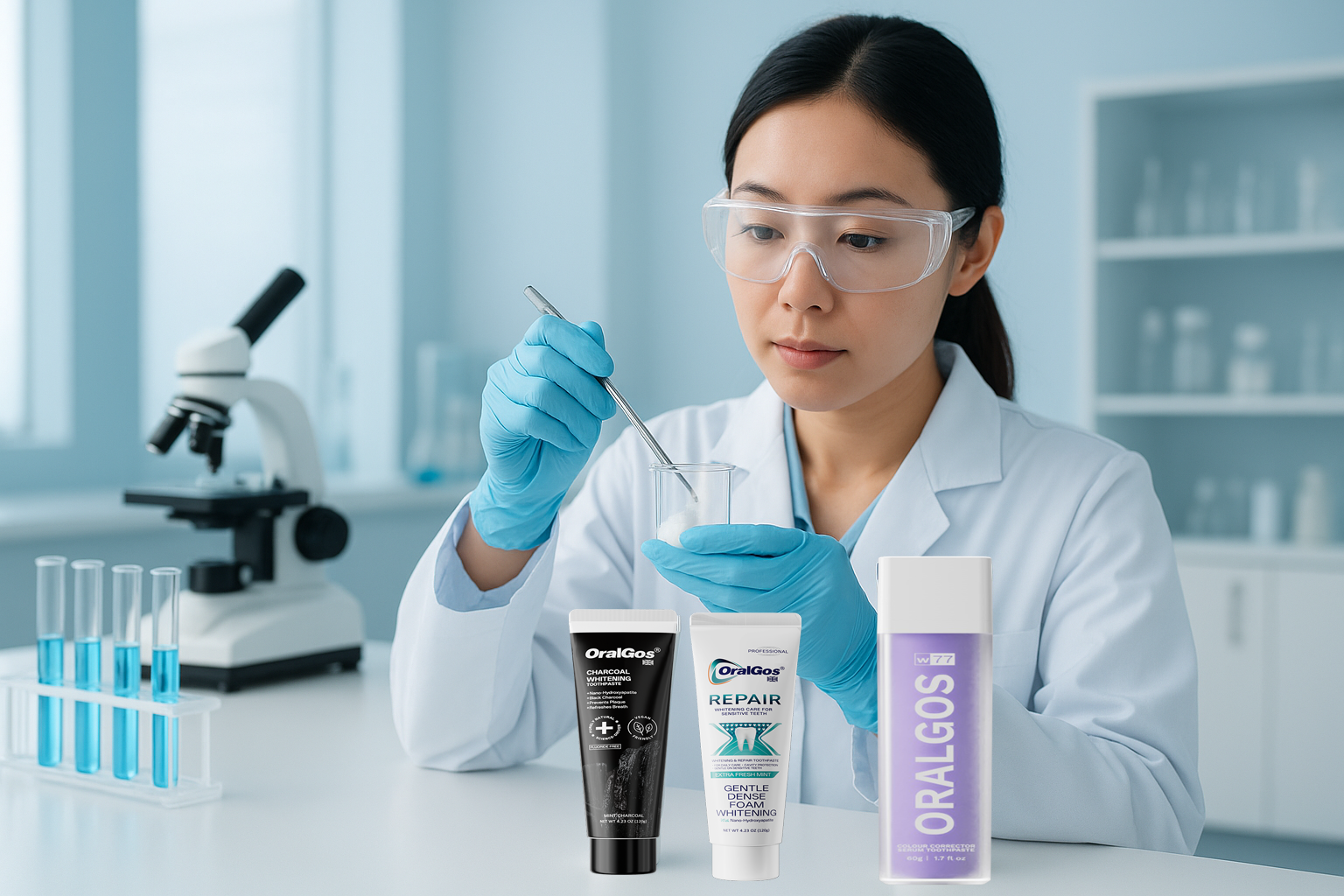
Manufacturers with strong R&D teams often help brands shorten development cycles and adapt formulations for multiple markets. Reviewing an OEM’s existing toothpaste portfolio can provide insight into their technical depth. For example, browsing a dedicated toothpaste product range helps buyers assess formulation diversity and positioning flexibility.
Toothpaste OEM Selection and Project Launch Readiness
A factory may look impressive on paper, but project execution is where partnerships succeed or fail. Toothpaste OEM selection should therefore include a clear review of project launch workflows.
Important questions to ask include:
- How is the project timeline structured from sampling to mass production?
- Who is the dedicated project or account manager?
- How are packaging sourcing, artwork confirmation, and compliance reviews coordinated?
- What contingency plans exist for raw material or logistics delays?
An OEM with structured onboarding processes can significantly reduce time-to-market and internal coordination costs for your brand.
Communication and Responsiveness Matter More Than Price
While pricing is always a consideration, experienced buyers know that responsiveness often matters more. During toothpaste OEM selection, evaluate how quickly and clearly the factory communicates during the early stages. Fast sample iteration, proactive problem-solving, and transparent updates usually indicate smoother long-term collaboration.
External Benchmarking and Industry References
To support your evaluation, it helps to consult broader industry guidance on cosmetic and oral care manufacturing standards. Organizations such as the FDA and EU cosmetic regulators publish publicly available compliance principles that reputable OEMs align with. Referencing these standards during negotiations reinforces your expectations and positions your brand as a professional buyer.
Final Thoughts: Toothpaste OEM Selection as a Strategic Investment
Effective toothpaste OEM selection is not just about finding the lowest-cost supplier. It is about choosing a manufacturing partner that ensures compliance, consistent quality, and scalable growth. By prioritizing factory audits and organized project planning, brands can reduce production risks and launch products with confidence.
Approached strategically, toothpaste OEM selection becomes a long-term investment that protects your brand reputation and accelerates market success.