In oral care manufacturing, quality serves as the cornerstone of every product. Effective toothbrush quality control ensures that each toothbrush delivered to consumers provides safe, durable, and reliable performance.
This article explains the steps to make a toothbrush. It builds on the information in “How to Produce a Toothbrush: From Design to Manufacturing at Oralgos.” It explores the quality‑control processes that protect every stage, from raw materials to final packaging and shipping. For those sourcing or manufacturing toothbrushes, understanding these QC steps is essential for compliance, consistency, and brand reputation.
Why Toothbrush Quality Control Matters
Toothbrushes have a direct effect on oral health. Defects such as loose bristles, rough handles, or uneven trimming can irritate gums and wear down enamel.
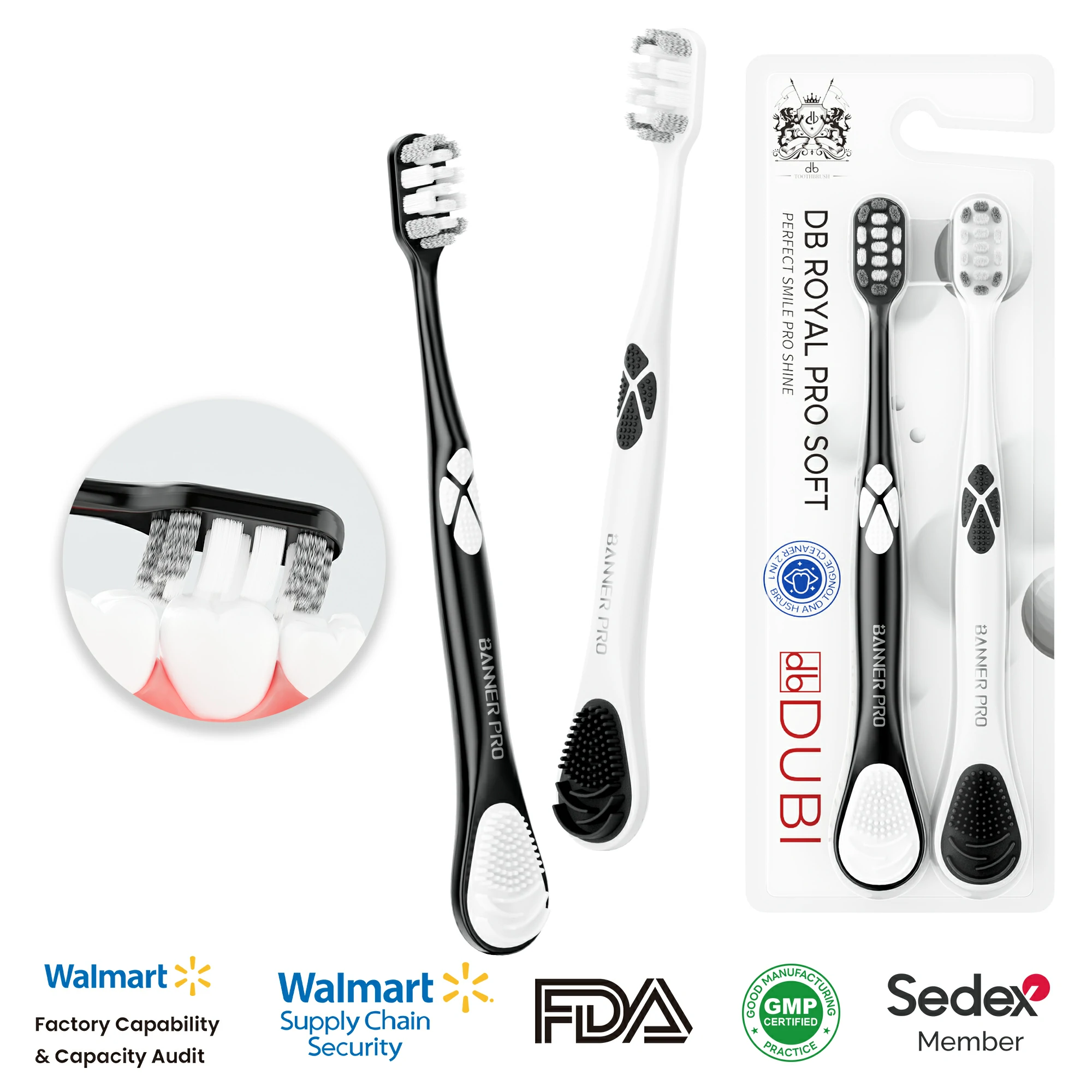
As such, stringent toothbrush quality control is non‑negotiable. A robust QC system helps manufacturers comply with global regulatory standards such as CE, FDA, and ISO. It also builds trust with retailers and OEM clients.
Quality control extends beyond safety considerations. Consistent product quality is essential. From bristle firmness to handle ergonomics, it ensures that every toothbrush provides the same user experience across all batches. That consistency is a core pillar for any serious oral‑care brand.
Key Stages of Toothbrush Quality Control
Raw Material Inspection — The First Step in Toothbrush Quality Control
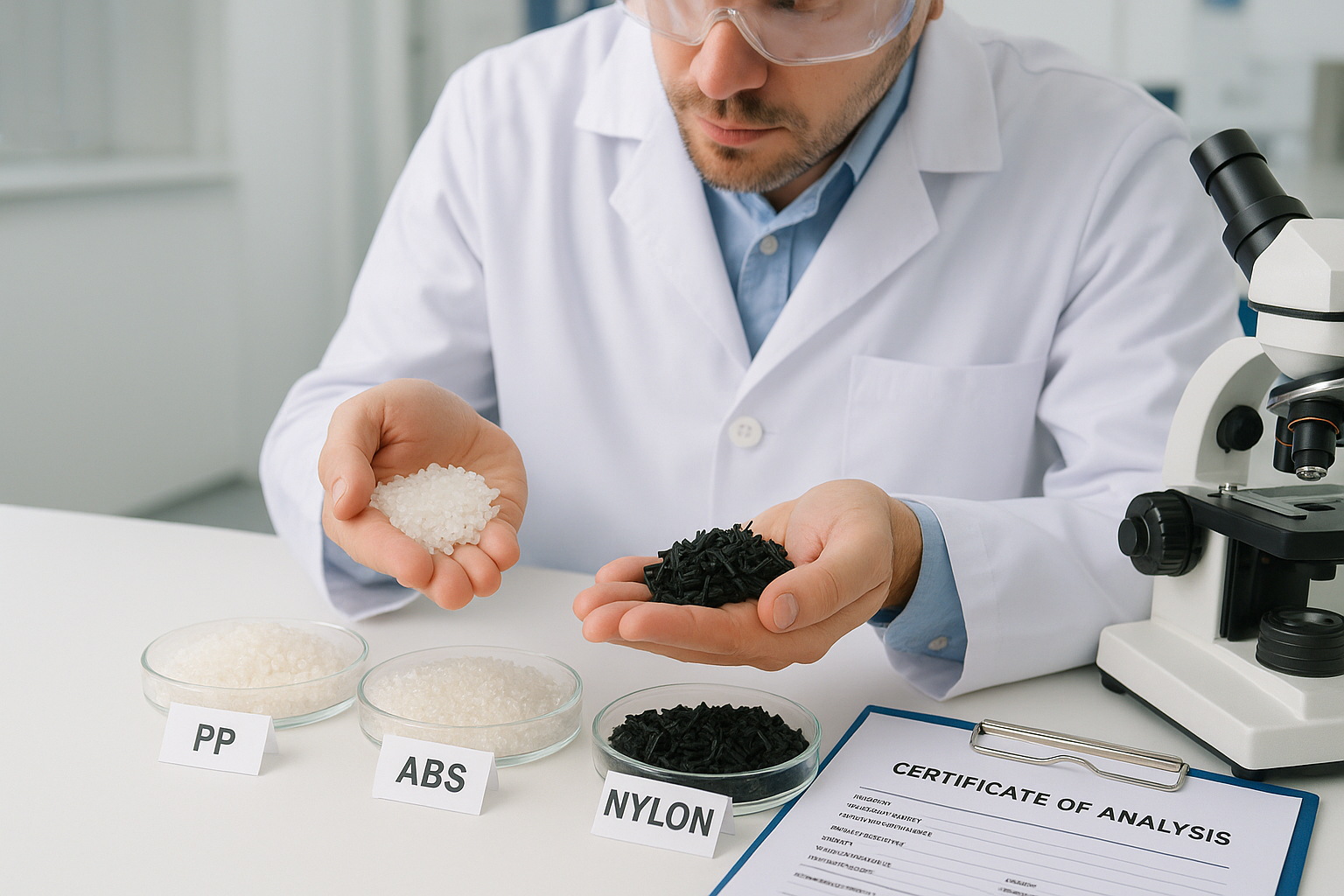
Before a single toothbrush is molded, quality control begins at the raw material level. Suppliers must provide Certificates of Analysis (COAs), and manufacturing teams verify polymers, bristles, adhesives, and other components against internal specifications. QC engineers check materials, such as nylon bristles, to ensure they meet safety, toxicity, and durability standards.
QC engineers reject any raw‑material batch that fails inspection, preventing substandard components from entering production. This stage of toothbrush quality control ensures a stable baseline, before complex processes like molding or tufting begin.
In‑Process Quality Control — Monitoring Toothbrush Production in Real Time
Once production begins, quality control continues without pause. Many modern toothbrush factories, including OEM operations, implement in‑process quality control (IPQC). Automated sensors and vision systems monitor critical parameters in real time. They check key aspects such as handle molding integrity, bristle insertion, and tufting alignment.
For example:
- During injection molding, handles are checked for defects such as warping, cracks, or uneven surfaces.
- During bristle insertion, automated inspection checks for uniform tufting, correct density, and proper alignment. The system flags any mis-tufted heads for rejection or rework.
- Trimming and end‑rounding the bristle tips is an essential step for comfort and safety. Following this, each toothbrush undergoes visual inspection to confirm that no sharp bristles remain.
This continuous monitoring reduces variability and catches defects early, avoiding costly recalls or reputational damage. It’s a core practice in any reliable “toothbrush quality control” protocol.
Post‑Production Testing & Final Toothbrush Inspection
Functional, Safety, and Durability Tests for Toothbrush Quality
Once the toothbrush is fully assembled, post‑production quality control kicks in. Random samples from each batch undergo functional tests: durability, bristle firmness, handle sturdiness, and sometimes sterilization or sterilization‑related checks.
In factories producing electric or motorized toothbrushes, additional tests include waterproofing (to ensure resistance to moisture), motor performance, battery safety, and product lifespan simulation.
Cosmetic Inspection and Packaging Readiness in Toothbrush QC
Beyond function, appearance, comfort, and safety matter. Each toothbrush undergoes a visual inspection for cosmetic defects. Inspectors check handle smoothness, color consistency, bristle uniformity, and ensure there is no flashing or molding residue. Cosmetic flaws may reflect deeper molding issues or material problems.
Only toothbrushes that pass all QC checkpoints — material, assembly, function, safety, cosmetic — are approved for final packaging. This “final gatekeeper” approach is a hallmark of rigorous toothbrush quality control in reputable factories.
Traceability, Documentation, and Compliance in Toothbrush QC
A modern toothbrush QC system doesn’t end with inspection. To ensure traceability, many manufacturers assign batch codes and record raw‑material sources. They also log production parameters, including molding temperature, tufting machine settings, and inspection results. The team then stores all QC reports for reference and traceability.
This documentation is vital for audits, recalls, or buyer verification. Manufacturers achieve compliance with ISO 9001, ISO 13485, CE, FDA, and local regulations through traceable and transparent QC records.
Transparency in QC processes instills confidence for OEM clients and private‑label brands. It provides detailed information on production timing, location, conditions, and materials used. That assurance translates into brand trust.
Continuous Improvement: QC as a Strategic Advantage
Quality control is not a one‑time check — the best manufacturers treat QC as an evolving system. Their responsibilities include supplier audits, SOP updates, and customer-feedback analysis. Insights from issues like bristle shedding or variations in softness help them optimize manufacturing settings.
For example, if the tufting machines show repeated issues with improper bristle anchoring, the team recalibrates the process settings. They also revise the SOP to add extra inspections at shift changes, which helps lower defect rates.
This continuous‑improvement mindset helps brands maintain high standards, reduce waste and returns, and ensure long‑term consumer satisfaction.
How This Builds on “From Design to Manufacturing”
The previous article explained the core manufacturing steps of a toothbrush: material procurement, injection molding, bristle planting, and assembly. It also mentioned quality control at a high level.
Here, we detail how manufacturers implement quality control at each stage. By using this approach, stakeholders gain insight into the detailed steps required to deliver a “ready-for-shelf” toothbrush. The process guarantees safety, compliance, and reliability for every product.
What’s Next? Packaging Design — The Final Touch Point
Quality ends not at manufacturing, but at delivery to the consumer. Once toothbrushes pass quality control, the next crucial phase is packaging. Packaging preserves hygiene and product integrity while also conveying brand value, usage instructions, and regulatory information.
In the next article, we’ll explore Packaging Design for Toothbrushes: materials, protective features, labeling requirements, sustainability considerations, and how packaging complements quality control. Next, we will delve into toothbrush packaging design, highlighting how it ensures product safety, compliance, and brand impact.