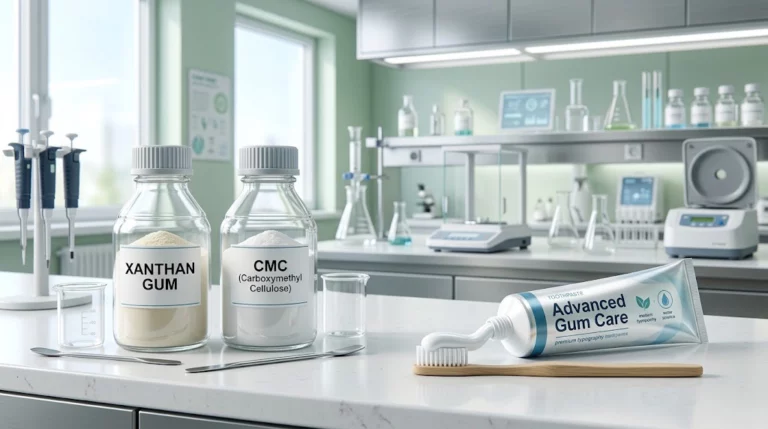
Every toothbrush starts as a design — ergonomic handle shape, bristle layout, even possible rubber grips or soft-touch modules. However, an effective toothbrush requires more than just a design blueprint. The transformation from CAD drawing to a functional toothbrush depends on toothbrush assembling components.
This article explores the assembly of toothbrush components. We examine each step, from the injection-molded handle and head to bristle insertion and grip attachment. If you enjoyed the earlier overview of manufacturing from design to factory floor, check out the initial piece here. We’ll also leave a hint at the importance of quality control — a topic slated for our next article.
Why Assembling Components Matters
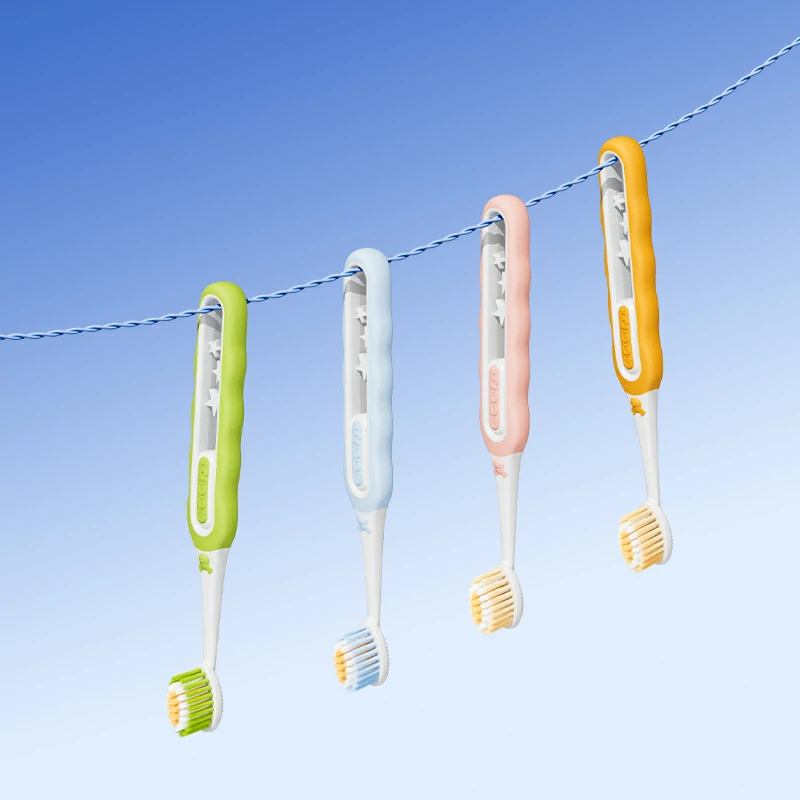
Design defines the ideal — the contours, grip comfort, head shape, bristle pattern. But manufacturing must deliver that design consistently and reliably. Assembling components is a critical step. Misalignment or improper attachment of the handle, head, bristles, or grip can reduce a toothbrush’s effectiveness. It may also cause discomfort during use or lead to safety issues.
By carefully assembling components under controlled, repeatable processes, factories ensure every brush matches design intent and quality expectations.
Key Steps in Toothbrush Assembling Components
Handle and Head via Injection Molding
The first major component of assembly is the handle and head, typically formed together or separately via injection molding. Manufacturers first melt thermoplastics like polypropylene (PP) or ABS and then inject them into steel or aluminum molds. These molds shape the ergonomic handle, the neck, and the head, and also create pre-formed holes or cores for bristle insertion.
Once injected, the plastic cools and solidifies, and the machine then ejects the molded piece. If necessary, manufacturers perform a secondary process, such as over-molding, to add rubber grips or soft-touch modules. This enhances handle comfort for the user.
This molding stage defines the structural foundation — handle shape, head configuration, bristle holes — for all subsequent assembly steps.
Securing the Bristles — Tufting and Bristle Attachment
With handle and head ready, the next vital component is the bristle tufting. The production team trims and aligns bundles of nylon or synthetic fibers before feeding them into the tufting machines.
Machines first insert bristle bundles into the molded holes of the toothbrush head. The machines secure the bristles using metal staples or modern techniques. These techniques include ultrasonic welding and heat-fusion, commonly applied in anchorless or in-mold tufting.
Production teams trim the bristles to a consistent length after insertion and shape the tips, either by flagging or rounding, to protect the gums.
Bristle attachment represents the central stage of the toothbrush assembling process. Manufacturers realize the planned bristle layout, density, and softness in the finished brush.
Final Assembly — Handles, Grips, and Add‑Ons
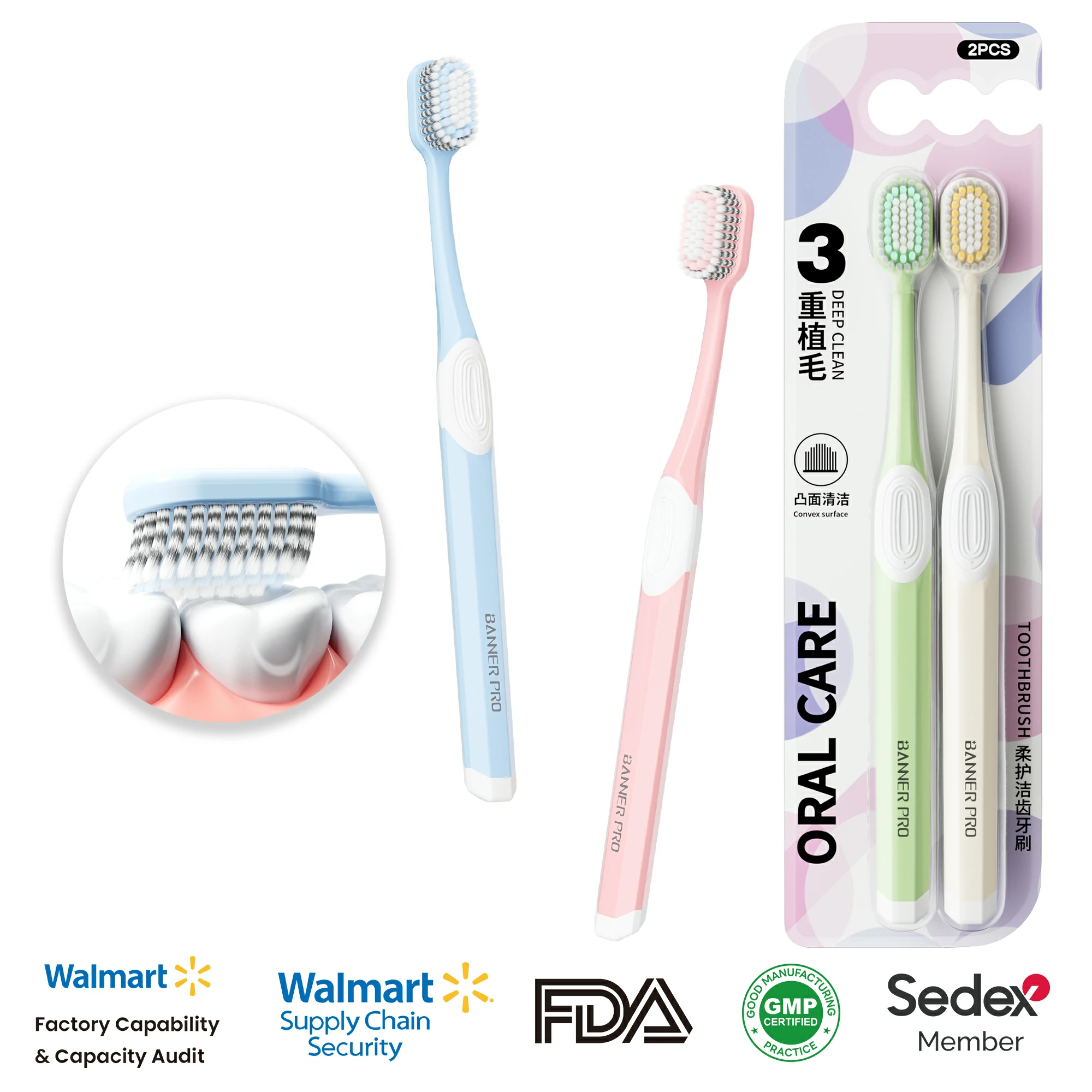
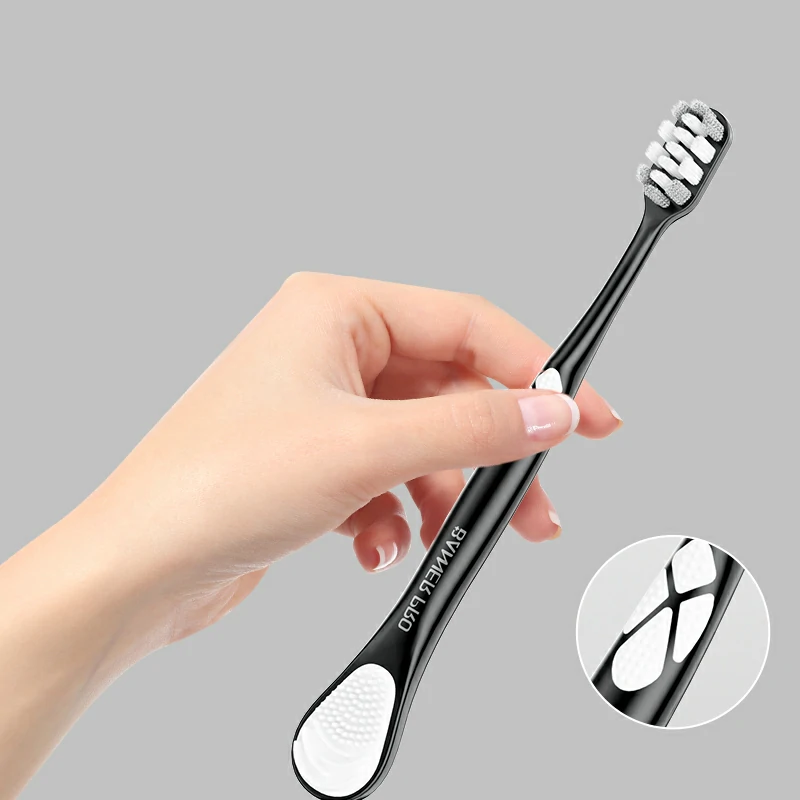
Many toothbrushes today are more than a molded handle and bristles. Some toothbrushes include added features such as soft rubber grips, colored inlays, or dual-material handles. In electric models, these additions may also extend to modules like timers or vibrating units.
During the assembly phase, manufacturers add these extra components step by step. They use methods such as second injection molding, adhesive bonding, ultrasonic welding, or over-molding to secure each part.
Once the head, handle, bristles, and optional grip modules are all assembled, the toothbrush takes on its complete form. Manufacturers now see the toothbrush closely resemble the final product ready for consumers.
What Challenges Arise During Assembling Components?
Several issues can emerge if assembly isn’t tightly controlled:
- Mis‑aligned bristles or loose tufts, which can reduce cleaning effectiveness or cause bristle fallout.
- Rough or unfinished handle surfaces, leading to poor grip comfort or even minor injury to the user’s hand.
- Poorly bonded grips or loosely attached modules can cause parts to come off over time. This issue is especially common in toothbrushes with textured grips or additional features.
- Inconsistent tuft density or bristle trimming, affecting brush performance and user comfort.
Because of these risks, precision and consistency during assembly — as well as careful tooling and machine calibration — are indispensable.
Why Assembling Components Should Be in Focus for OEM/Brand Buyers
For buyers sourcing toothbrushes (brands, retailers, private labels), understanding the “toothbrush assembling components” process helps:
- You can better evaluate factory capability — are molds precise? Do tufting machines incorporate modern technologies? Are grips and modules handled reliably?
- You can specify design tolerances — e.g. handle ergonomics, bristle firmness, grip material — with confidence those can be manufactured consistently.
- You can foresee potential issues (loose bristles, uneven grip surfaces, weak module attachment) and require quality checks accordingly.
In other words: deep knowledge of the assembly process helps buyers set realistic expectations and standards.
A Teaser for What’s Next: Quality Control and Final Inspection
Of course — even perfect assembly does not guarantee a perfect toothbrush. Variations can creep in: slight mold deformities, bristle anchoring inconsistency, grip bond weaknesses, surface imperfections. That is why quality control is the final — but equally critical — link in the chain.
Our next article will examine the quality-control protocols in toothbrush manufacturing in detail. These include molded-part inspections, bristle-pull tests, and evaluations of packaging integrity. Stay tuned — because only when assembly and QC meet high standards does a toothbrush truly meet consumer expectations.
Conclusion
Creating a toothbrush from a design sketch to the finished product relies on careful assembly of its components. This process includes handle molding, precise bristle tufting and attachment, grip or module integration, and final trimming and finishing. Each step demands precision, consistency, and the right equipment.
Brands, retailers, and OEM buyers benefit from understanding the toothbrush assembly process. This knowledge helps them make informed sourcing decisions and ensures consistent product quality.
The next part — quality control — awaits.