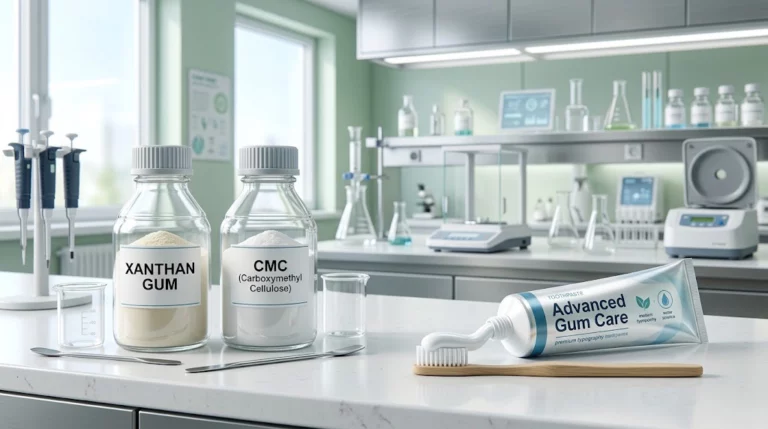
Maintaining oral hygiene is always important, but it becomes especially critical for people with Braces or dental implants. Orthodontic appliances and implant structures create additional surfaces where plaque and food debris can accumulate. Without a proper oral care routine, patients may face gum inflammation, enamel damage, or even implant failure.
This guide outlines a practical, dentist-approved oral care routine designed specifically for braces and implants patients—one that fits easily into daily life while protecting long-term oral health.
Why Oral Care Is More Challenging with Braces and Implants
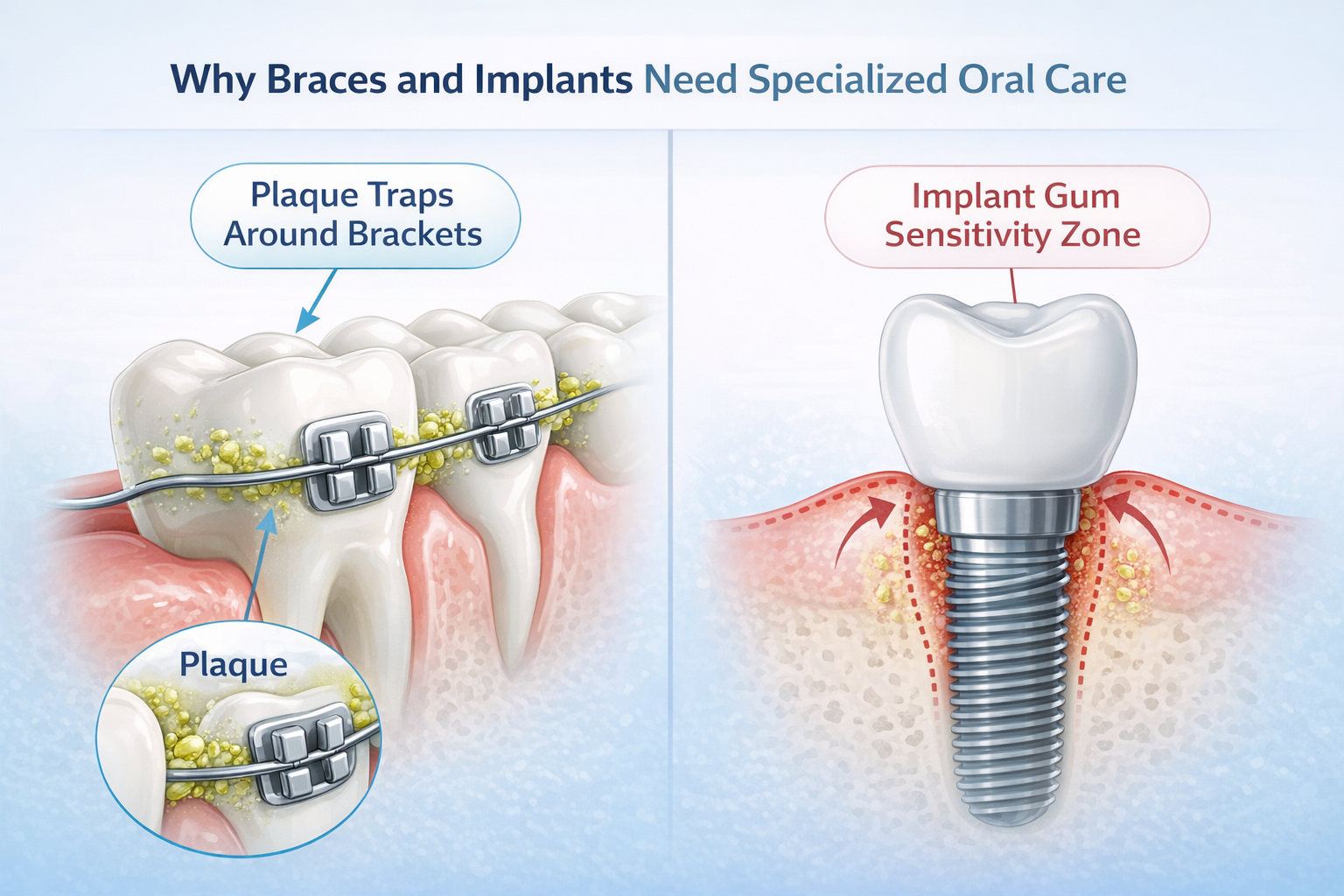
Braces Increase Plaque Retention
Braces introduce brackets, wires, and elastics that trap food particles. These hard-to-reach areas allow plaque to form quickly, increasing the risk of white spot lesions and gingivitis if brushing is inadequate.
Implants Require Gentle but Thorough Cleaning
Dental implants do not decay like natural teeth, but the surrounding gum tissue is vulnerable to peri-implantitis. Consistent plaque control is essential to protect both the implant and supporting bone.
According to the American Dental Association, patients with orthodontic appliances or implants should adopt specialized cleaning techniques and tools to reduce bacterial buildup and inflammation.
Daily Brushing Routine for Braces Patients
Choosing the Right Toothbrush for Braces
A standard toothbrush often isn’t enough for Braces. Orthodontic toothbrushes are designed with V-shaped or multi-level bristles to clean around brackets more effectively.
For optimal results, consider using a dedicated orthodontic toothbrush that is specifically designed to clean around brackets and wires more effectively.
Patients may also alternate between manual and electric toothbrush options depending on sensitivity, brushing habits, and overall comfort, allowing them to personalize their daily oral care routine more effectively.
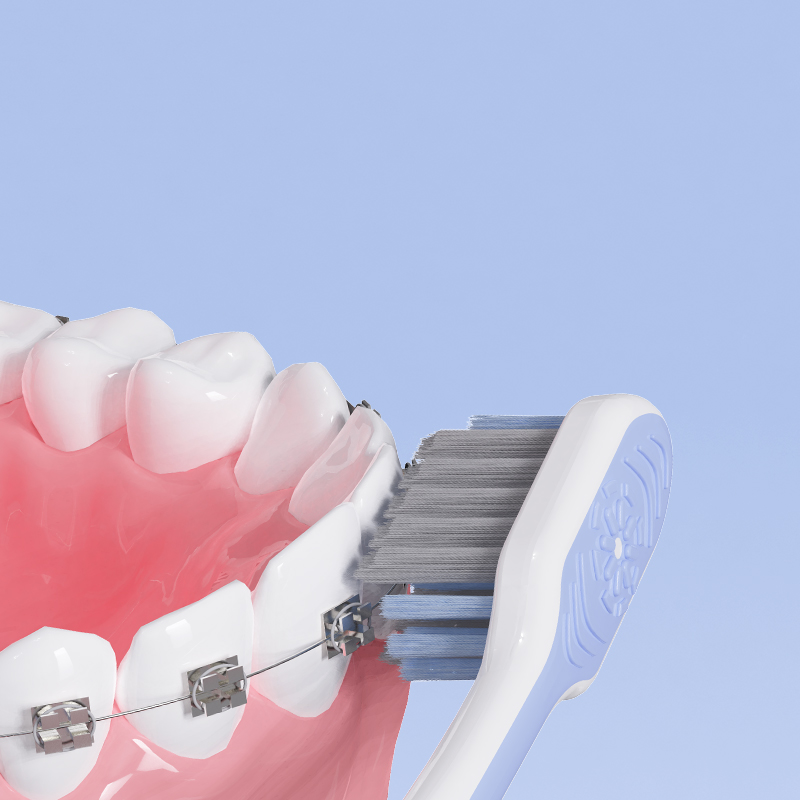
Proper Brushing Technique
Brush at least twice a day for two minutes. Angle the brush at 45 degrees toward the gumline, then tilt downward and upward to clean above and below the brackets. This method ensures that plaque is removed from all surfaces around Braces.
Oral Care for Implants: What’s Different?
Gentle Pressure Matters
Unlike natural teeth, implants rely on surrounding soft tissue for stability. Aggressive brushing may irritate the gums, so use soft bristles and controlled pressure.
Electric Toothbrushes and Implants
Many dental professionals recommend electric toothbrushes for implant patients due to their consistent motion and plaque-removal efficiency. Modern electric brushes can reduce human error while remaining gentle on peri-implant tissue.
Flossing with Braces and Implants: A Must, Not an Option
Interdental Cleaning for Braces
Traditional flossing can be difficult with Braces, but it’s still essential. Use floss threaders or orthodontic floss to clean between teeth and under wires.
Water Flossers for Enhanced Cleaning
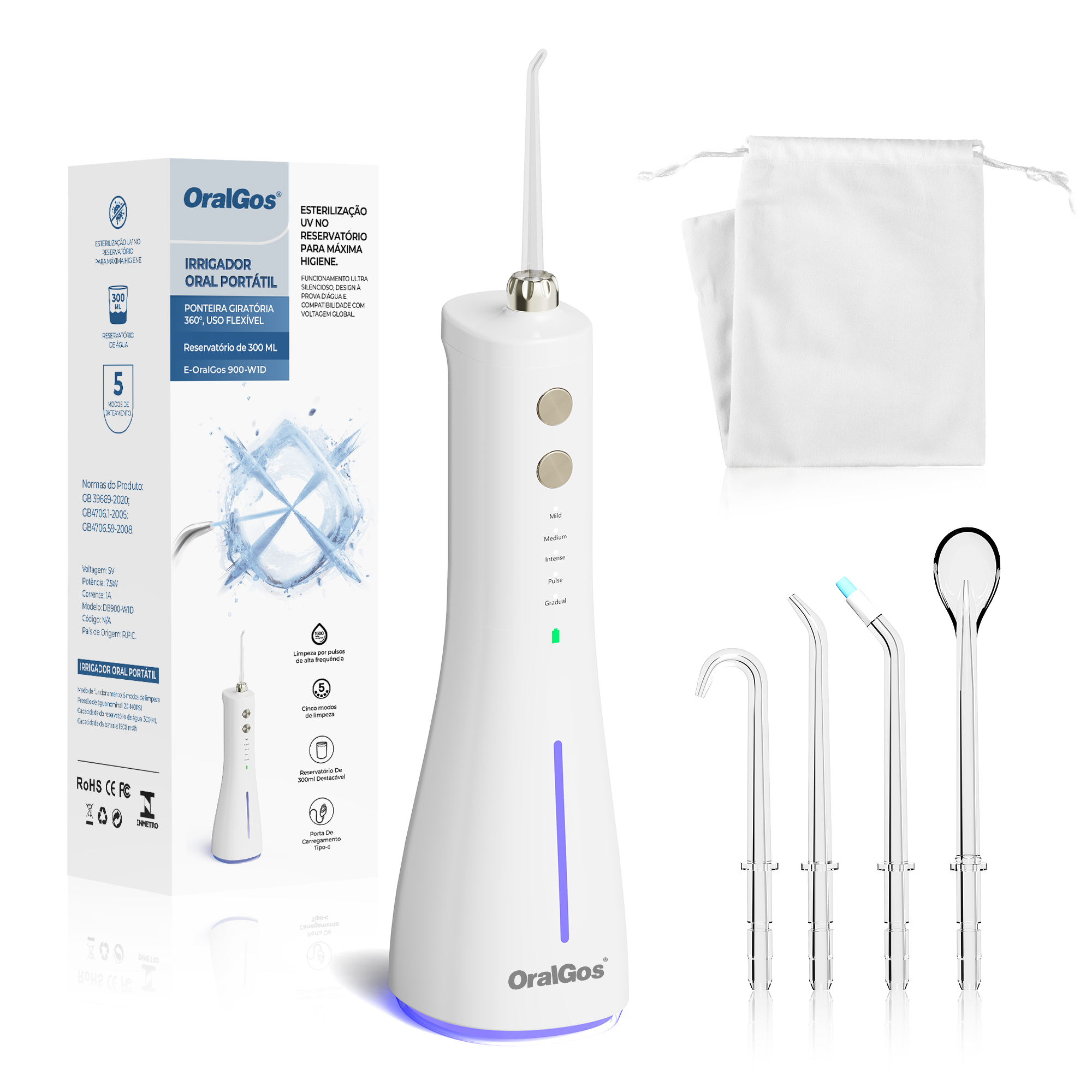
Water flossers are especially effective for both braces and implants. They flush out debris from tight spaces and around implant posts without excessive force.
For enhanced interdental cleaning, consider exploring a range of effective water flosser models designed specifically for braces and implant care.
Clinical studies referenced by the American Dental Association show that water flossers significantly reduce plaque and gingival bleeding in orthodontic patients.
Supporting Habits That Protect Braces and Implants
Diet Awareness
Sticky and sugary foods increase plaque accumulation around Braces and implant margins. Rinse with water after meals and avoid frequent snacking to minimize acid exposure.
Regular Dental Checkups
Professional cleanings and monitoring are essential. Dentists can identify early signs of enamel demineralization or peri-implant inflammation before they become serious problems.
Building a Sustainable Oral Care Routine
Consistency beats complexity. A successful oral care routine for braces and implants patients includes:
- Brushing twice daily with appropriate tools
- Daily interdental cleaning
- Using specialized products designed for orthodontic and implant care
- Maintaining regular dental visits
When patients commit to these habits, Braces become a step toward a healthier smile—not a risk factor.
Final Thoughts
An effective oral care routine is not optional for patients with Braces or dental implants—it’s essential. By using the right toothbrushes, adopting proper techniques, and integrating tools like water flossers, patients can protect their investment in orthodontic and implant treatment.
With the right routine in place, a confident, healthy smile is not just possible—it’s predictable.