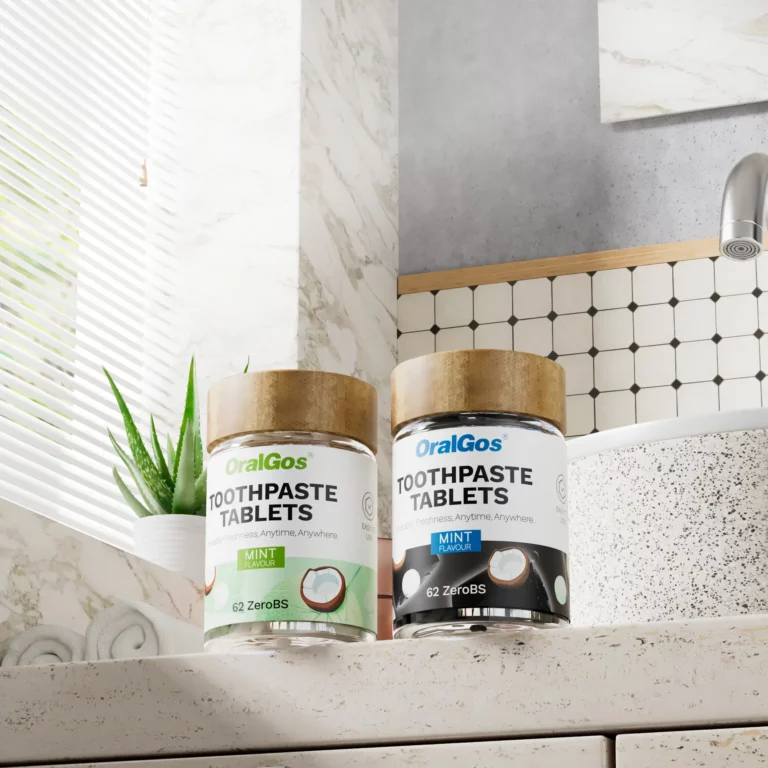
In today’s competitive oral care market, toothbrush design is no longer solely about basic functionality. Consumer behavior plays a pivotal role in shaping both manual and electric toothbrushes, influencing everything from ergonomics and aesthetics to advanced cleaning technologies. Manufacturers must now closely study how users interact with their oral care products to stay relevant and deliver superior experiences.
Understanding Consumer Preferences in Toothbrush Design
Modern consumers are increasingly conscious of oral health, comfort, and sustainability. Surveys show that people seek toothbrushes that are not only effective but also easy to use and aesthetically appealing. This trend has pushed manufacturers to rethink toothbrush design, prioritizing features that cater to various lifestyles and preferences.
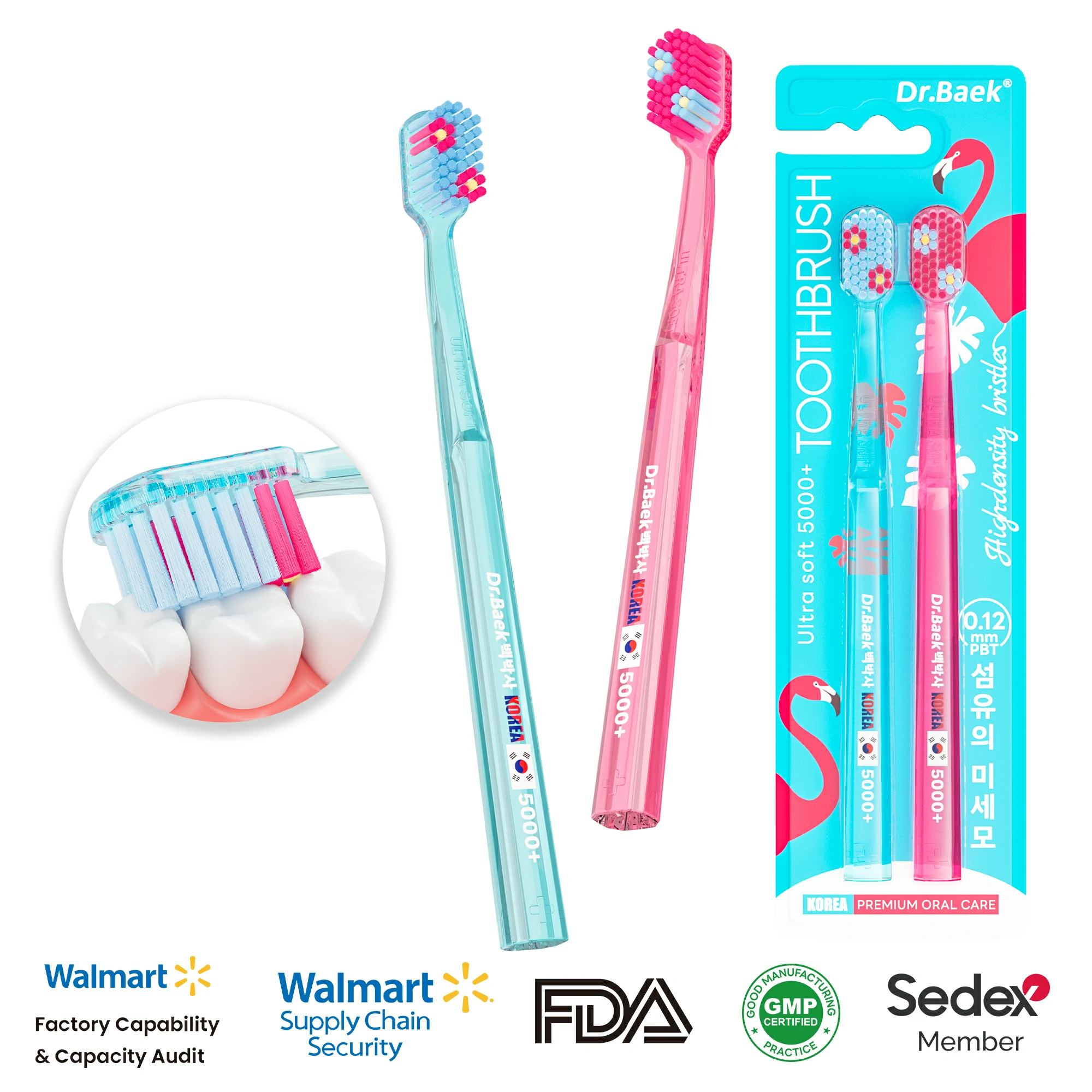
For example, ergonomic handles have become a key focus, allowing users to maintain proper brushing angles and reduce wrist strain. Many toothbrushes now feature non-slip grips, contoured shapes, and lightweight materials. Brands like OralGos offer products specifically designed with ergonomics in mind, such as their manual toothbrush collection, ensuring both comfort and optimal plaque removal.
Impact of Oral Health Awareness on Toothbrush Design
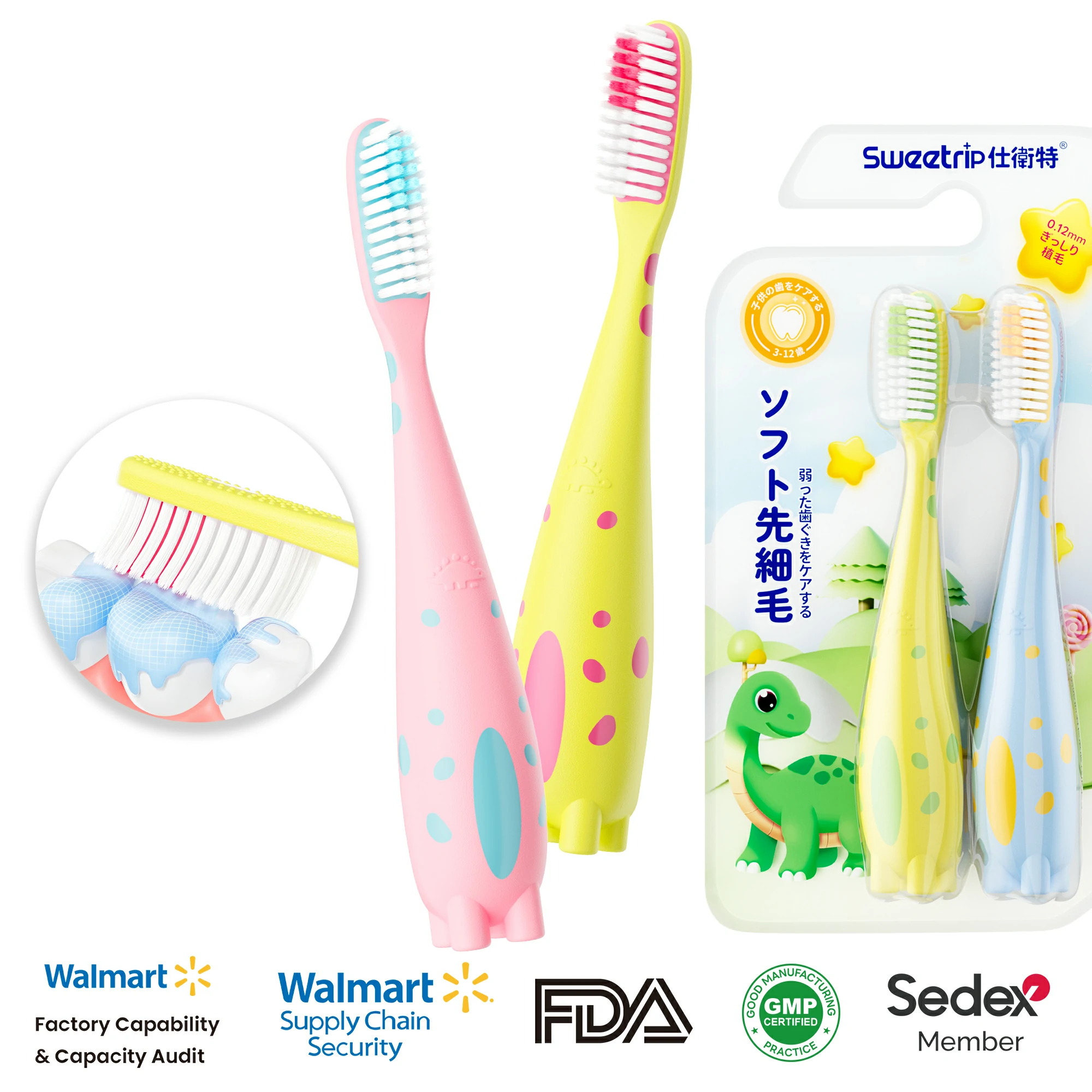
The rise in oral health awareness has encouraged consumers to demand more specialized toothbrushes. Parents, for instance, prefer softer bristles for toddlers, while adults often seek features targeting gum sensitivity or whitening. These preferences directly influence toothbrush design, as companies develop targeted solutions for each demographic.
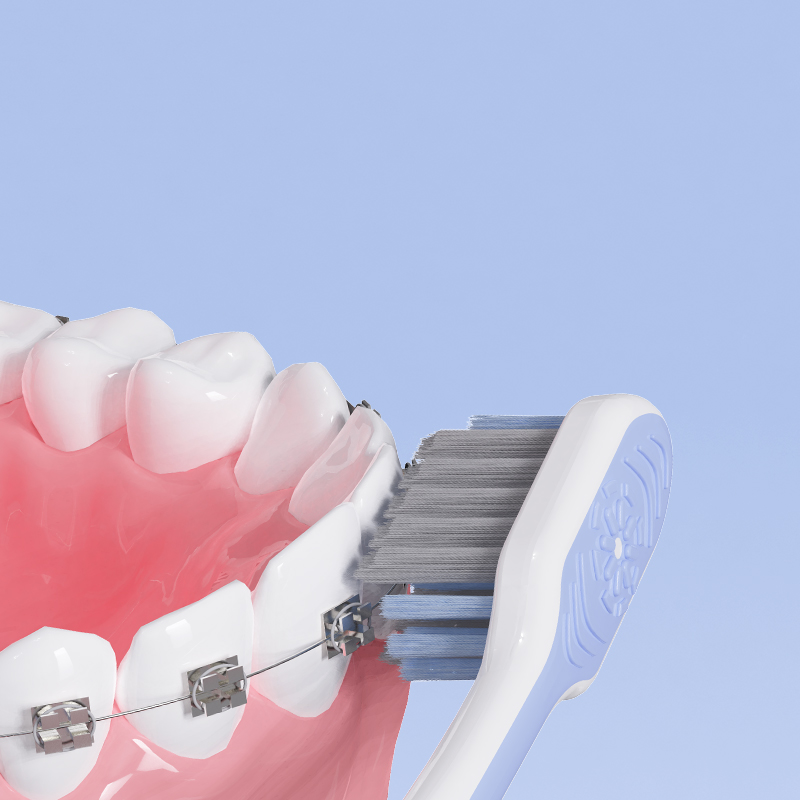
Orthodontic patients are a notable example. Traditional toothbrushes often struggle to clean around braces efficiently, prompting the design of specialized orthodontic toothbrushes that reach hard-to-clean areas without damaging brackets or gums. The result is a toothbrush that not only addresses functional needs but also aligns with the evolving demands of informed consumers.
The Role of Technology in Modern Toothbrush Design
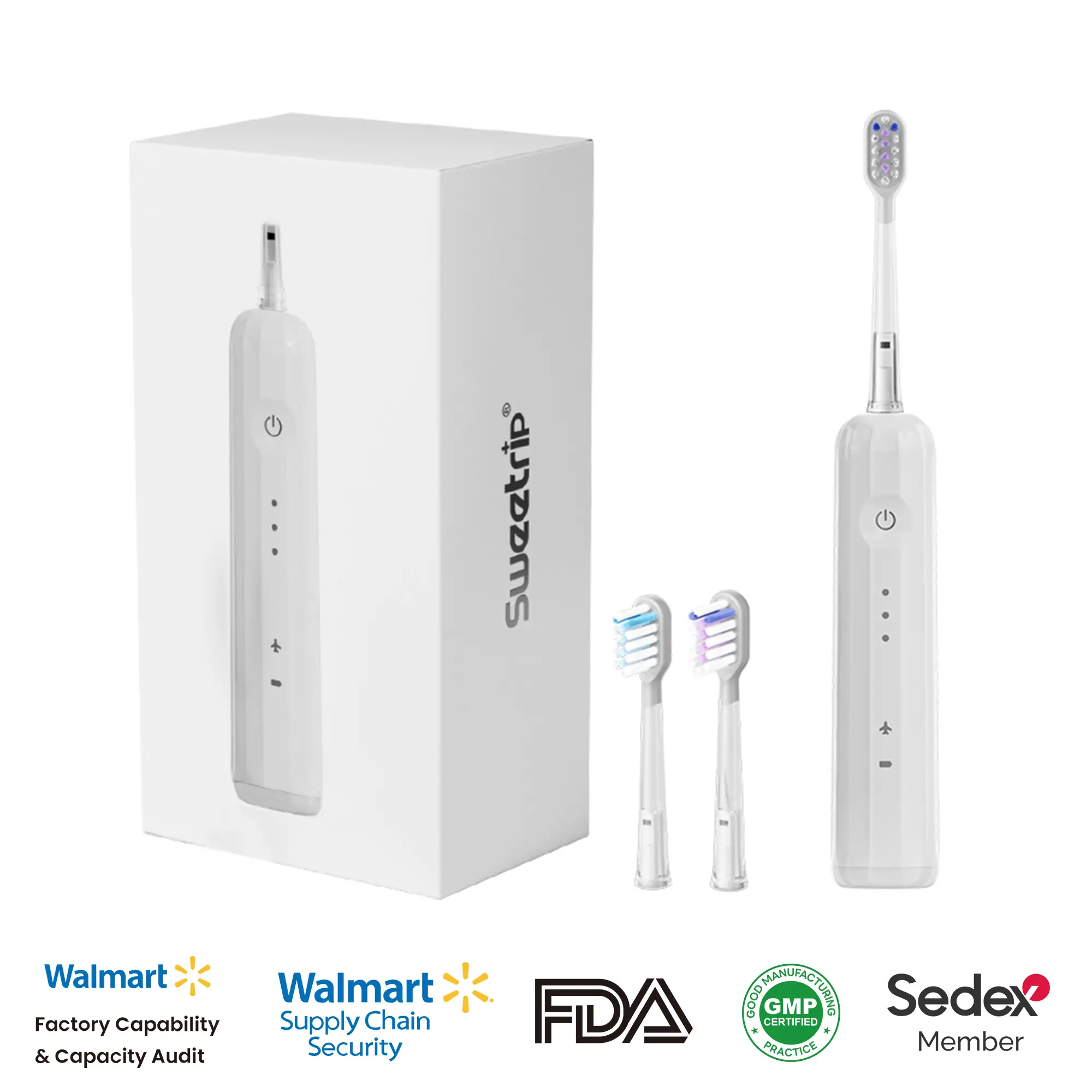
Consumer interest in smart technologies has significantly reshaped toothbrush design. Electric and sonic toothbrushes now dominate the market, offering advanced features such as oscillation, vibration, pressure sensors, and connectivity to mobile apps. These innovations aim to enhance brushing effectiveness, provide real-time feedback, and encourage consistent oral care routines.
For those exploring electric options, products like the electric toothbrush series demonstrate how consumer expectations for convenience and efficiency drive design decisions. Manufacturers increasingly integrate sleek aesthetics, long battery life, and interchangeable heads to meet modern users’ needs while maintaining hygiene standards.
Sustainability and Eco-Friendly Trends
Sustainability is another factor reshaping toothbrush design. With environmental consciousness rising, consumers are seeking biodegradable or recyclable materials. Companies now explore bamboo handles, refillable heads, and minimal packaging to appeal to eco-conscious buyers. These shifts not only influence material choices but also the overall shape, weight, and modularity of toothbrushes, demonstrating how ethical considerations shape product development.
How User Feedback Shapes Future Designs
Consumer feedback is crucial for iterative design improvements. Companies leverage reviews, surveys, and social media insights to identify pain points, such as discomfort, bristle wear, or ineffective plaque removal. This feedback loop directly impacts toothbrush design, leading to products that better address real-world usage challenges.
Furthermore, industry guidelines from organizations like the American Dental Association help ensure that new designs meet safety and efficacy standards. By combining consumer insights with professional recommendations, brands create toothbrushes that satisfy both user experience and clinical effectiveness.
Conclusion
The evolution of toothbrush design illustrates how consumer behavior drives innovation in oral care. From ergonomics and targeted solutions for orthodontic patients to smart technology and sustainable materials, user preferences shape every aspect of modern toothbrushes. Companies that actively listen to their customers and integrate scientific guidance are best positioned to meet the growing demand for effective, comfortable, and environmentally responsible oral care solutions.
For those looking to explore a variety of options, OralGos offers an extensive range of manual toothbrushes, orthodontic toothbrushes, and electric toothbrushes designed with both innovation and consumer preferences in mind.