
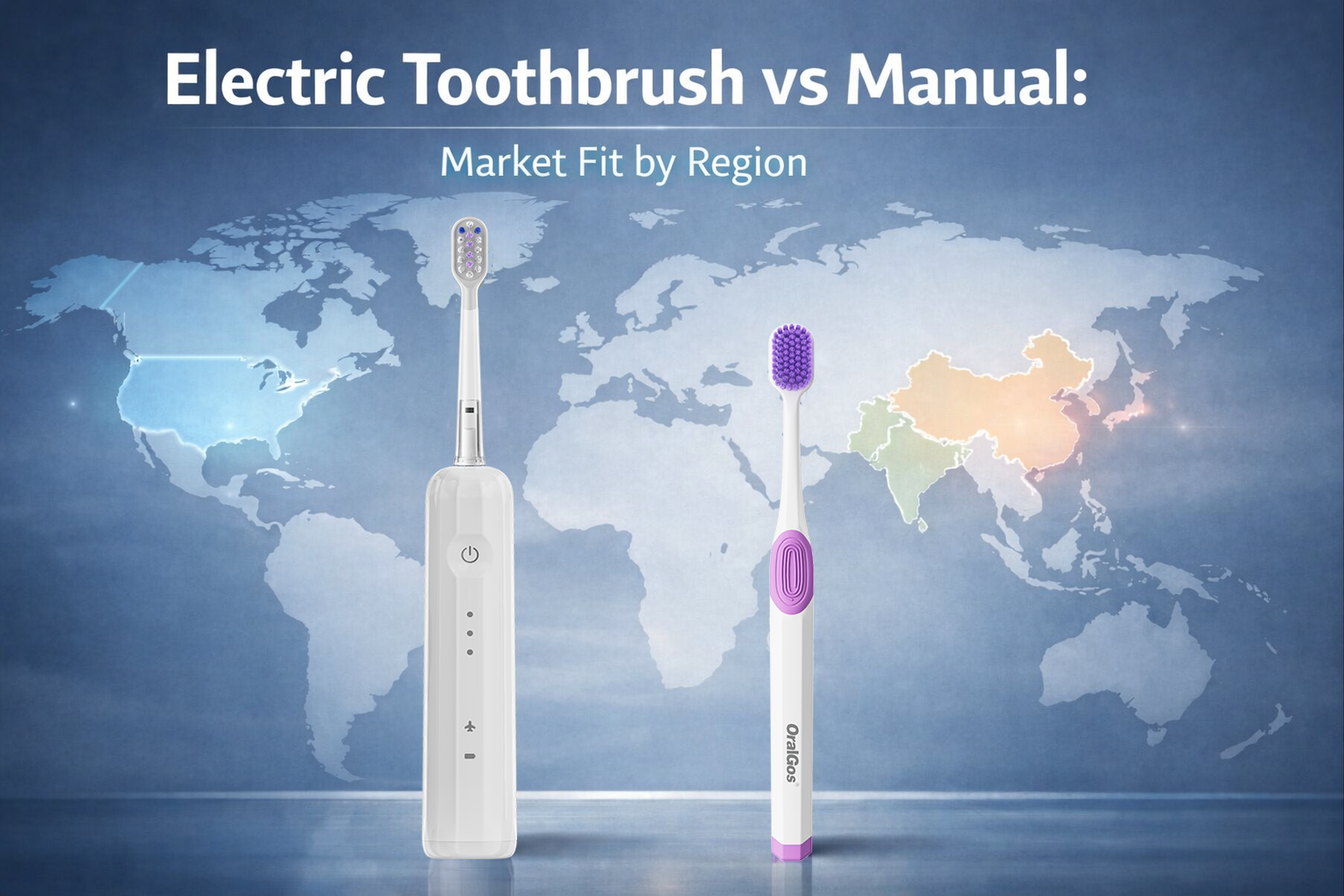
Understanding consumer preferences for oral care products is essential for brands aiming to expand globally. The choice between electric and manual toothbrushes varies significantly by geography, influenced by cultural habits, income levels, and urbanization. This article analyzes toothbrush by region, focusing on key trends in North America, Southeast Asia, and the Middle East. It offers practical insights for manufacturers and retailers.
North America Toothbrush by Region: Electric Dominance
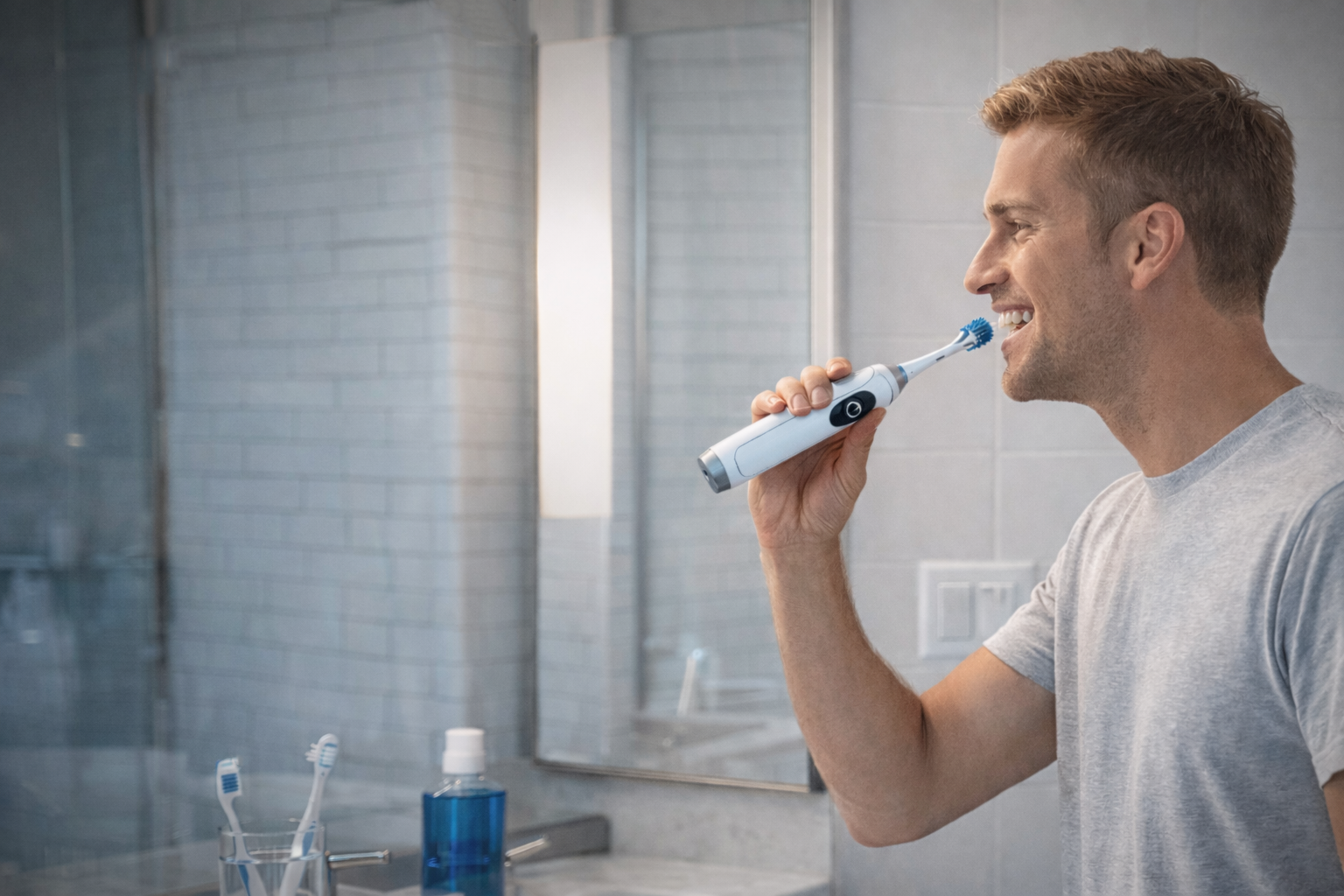
In North America, consumers are increasingly turning to electric toothbrushes for superior oral hygiene benefits. Studies show that electric toothbrush adoption is higher in urban and suburban areas. In these areas, disposable income is higher and awareness of dental health is strong. The convenience of oscillating and sonic technology has made electric toothbrushes a preferred choice.
Manual toothbrushes remain common in rural areas and among price-sensitive consumers, but the trend is shifting. Health campaigns and dental professionals often highlight the efficiency of electric toothbrushes. This message helps drive demand across both online and retail channels.
Key Factors for Adoption
- High disposable income and consumer education
- Strong online retail penetration for convenience
- Professional dental recommendations
For North American markets, brands should focus on premium electric toothbrush models and marketing strategies that highlight technological advantages and clinical efficacy.
Southeast Asia Toothbrush by Region: Balanced Preference & Price-Sensitive Market
In Southeast Asia, the oral care market demonstrates a more balanced preference between manual and electric toothbrushes. Manual toothbrushes remain dominant because they are cheaper and easier to buy, especially in rural and semi-urban areas. Meanwhile, urban centers such as Jakarta, Bangkok, and Ho Chi Minh City are witnessing growing adoption of electric toothbrushes.
The key driver for this regional variation is economic diversity and evolving consumer awareness. Middle-class urban consumers increasingly perceive electric toothbrushes as premium products offering better cleaning efficiency and gum care. Brands entering Southeast Asia should take a dual approach. They should offer manual toothbrushes for mass-market buyers and premium electric toothbrushes for urban consumers.

Key Factors for Adoption
- Income disparity across urban and rural populations
- Rising health awareness in metropolitan areas
- Price sensitivity and value-driven purchases
Companies can leverage e-commerce platforms and educational campaigns to gradually increase electric toothbrush penetration while maintaining strong manual toothbrush distribution channels.
Middle East Toothbrush by Region: Premium Electric Brush Growth
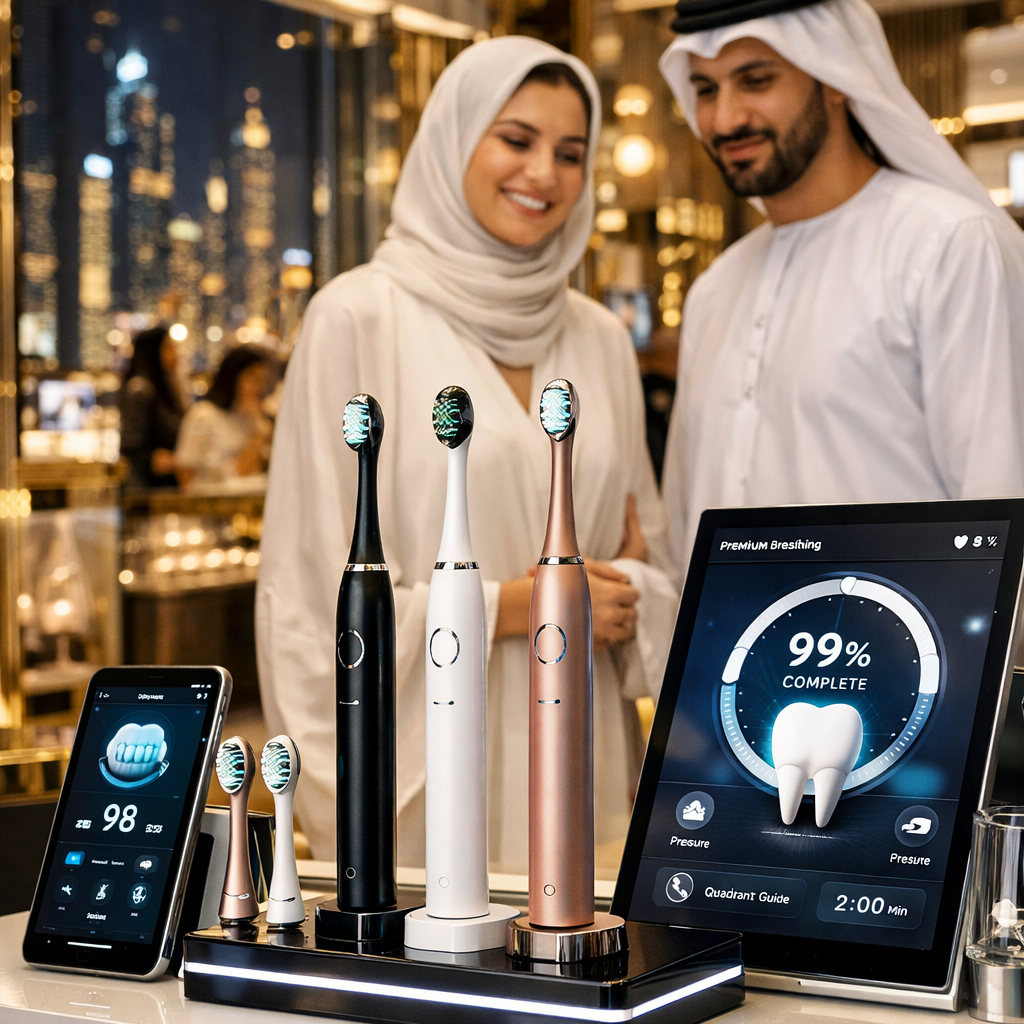
The Middle East presents a unique market for toothbrush by region strategies. Countries like the UAE, Saudi Arabia, and Qatar show high interest in premium oral care products. Here, consumers treat electric toothbrushes as status symbols and actively invest in high-quality personal care products.
Manual toothbrushes continue to hold market share because of tradition and lower costs, particularly in smaller towns. However, urban centers show faster adoption of advanced electric toothbrushes. Retail stores and online marketplaces highlight features such as sonic vibration, timers, and app connectivity.
Key Factors for Adoption
- High disposable income and luxury-oriented consumer behavior
- Preference for premium, technologically advanced products
- Urban concentration of modern retail channels
Brands targeting the Middle East should focus on premium positioning and localized marketing. Education on oral health benefits can further increase electric toothbrush adoption.
Comparing Toothbrush Trends Across Regions
When evaluating toothbrush by region, clear patterns emerge:
| Region | Electric Toothbrush | Manual Toothbrush | Notes |
|---|---|---|---|
| North America | High adoption | Moderate | Tech-savvy, high awareness |
| Southeast Asia | Growing adoption | Dominant | Income disparity drives choice |
| Middle East | Premium growth | Stable | Urban luxury-oriented market |
These differences suggest that regional market strategies must be tailored. Companies should analyze urban-rural distribution, consumer education, and income levels to optimize product mix.
For brands looking to expand internationally, leveraging existing resources such as manual toothbrushes and electric toothbrushes is essential. Industry insights and market trends from sources like the World Health Organization can help with planning. They also help with effective product positioning.
Conclusion
The market fit for electric and manual toothbrushes varies by region, shaped by economic conditions, urbanization, and cultural preferences. North America favors electric brushes, Southeast Asia balances affordability and urban demand, and the Middle East is moving toward premium electric adoption.
Understanding toothbrush by region trends helps brands make better decisions. They can adjust product offerings, pricing strategies, and marketing campaigns to match local consumer behavior. Global expansion requires businesses to adapt to regional preferences. This adaptation is key to achieving long-term success.