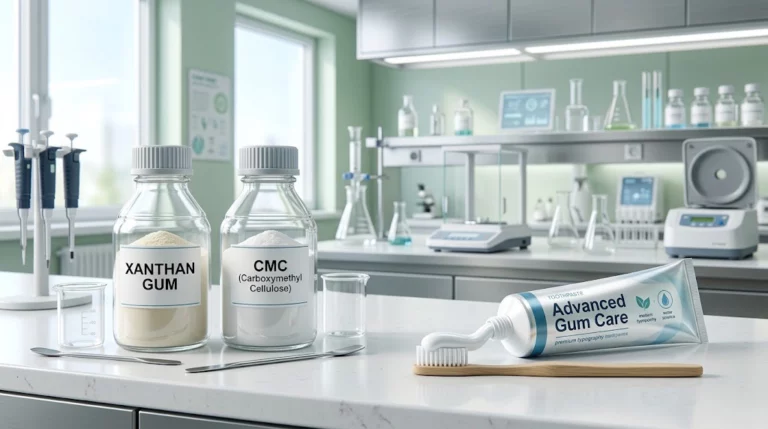
In recent years, the global oral care market has moved away from aggressive bleaching solutions. Instead, it has increasingly embraced gentler whitening technologies that focus on visual perception rather than chemical change. Among these innovations, optical whitening toothpaste has emerged as a fast-growing category, particularly across Asia and Europe.
Consumer preferences are changing, regulations are becoming stricter, and awareness of enamel safety is growing. As a result, optical whitening is redefining what “effective whitening” means in modern oral care.

Understanding Optical Whitening Toothpaste Technology
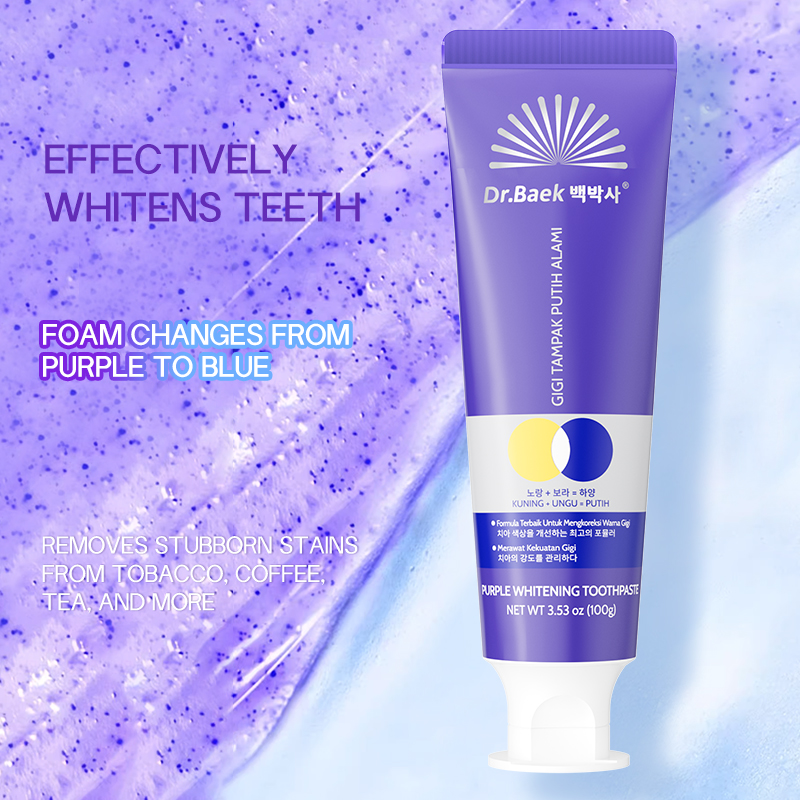
Traditional whitening products rely on chemical oxidation to remove stains. By contrast, optical whitening toothpaste works through color correction instead of stain removal. The most common mechanism uses violet or blue pigments on the tooth surface. These pigments temporarily neutralize yellow tones and make teeth appear whiter immediately after brushing.
How Optical Whitening Toothpaste Differs from Bleaching
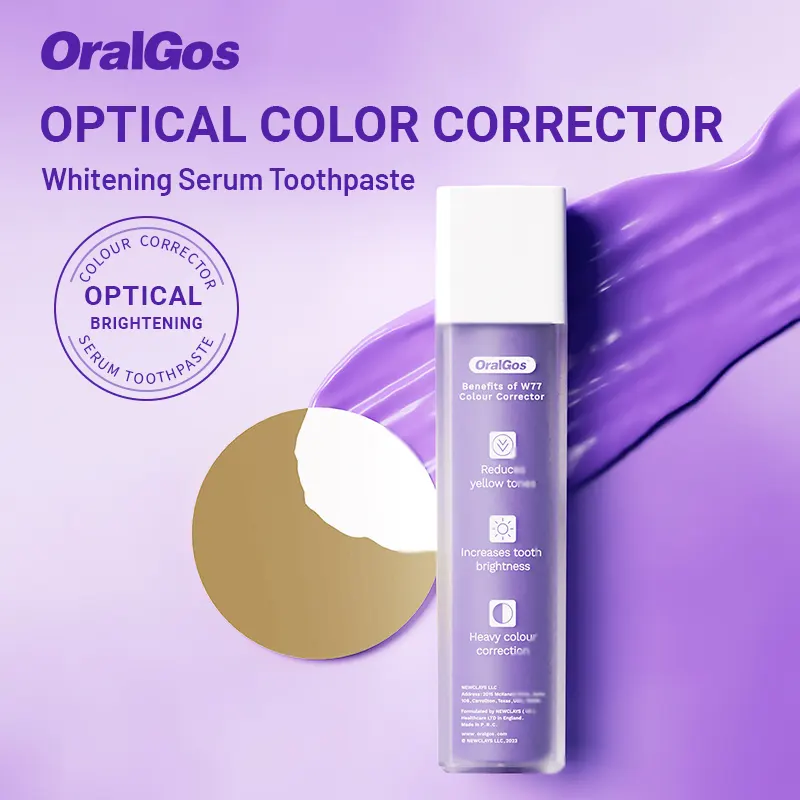
Bleaching agents such as hydrogen peroxide penetrate enamel and dentin to break down chromogenic compounds. While effective, this process may increase tooth sensitivity and enamel stress if overused. This gentle whitening formula works by reflecting light instead of chemically altering teeth. This non-invasive approach makes it well suited for daily use and long-term safety.
The American Dental Association advises dental professionals to prefer whitening approaches that preserve enamel integrity and minimize sensitivity.
Why Optical Whitening Toothpaste Is Surging in Asia
In Asia, oral care habits focus strongly on prevention and regular daily hygiene. In Japan, South Korea, and China, consumers want products that show clear results but remain safe for long-term oral health.
Consumer Demand for Gentle Daily Whitening
Many Asian consumers brush their teeth more than twice a day. They are also highly sensitive to issues such as enamel erosion and gum irritation. As a result, optical whitening toothpaste fits seamlessly into existing routines, providing an instant cosmetic effect without cumulative damage.
Social commerce and beauty-driven marketing are becoming more influential across the region. As a result, demand for “instant visible results” is rising, which further boosts adoption of color-correcting toothpaste formats.
Europe’s Regulatory Push Toward Non-Aggressive Whitening
In Europe, regulatory frameworks play a decisive role in shaping whitening trends. Restrictions on peroxide concentrations in over-the-counter products have limited the availability of strong bleaching toothpaste, creating space for optical alternatives.
Compliance-Friendly Whitening Solutions
For brands operating in the EU, optical whitening toothpaste offers a compliance-friendly solution that avoids regulatory gray areas while still meeting consumer expectations. Products that emphasize enamel strengthening alongside whitening—such as this enamel-focused whitening toothpaste—are particularly attractive to European buyers seeking multifunctional benefits.
The Role of Enamel Safety in Market Growth
Across both regions, enamel safety has become a central purchasing criterion. As consumers learn more about the risks of abrasive or peroxide-heavy formulas, they increasingly question whitening claims.
Optical Whitening as a Long-Term Strategy
Optical whitening toothpaste does not alter tooth structure. This makes it suitable for long-term daily use rather than short-term cosmetic fixes. Products like OralGos W77 Colour Corrector Toothpaste showcase color-correction technology in action. They pair this technology with low-abrasion formulations to support safe, long-term use.
This strategic positioning appeals to consumers as well as retailers and dental professionals. It helps reduce complaints related to tooth sensitivity.

Market Implications for Oral Care Brands
The rise of optical whitening toothpaste is changing the way people define whitening efficacy. Instead of promising dramatic shade changes, brands are focusing on perception, safety, and consistency.
Opportunities for Differentiation
For manufacturers and brand owners, optical whitening opens doors to innovation in pigment technology, formulation balance, and storytelling. Emphasizing science-backed mechanisms, regulatory alignment, and enamel protection allows brands to differentiate in crowded Asian and European markets.
Looking Ahead: The Future of Optical Whitening Toothpaste
As consumers continue to prioritize health-conscious beauty, optical whitening toothpaste is well-positioned for sustained growth. Optical whitening toothpaste has been successful in Asia and Europe. This success suggests a global shift toward whitening solutions that are safe for enamel and still provide visible results.
Brands targeting international growth now treat optical whitening as a central category. This category aligns scientific innovation with regulatory standards and builds consumer trust.