
Maintaining excellent oral hygiene relies heavily on effective plaque removal. Plaque is a sticky film of bacteria that builds up on teeth and gums. If not removed regularly, it can lead to cavities, gum disease, and other oral health problems.
Brushing regularly is essential for oral health. However, the design of the toothbrush can greatly influence how effectively it removes plaque. From bristle type to handle ergonomics, understanding toothbrush design can significantly improve oral care outcomes.
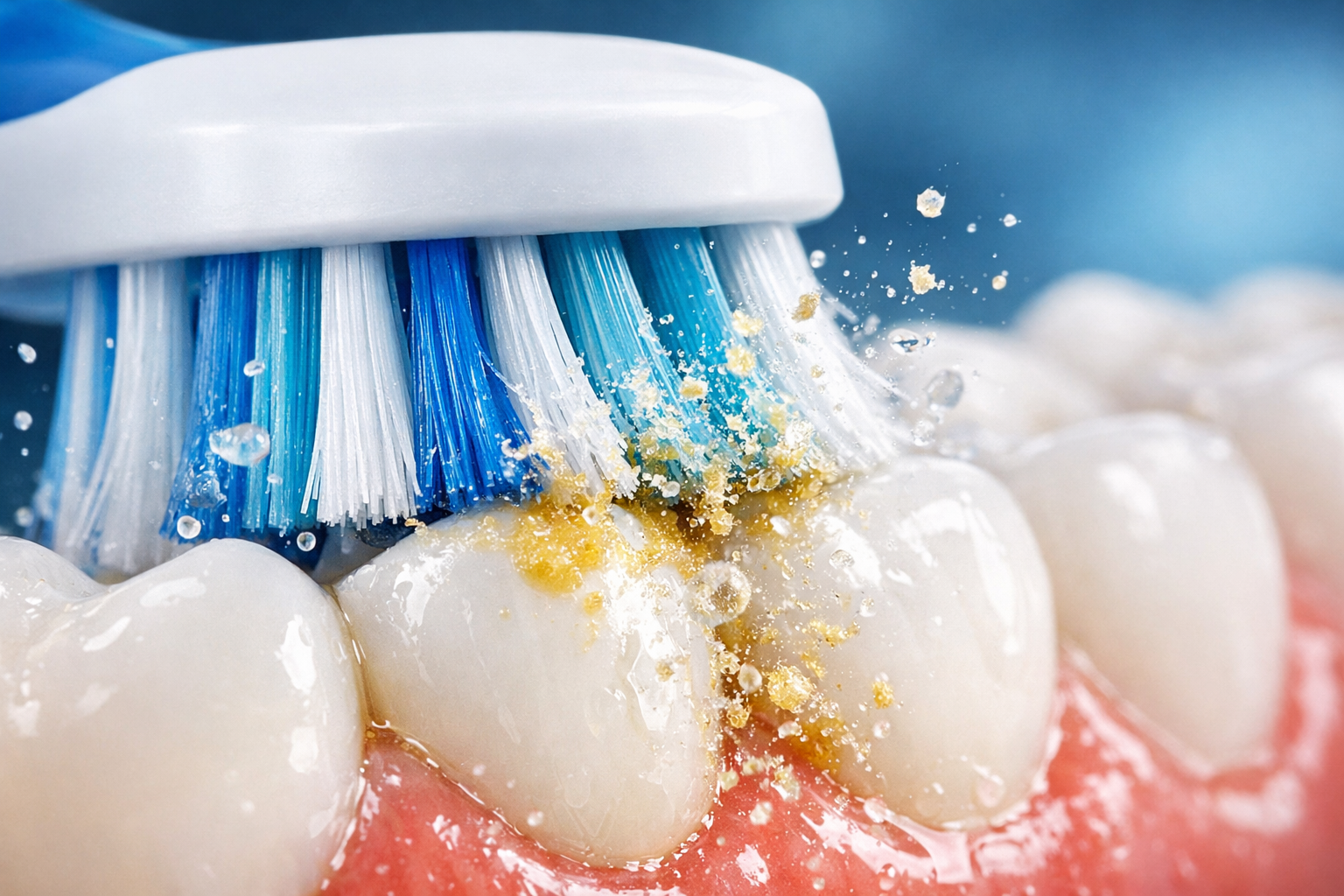
Bristle Types and Their Impact on Plaque Removal
The bristle structure is one of the most influential factors in plaque removal. Dental professionals generally recommend soft bristles because they effectively clean tooth surfaces while minimizing gum irritation.
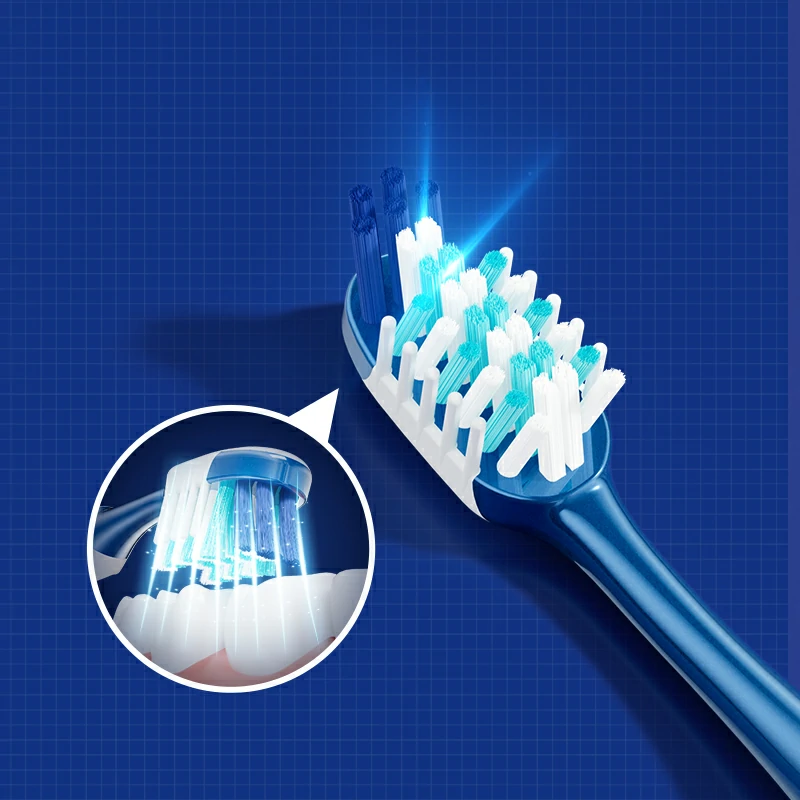
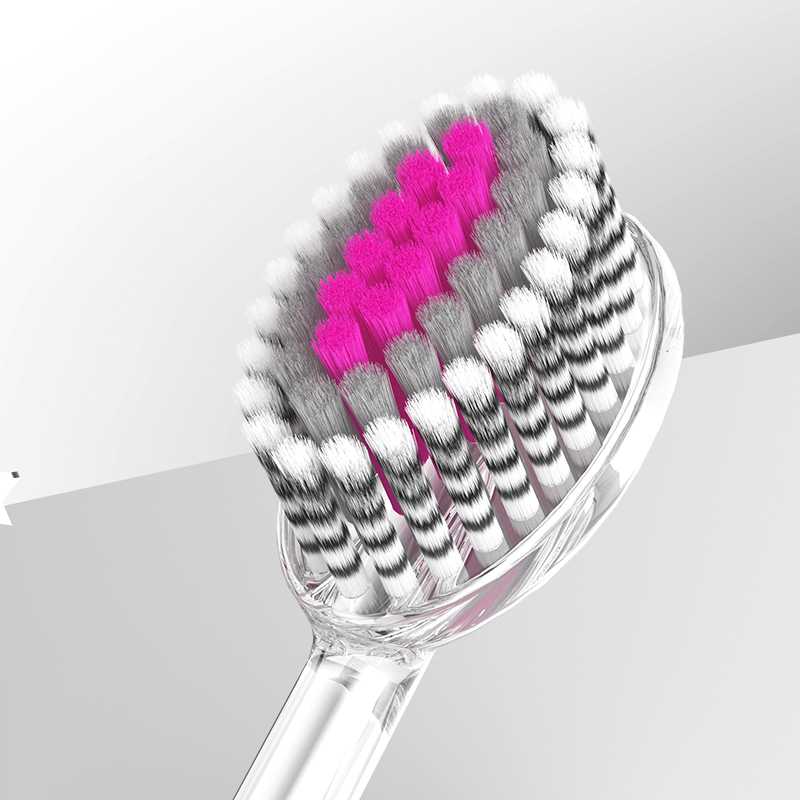
However, bristle arrangement also matters. Multi-level bristles, angled bristles, and cross-action designs can reach interdental spaces and the gum line more efficiently. According to the American Dental Association, these features can significantly enhance plaque disruption compared to traditional straight-cut bristles.
For people who prefer manual toothbrushes, well-designed brushes can make a difference. Many models in this manual toothbrush collection feature bristle arrangements optimized for effective plaque removal on different tooth surfaces.
Electric Toothbrushes for Enhanced Plaque Removal Efficiency
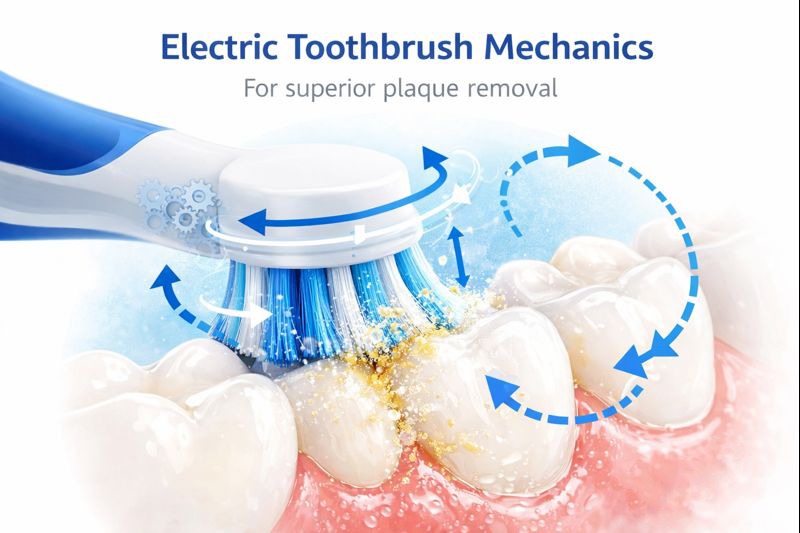
Electric toothbrushes provide another layer of efficiency in removing plaque. Oscillation, rotation, and sonic vibration technologies allow for faster and more consistent brushing motions than manual brushing alone. Clinical studies show that electric toothbrushes can remove more plaque than manual brushes. Models with oscillating-rotating or sonic movements can remove up to 21% more plaque in a short time.
When selecting an electric toothbrush, consider factors like brush head size, movement type, and brushing speed. These features all affect how effectively the brush removes plaque. Exploring products in this electric toothbrush collection can help consumers find a model suited to their oral care needs.

Ergonomic Handle Design for Better Plaque Removal Control
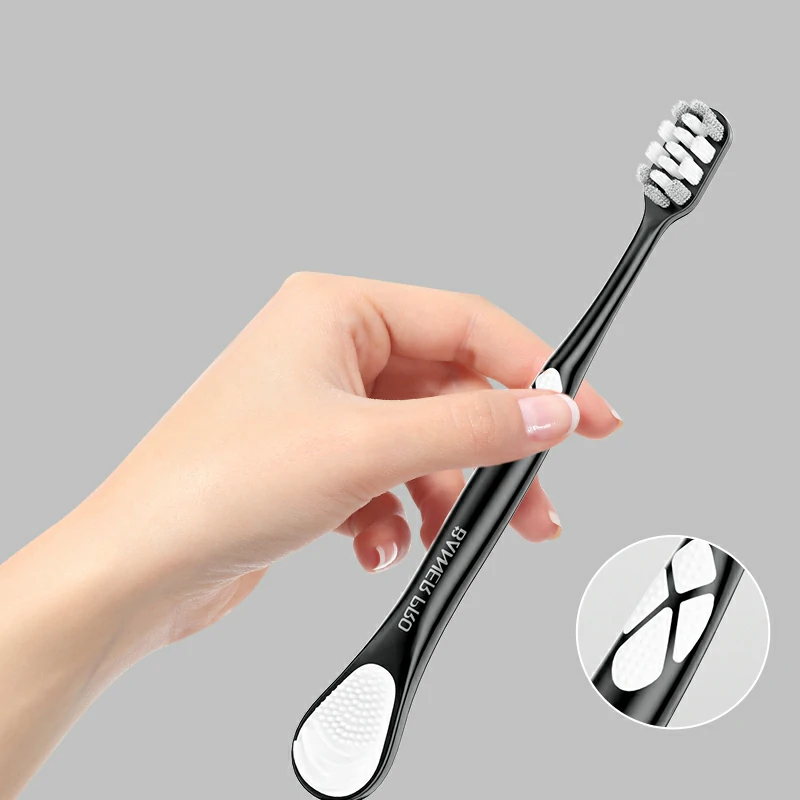
Although the handle design may appear simple, it plays an important role in brushing technique and plaque removal efficiency. Ergonomically shaped handles offer a better grip and more control. This helps users maintain proper brushing angles and reach all areas of the mouth. A comfortable handle reduces fatigue during brushing, ensuring thorough coverage and consistent plaque removal.
Material choices also matter. Non-slip, soft-touch materials improve control in wet conditions, a factor especially relevant for both adults and children.
Head Size and Shape: Reaching Every Surface
Another critical component is the toothbrush head. Smaller toothbrush heads provide better access to hard-to-reach areas, such as the back molars. Compact or tapered designs also make it easier to move the brush around curved tooth surfaces.
For optimal plaque removal, a toothbrush should balance head size with bristle density and movement type. For example, a brush head with a small profile and multi-level bristles cleans more effectively along the gum line.
Brushing Technique Matters
Even with the perfect toothbrush, technique is vital for effective plaque removal. Dental professionals recommend a consistent brushing pattern to improve plaque removal. Use small circular motions, apply gentle pressure, and clean all tooth surfaces, including inner and chewing surfaces. Holding the brush at a 45-degree angle to the gum line maximizes plaque removal without damaging the gums.
The American Dental Association provides detailed guidance on brushing techniques to complement high-quality toothbrush design.
Integrating Toothbrush Design into Daily Oral Care
Choosing a toothbrush with the right design features can improve plaque removal. This is an important investment in your long-term oral health. Combine proper brushing technique, adequate brushing time, and regular dental visits. Whether you use a manual or electric toothbrush, this approach ensures the best oral health results.
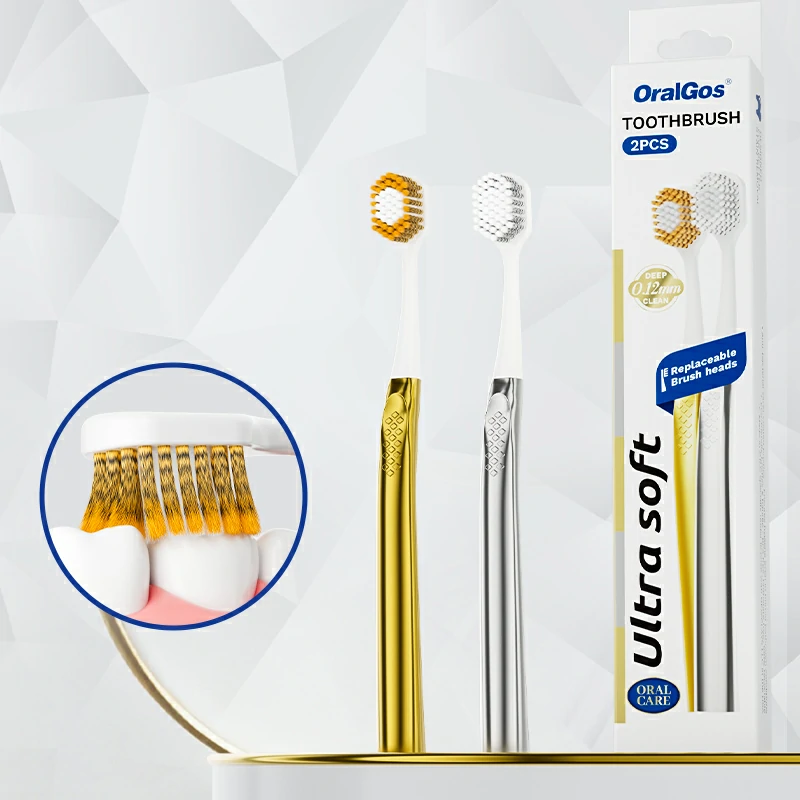
Before choosing a toothbrush, compare key features like bristle arrangement, head shape, and ergonomic handle design. You can explore both manual and electric toothbrushes through OralGos’ collections. These options meet professional standards for plaque removal and overall oral hygiene effectiveness.
Conclusion
Effective plaque removal is a combination of the right toothbrush design, proper brushing technique, and consistent oral care habits. Bristles, head shape, handle design, and electric movements all protect teeth and gums. Understanding the details of toothbrush design and choosing a brush that fits your needs can improve oral hygiene. It also helps prevent long-term dental problems.