In today’s competitive oral-care market, one size no longer fits all. Consumers increasingly seek products tailored to their preferences, whether it’s a refreshing mint flavor, a smooth texture, or added functionality such as whitening or sensitivity relief. Learning how to customize toothpaste can help brands meet these expectations while staying compliant with safety and efficacy standards.
Why Brands Choose to Customize Toothpaste
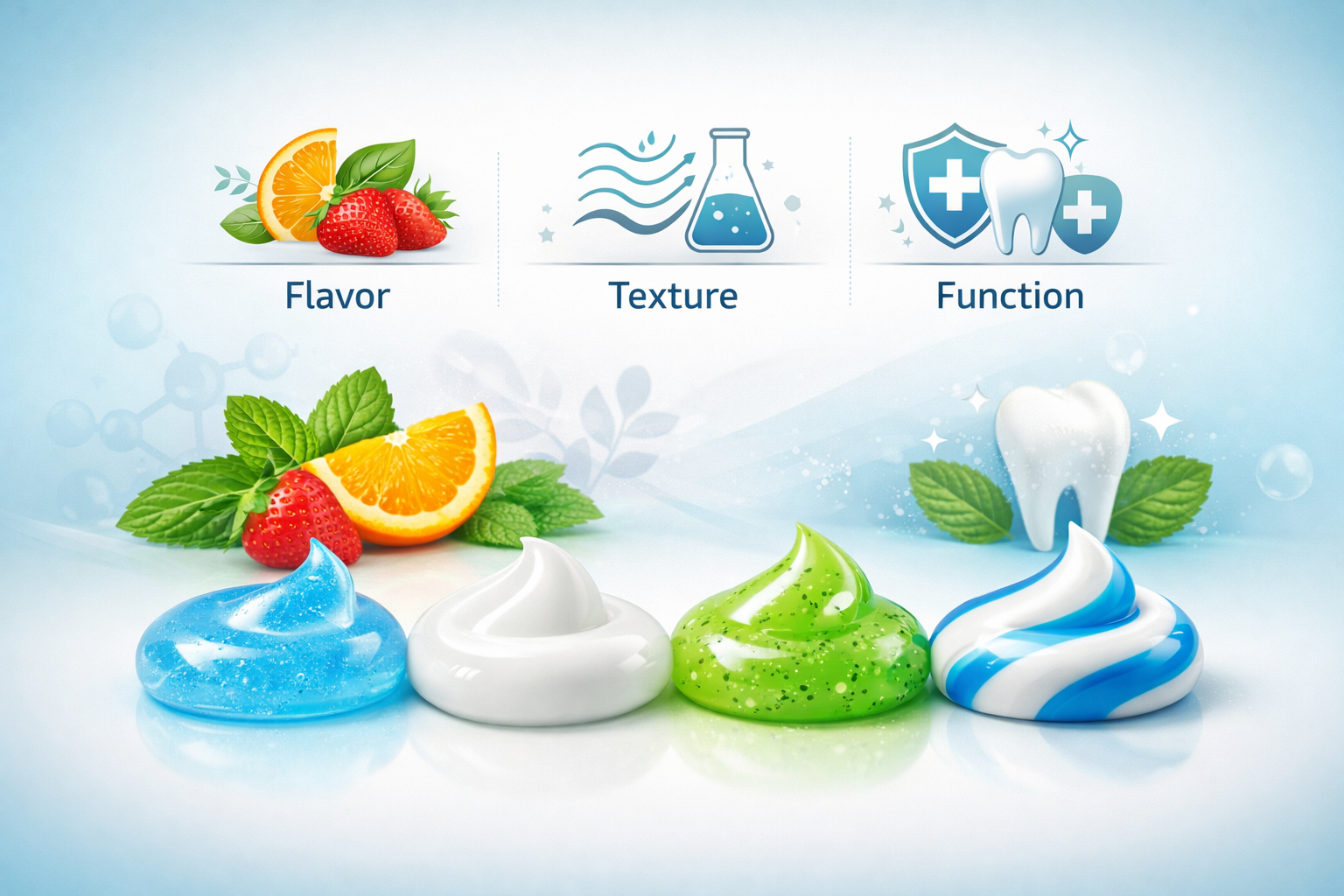
Customization has become a key driver in toothpaste innovation. By adjusting flavor, texture, and functionality, brands can address consumer needs more effectively. For example, children often prefer fruity flavors over mint, while adults may look for enhanced whitening or enamel protection. Beyond taste, the sensory experience—how toothpaste feels in the mouth—can significantly influence repeat purchases. Brands that can successfully tailor their products gain a competitive advantage in both retail and e-commerce channels.
How to Customize Toothpaste Flavor
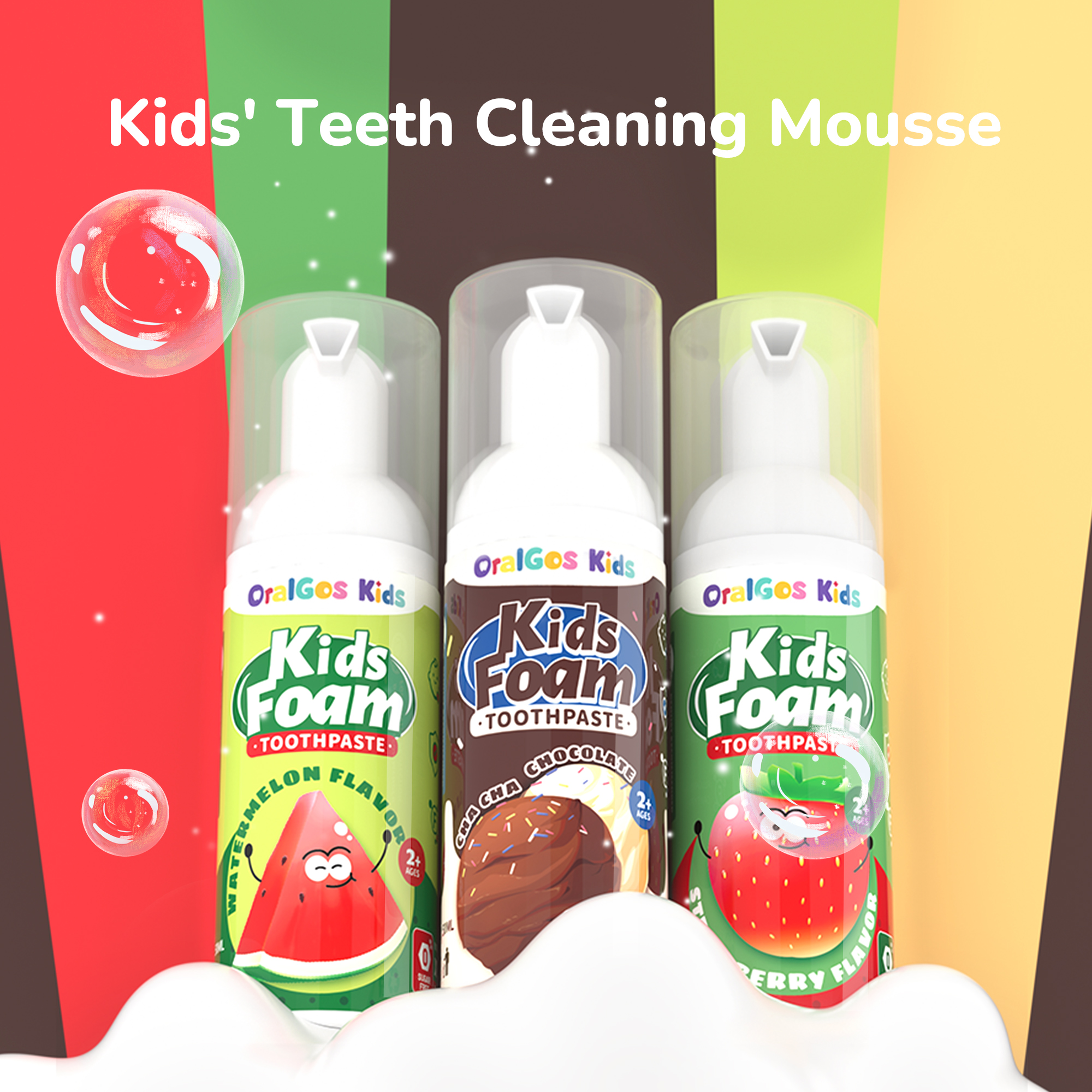
Flavor customization is often the first step in creating a unique toothpaste. Flavors can range from traditional mint to exotic fruits, herbal infusions, or even dessert-inspired tastes. When customizing toothpaste flavor, it’s crucial to balance sweetness with safety. Some flavoring agents can interact with active ingredients, reducing efficacy. Using high-quality, food-grade flavoring ensures consumer safety while delivering a pleasant experience.
Experimenting with natural extracts, essential oils, or flavor blends allows manufacturers to appeal to niche audiences. For example, a strawberry-banana combination might target children, whereas a spearmint-eucalyptus blend could attract adults seeking a refreshing, professional feel. Additionally, flavor can be adjusted for intensity, providing a subtle or bold experience depending on market preference.
How to Customize Toothpaste Texture

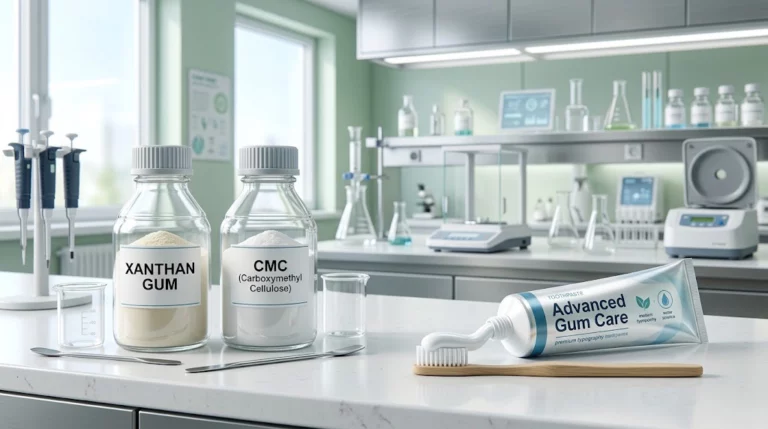
Texture is as important as flavor when considering the overall consumer experience. Toothpaste texture affects spreadability, foaming ability, and mouthfeel. Common textural elements include glycerin, sorbitol, and silica, which can influence viscosity and smoothness. Some consumers prefer gel-based formulas that feel light and slick, while others enjoy a creamy paste that provides a more substantial brushing sensation.
When customizing toothpaste texture, manufacturers must also consider the interaction with abrasives and active ingredients. The right combination ensures even distribution of fluoride, whitening agents, or desensitizing compounds. Offering multiple texture options, such as smooth gel, thick paste, or microbead-enhanced formulas, can help brands capture broader market segments.
How to Customize Toothpaste Function
Functionality is the final pillar of toothpaste customization. Consumers increasingly demand multifunctional products that not only clean teeth but also address specific oral-care concerns. Popular functions include:
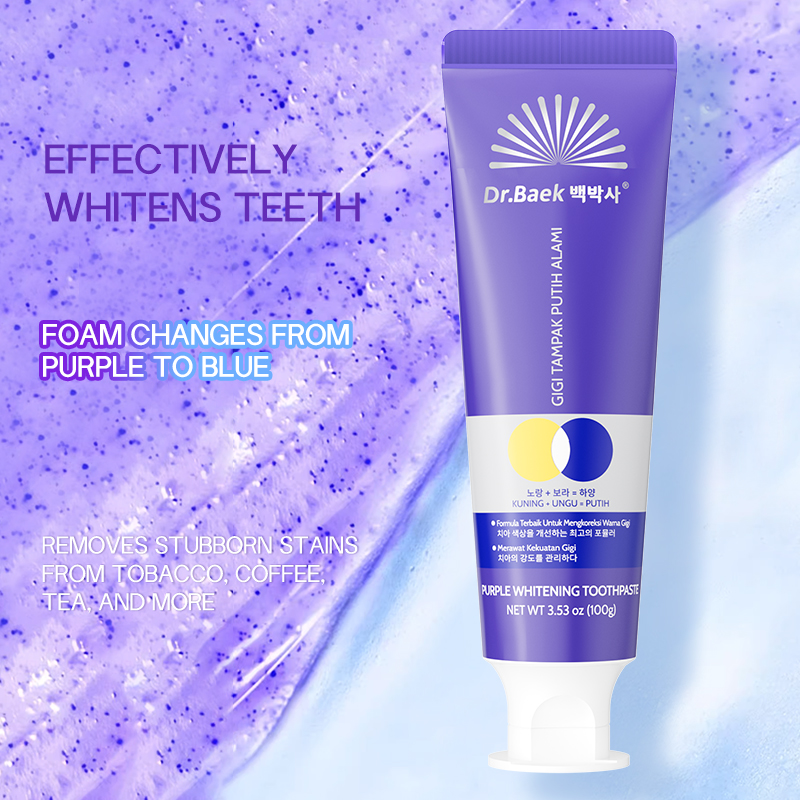
- Whitening: Ingredients like silica or low-concentration peroxide can enhance surface brightness.
- Sensitivity relief: Potassium nitrate and arginine help reduce discomfort from hot or cold stimuli.
- Cavity prevention: Fluoride remains the gold standard for enamel protection.
- Fresh breath: Antimicrobial agents like zinc citrate target odor-causing bacteria.
When designing function-focused formulations, brands should align with regulatory guidance, such as the recommendations provided by the American Dental Association. This ensures products are both effective and safe for consumers.
Tips for Successfully Customizing Toothpaste
- Understand your audience: Conduct surveys or focus groups to determine flavor and texture preferences.
- Start with modular ingredients: Using base pastes with optional functional or flavor modules simplifies customization.
- Test extensively: Conduct stability, taste, and efficacy testing to ensure consistency.
- Comply with regulations: Follow local and international guidelines to maintain credibility and safety.
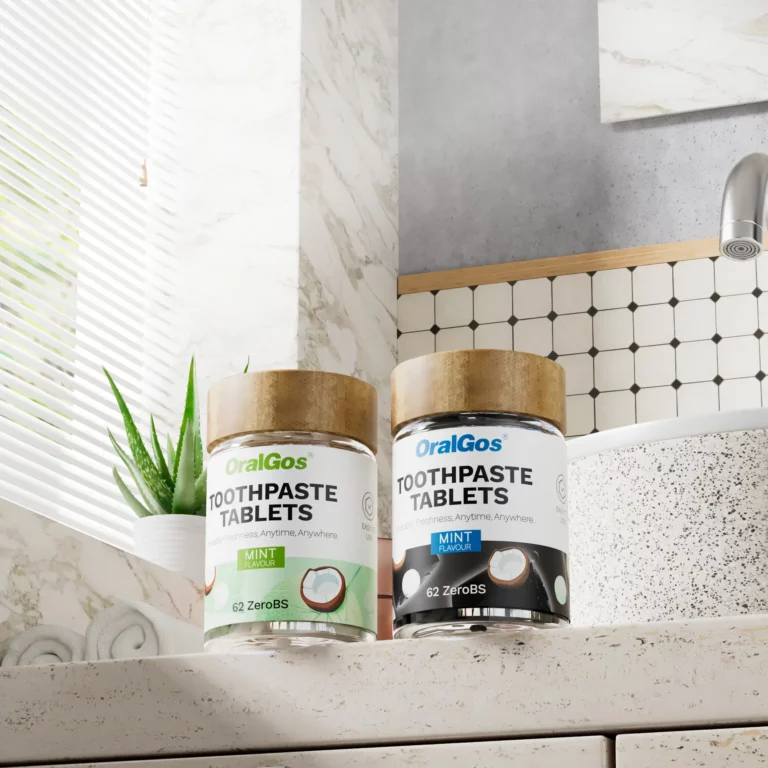
Manufacturers looking to explore ready-made options can browse a variety of formulations and bases at OralGos Toothpaste Products, which offer modular customization opportunities.
Conclusion
Learning how to customize toothpaste for flavor, texture, and function allows brands to meet consumer demands and stand out in a crowded market. By carefully selecting flavor profiles, optimizing texture, and adding targeted functionalities, manufacturers can create products that delight users while maintaining safety and effectiveness. Whether targeting children, adults, or niche oral-care needs, customization ensures a tailored brushing experience that drives loyalty and sales.