Maintaining optimal oral hygiene requires more than brushing alone. Water flossers have emerged as a powerful tool to remove plaque, food debris, and bacteria from hard-to-reach areas. At the heart of every effective device lies water flosser pump technology, a carefully engineered system that ensures consistent water pressure for safe and efficient cleaning. In this article, we explore how water flosser pumps work, their design innovations, and why understanding this technology matters for both consumers and dental professionals.
What Is Water Flosser Pump Technology?
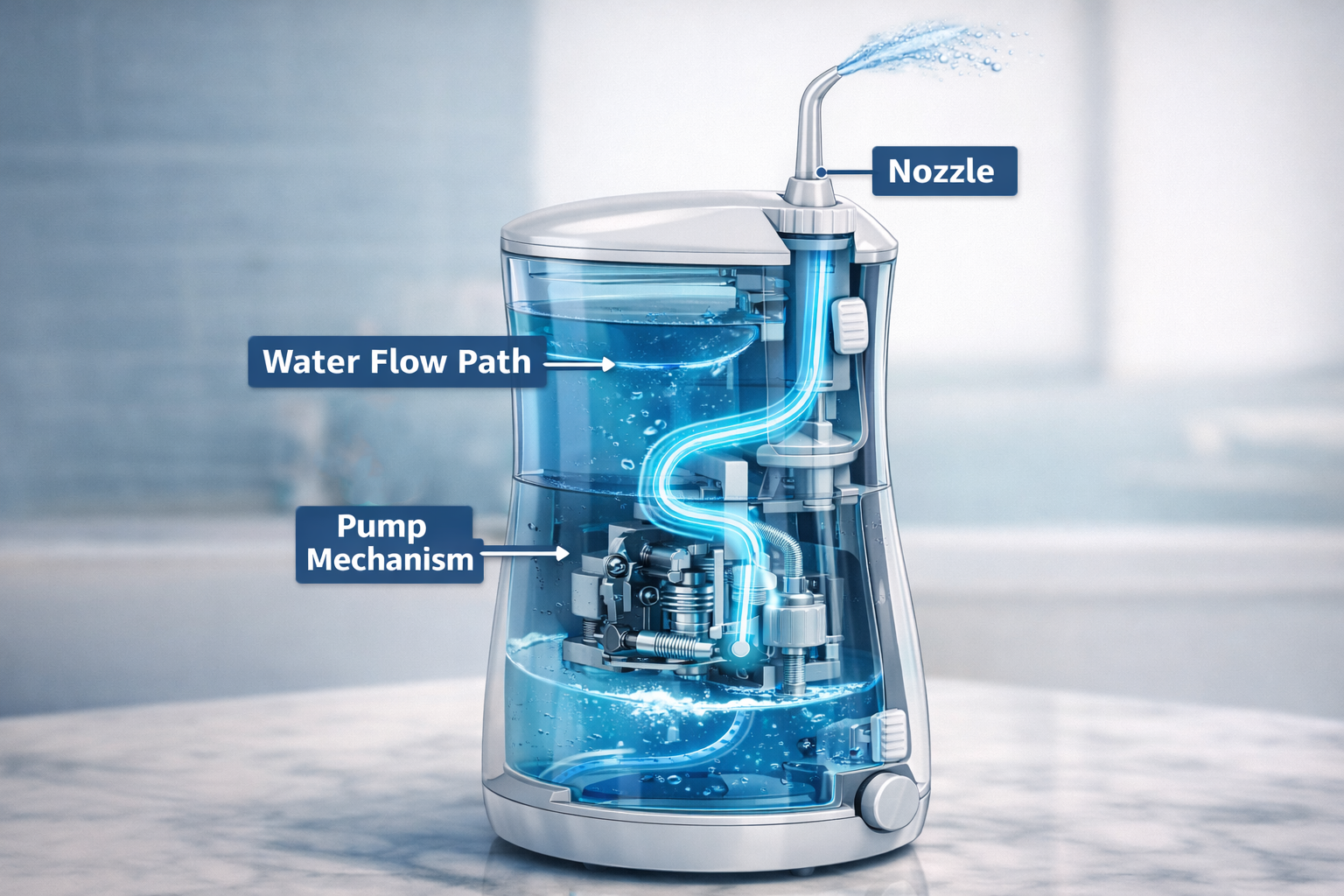
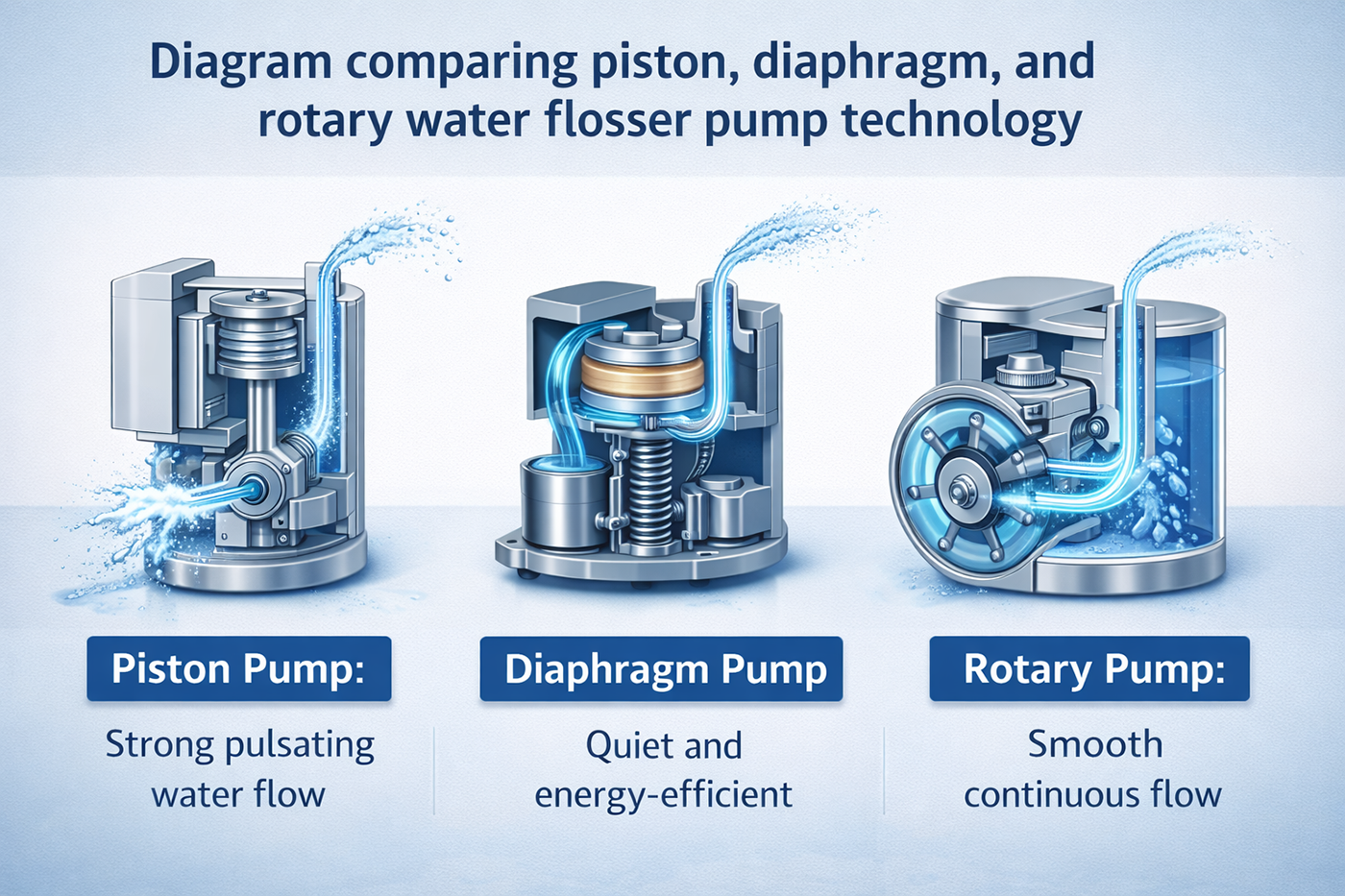
Water flosser pump technology refers to the mechanism inside water flossers that generates and controls the flow of water. Unlike traditional string floss, which relies on manual dexterity, water flossers deliver pressurized water streams to clean between teeth and along the gumline. Modern devices typically use either piston, diaphragm, or rotary pumps. Each type has unique engineering features to maintain a stable flow rate while minimizing noise and vibration.
- Piston pumps are common in high-end models. They use a motor-driven piston to push water through the nozzle, delivering strong, pulsating bursts that effectively dislodge plaque.
- Diaphragm pumps rely on a flexible membrane that moves to create water pressure. These pumps are quieter and more energy-efficient, making them ideal for daily use.
- Rotary pumps use a rotating mechanism to move water continuously, offering smooth flow with adjustable pressure settings.
For those interested in exploring a range of devices, check out OralGos’ Water Flosser Collection to see examples of how these pumps are applied in consumer-friendly products.
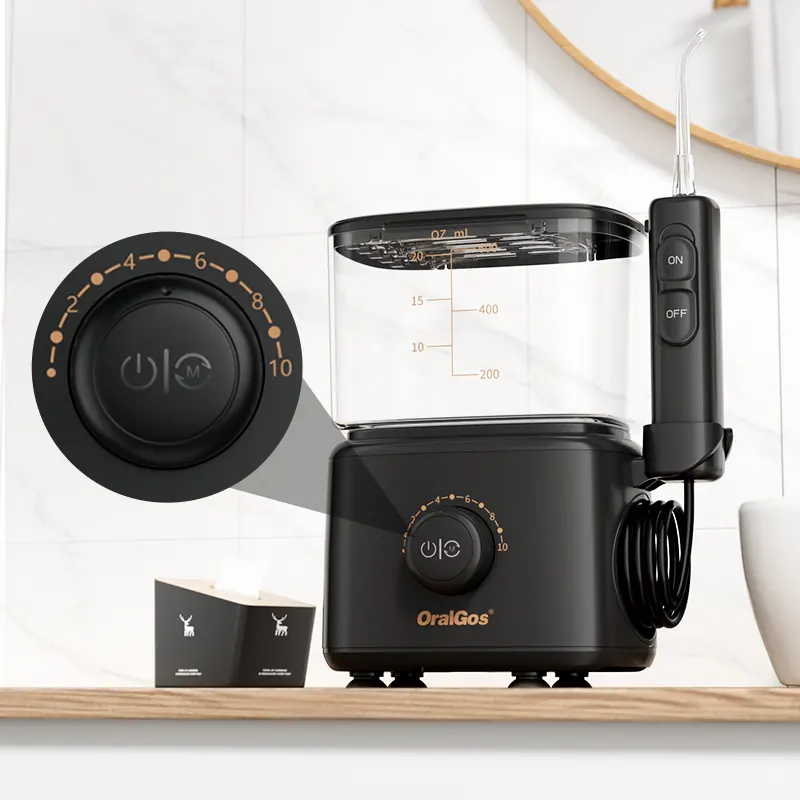

Engineering Challenges in Water Flosser Pump Design
Creating consistent water pressure is not as simple as installing a small motor and a nozzle. Engineers must address several technical challenges to ensure reliability, longevity, and safety:
- Flow Rate Control: Water pressure must be strong enough to remove debris but gentle enough to avoid damaging sensitive gums. Sophisticated pump designs allow for adjustable flow settings, enabling personalized care.
- Durability: Pumps operate under high pressure and repeated cycling. Materials and mechanical tolerances are carefully selected to prevent leaks and maintain performance over thousands of uses.
- Noise Reduction: Consumers expect quiet operation. Advanced engineering reduces vibration and noise without sacrificing water pressure.
- Energy Efficiency: Battery-powered water flossers require pumps that balance strong performance with minimal energy consumption, extending runtime between charges.
By understanding these engineering principles, dental professionals can recommend devices that provide optimal oral hygiene outcomes while minimizing discomfort.
Benefits of Reliable Pump Technology for Oral Health
A well-designed water flosser pump improves dental care in several ways:
- Enhanced Plaque Removal: Consistent water streams reach below the gumline and between teeth where traditional brushing may miss.
- Reduced Gum Inflammation: Gentle pulsations stimulate blood flow in the gums, supporting overall periodontal health.
- Ease of Use: Automated water flow simplifies the flossing process, encouraging regular use and improving compliance with oral care routines.
According to the American Dental Association, water flossers with stable, adjustable pumps are particularly beneficial for people with braces, implants, or periodontal concerns.
Choosing the Right Water Flosser
When selecting a device, consider pump type, pressure settings, and overall ergonomics. Devices with transparent reservoirs and visible water flow mechanisms often allow users to monitor pump performance and maintenance needs. Additionally, consulting dental professionals ensures the chosen flosser meets individual oral health requirements.
For those looking to explore high-quality options, you can browse OralGos’ Water Flosser Collection for devices engineered with advanced pump technology and durable designs.
Conclusion
Water flosser pump technology is more than just a mechanical component—it is a critical factor in achieving effective, safe, and consistent oral hygiene. Understanding the engineering behind these pumps helps consumers make informed choices and supports dental professionals in recommending suitable products. With ongoing innovations, modern water flossers continue to provide reliable performance, making them an essential tool in maintaining oral health.
By prioritizing pump quality, users can enjoy effective plaque removal, reduced gum inflammation, and improved overall dental hygiene. Investing in a water flosser designed with advanced engineering ensures long-term benefits for oral health and enhances the daily care routine.