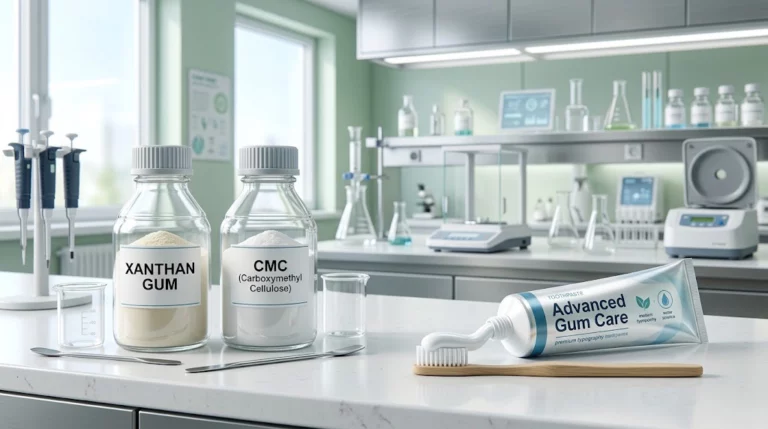
Safety is foundational in oral care for young users. A Children’s Toothbrush must meet stricter requirements than adult products. Children’s gums, teeth, and motor skills are still developing.
This article explains the key safety standards behind a Children’s Toothbrush. It helps parents, retailers, and oral-care professionals make informed decisions.
Why Safety Standards Matter for a Children’s Toothbrush
A Children’s Toothbrush is used daily, often under imperfect supervision. Without proper safety controls, risks may include gum injury, choking hazards, or exposure to harmful materials.
International safety standards focus on three core goals:
- Preventing mechanical injury
- Ensuring material safety
- Supporting age-appropriate oral development
These principles guide product testing, certification, and design decisions worldwide.
Kids’ toothbrush Material Safety Requirements
BPA-Free and Non-Toxic Plastics
Material selection is one of the most critical safety considerations for a kids’ toothbrush. Handles and brush heads must be free from BPA, phthalates, and heavy metals. High-quality manufacturers typically use food-grade or medical-grade plastics that comply with EU and US safety regulations.
The American Dental Association (ADA) says that children’s oral-care products should not have materials that can leak chemicals. This can happen when they touch saliva or warm water.
Soft Bristles and Rounded Tips
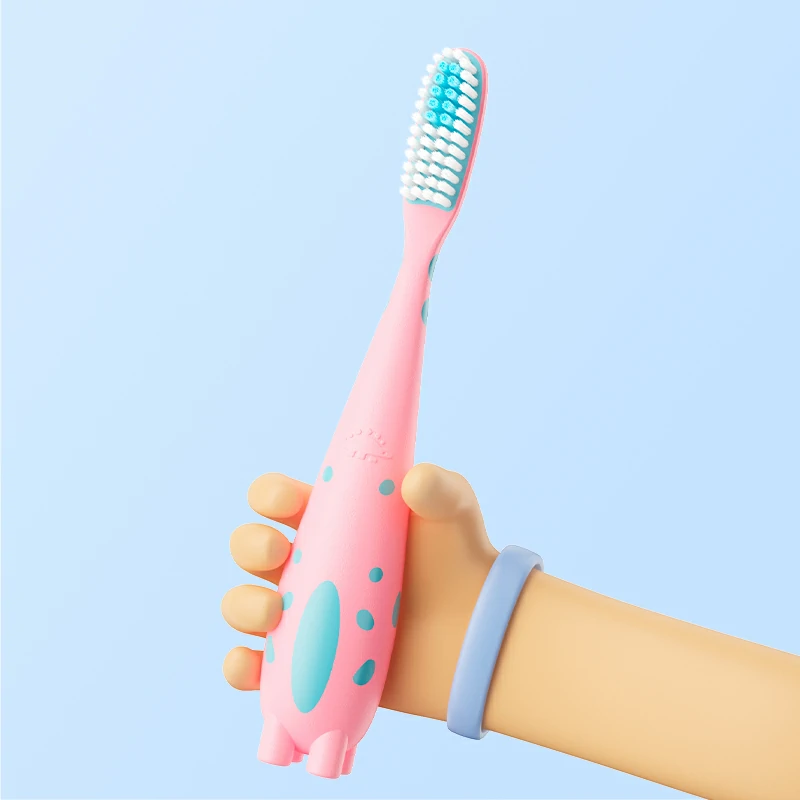
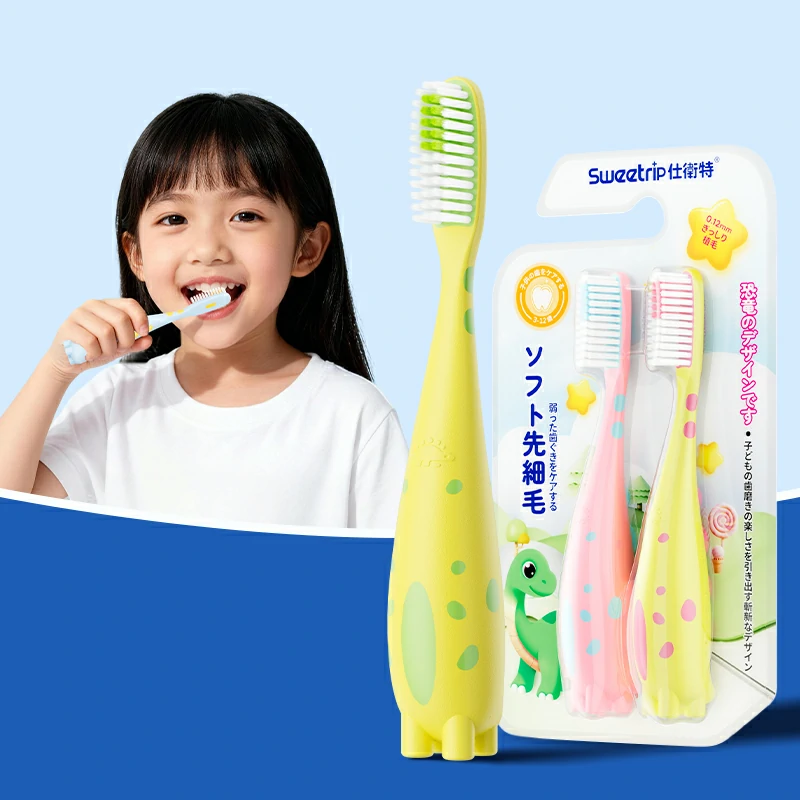
Bristle safety is equally important. A kids’ toothbrush should use ultra-soft filaments with polished, rounded tips to minimize gum irritation. Sharp or uneven bristle ends increase the risk of micro-injuries, especially for toddlers who brush with excessive force.
Children’s Toothbrush Design Standards by Age Group
Safety standards vary significantly by age, and reputable manufacturers always classify a Children’s Toothbrush accordingly.
Toddlers (0–3 Years)
For toddlers, toothbrush safety focuses on:
- Extra-wide handles to reduce choking risk
- Short brush heads to fit small mouths
- Anti-slip grips for adult-assisted brushing
At this stage, manual models dominate the market, as fine motor control is still limited.
Preschool and Early School Age (3–6 Years)
Children in this group begin brushing independently. A Children’s Toothbrush for this age range typically includes:
- Lightweight handles
- Small, rounded brush heads
- Clearly marked age recommendations
Both manual and beginner electric options are commonly introduced during this phase.
Manual vs. Electric Children’s Toothbrush Safety Considerations
Manual Children’s Toothbrush Safety
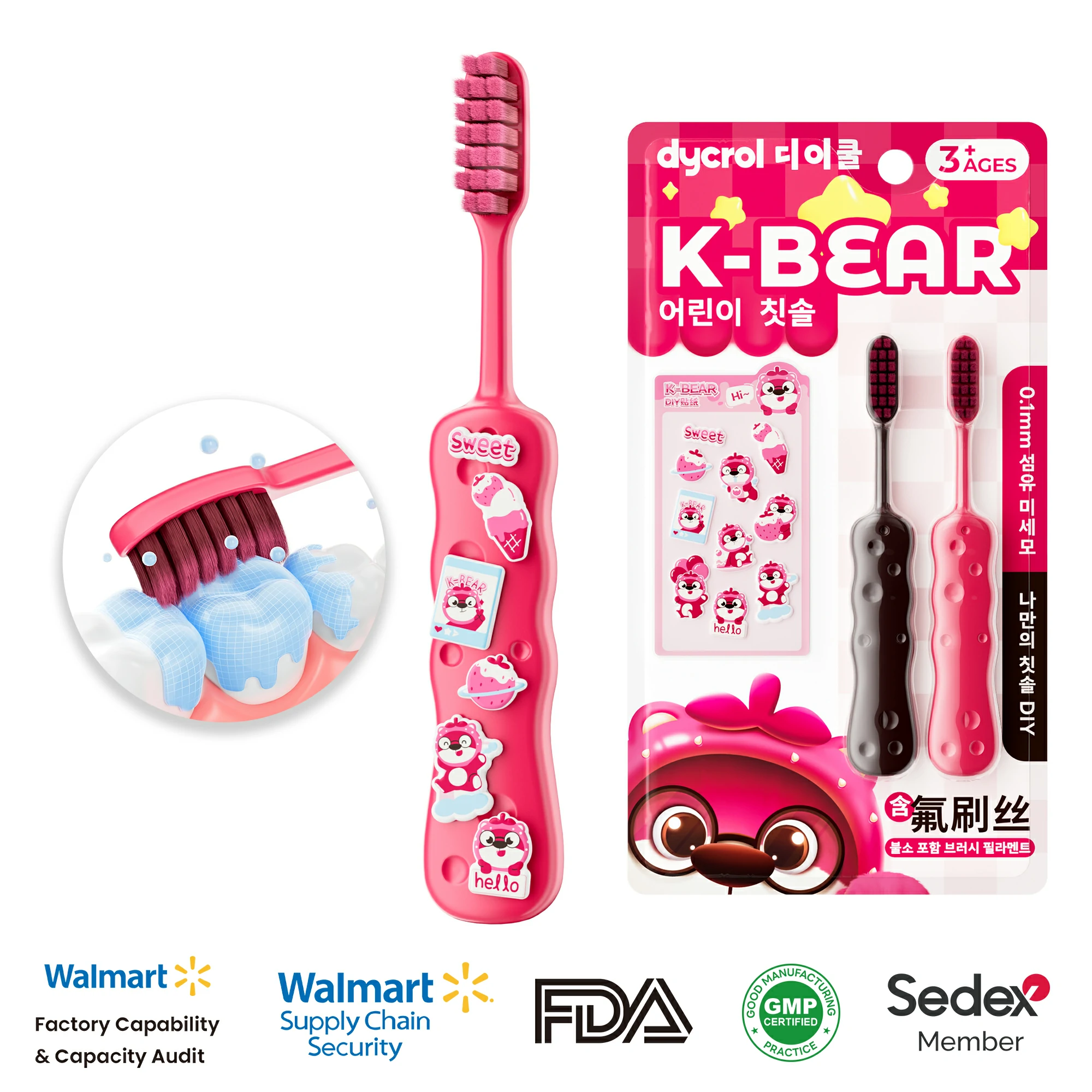
Simplicity and control make manual options a popular choice. Well-designed kids’ manual toothbrushes emphasize:
- Durable handle construction
- Flexible necks to absorb pressure
- Bright colors to encourage consistent use
You can explore certified manual options for kids by visiting our collection of Children’s Toothbrushes.
Electric Children’s Toothbrush Safety
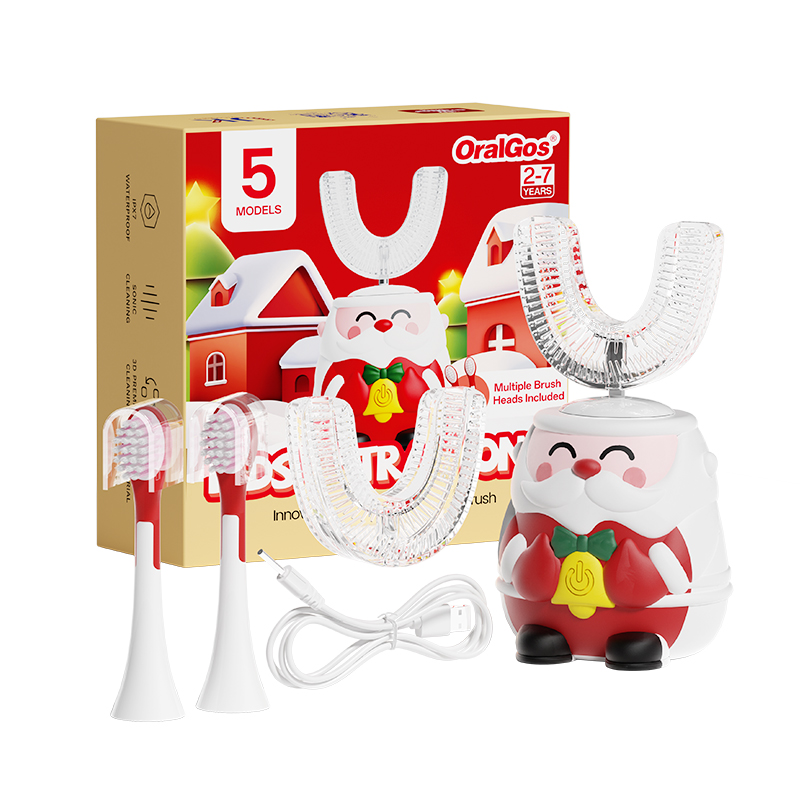
Electric models introduce additional safety layers, including waterproof sealing, controlled vibration levels, and automatic shut-off features. Children prefer low-frequency motion to avoid overstimulation of their gums.
Safe electric options for kids are available in our kids’ Electric Toothbrush collection.
Regulatory and Testing Standards for a Children’s Toothbrush
A compliant Children’s Toothbrush typically undergoes:
- Mechanical strength testing (drop, bend, pull)
- Bristle retention testing
- Chemical migration testing
In the US, many manufacturers align their safety benchmarks with ADA recommendations. In Europe, EN standards and REACH compliance play a similar role. While certification marks differ by region, the safety logic remains consistent.
How Buyers and Parents Can Evaluate Kids’ toothbrush Safety
When selecting a kids’ toothbrush, consider the following checklist:
- Clear age labeling on packaging
- Transparent material disclosures
- Compliance statements or third-party testing references
- Bristle softness clearly indicated
A product that avoids vague claims and provides concrete safety details is usually a safer choice.
Final Thoughts: Safety Is the Foundation of Every Children’s Toothbrush
A Children’s Toothbrush is more than a scaled-down adult product—it is a precision-designed tool shaped by strict safety standards. From non-toxic materials to age-specific design and controlled performance, every detail matters.
If you are a parent or a buyer, knowing about kids’ toothbrush safety standards is important. It helps create healthier habits and builds long-term trust. And if there’s one rule worth remembering, safer always means smarter in kids’ oral care.