In the modern oral care industry, hygiene and safety have become paramount. Consumers are increasingly aware that toothbrushes, if not properly protected, can harbor bacteria that may compromise oral health. To address this concern, manufacturers have incorporated antibacterial toothbrush bristles into their products. This innovation not only improves hygiene but also enhances the lifespan and effectiveness of toothbrushes.
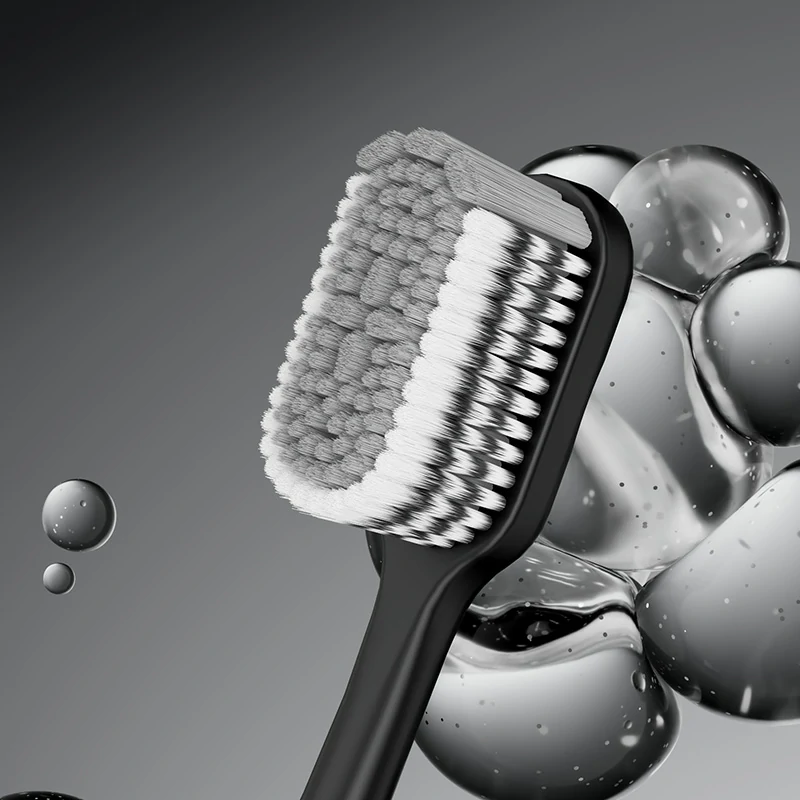
What Are Antibacterial Toothbrush Bristles?
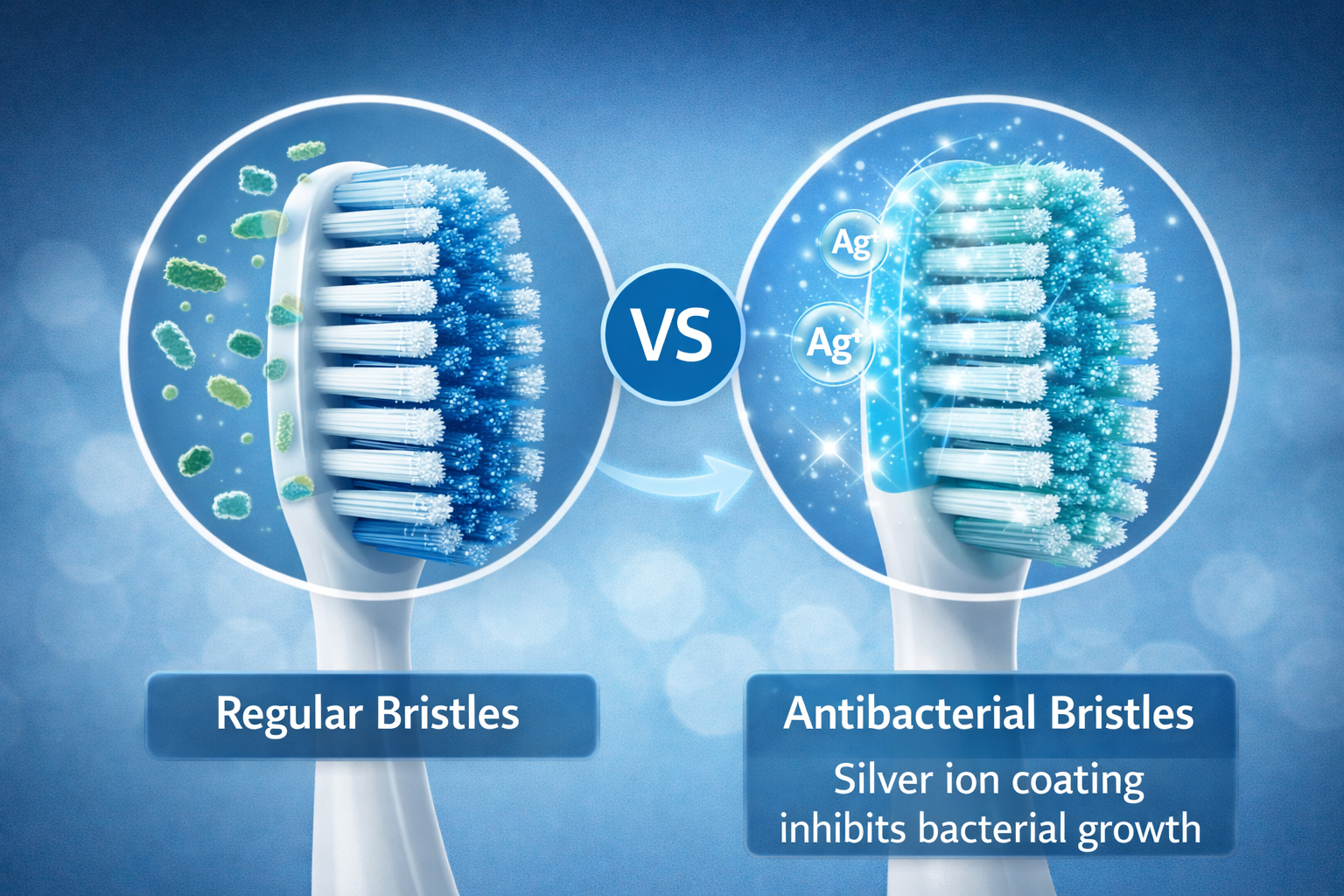
Manufacturers treat toothbrush bristles with antimicrobial agents to inhibit the growth of harmful microorganisms. Unlike conventional bristles, manufacturers coat these bristles with antimicrobial agents such as silver ions, zinc compounds, or quaternary ammonium salts. These substances actively prevent bacteria, fungi, and other pathogens from colonizing the bristle surface.
For instance, the industry widely recognizes silver ions for their antimicrobial properties and safety in consumer products. They work by disrupting the cellular processes of bacteria, effectively reducing the bacterial load on toothbrushes. This is particularly valuable for households where multiple members use toothbrushes in the same bathroom environment, minimizing cross-contamination risks.
For manufacturers, integrating antibacterial toothbrush bristles is a significant advancement. It allows brands to differentiate their products in a competitive market while addressing growing consumer demand for safer oral care solutions.
How Antibacterial Coatings Are Applied
The application of antibacterial coatings in toothbrush manufacturing involves precise technology. Typically, bristles are treated either during extrusion or after molding. During extrusion, antimicrobial agents are incorporated directly into the polymer used to make the bristles. Post-molding treatments, on the other hand, involve coating finished bristles with a thin, uniform layer of antibacterial solution. Both methods ensure long-lasting protection without compromising bristle flexibility or brushing performance.
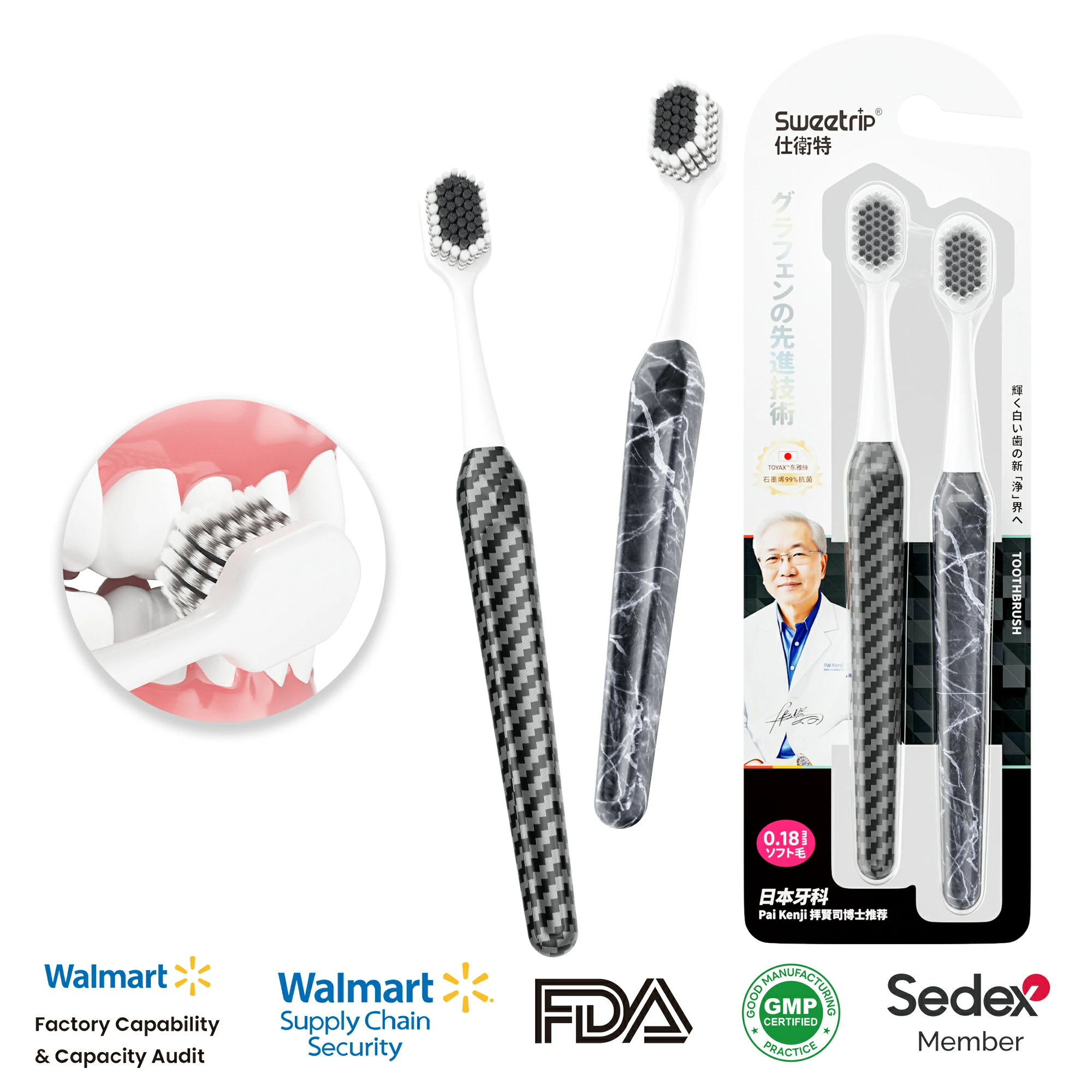
Manufacturers like OralGos have leveraged these techniques to produce a variety of toothbrushes with enhanced hygiene features. Their products, such as the Adults Travel Toothbrush with Antibacterial Bristles, showcase how innovative coatings can improve consumer confidence and convenience.
Benefits of Antibacterial Toothbrush Bristles
The advantages of using antibacterial toothbrush bristles extend beyond basic hygiene:
- Reduced Risk of Oral Infections – Studies show that toothbrushes can harbor bacteria like Streptococcus mutans, which contributes to cavities. Antibacterial bristles significantly reduce this risk. American Dental Association provides research supporting the importance of maintaining clean toothbrushes.
- Extended Bristle Lifespan – Antibacterial coatings slow microbial degradation of bristles, allowing toothbrushes to remain effective for longer periods.
- Consumer Confidence and Brand Differentiation – Offering antibacterial options signals to consumers that a brand prioritizes health and innovation. Products like the Soft Rubber Toothbrush and Custom Printed Toothbrush demonstrate how design and hygiene can work hand in hand.
- Ease of Travel and Storage – For travelers, maintaining a clean toothbrush is challenging. Antibacterial bristles help reduce bacterial buildup in storage cases or travel pouches.
Key Considerations in Manufacturing
While antibacterial coatings provide clear benefits, manufacturers must adhere to strict quality and safety standards:
- Regulatory Compliance – Coatings must meet health and safety regulations, ensuring that antimicrobial agents are non-toxic and approved for oral care.
- Durability Testing – Bristles undergo mechanical and chemical testing to ensure the coating remains effective over time.
- Consumer Education – Marketing must accurately communicate the function of antibacterial bristles without overpromising results.
Integrating antibacterial bristles requires a balance of efficacy, safety, and performance. Companies like OralGos emphasize research-driven design, producing toothbrushes that maintain soft bristle flexibility while providing antimicrobial protection.
Future Trends in Antibacterial Toothbrush Manufacturing
Looking ahead, the oral care industry continues to innovate. Biodegradable and plant-based bristles with antibacterial coatings are emerging, combining sustainability with hygiene. Smart toothbrushes equipped with UV sterilization or antimicrobial sensors are also gaining traction, enhancing cleaning efficacy and user awareness.
The demand for antibacterial toothbrush bristles is expected to grow as consumers increasingly value health-conscious choices. Manufacturers investing in advanced coating technologies are well-positioned to lead in this evolving market.
Conclusion
Antibacterial coatings in toothbrush manufacturing represent a significant step forward in oral care. By incorporating antibacterial toothbrush bristles, manufacturers enhance hygiene, extend product lifespan, and meet consumer expectations for safe, effective dental care. From everyday home use to travel-friendly options, these innovations are transforming how we approach oral hygiene while aligning with both regulatory standards and consumer needs. For more information on safe oral care practices, the American Dental Association provides valuable guidance.