Choosing the right toothbrush manufacturer is a crucial decision. It directly affects oral care brands, distributors, and private-label buyers. The manufacturer you partner with directly affects product quality, regulatory compliance, cost control, and long-term brand reputation.
The global oral care market is highly competitive. Choosing the wrong supplier can result in inconsistent product quality, compliance issues, and delays in market entry.
This guide explains the essential criteria for evaluating a toothbrush manufacturer. This will help you make a confident and future-proof decision.
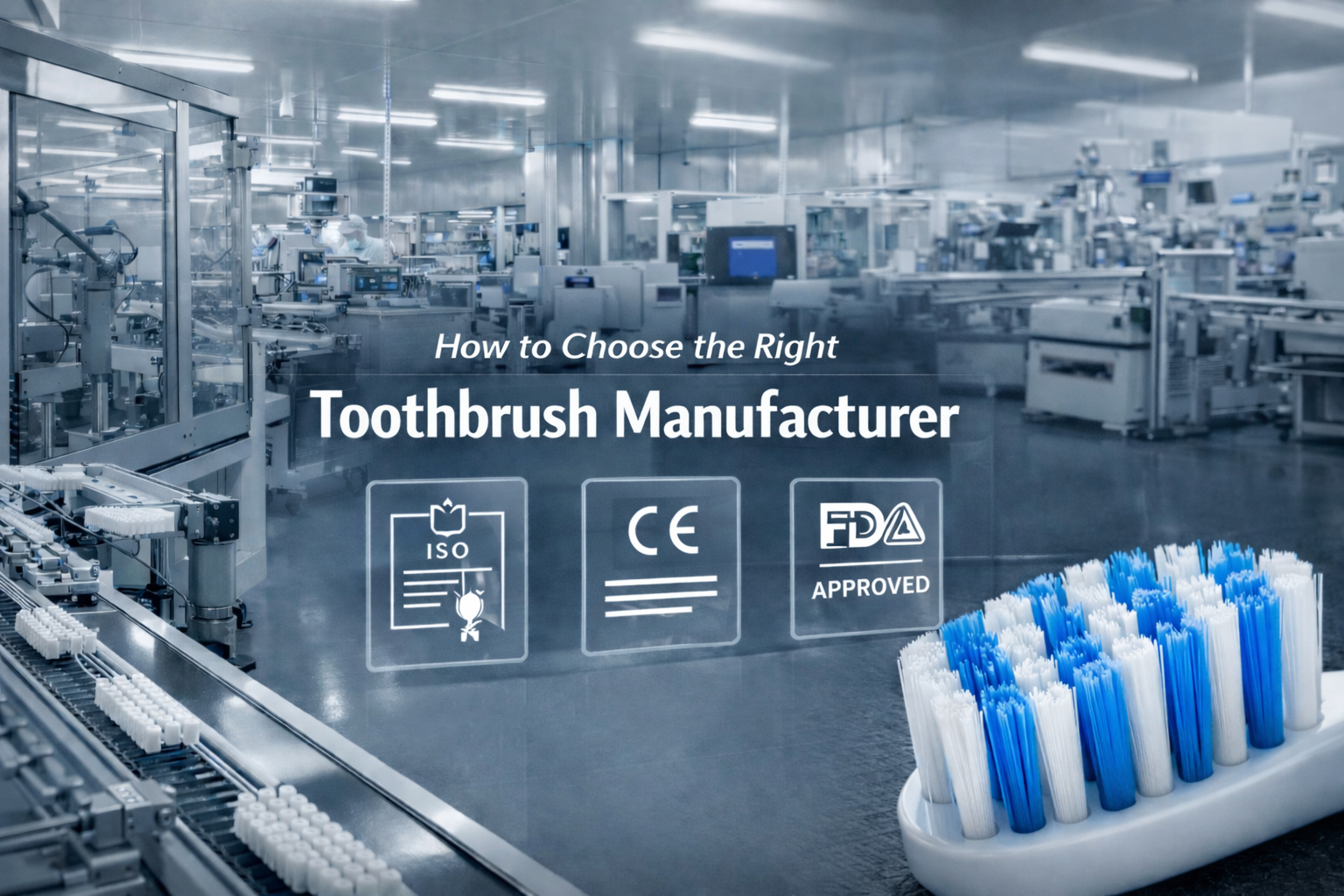
Why Choosing the Right Toothbrush Manufacturer Matters for Your Brand
A reliable manufacturing partner does more than produce brushes at scale. They act as an extension of your brand’s quality standards, innovation capacity, and compliance strategy. From material sourcing to final packaging, every production step influences user safety and customer trust.
According to the American Dental Association, effective daily oral care depends on proper toothbrush design, high-quality bristles, and clean manufacturing conditions. This makes manufacturer selection a strategic decision—not just a sourcing task.
Key Factors to Evaluate a Toothbrush Manufacturer
1. Manufacturing Certifications and Compliance
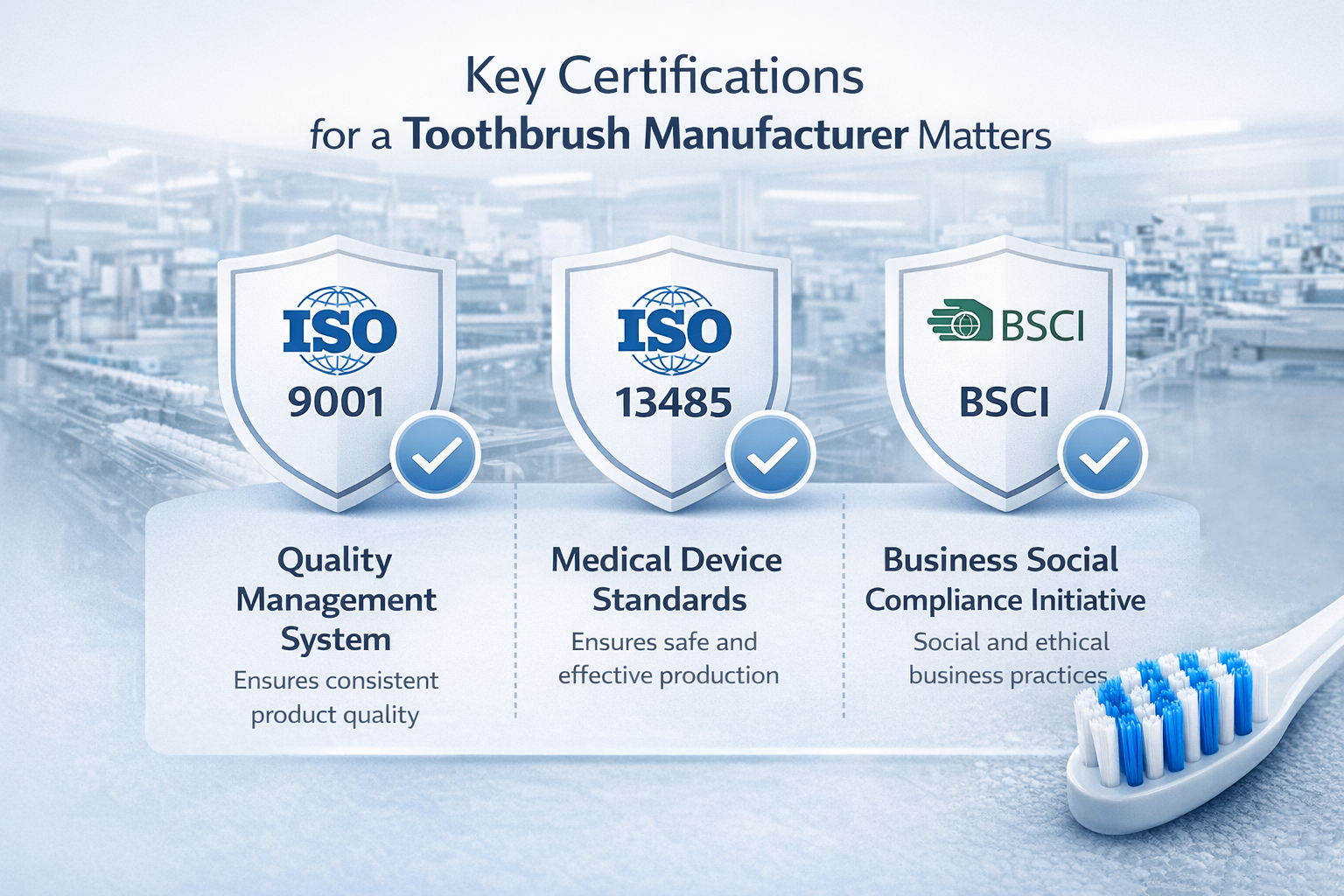
A professional toothbrush manufacturer should comply with international quality and safety standards, such as:
- ISO 9001 for quality management
- ISO 13485 for medical-device-related manufacturing
- BSCI or Sedex for ethical sourcing
These certifications show that production processes are well controlled. They also help reduce compliance risks in regulated markets such as the EU and North America.
2. Material Quality and Safety Control
Not all toothbrushes are created equal. A trustworthy toothbrush manufacturer should offer:
- BPA-free plastics
- Food-grade or medical-grade raw materials
- Soft, end-rounded bristles to protect enamel and gums
Material transparency is essential, especially for children’s toothbrushes or sensitive-gum products.
3. Product Range and Customization Capability
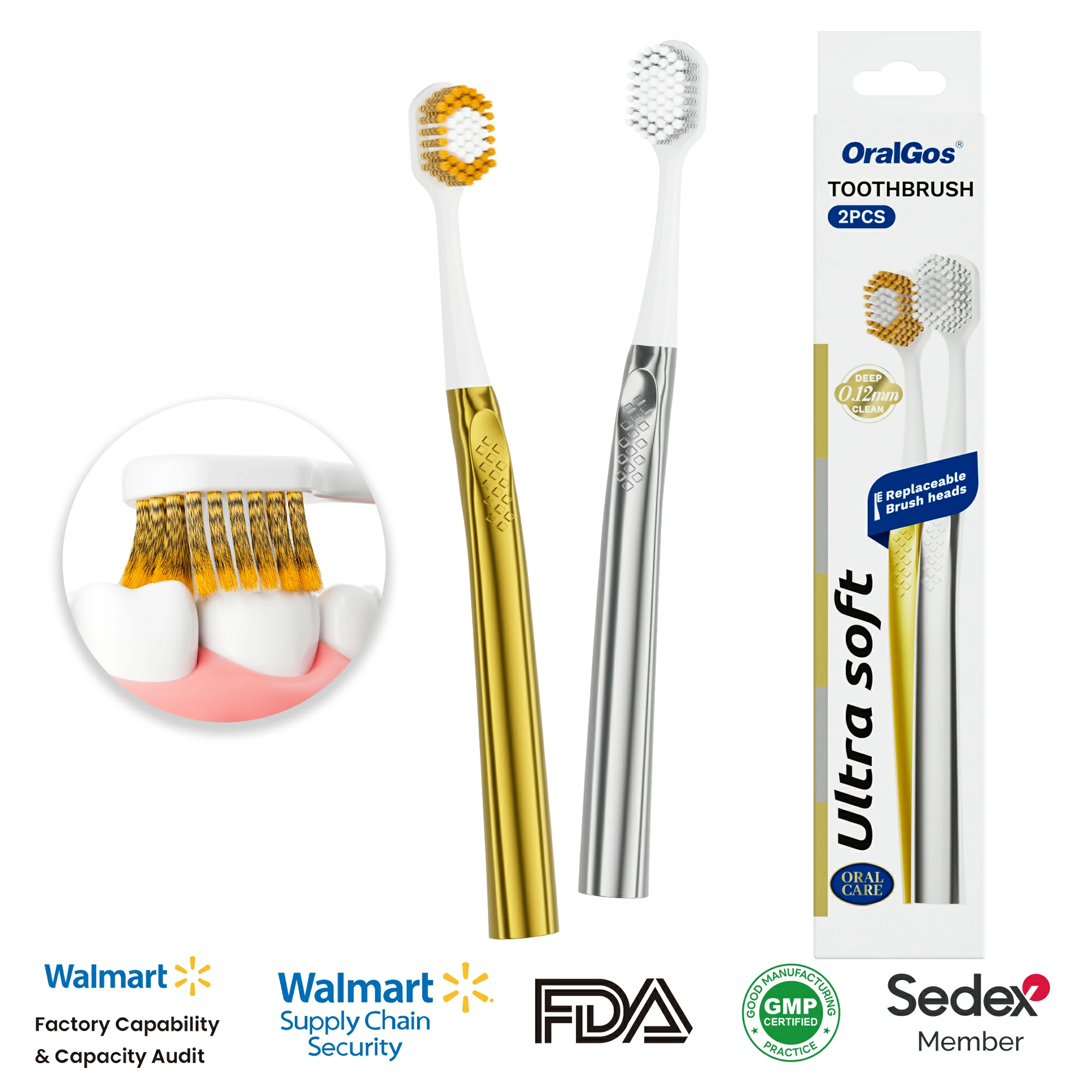
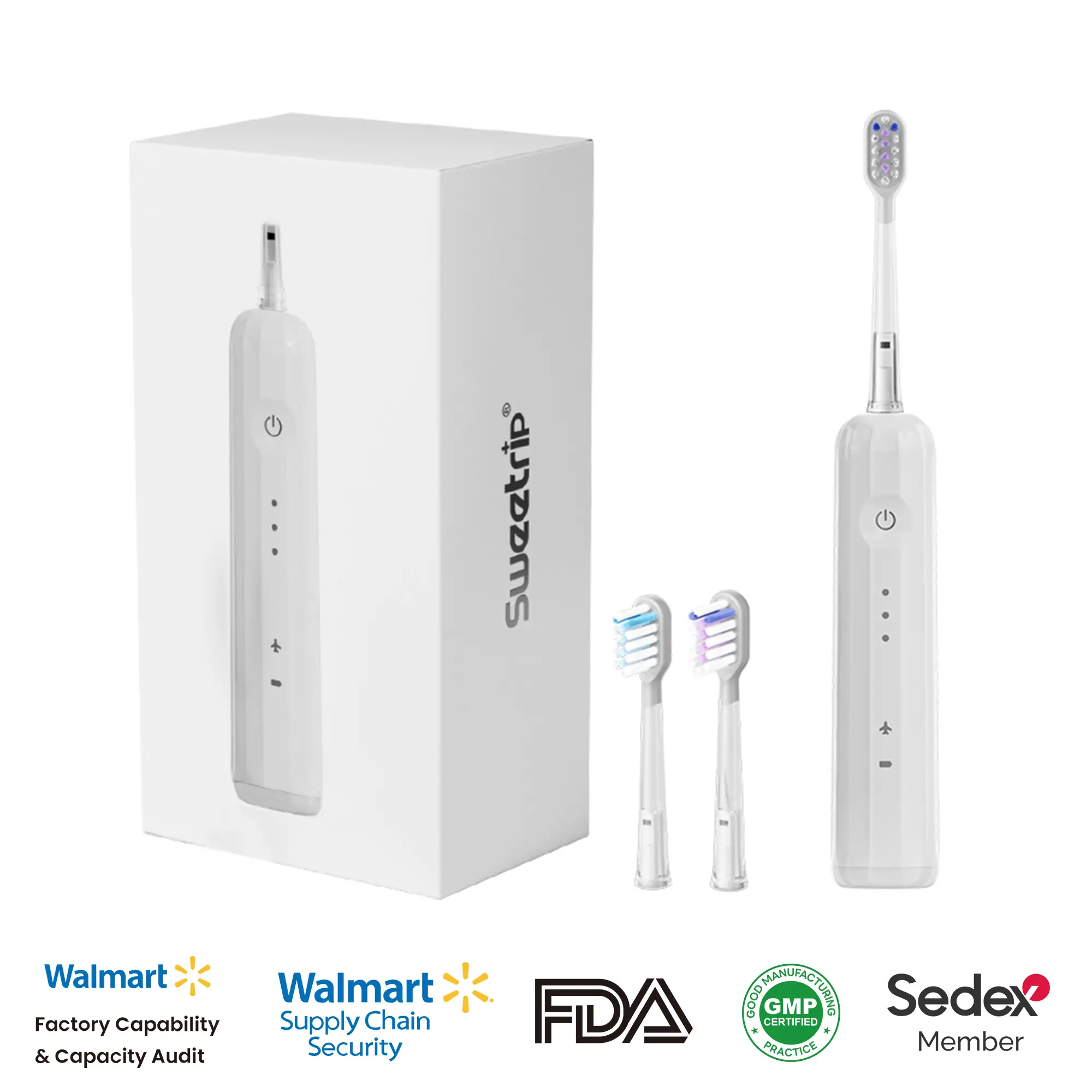
A capable toothbrush manufacturer should support both manual and electric toothbrush categories. This allows your brand to scale without changing suppliers.
For example, manufacturers offering a wide selection of manual toothbrushes and electric toothbrush solutions provide greater flexibility for portfolio expansion and private-label development.
Customization options—such as handle design, bristle patterns, colors, and packaging—are also critical for brand differentiation.
Evaluating Production Strength of a Toothbrush Manufacturer
4. Quality Control Systems
A professional toothbrush manufacturer should implement multi-stage quality inspections, including:
- Incoming material checks
- In-process quality control
- Finished product testing
Consistent QC systems help ensure stable product performance across large production batches.
5. R&D and Innovation Capability
Market trends shift quickly. A forward-looking toothbrush manufacturer invests in R&D to keep up with:
- Ergonomic handle designs
- Sustainable materials
- Gum-care and sensitive-teeth innovations
Manufacturers with in-house design and engineering teams are better equipped to support long-term brand growth. They focus on sustainable development, not just short-term OEM output.
Communication, Transparency, and Long-Term Partnership
6. Communication Efficiency and Responsiveness
Clear communication is often overlooked but extremely important. A reliable toothbrush manufacturer should:
- Respond quickly to inquiries
- Provide clear documentation
- Offer transparent production timelines
Poor communication can cause costly delays, especially during product launches.
7. Scalability and Supply Chain Stability
As your brand grows, your toothbrush manufacturer must scale with you. Assess whether they can:
- Increase production capacity
- Handle seasonal demand spikes
- Maintain consistent quality at higher volumes
Manufacturers with integrated supply chains and stable sourcing networks are less vulnerable to disruptions.
Red Flags to Watch Out For
When evaluating a toothbrush manufacturer, be cautious if you notice:
- Vague answers about certifications
- Inconsistent product samples
- Unwillingness to share QC processes
- Extremely low pricing with no cost breakdown
These signals often indicate hidden risks that can damage your brand later.
Final Thoughts: Choosing a Toothbrush Manufacturer Strategically
Choosing the right toothbrush supplier means balancing quality, compliance, innovation, and reliability rather than focusing only on price. A strong manufacturing partner helps you deliver safer products, build customer trust, and compete effectively in global markets.
Carefully evaluate certifications, materials, production capability, and communication standards. This approach helps you build a long-term partnership that supports sustainable brand growth in the oral care industry.