In the journey from design to manufacturing, toothbrush material procurement represents a critical bridge. Following our previous article on toothbrush production, we examine how manufacturers procure raw materials. This includes polymer selection, supplier evaluation, quality compliance, and sustainable sourcing practices. This procurement stage lays the foundation for safety, performance, cost efficiency, and ultimately consumer satisfaction.
To learn more about the high-level design-to-manufacturing process, revisit our previous article. How to Produce a Toothbrush: From Design to Manufacturing provides a detailed overview of ideation, prototyping, and early production.
The Importance of Toothbrush Material Procurement
The focus of toothbrush material procurement goes far beyond just cost. The materials used for handles, necks, and bristles must meet multiple criteria:
- Durability and hygiene: Polymers need to resist repeated bending, chemical exposure, and microbial growth, depending on usage. A recent review highlights the requirements for polymers used in oral-care products. They should be non-porous, mechanically strong, and compatible with various processing methods. pubs.rsc.org
- Biocompatibility and regulatory compliance: Materials must comply with relevant standards and regulatory frameworks, especially when in contact with the human mouth.
- Sustainability: Procurement decisions increasingly favor recycled or bio-based materials, aligning with circular economy goals.
- Supply chain reliability: Manufacturers must ensure stable, scalable sources for polymers to avoid production disruptions.
Effective material procurement therefore underpins product safety, quality, and long-term business viability.
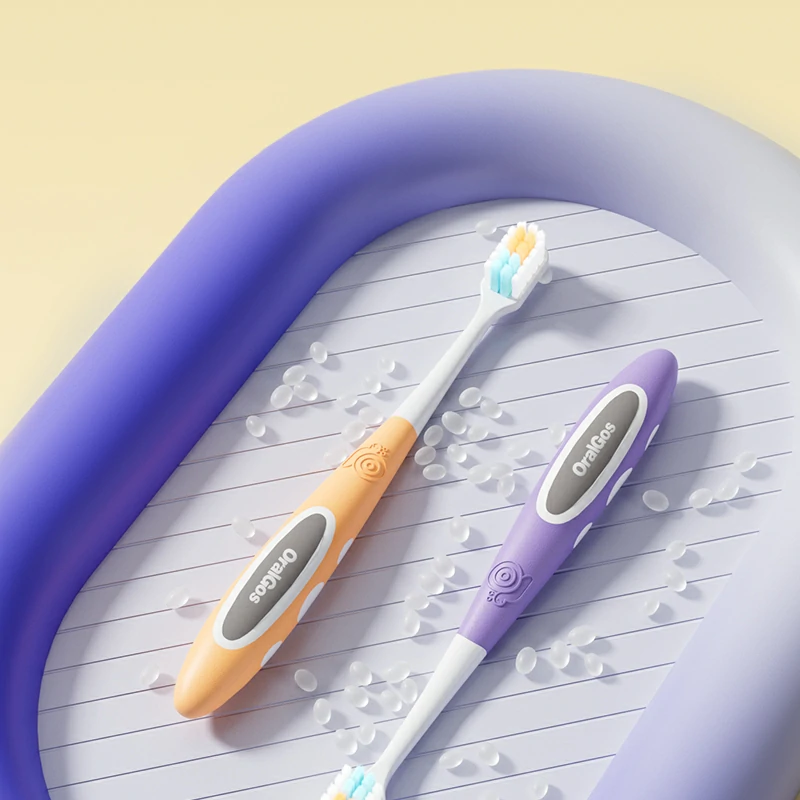
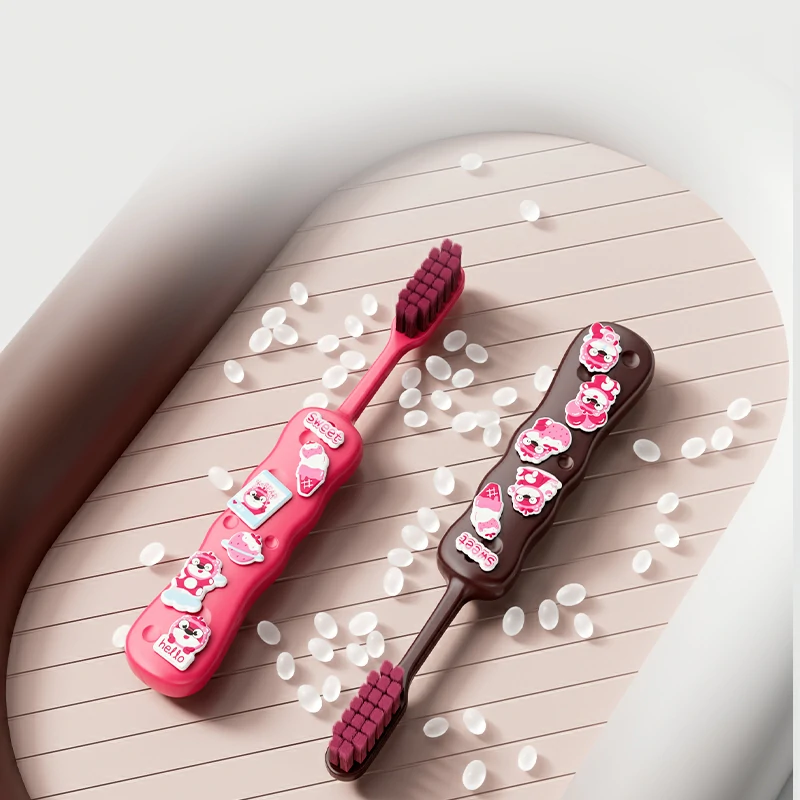

Common Polymers in Toothbrush Material Procurement
Here are some of the most widely used polymers in toothbrush production, and how procurement teams choose among them:
ABS (Acrylonitrile Butadiene Styrene)
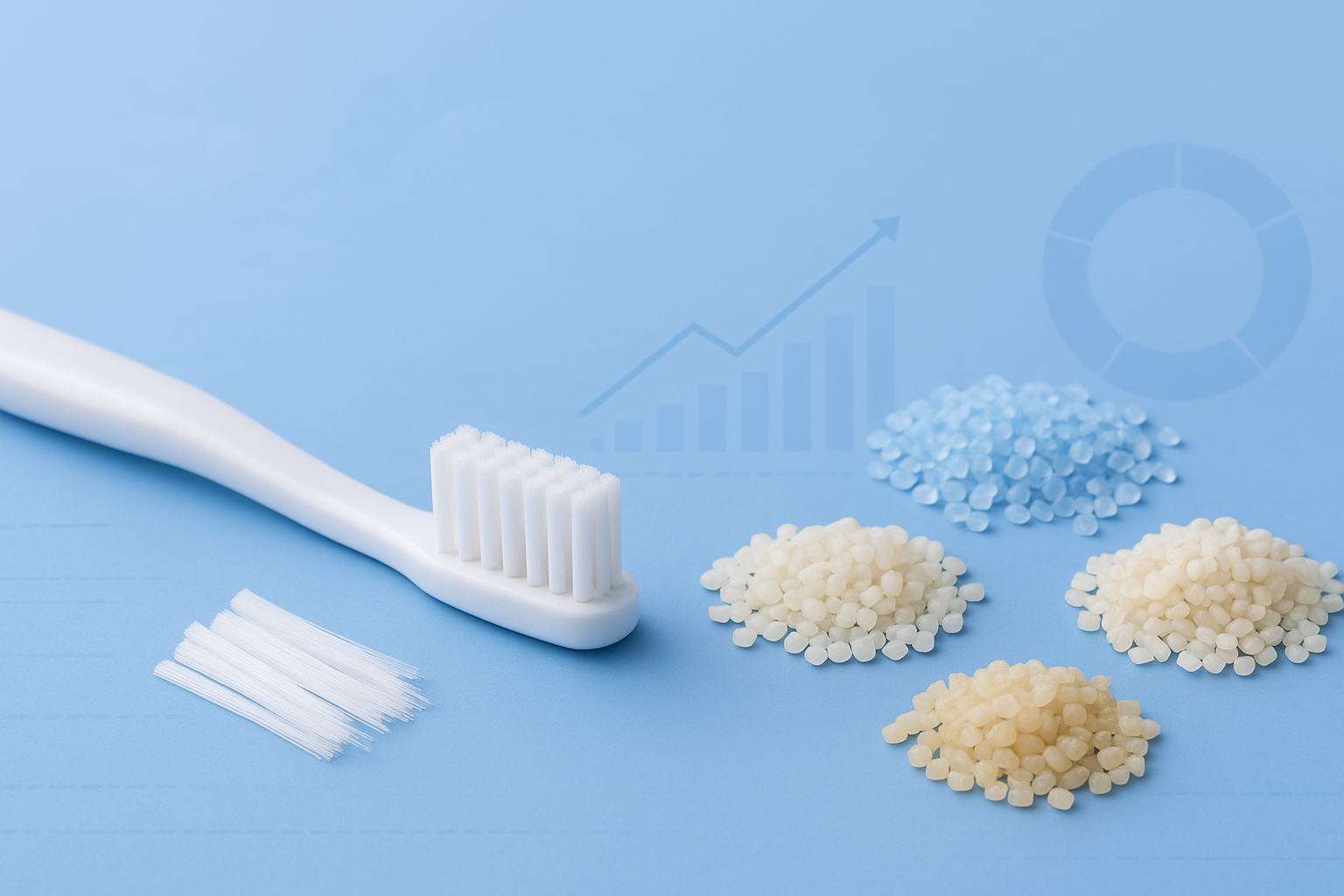
ABS is a common thermoplastic for handles, offering excellent impact resistance, rigidity, and ease of molding. Procurement teams often source ABS in food-grade or biocompatible grades to ensure user safety and regulatory compliance.
PBT (Polybutylene Terephthalate)
PBT is frequently used in bristles for its strength and thermal stability. Its low shrinkage during molding and high durability make it a preferred choice. Manufacturers often find PBT resin suppliers through materials directories. For example, B2B platforms list numerous PBT resin producers.
Sustainable Alternatives
With increasing focus on environmental impact, some brands are exploring bio-based thermoplastics. For example, UBQ Materials creates a composite from household waste that manufacturers can use in injection molding. Integrating such materials into toothbrush procurement supports circular supply-chain models. omnexus.specialchem.com
Vetting Suppliers in Material Procurement
Sourcing the right supplier is as important as selecting the polymer itself. Key steps in toothbrush material procurement include:
- Supplier qualification: Manufacturers evaluate resin providers for capacity, quality systems, lead times, and cost.
- Regulatory checks: Suppliers should supply materials that comply with relevant dental or consumer safety standards. For example, the FDA maintains a database of recognized consensus standards for medical‑device polymers.
- Testing and certification: Incoming resin batches are often tested for mechanical properties, biocompatibility, and purity. Depending on the market, companies may need to comply with ISO, ANSI/ADA, or other standards. For instance, the draft ANSI/ADA Standard No. 188 includes test methods and biological evaluation for base polymers.
- Traceability: Maintaining traceability of raw materials enables recalls or corrective actions, if needed, later in production.
Regulatory Compliance in Material Procurement
Regulatory compliance is a cornerstone in toothbrush material procurement. For manufacturers supplying in regulated markets such as the U.S., Europe, or globally, key considerations include:
Biocompatibility
Materials must be biocompatible for oral use. Some devices may require documentation aligned with FDA 510(k) processes. The FDA’s guidance for dental composite resin devices outlines testing, composition, and safety requirements.
Device classification
Basic toothbrushes usually fall under Class I, which is low-risk. Regulatory authorities classify advanced toothbrush models with smart features as Class II, and they require premarket notification.
Standards and traceability
Using recognized standards (e.g., ISO) for polymer materials helps assure safety. For example, ISO 5139 relates to machinable polymer blanks for dental applications. FDA Access Data
Also, traceability helps with post-market surveillance and quality control.
Integrating Sustainability into Procurement Strategy
Sustainability is no longer optional — many toothbrush brands now embed eco-criteria into their procurement workflows. Key strategies include:
- Choosing recycled or circular materials: As noted earlier, companies like UBQ Materials produce thermoplastics from post‑consumer waste.
- Supplier partnership and collaboration: Resin suppliers both large and small are working toward circular supply‑chains. omnexus.specialchem.com
- Lifecycle assessment: Procurement teams assess the environmental impact throughout a material’s lifecycle. This evaluation covers not only raw material sourcing but also end-of-life disposal and recycling.
Mitigating Procurement Risks
Procurement teams must manage various risks to ensure smooth, compliant manufacturing:
- Supply chain disruption: Reliance on a single resin supplier increases vulnerability. Manufacturers often qualify multiple vendors or maintain safety stock.
- Quality variation: Incoming raw material may vary batch to batch. To mitigate this, quality assurance includes strict testing protocols.
- Regulatory changes: Material regulations (e.g., chemical restrictions, biocompatibility standards) can evolve. Procurement must monitor changes in FDA or ISO standards and adapt.
- Cost volatility: Resin prices may fluctuate. Long-term contracts or volume commitments can help stabilize pricing.
Connecting Material Procurement to Manufacturing and Design
A well-executed toothbrush material procurement strategy does more than just supply raw resin — it enables:
- Better design decisions: Knowing which polymers are reliably available allows engineers to optimize handle shapes, neck flexibility, and bristle design.
- Efficient production planning: Consistent resin supply minimizes production pauses.
- Long-term sustainability goals: If procurement favors recycled or bio-based materials, the brand strengthens its environmental profile.
- Regulatory readiness: By sourcing compliant materials, the company reduces risks in regulatory submissions and market launch.
Looking Ahead: Injection Molding Comes Next
As part of our ongoing series on toothbrush manufacturing, material procurement is only the prelude. Injection molding is the next crucial step. During this process, manufacturers shape the sourced polymers into handles, necks, and additional components.
We will examine the injection-molding process. This includes molding parameters, cycle times, tooling design, and resin behavior. We will see how these elements work together. The following section provides a thorough and structured examination of the topic.
Conclusion
In summary, getting materials for toothbrushes is a complex process. It involves choosing the right polymers, like ABS or PBT. It also includes finding reliable suppliers and making sure they follow regulations. Finally, it is important to include sustainability in decision-making.
This procurement foundation helps ensure product safety and performance. It also leads to efficient manufacturing and long-term business strength.
By managing this procurement stage well, oral care brands can create toothbrushes that are safe, durable, and eco-friendly. This also helps them have smoother processes later, like injection molding.