
Maintaining oral hygiene during orthodontic treatment can be challenging. Braces and other orthodontic appliances create hard-to-reach areas where plaque and food particles accumulate. Using a specialized orthodontic toothbrush can make a significant difference in oral health. In this article, we explore the essential features of orthodontic toothbrushes, their benefits, and tips for optimal use.
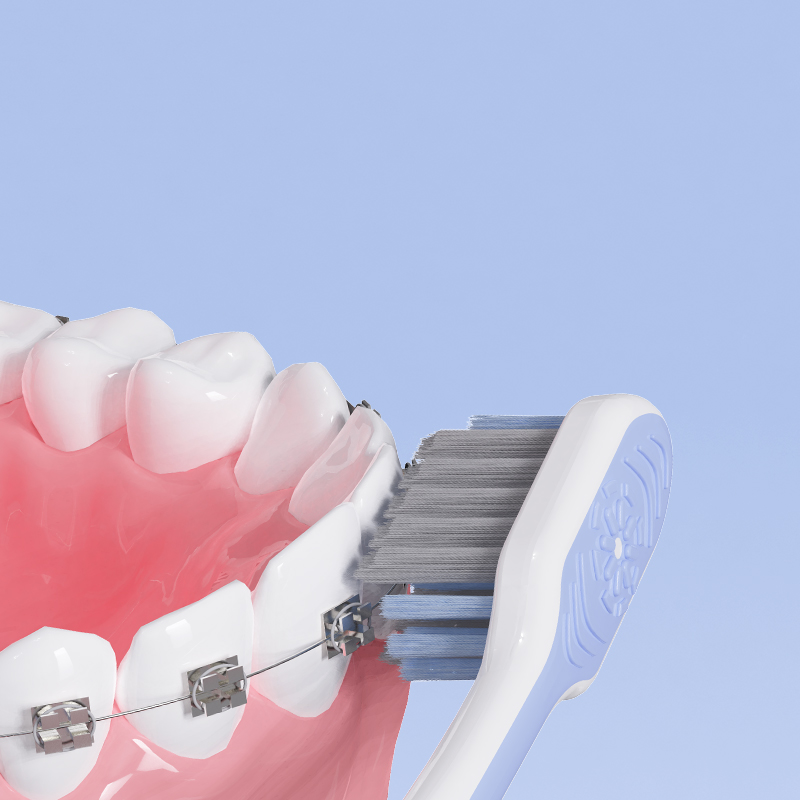
What Makes an Orthodontic Toothbrush Different?
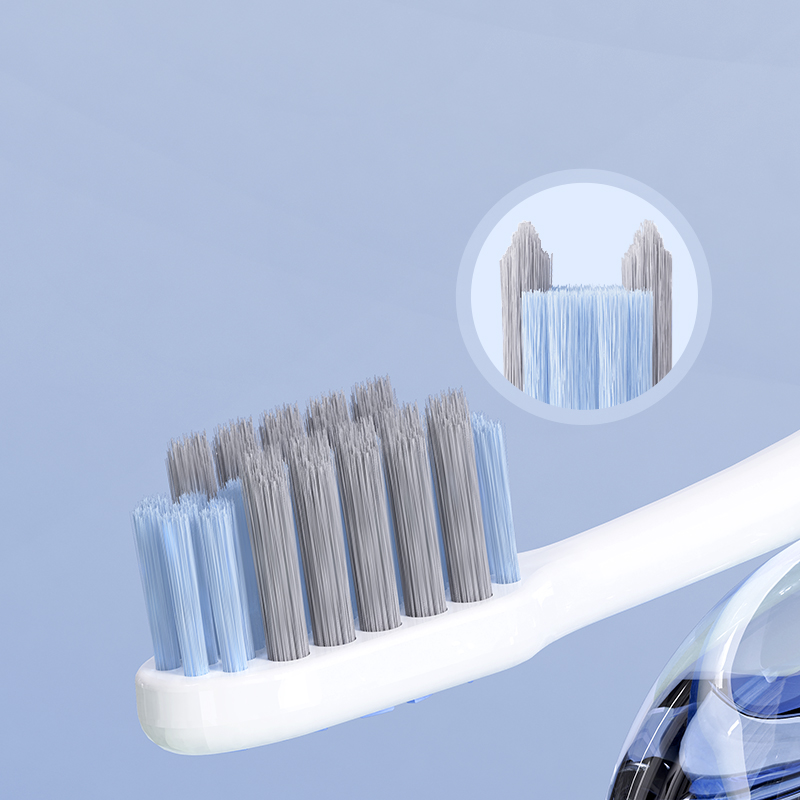
The orthodontic toothbrush cleans effectively around braces, brackets, and wires. These brushes differ from standard toothbrushes. They often have V-shaped or U-shaped bristles that reach under wires and along the gum line. The bristles are typically soft and flexible, reducing the risk of damaging sensitive gums or orthodontic appliances.
The American Dental Association recommends using a toothbrush that allows gentle but effective cleaning around brackets and wires. For more guidance, you can visit American Dental Association.
Key Features of an Effective Orthodontic Toothbrush
Bristle Design and Arrangement
The bristle design is the most critical aspect of an orthodontic toothbrush. Multi-level bristles, with a central groove or trimmed pattern, help clean both the teeth surface and the areas around brackets. Some designs include shorter bristles on the sides to remove plaque along the gum line without causing irritation.
Handle and Grip
Ergonomic handles make it easier for users to maneuver the brush around braces. Orthodontic users need to reach every corner of the mouth. A non-slip grip helps them control the brush and clean thoroughly.
Size and Flexibility
Brush head size matters when dealing with braces. A smaller head allows access to tight spaces, while flexible necks adjust to the mouth’s contours. This combination ensures plaque removal in challenging areas that standard toothbrushes may miss.
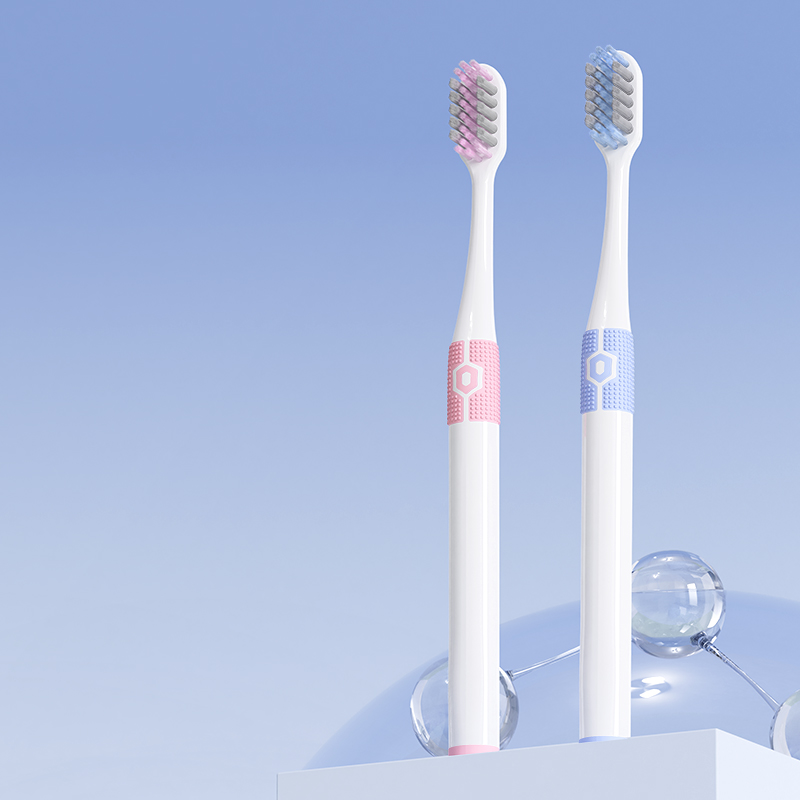
Benefits of Using an Orthodontic Toothbrush
Regular brushing with a proper orthodontic toothbrush helps prevent cavities, gum inflammation, and enamel damage around braces. Patients with braces benefit from these advantages:
- Targeted Cleaning: Reaches under wires and around brackets.
- Gum Protection: Soft bristles reduce irritation and bleeding.
- Improved Compliance: Easier brushing encourages consistent oral hygiene.
For those looking for high-quality options, consider exploring the OralGos Orthodontic Toothbrush to meet these needs.
Tips for Effective Brushing with Braces
- Use Proper Technique: Angle the toothbrush at 45 degrees toward the gum line and brush gently around each bracket.
- Brush Frequently: Orthodontic users should brush at least twice daily, preferably after meals.
- Complementary Tools: Interdental brushes, floss threaders, or water flossers can further enhance oral hygiene.
Regular check-ups with your orthodontist are also essential to monitor oral health during treatment.
Conclusion
Choosing the right orthodontic toothbrush is crucial for maintaining oral hygiene during orthodontic treatment. The right bristle design and ergonomic handle make brushing easier. When users apply proper technique, they can prevent plaque buildup, protect their gums, and maintain a healthier smile.
For professional advice on oral care, visit the American Dental Association website. You can also explore quality options such as the OralGos orthodontic toothbrush.