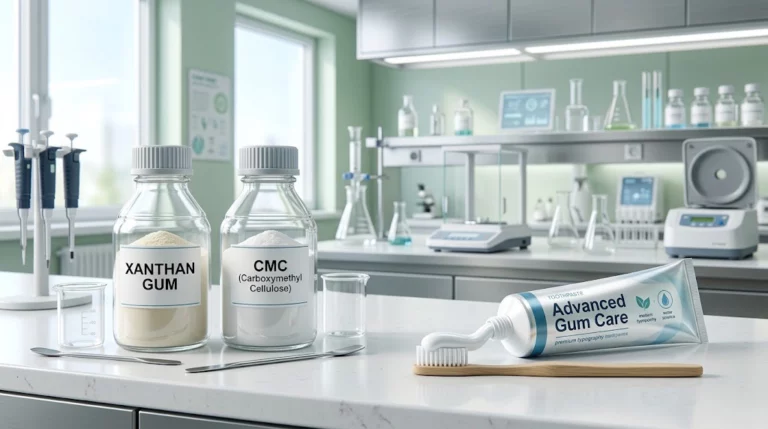
When consumers evaluate a toothbrush, they often focus on handle design, bristle softness, or brand reputation. However, people frequently overlook one critical feature: bristle tip finishing. An end-rounded bristles toothbrush is safer and more comfortable than brushes with sharp or unfinished bristles. This small manufacturing detail can significantly influence enamel protection, gum health, and long-term brushing compliance.
In today’s competitive oral-care market, end-rounding helps brands and buyers make smarter decisions.
What Is an End-Rounded Bristles Toothbrush?
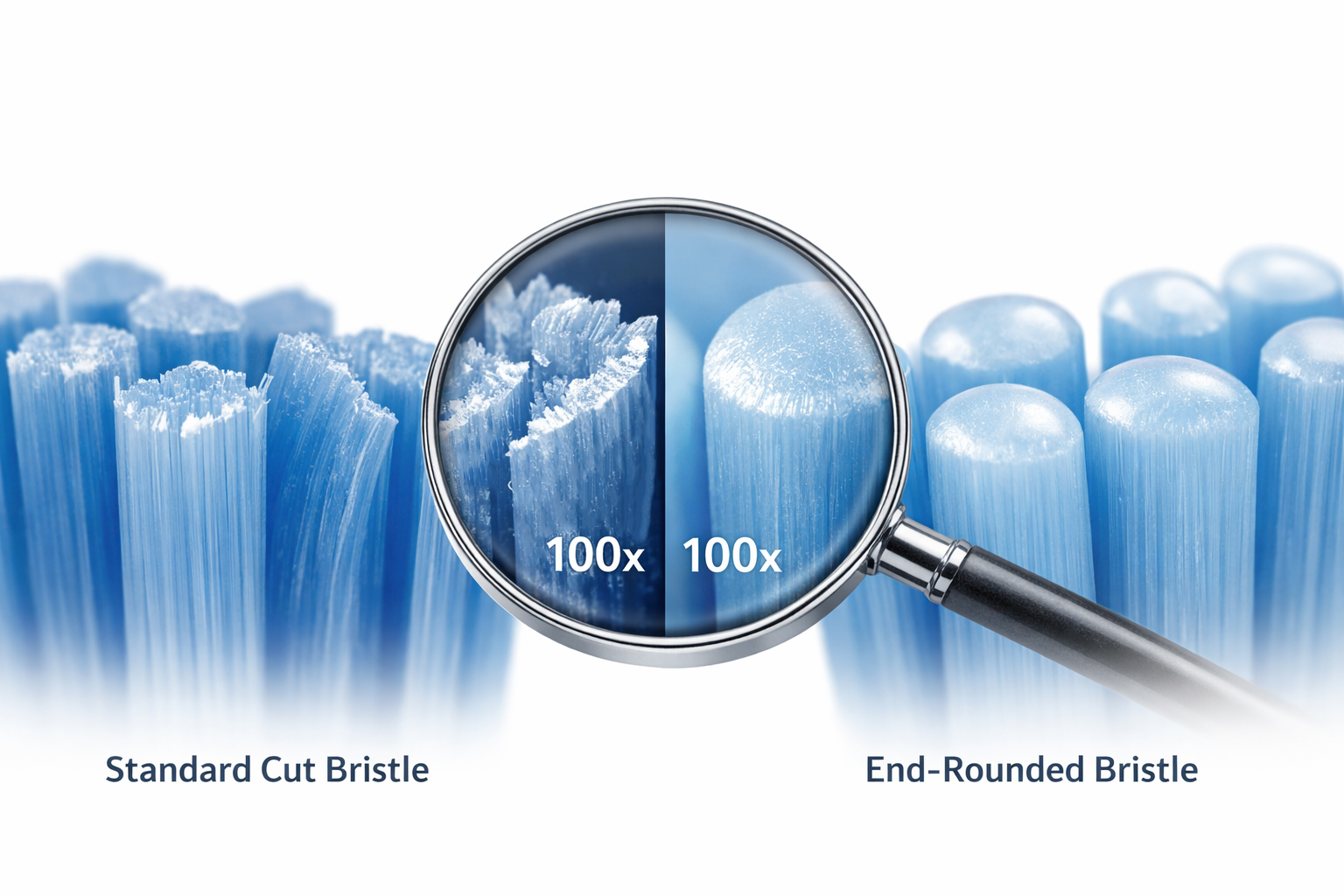
An end-rounded bristles toothbrush refers to a brush whose filament tips have been polished and rounded during manufacturing. Instead of sharp, flat-cut edges, each bristle features a smooth, dome-shaped finish.
During production, workers trim nylon filaments to length. Without further processing, the cut edges remain rough. These rough edges can cause abrasion to enamel and irritation to gingival tissue. End-rounding technology smooths and polishes each filament tip, reducing potential mechanical damage during brushing.
This finishing process requires additional equipment, strict quality control, and microscopic inspection. As a result, not all toothbrushes on the market meet the same standard.
Why an End-Rounded Bristles Toothbrush Improves Gum Safety
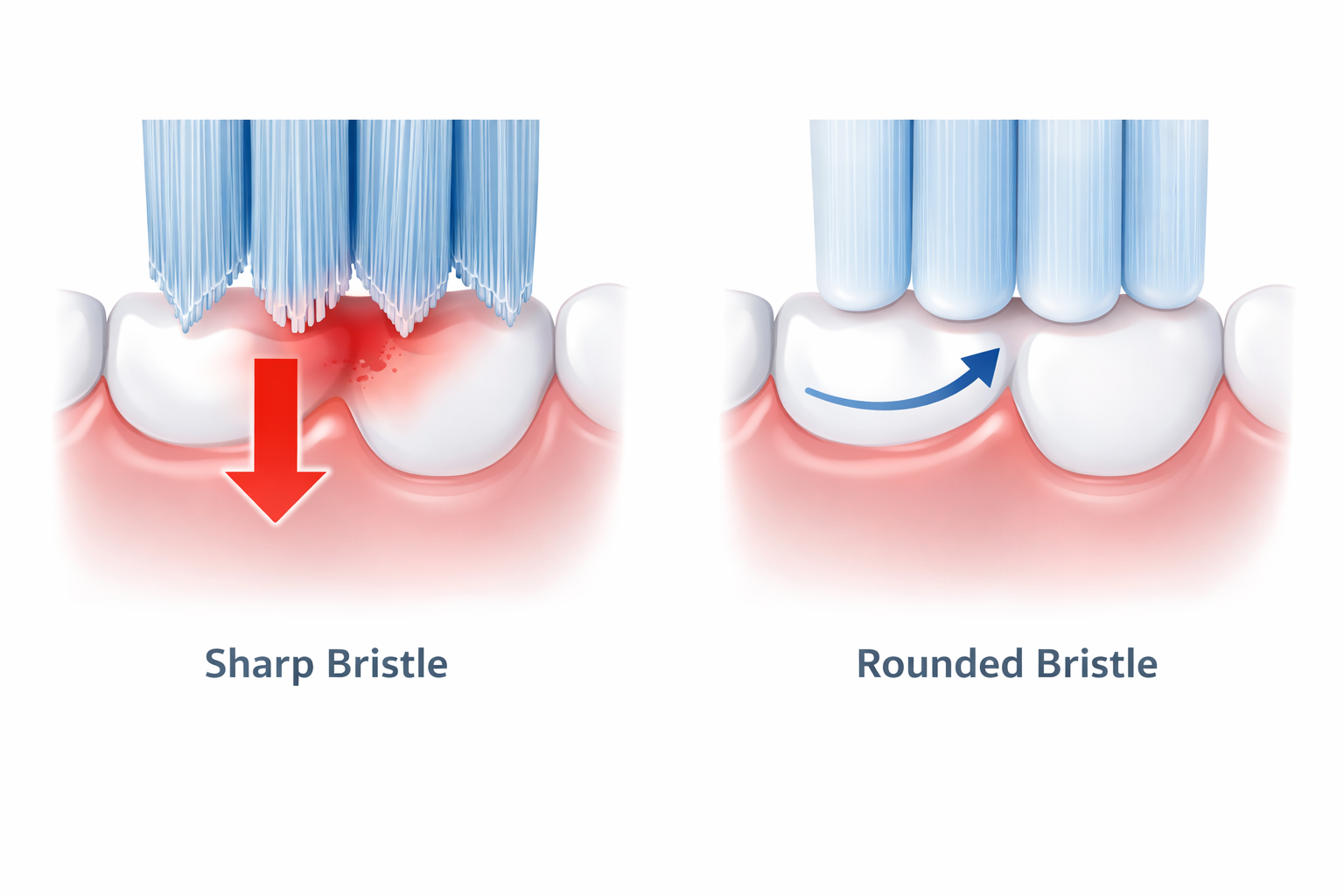
Gum tissue is delicate and prone to inflammation when exposed to repeated friction. Even soft bristles can cause harm if manufacturers do not finish the filament tips properly.
An end-rounded bristles toothbrush distributes brushing pressure more evenly across the tooth and gum surface. Rounded tips glide along the enamel and gingival margin instead of scratching or scraping. This helps reduce:
- Micro-abrasions on enamel
- Gum recession caused by mechanical trauma
- Sensitivity linked to exposed dentin
The American Dental Association emphasizes the importance of gentle brushing techniques and soft bristles to protect oral tissues. While brushing technique matters, bristle finishing plays an equally important role in minimizing risk.
When paired with correct brushing habits, end-rounded filaments support long-term oral health outcomes.
End-Rounded Bristles Toothbrush vs. Standard Cut Bristles
The difference between rounded and non-rounded bristles becomes clearer when you look closely. Flat-cut bristles typically feature sharp and uneven filament edges. These uneven edges may not be visible to the naked eye, yet they can affect brushing comfort.
Here is how they compare:
Standard Cut Bristles
- Rough filament tips
- Higher friction on enamel
- Increased risk of gum irritation
End-Rounded Bristles
- Smooth, polished tips
- Reduced abrasion potential
- Improved comfort for daily use
For manufacturers and sourcing managers, this distinction affects both product positioning and customer satisfaction rates. A toothbrush that feels gentle and safe encourages consistent use, which directly impacts oral hygiene compliance.
Brands that want to improve their product line often choose professional-grade manual toothbrushes from specialized collections. These collections typically emphasize bristle safety and finishing standards.
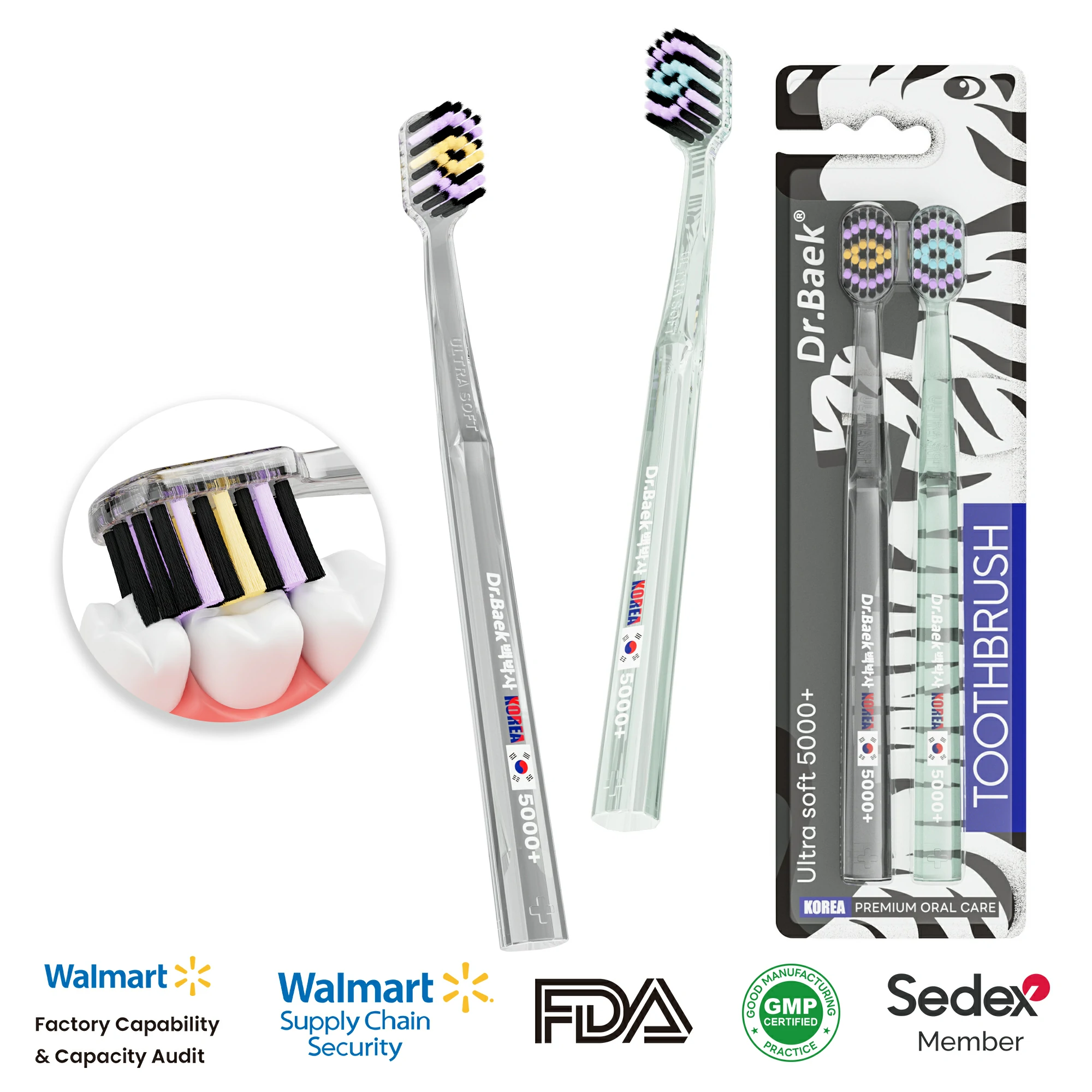
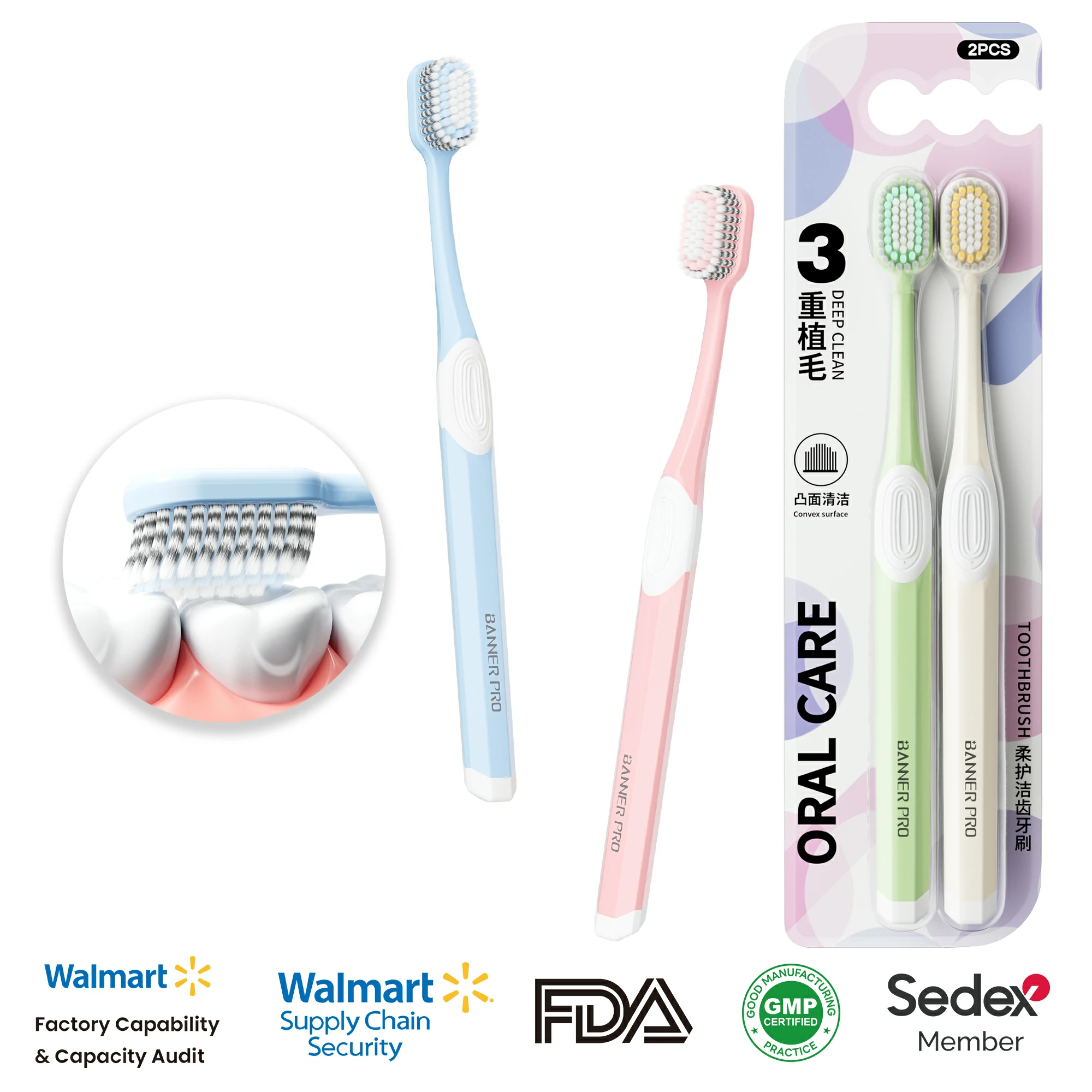
Manufacturing Standards Behind an End-Rounded Bristles Toothbrush
Producing an end-rounded bristles toothbrush requires precision engineering. The process typically involves:
- High-speed trimming of nylon filaments
- Mechanical polishing or heat-rounding technology
- Microscopic inspection to ensure uniform rounding
- Random batch testing for consistency
Quality manufacturers measure the percentage of properly rounded filaments per brush head. Premium production standards often require a high rounding rate to meet safety expectations.
Without strict quality control, rounding may be inconsistent. Uneven finishing can compromise the intended protective benefits. For B2B buyers, verifying rounding percentage and inspection procedures should be part of supplier evaluation.
Clinical Relevance and Consumer Perception
Consumers increasingly associate comfort with safety. When a toothbrush feels harsh, users often brush less thoroughly or shorten brushing time. A smoother brushing experience promotes better compliance and confidence.
From a clinical perspective, reducing mechanical irritation lowers the risk of gum inflammation. For individuals with orthodontic appliances, sensitive gums, or enamel wear, bristle tip finishing becomes even more important.
Dental professionals frequently recommend soft, well-finished bristles for patients with periodontal concerns. Although softness level matters, filament tip quality determines how that softness translates into real-world performance.
An end-rounded bristles toothbrush aligns with preventive dentistry principles by minimizing unnecessary abrasion while maintaining effective plaque removal.
Why This Small Detail Creates Market Differentiation
In a saturated oral-care market, technical details create competitive advantage. Marketing claims about softness or ergonomic design are common. However, bristle tip finishing represents a tangible, measurable safety feature.
For distributors and private-label brands, highlighting end-rounded technology can:
- Strengthen premium positioning
- Improve product credibility
- Reduce complaint rates related to gum discomfort
- Support compliance with international quality expectations
Buyers who understand the impact of bristle finishing are better equipped to evaluate toothbrush specifications beyond surface-level features.
Conclusion: Safety Begins at the Bristle Tip
Toothbrush safety does not rely solely on softness or design aesthetics. The microscopic structure of each filament tip plays a decisive role in protecting enamel and gum tissue.
An end-rounded bristles toothbrush offers smoother contact, reduced abrasion risk, and improved user comfort. While it may appear to be a minor manufacturing detail, it directly affects oral health outcomes and product perception.
Brands that want long-term trust and market differentiation must invest in high-quality bristle finishing. In oral care, safety truly begins at the bristle tip.