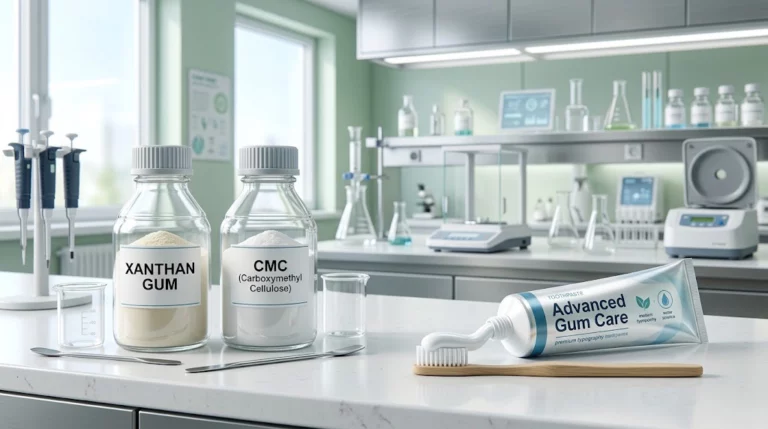
Choosing a reliable oral-care product starts long before a toothbrush reaches store shelves. Behind every effective brushing experience is a professional toothbrush factory where engineering, safety standards, and manufacturing precision work together. Understanding how factories operate helps brands, distributors, and consumers recognize what truly defines quality in oral care products.
Today’s toothbrush production combines advanced automation with strict quality management systems, ensuring that every brush delivers consistent cleaning performance and safety.
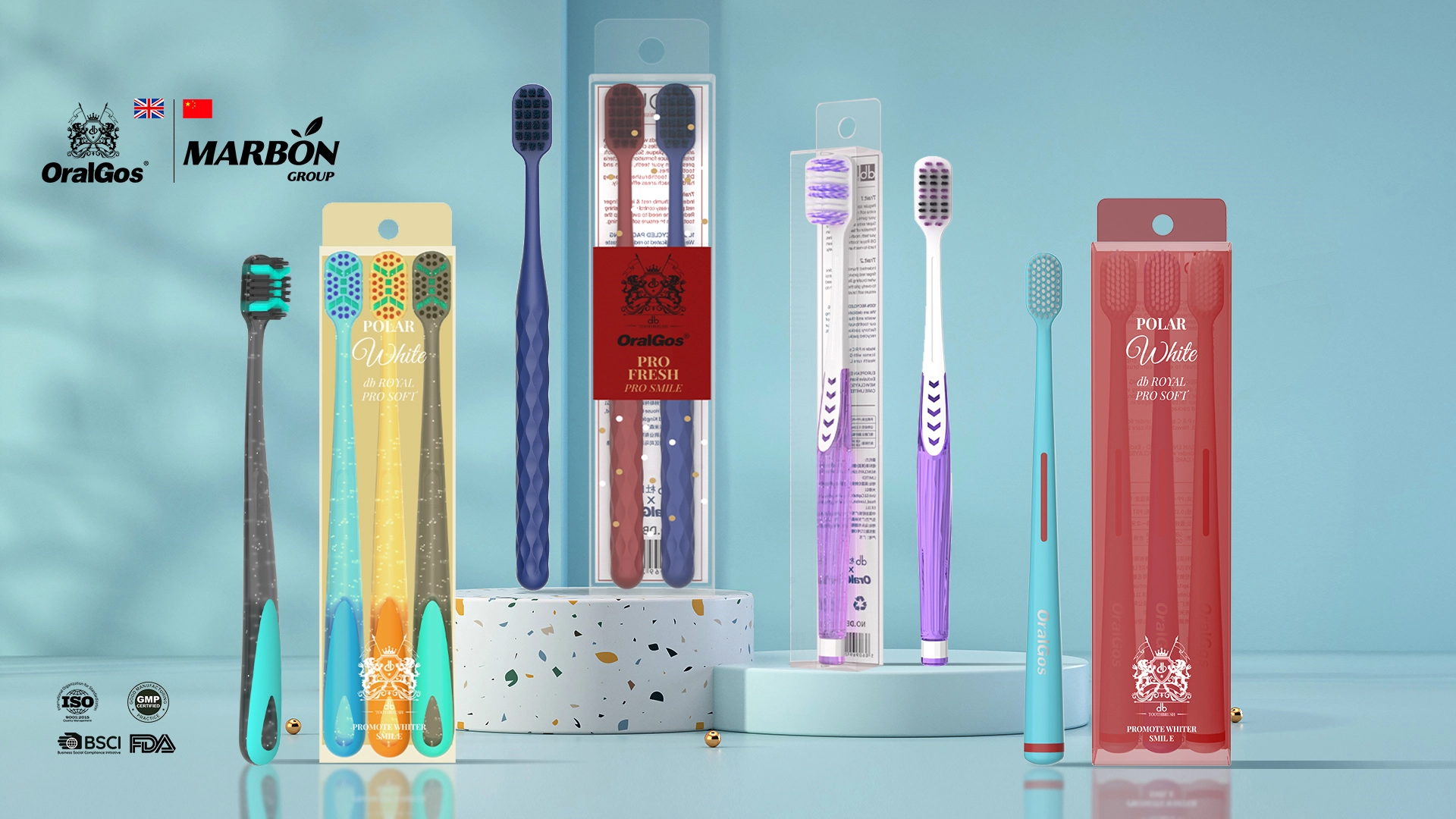
How a Toothbrush Factory Designs Products for Real Users
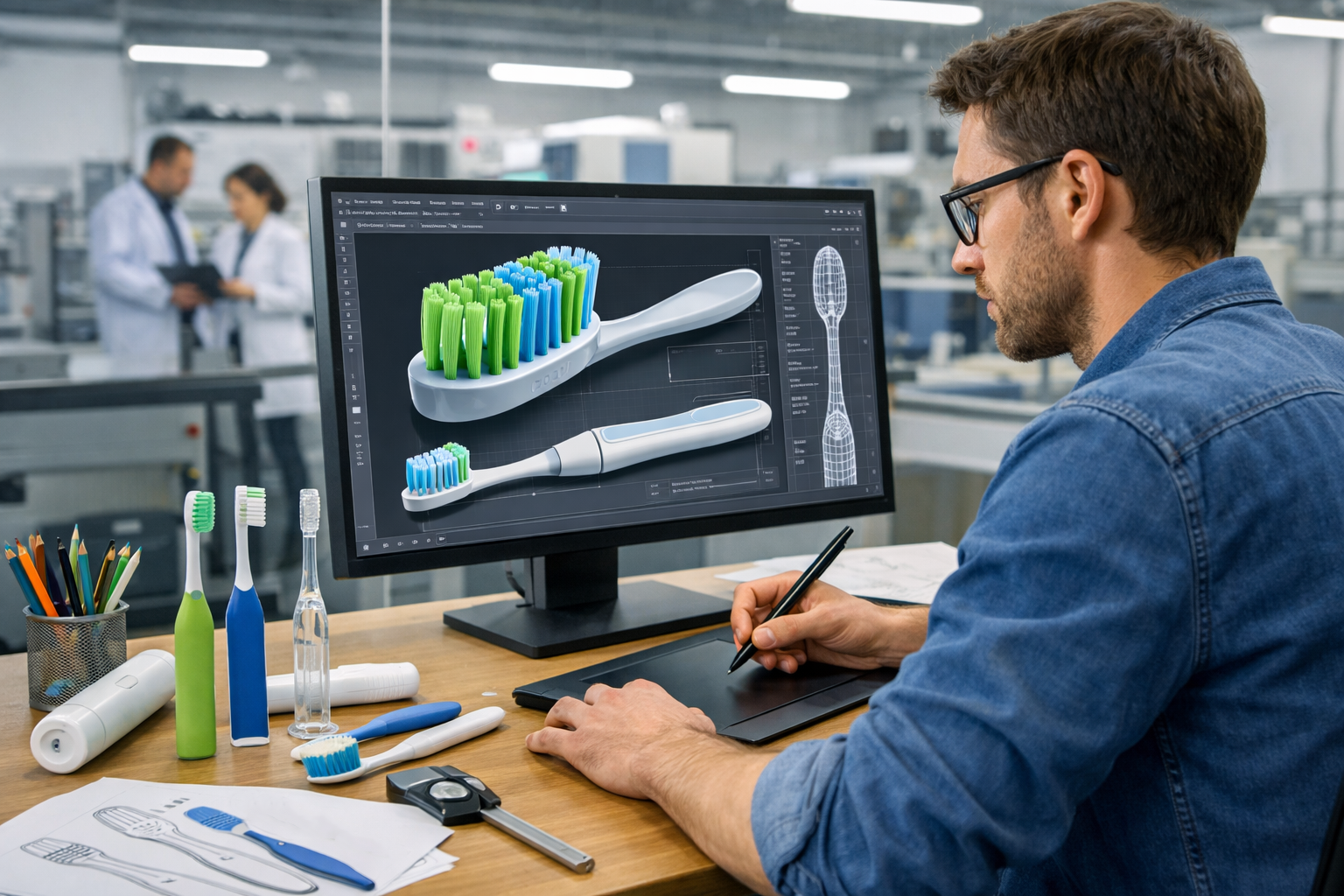
A modern toothbrush factory begins production with research and product design rather than assembly lines. Engineers analyze brushing habits, dental recommendations, and ergonomic principles before creating prototypes.
Design teams typically focus on:
- Bristle softness and density for gum protection
- Handle ergonomics for better grip control
- Brush head size for improved reach
- Material safety and durability
Manufacturers often collaborate with dental professionals and follow guidance from organizations such as the American Dental Association (ADA). You can explore professional oral-care recommendations directly through the American Dental Association, which provides science-based standards for effective brushing practices.
During this early development stage, engineers design products not only for appearance but also for measurable oral-health outcomes.
Manufacturing Processes Inside a Toothbrush Factory
Once designs are finalized, production moves into structured manufacturing stages. A high-quality toothbrush factory relies on automated machinery combined with trained technicians to maintain precision.
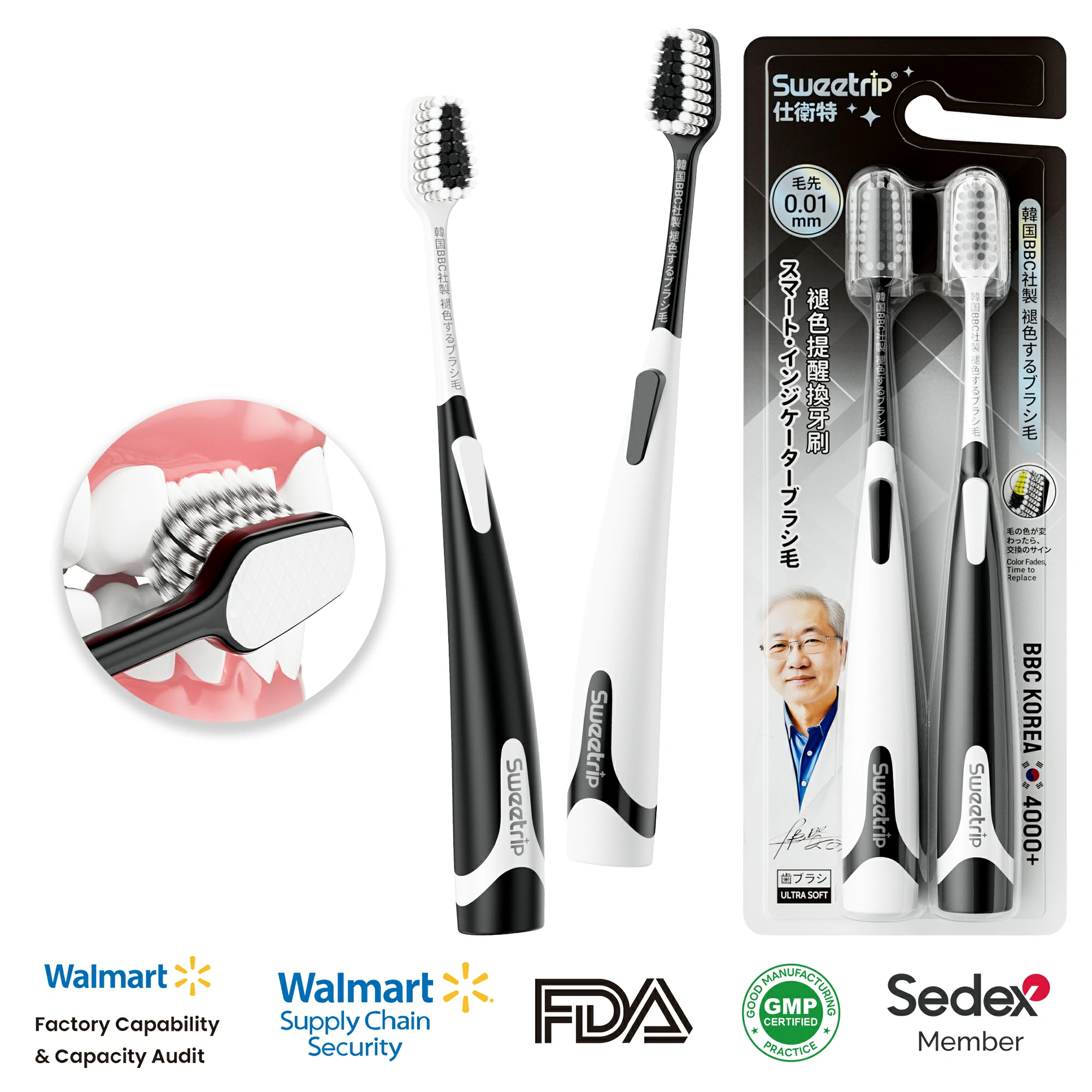
Injection Molding and Handle Production
Plastic materials are melted and injected into molds to form toothbrush handles. Modern factories use food-grade and BPA-free materials to meet international safety regulations. Automation ensures uniform shape, weight, and balance across large production volumes.
Bristle Planting and Trimming
Bristles are inserted using high-speed tufting machines that control placement accuracy. After implantation, bristles undergo trimming and end-rounding to reduce sharp edges that may irritate gums.
Assembly and Cleaning
Before packaging, toothbrushes are washed and sanitized to remove manufacturing residues. Manufacturers often use cleanroom environments to keep products clean and safe.
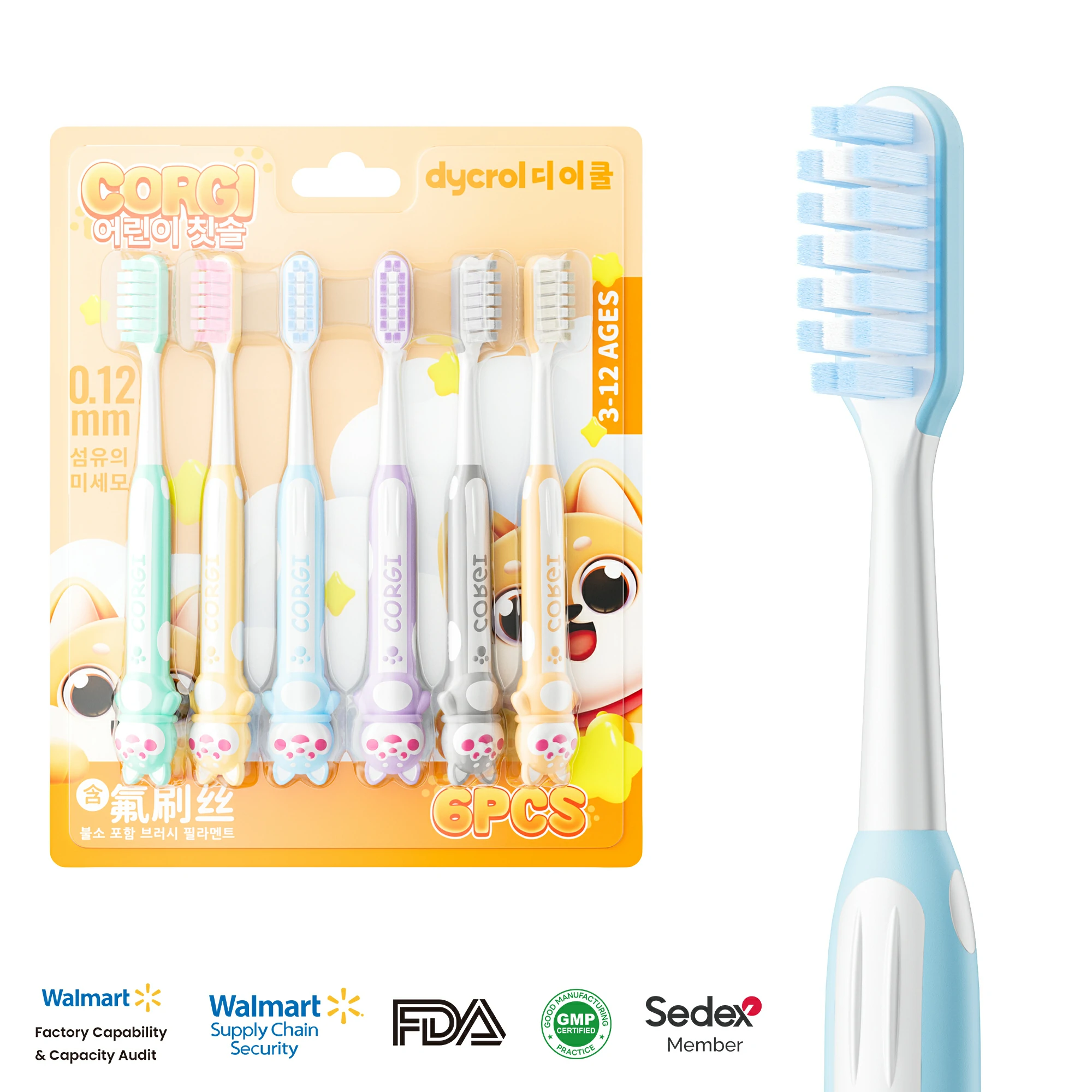
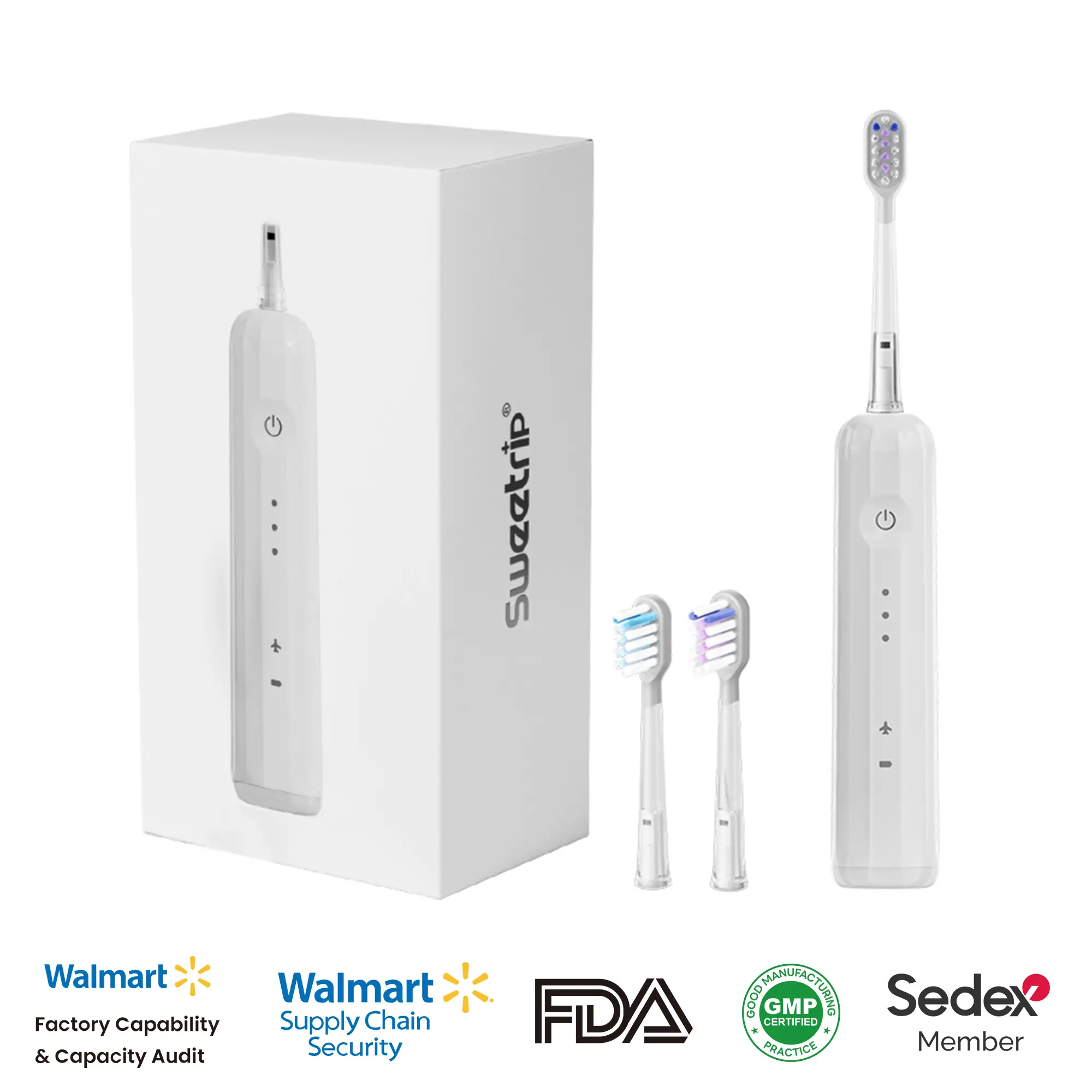
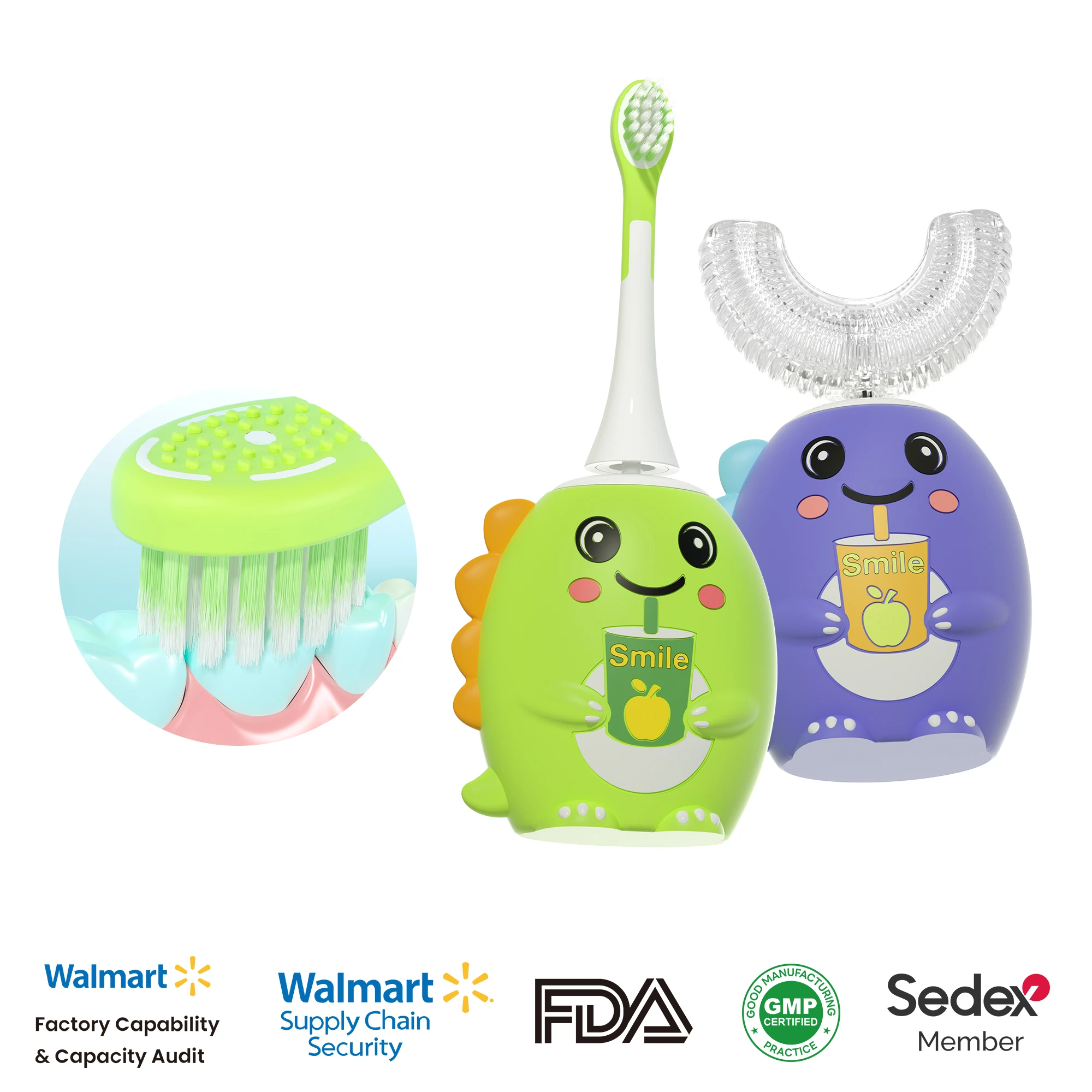
Brands seeking product variety often source both powered and manual options directly from specialized production lines. For example, manufacturers may provide a wide selection of electric toothbrush models. They also offer well-designed manual toothbrush options to cater to diverse market demands.
These categories demonstrate how factories diversify production to meet different market demands.
Quality Control Standards in a Toothbrush Factory
Quality assurance is one of the most critical functions inside a toothbrush factory. Each batch undergoes multiple inspections before approval.
Common testing procedures include:
- Bristle pull-out resistance testing
- Handle durability and drop testing
- Chemical safety verification
- Packaging integrity checks
Factories operating internationally often comply with ISO manufacturing standards and retailer audit systems. Continuous monitoring helps reduce defects while ensuring consistent user experience across markets.
Quality control teams also simulate long-term brushing cycles to confirm durability under daily use conditions.
Eco-Friendly Trends Shaping the Modern Toothbrush Factory
Environmental responsibility has become a major focus in oral-care manufacturing. Many factories now adopt sustainable initiatives such as:
- Reduced plastic waste during molding
- Recyclable packaging materials
- Energy-efficient production equipment
- Water-saving cleaning processes
Some manufacturers are also experimenting with bio-based materials and modular brush designs that allow replaceable heads, reducing overall environmental impact.
These innovations reflect growing consumer demand for eco-friendly oral-care solutions without compromising performance.
Why Choosing the Right Toothbrush Factory Matters for Brands
For oral-care brands and distributors, selecting the right manufacturing partner directly influences product reputation and long-term success.
A reliable factory offers:
- Stable supply chain management
- Consistent product quality
- Compliance with global regulations
- Flexible design choices
Working with an experienced toothbrush factory also allows brands to scale production efficiently while maintaining strict quality standards. This becomes especially important for private-label products entering competitive international markets.
Transparency, certifications, and proven production expertise often distinguish leading manufacturers from low-cost suppliers that prioritize volume over performance.
The Future of the Toothbrush Factory
As technology evolves, toothbrush manufacturing continues to integrate smart automation and data-driven quality monitoring. Artificial intelligence inspection systems, robotics, and precision sensors are improving consistency while reducing production waste.
At the same time, consumer expectations are shifting toward personalized oral care, encouraging factories to develop adjustable designs and specialized brushing solutions.
Modern toothbrush factories are not just production sites anymore. They integrate engineering, dental knowledge, and eco-friendly practices to drive the future of oral hygiene.