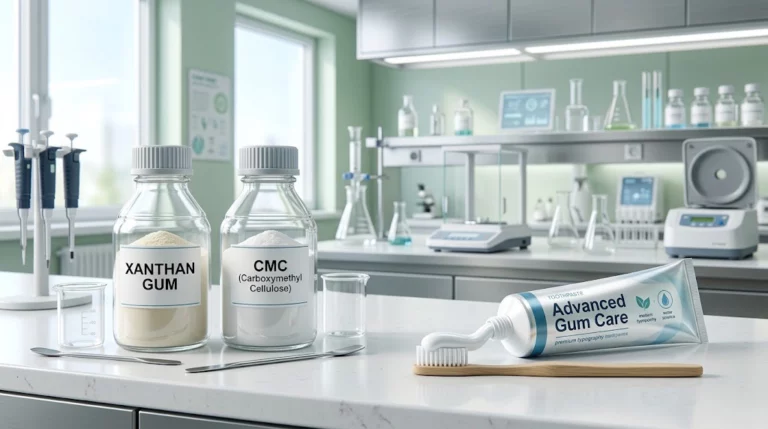
While selecting a toothbrush appears straightforward, toothbrush bristle density significantly influences cleaning performance and gum comfort. Consumers often focus on softness or brush head shape. However, the number and spacing of bristles strongly affect plaque removal, gum stimulation, and overall brushing comfort.
Understanding bristle density helps dental professionals and everyday users make better decisions. It allows them to balance cleaning efficiency with long-term gum health.
What Is Toothbrush Bristle Density?
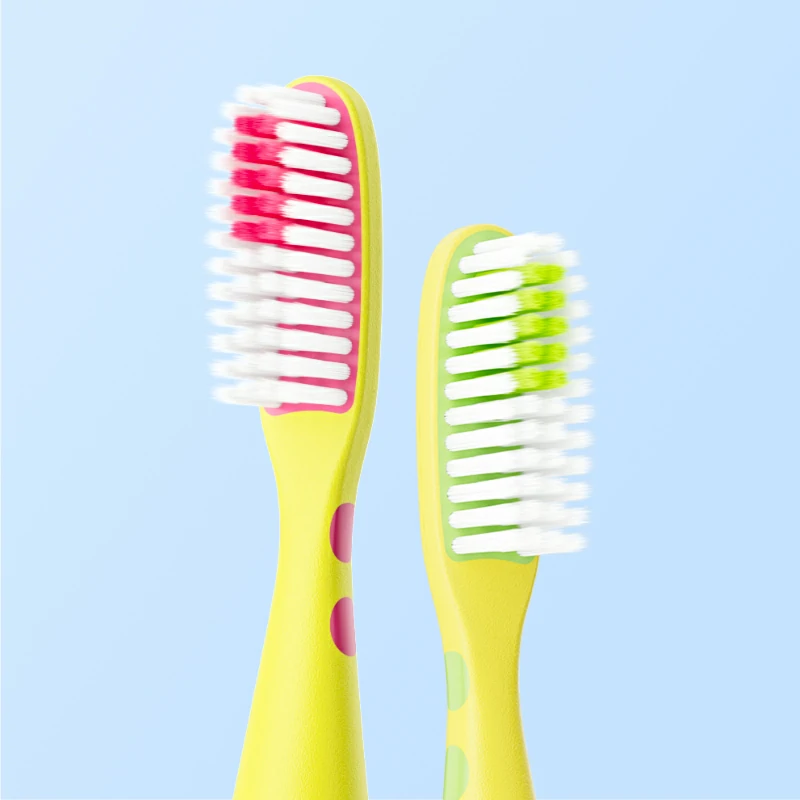
Toothbrush bristle density indicates how many filaments a brush head contains and the distance between them. A higher density means more bristles per square centimeter, while lower density leaves more space between filaments.
Manufacturers adjust bristle density to meet different performance goals. Some brushes focus on deep plaque removal, while others prioritize comfort for sensitive gums. However, more bristles do not always equal better cleaning.
How Toothbrush Bristle Density Affects Cleaning Efficiency
High Bristle Density and Plaque Removal
A toothbrush with high toothbrush bristle density offers greater surface contact with teeth. More bristles can disrupt plaque biofilm more effectively, especially along flat surfaces and at the gumline.
Benefits include:
- Improved plaque removal per stroke
- Reduced brushing time needed for coverage
- Better cleaning for users with limited brushing dexterity
However, overly dense bristle arrangements can trap toothpaste residue or debris. If the filament quality is poor, this may reduce long-term hygiene performance.
Low to Medium Density for Targeted Cleaning
Medium-density brushes strike a balance between coverage and flexibility. With slightly wider spacing, bristles can reach interdental areas and irregular tooth surfaces more easily.
For manual toothbrushes designed for everyday use, many manufacturers intentionally optimize toothbrush bristle density rather than maximizing it. You can see examples of professionally designed density layouts in modern manual toothbrush collections such as OralGos Manual Toothbrushes.
Toothbrush Bristle Density and Gum Comfort
Why Dense Doesn’t Always Mean Gentle
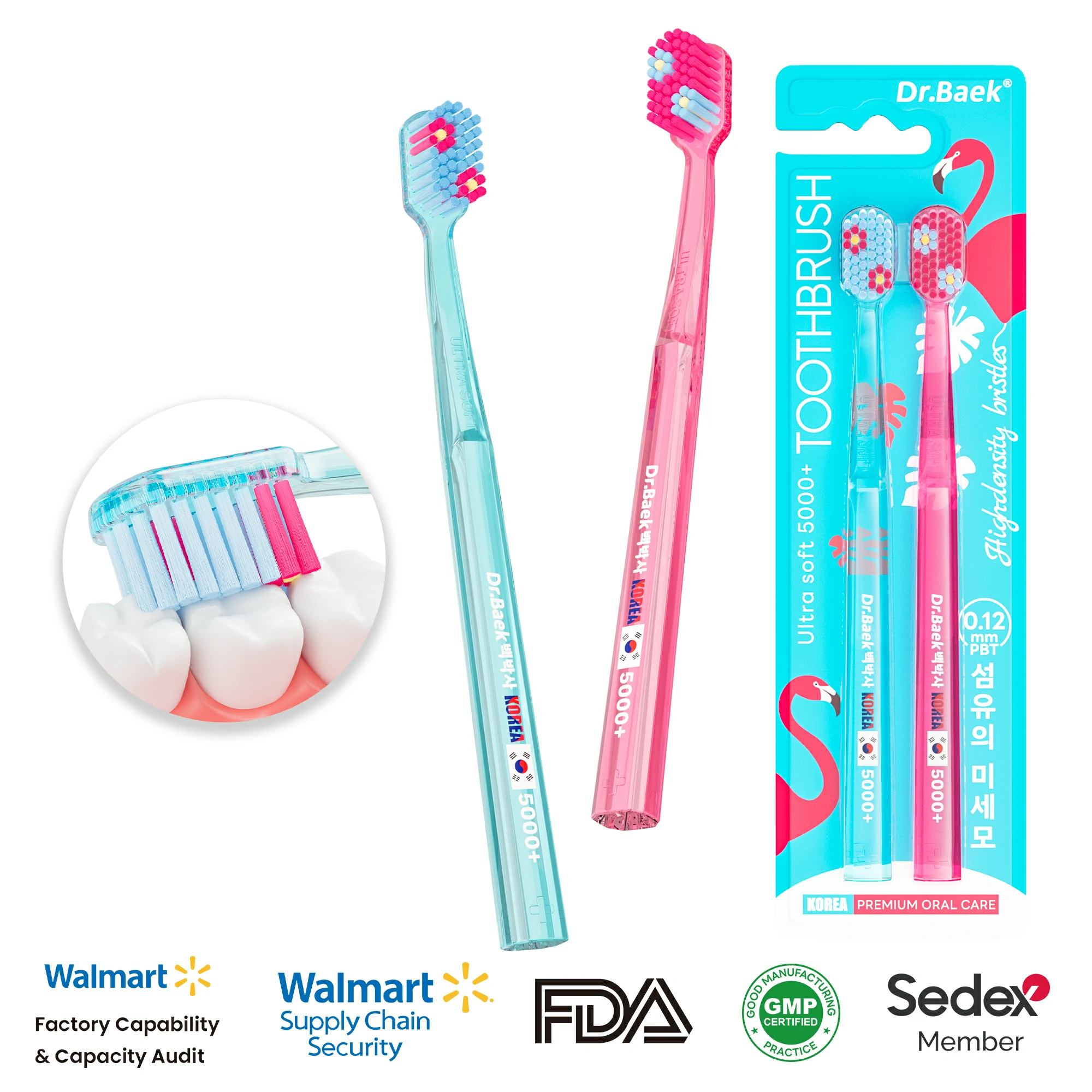
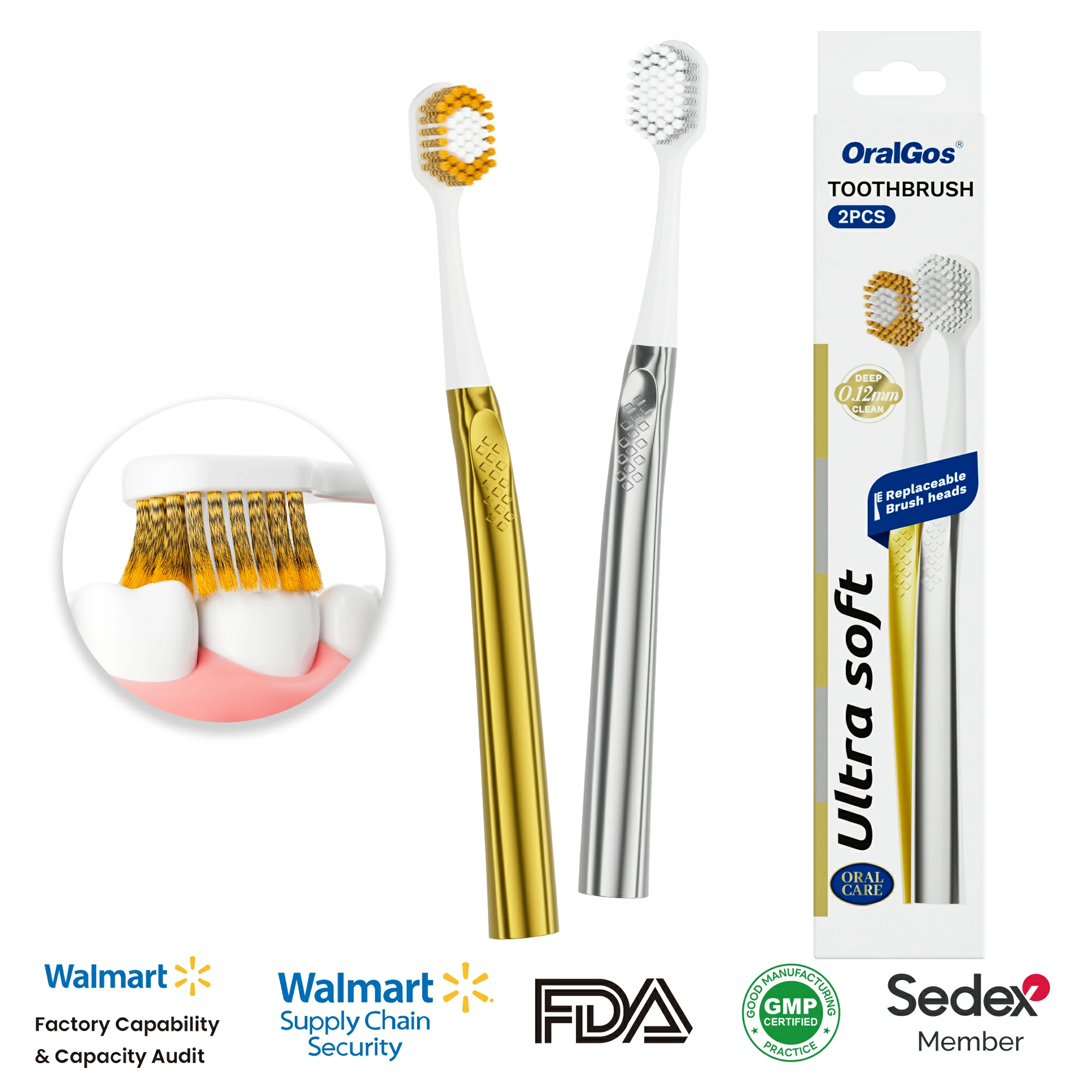
While soft filaments are essential, bristle density directly impacts how pressure is distributed across the gums. Extremely dense brushes may concentrate force, increasing friction at the gingival margin.
Potential risks include:
- Gum irritation or redness
- Increased risk of recession with aggressive brushing
- Discomfort for users with periodontal sensitivity
This is why dental associations often emphasize technique and brush design over stiffness alone.
Optimized Density for Sensitive Gums
For users with gingivitis, orthodontic appliances, or post-treatment sensitivity, toothbrushes with optimized—not maximal—bristle density offer superior comfort. These designs allow bristles to flex independently, reducing localized pressure.
The American Dental Association consistently recommends soft-bristled toothbrushes and gentle brushing motions to protect enamel and gums, regardless of density choices. Their guidelines reinforce that brush design must work with natural oral anatomy rather than against it.
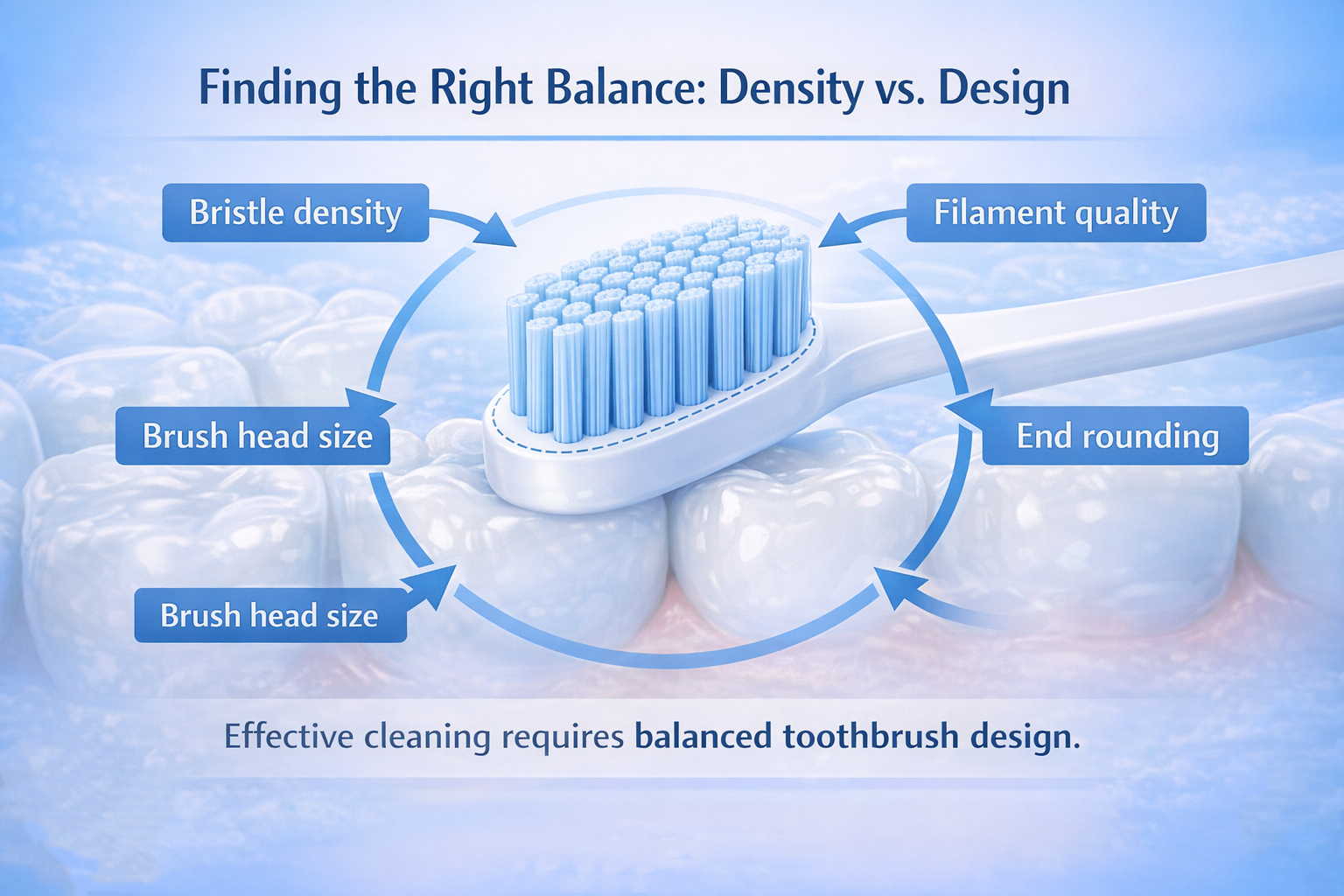
Finding the Right Balance: Density vs. Design
Density Works Best with Proper Bristle Quality
Toothbrush bristle density cannot be evaluated alone. Filament material, end rounding, and tuft arrangement all affect how density performs in real-world use.
High-quality toothbrushes combine:
- Rounded bristle tips
- Even filament distribution
- Density matched to brush head size
This integrated approach ensures effective cleaning without compromising gum comfort.
Brushing Technique Still Matters
Even the best bristle density cannot compensate for poor technique. Excessive pressure or horizontal scrubbing can negate the benefits of a well-designed brush.
Dental professionals recommend:
- Light pressure
- Small circular motions
- Two minutes of brushing twice daily
When density and technique work together, users experience better plaque control and healthier gums.
Toothbrush Bristle Density: What Professionals Should Consider
For oral-care brands, retailers, and dental professionals, toothbrush bristle density is a key design factor. We should treat it as strategic, not just a marketing detail. Proper density selection:
- Enhances user satisfaction
- Reduces complaints related to gum discomfort
- Aligns with professional dental recommendations
As consumers become more educated, brands should provide clear explanations of bristle density. This transparency can build product trust and encourage long-term loyalty.
Final Thoughts
Toothbrush bristle density plays a decisive role in cleaning efficiency and gum comfort. While higher density can improve plaque removal, excessive bristle concentration may compromise comfort if not carefully engineered.
The best toothbrushes balance density, filament quality, and ergonomic design—delivering effective cleaning without harming sensitive oral tissues. Understanding toothbrush bristle density is essential for healthier smiles. This knowledge benefits both personal brush selection and product development.