
Across Asia’s fast-evolving oral care market, one manual toothbrush design is quietly gaining momentum: Wide-Head Toothbrushes. Across Asia, consumers and oral-care brands are increasingly choosing wider brush heads. The trend spans markets from Japan and South Korea to Southeast Asia.
Multiple factors, not just aesthetics, are driving this shift. It reflects deeper changes in brushing habits, gum-health awareness, and regional consumer preferences. Understanding why Wide-Head Toothbrushes are gaining popularity in Asia offers valuable insight for manufacturers, brand owners, and distributors targeting this market.
The Functional Advantage of Wide-Head Toothbrushes

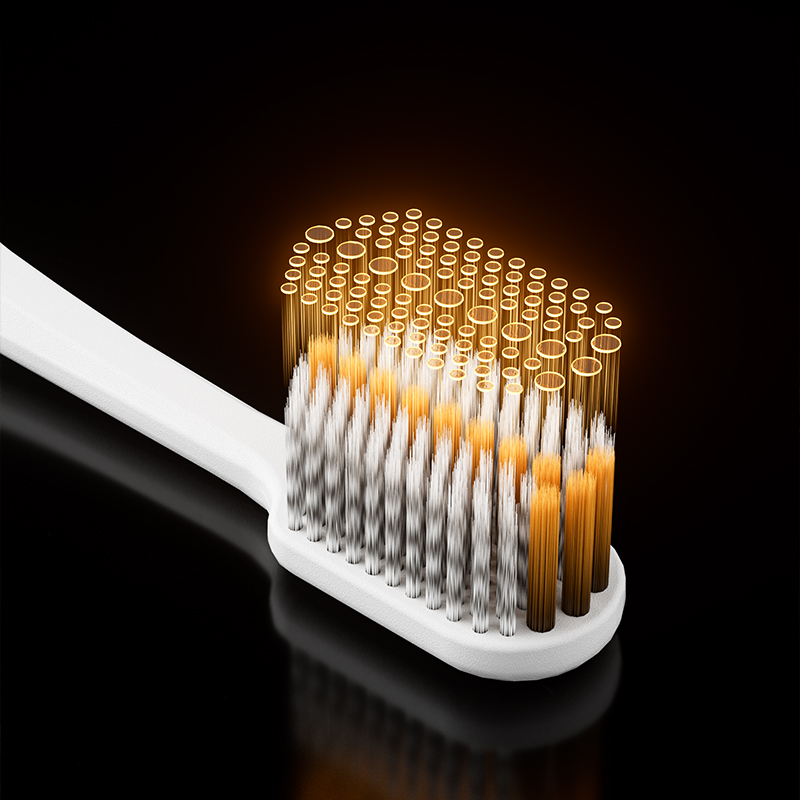
At their core, Wide-Head Toothbrushes are designed to increase surface coverage. Compared to standard brush heads, they feature a broader brushing area that allows users to clean more teeth with fewer strokes.
For many Asian consumers, brushing efficiency matters. Morning and evening routines often prioritize speed without compromising cleanliness. A wide-head design helps distribute bristles evenly across multiple teeth, improving plaque removal in a shorter time.
The American Dental Association emphasizes that effective plaque removal depends on consistent contact between bristles and tooth surfaces. A wider brush head can support this goal when paired with soft or ultra-soft bristles, especially for users who prefer gentle brushing pressure.
Wide-Head Toothbrushes and Gum-Friendly Design
Gum Sensitivity Is a Growing Concern in Asia
Gum sensitivity and bleeding gums are increasingly common complaints across Asian markets. Diets high in acidic foods, sweet beverages, and frequent snacking contribute to enamel wear and gingival stress.
Why Wide-Head Toothbrushes Feel Gentler
One reason Wide-Head Toothbrushes are gaining popularity is their perceived gentleness. A broader head spreads brushing pressure across more bristles, reducing localized stress on gums. When combined with soft or ultra-soft filaments, this design supports daily brushing without aggressive abrasion.
Manufacturers now pair wide heads with high-density, fine-tipped bristles to enhance gum protection while maintaining cleaning efficiency.
Cultural Brushing Habits Favor Wider Coverage
Regional Preferences in Brushing Style
In many Asian countries, brushing technique tends to be horizontal and methodical rather than aggressive scrubbing. A wide-head design complements this habit by covering more enamel and gumline area in each stroke.
Family and Multi-User Appeal
Wide-head manual toothbrushes are also popular in family-oriented households. Parents often prefer toothbrushes that feel easy to use and effective at a glance. A visibly larger brush head gives the impression of better coverage. This impression resonates strongly with both retail buyers and end consumers.
Market Demand and Retail Trends in Asia
Shelf Visibility and Product Differentiation
From a commercial perspective, Wide-Head Toothbrushes stand out on crowded retail shelves. Their size and shape help them stand out on the shelf. This makes them appealing to private-label brands and OEM-focused manufacturers.
Growth in Premium Manual Toothbrush Segments
While electric toothbrush adoption is rising, premium manual toothbrushes remain a strong category in Asia. Wide-head designs often target comfort, gum care, and family use. Consumers in these categories are more open to paying a slightly higher price.
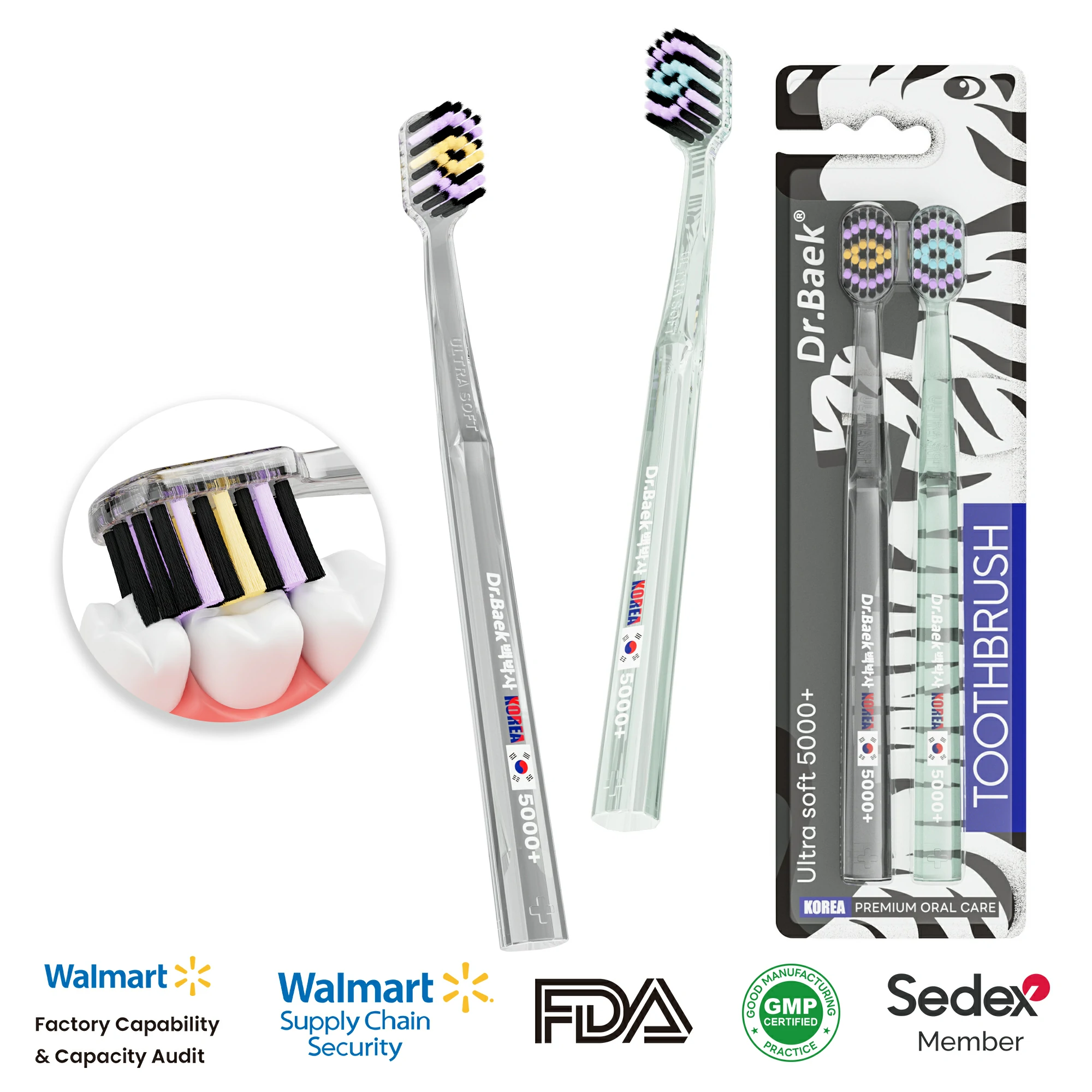
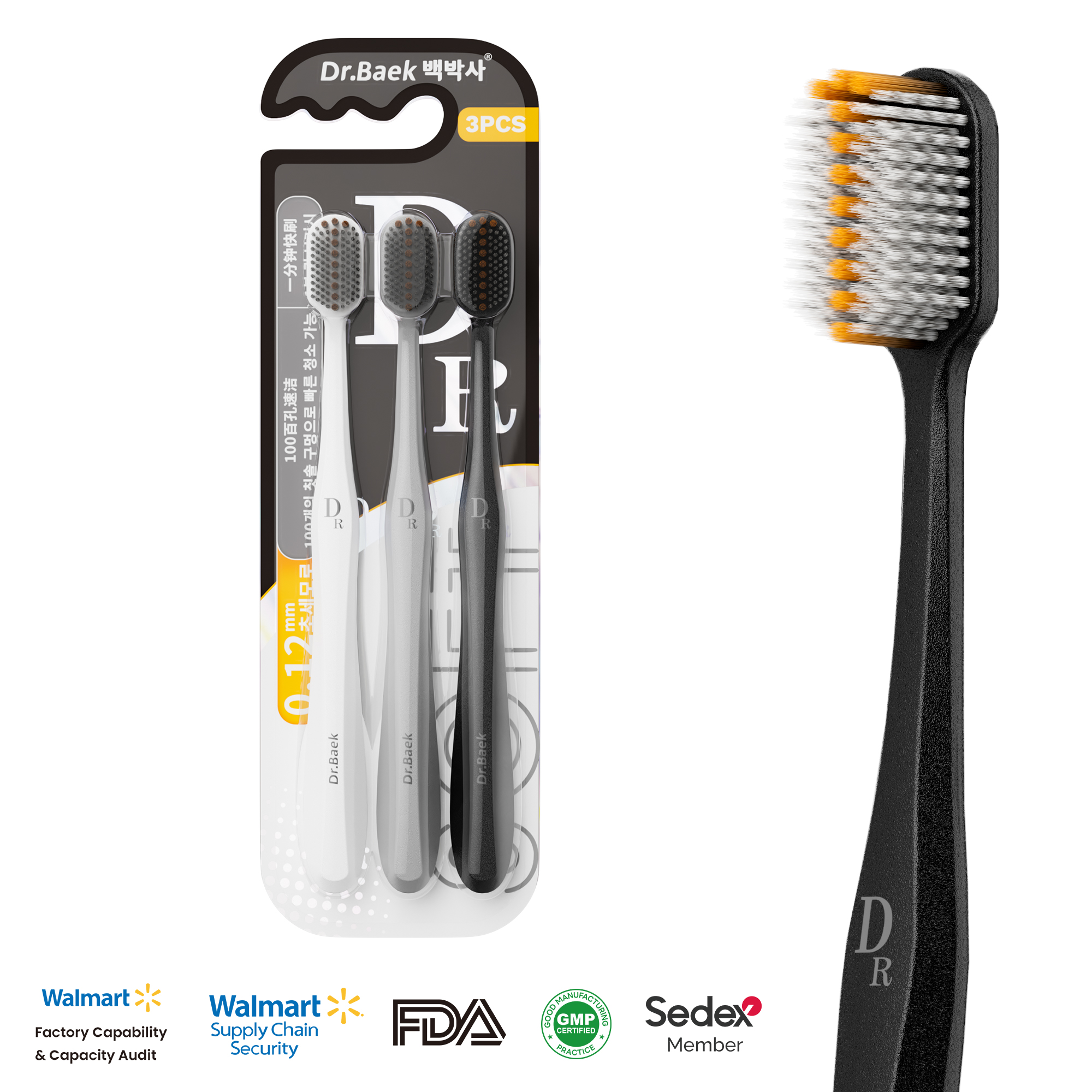
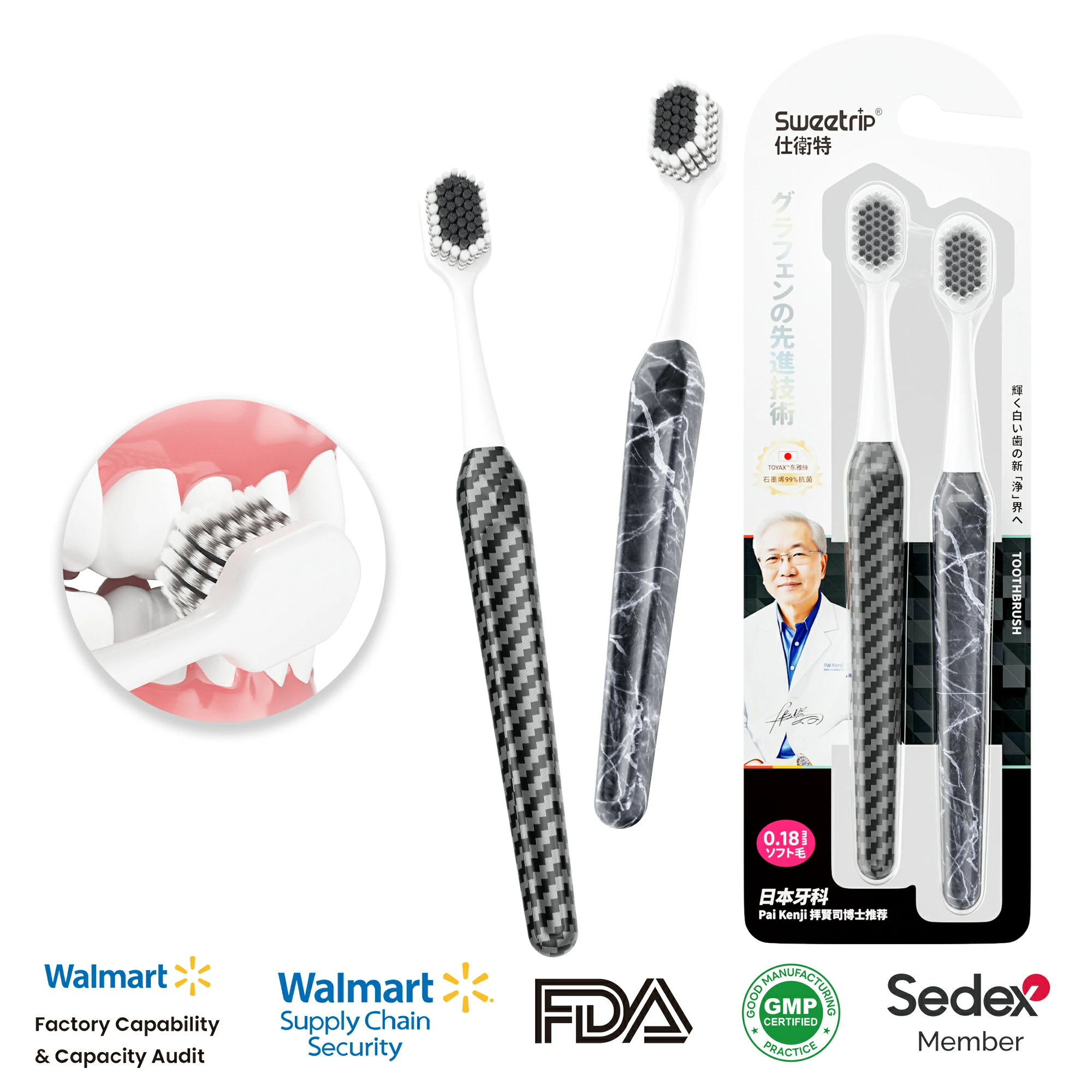
Two commercially successful wide-head designs are the Dr.Baek KR033 Wide-Head Toothbrush and the Wide Soft Toothbrush with Ultra-Soft Bristles.
These products reflect how design, bristle softness, and head size are combined to meet regional expectations.
Wide-Head Toothbrushes in Professional Product Portfolios
A Strategic Addition for Brands and Buyers
For oral-care brands targeting Asia, offering Wide-Head Toothbrushes alongside standard designs strengthens portfolio flexibility. It allows brands to address multiple user needs without major changes in manufacturing processes.
Many suppliers integrate wide-head models into their broader manual toothbrush collections.
This approach supports cross-selling and simplifies product line expansion for distributors and retailers.
Are Wide-Head Toothbrushes Suitable for Everyone?
While wide-head designs offer clear advantages, they may not suit all users equally. Individuals with small mouths or orthodontic appliances may still prefer compact brush heads for precision cleaning.
For the general adult population, wide-head toothbrushes meet daily oral hygiene needs. They are especially suitable for those who prioritize comfort, efficiency, and gum care.
Dental professionals often suggest picking a brush head size based on your mouth shape, brushing habits, and bristle softness. They do not recommend using just one standard for everyone.
Conclusion: A Design Trend Rooted in Real Needs
The rising popularity of Wide-Head Toothbrushes in Asia is not a passing trend. It reflects evolving consumer awareness, cultural brushing habits, and a growing emphasis on gum-friendly oral care.
This shift offers a clear opportunity for manufacturers and brand owners. Products combining good coverage, comfort, and effectiveness have a higher chance of success in Asian markets.
As oral-care preferences evolve, this design is likely to remain an important choice in the market. They bridge everyday usability with professional oral health principles.