When selecting a toothbrush, most consumers focus on brush head design, handle ergonomics, or color. Yet, one of the most critical factors in oral hygiene performance lies in the bristles themselves. Among the various toothbrush materials, PBT bristles have emerged as the preferred choice in modern toothbrushes. Understanding their unique properties helps both consumers and dental professionals make informed decisions.
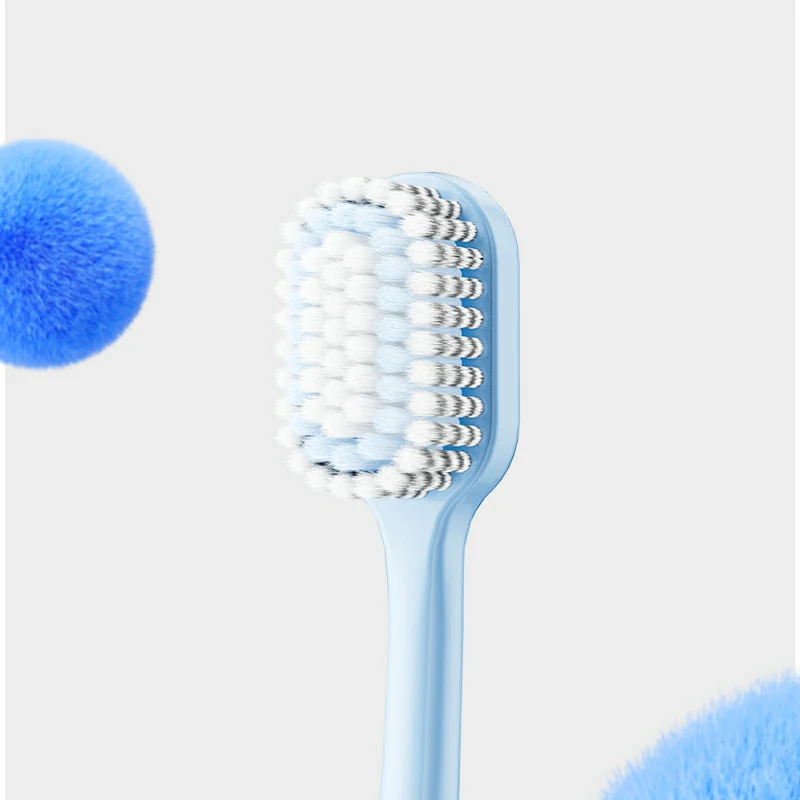
What Are PBT Bristles?
PBT stands for polybutylene terephthalate, a type of thermoplastic polymer. Unlike traditional nylon bristles, PBT bristles resist wear better. They keep their shape longer and absorb less water. These characteristics make them ideal for both manual and electric toothbrushes, where durability and performance are critical.
Advantages of PBT Bristles
Durability and Longevity
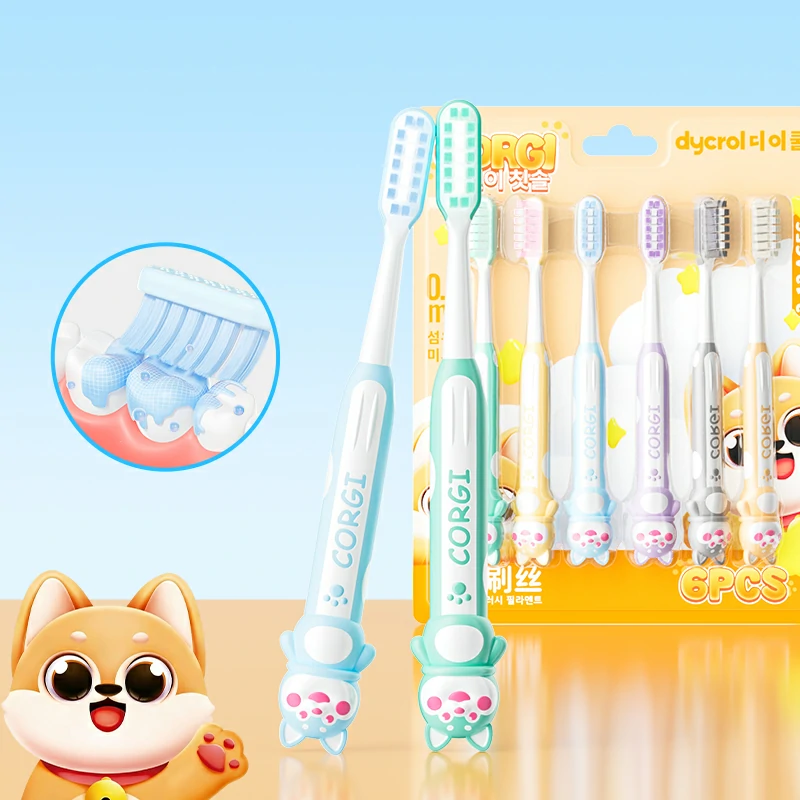
One key reason manufacturers prefer this bristle type is its remarkable durability. Traditional nylon bristles often fray and lose stiffness after a few weeks, reducing cleaning effectiveness. In contrast, these bristles keep their shape and flexibility, providing long-lasting cleaning performance. Their durability benefits consumers and also enhances the perceived quality of toothbrush products.
Superior Hygiene
PBT bristles absorb less water compared to other toothbrush materials, which inhibits bacterial growth. Reduced water absorption also minimizes odor and prevents color changes, keeping the brush head cleaner over time. For users seeking better hygiene in daily brushing routines, these bristles provide a safer and more reliable option.
Consistent Cleaning Performance
Thanks to their flexibility and resilience, PBT bristles adapt well to different tooth surfaces. They can reach between teeth and along the gum line more effectively. This helps remove plaque consistently and gently stimulates the gums.
Dental professionals often recommend these brushes for patients with sensitive gums or those wearing orthodontic appliances. The bristles provide effective yet gentle cleaning.
PBT Bristles in Manual vs. Electric Toothbrushes
Modern toothbrushes employ PBT bristles in both manual and electric models.
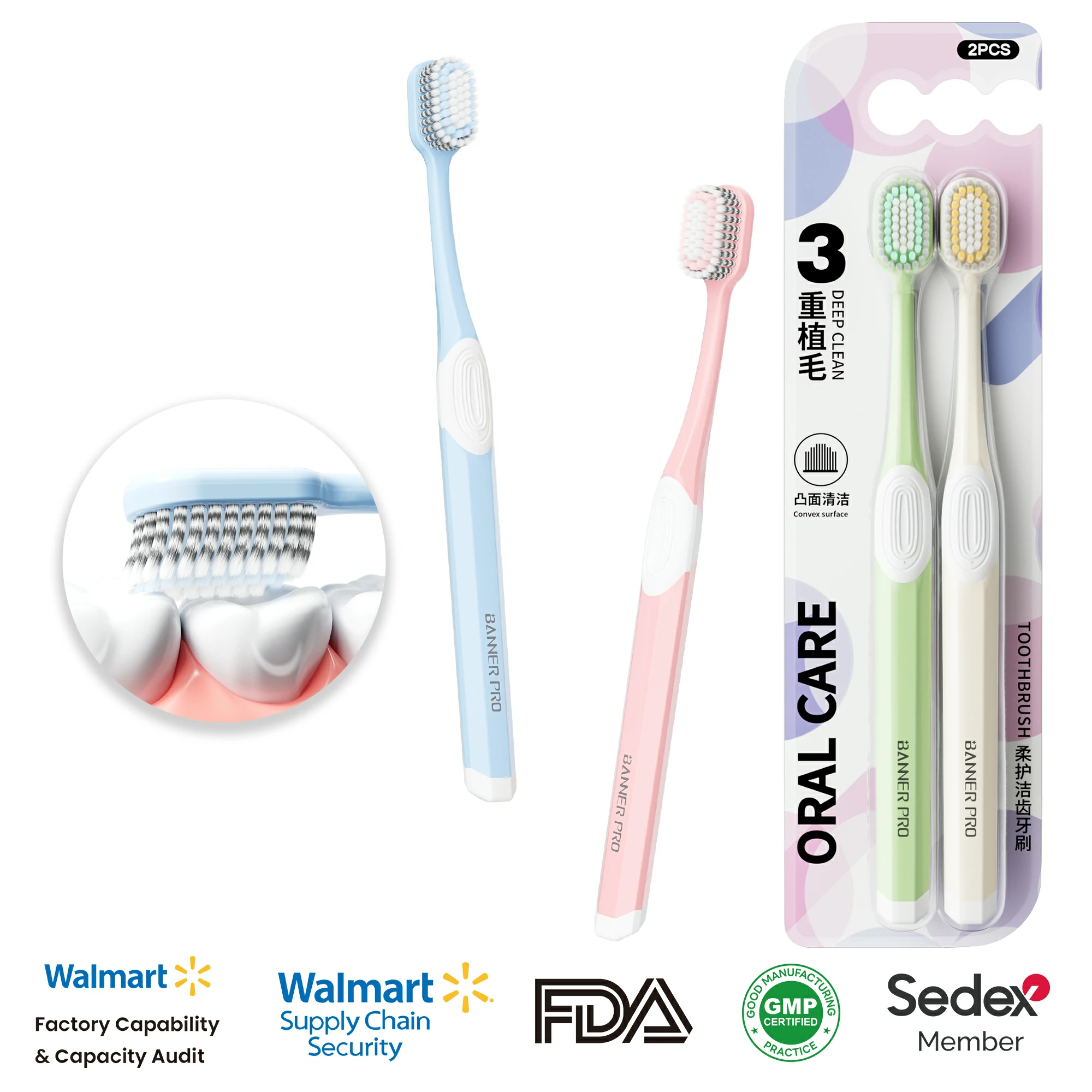
- Manual Toothbrushes: This bristle type offer controlled flexibility, allowing for precise brushing motions without excessive pressure. Browse high-quality manual toothbrushes available in this category.
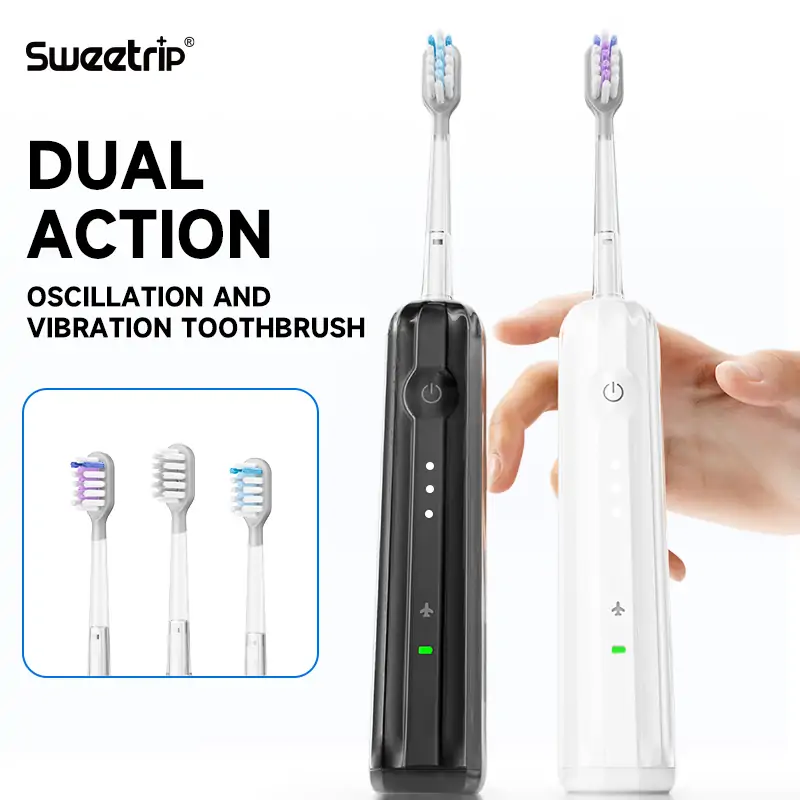
- Electric Toothbrushes: The high-speed motion of electric brushes demands bristles that resist fraying and deformation. This bristle type excel in these conditions, delivering reliable results over extended use. Browse advanced electric toothbrush models in this category.
Comparison with Other Toothbrush Materials
While nylon has historically been the standard bristle material, several toothbrush materials are now available, including soft nylon, polyester blends, and natural fibers. PBT bristles outperform these alternatives in shape retention, hygiene, and durability. Dental authorities, including the American Dental Association, recognize the importance of bristle material in achieving effective oral care.
Environmental Considerations
Environmental friendliness has become a key factor in oral care product development. While PBT is a synthetic material, its durability extends the lifespan of toothbrushes, reducing overall waste. Manufacturers are also exploring recycling programs and eco-friendly designs to complement the longevity of PBT bristle toothbrushes.
Choosing the Right PBT Bristle Toothbrush
When selecting a toothbrush with PBT bristles, consider the following factors:
- Bristle Softness: Choose soft or medium bristles to balance effective cleaning with gum safety.
- Brush Head Design: Ensure the head size suits your mouth and reaches all tooth surfaces.
- Type of Toothbrush: Manual or electric, depending on personal preference and oral care needs.
By choosing high-quality bristle materials, users can significantly improve brushing efficiency and oral health outcomes.
Conclusion
PBT bristles have become popular in modern toothbrushes. Their durability, hygiene, and reliable cleaning make them an excellent choice. Understanding this bristle type and other toothbrush materials allows consumers and professionals to make informed choices for oral care. Choosing a toothbrush with PBT bristles—manual or electric—provides lasting results, cleaner teeth, and healthier gums.